Are you looking for an effective way to shed those extra pounds? If yes, cycling might be your golden ticket.
Imagine gliding through the streets or scenic trails, feeling the wind on your face while burning calories without even realizing it. It’s not just about pedaling; it’s about transforming your weight loss journey into an enjoyable experience. But is cycling really the secret weapon for weight loss you’ve been searching for?
You’ll discover how cycling can become your fun, go-to exercise to help you achieve your weight loss goals. Let’s dive into why hopping on a bike could be your best decision yet. Keep reading to uncover the benefits and tips that could revolutionize your fitness routine.
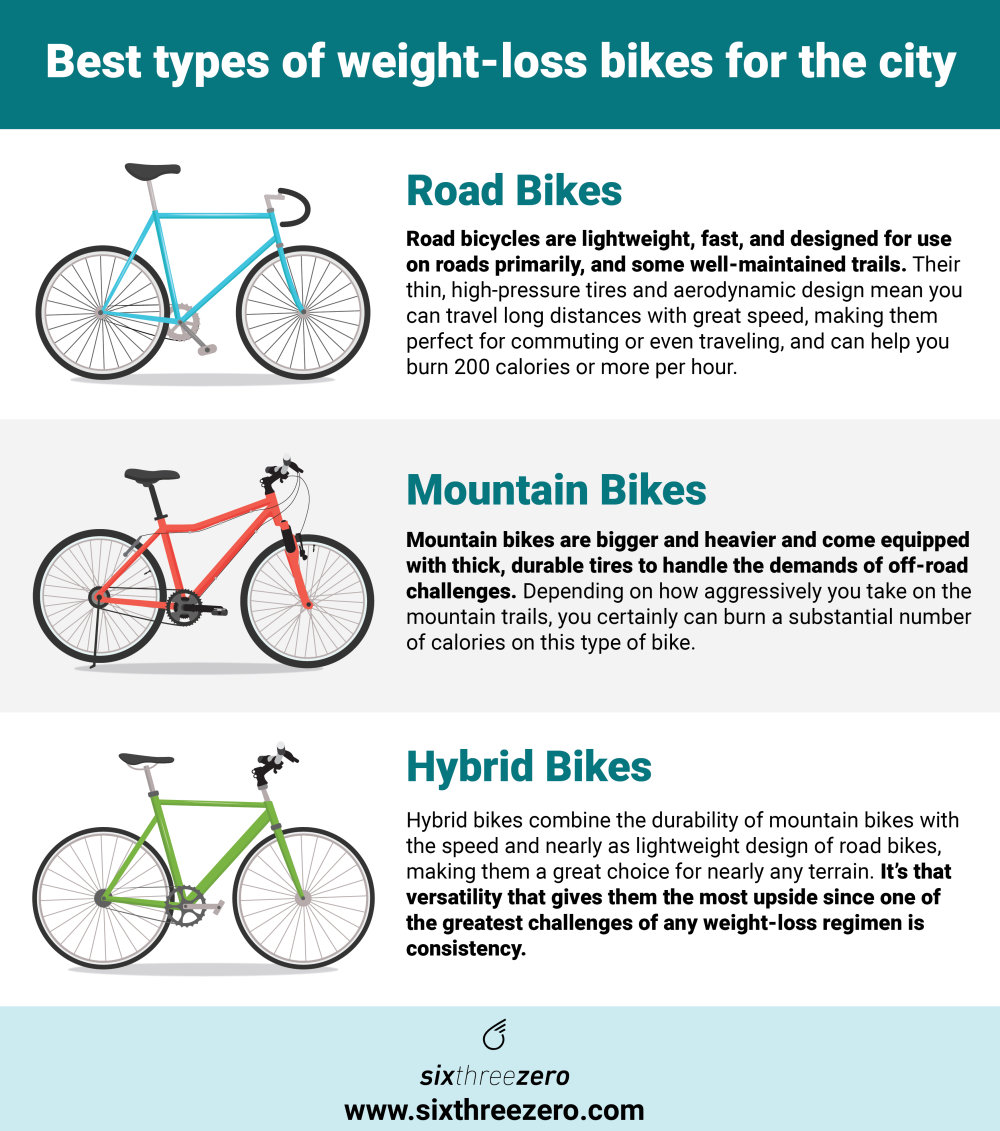
Credit: www.sixthreezero.com
Health Benefits Of Cycling
Cycling is a great way to shed pounds and improve fitness. It boosts metabolism while burning calories effectively. Regular cycling tones muscles, reduces fat, and enhances endurance, making it a sustainable weight loss activity.
Cycling is more than just a fun outdoor activity. It’s a great way to boost your health while also supporting your weight loss goals. Pedaling away on your bike can offer numerous health benefits, making it an excellent choice for anyone looking to improve their fitness.Cardiovascular Health
Cycling regularly can significantly improve your cardiovascular health. It increases your heart rate and gets your blood pumping, which strengthens your heart over time. This can lead to lower blood pressure and reduced risk of heart disease. Have you ever noticed how your breathing becomes more efficient the more you ride? That’s your cardiovascular system getting stronger.Muscle Strength And Endurance
Cycling helps build muscle strength, especially in your legs and lower body. Pedaling works your calves, thighs, and glutes, toning them and increasing muscle endurance. It’s a full-body workout that doesn’t feel like a chore. You might be surprised at how quickly you notice a change in your muscle tone and stamina.Joint Impact
Worried about the impact on your joints? Cycling is a low-impact exercise that’s gentle on your knees and ankles. Unlike running, which can be harsh on the joints, cycling allows for smooth and consistent movement. It’s a perfect option if you’re looking for an exercise that minimizes joint stress while still being effective. Have you ever thought about how cycling could be the perfect fit for your workout routine? By choosing cycling, you’re opting for a form of exercise that not only helps with weight loss but also improves your overall health. So, why not hop on your bike and start pedaling towards a healthier you?Cycling And Calorie Burn
Cycling effectively aids weight loss by burning calories and improving cardiovascular health. Regular rides boost metabolism and build muscle strength, helping shed extra pounds. This low-impact activity suits individuals of all fitness levels, making it an accessible option for achieving weight loss goals.
Cycling is more than just a fun outdoor activity or a way to get from point A to B; it’s an effective exercise for burning calories and shedding those extra pounds. When you cycle, you engage multiple muscle groups, rev up your metabolism, and torch calories. But how many calories can you actually burn, and what factors influence this number? Let’s break it down.Calories Burned Per Hour
The number of calories you burn cycling can vary widely. On average, a person weighing around 155 pounds might burn approximately 298 calories per hour while cycling at a moderate pace of 12 to 13.9 miles per hour. If you’re heavier, you’ll burn more calories, and if you’re lighter, you’ll burn fewer. If you’re curious about cycling at a faster pace, say 14 to 15.9 miles per hour, you could burn around 372 calories per hour. These numbers highlight how cycling intensity and speed directly impact calorie burn.Factors Influencing Calorie Burn
Your weight is a significant factor in how many calories you burn. A heavier person will burn more calories than a lighter person cycling at the same speed. So, if you’re starting your weight loss journey, cycling can be particularly rewarding. The terrain also makes a difference. Cycling uphill requires more effort and burns more calories compared to cruising on flat ground. Consider your route carefully to maximize your workout. Your cycling technique can also influence calorie burn. Using a proper posture and engaging your core can make a noticeable difference. Have you ever noticed how you feel more energized when you maintain a good cycling form? Cycling is a versatile activity, allowing you to adjust your pace and intensity. Have you tried mixing it up with interval training? This involves alternating between high-intensity bursts and more relaxed pedaling, and it’s a great way to boost calorie burn. Incorporate these factors into your cycling routine and watch the calories melt away. What changes will you make to maximize your cycling workout for weight loss?Cycling Vs. Other Exercises
Cycling burns calories efficiently, making it a great choice for weight loss. Unlike high-impact exercises, cycling is gentle on the joints. This allows for longer sessions and consistent calorie burning, helping shed pounds effectively.
When considering the best exercise for weight loss, it’s important to weigh your options. Cycling is often compared to other exercises like running and swimming, each with its own benefits. But how does cycling stack up against these popular workouts? Let’s explore the differences and see which might be the best fit for you.Cycling Vs. Running
Cycling is generally easier on the joints than running. If you’ve ever experienced knee pain after a run, you’ll appreciate the low-impact nature of cycling. This makes cycling an excellent choice for those with joint concerns or those who want to avoid injury. Running, however, tends to burn more calories per minute. If you’re short on time and looking for a quick calorie burn, running might seem appealing. Yet, the sustainability of a workout should be considered. Would you rather have a longer, more enjoyable ride through scenic routes, or a shorter, intense run?Cycling Vs. Swimming
Swimming and cycling are both low-impact, making them ideal for people with joint issues. However, swimming requires access to a pool, which might not always be convenient. Cycling, on the other hand, can be done almost anywhere, whether you’re commuting to work or exploring a countryside trail. Swimming works the entire body, offering a comprehensive workout. But cycling can be equally effective, especially if you’re engaging your core and upper body while riding. Plus, cycling outdoors provides a mental boost that swimming laps in a pool might not. Would you prefer the fresh air and changing scenery, or the consistency of a controlled environment? Choosing the right exercise for weight loss is deeply personal. Consider what fits best with your lifestyle and preferences. Have you found cycling to be a sustainable addition to your routine? Your journey is unique, and finding joy in your chosen activity is key to long-term success.Incorporating Cycling Into Daily Routine
Incorporating cycling into your daily routine can be a game-changer for weight loss. It’s not just about burning calories; it’s about creating habits that stick. Whether you’re commuting to work or enjoying a leisurely ride, cycling offers a unique blend of practicality and enjoyment. Consider how a simple change in your transportation or leisure activities can lead to a healthier lifestyle.
Commuting By Bike
Imagine swapping your car or public transport for a bike on your daily commute. Not only are you saving money, but you’re also investing in your health. A 20-minute ride to work can easily burn over 100 calories, contributing significantly to your weight loss goals.
Think about the time you spend stuck in traffic. Riding a bike can help you avoid that frustration, turning your commute into a peaceful, personal time. It’s a great way to clear your mind while getting fit.
Have you considered the environmental impact? By commuting on a bike, you’re reducing your carbon footprint and contributing to a greener planet. This small change can make you feel better about your daily choices.
Leisure Rides
Leisure rides can be a relaxing way to unwind while shedding pounds. A weekend bike ride through the park or around your neighborhood can be both enjoyable and beneficial for weight loss.
Invite your friends or family to join you. Cycling can become a social activity, making it more fun and motivating. You’ll be more likely to stick to your routine when you’re having fun with others.
Set small goals for your leisure rides. Whether it’s a distance, speed, or time goal, it keeps you challenged and focused. Achieving these goals can give you a sense of accomplishment that fuels your motivation.
Which aspect of cycling fits best into your lifestyle? Commuting or leisure rides? The choice is yours, and the benefits are endless. Start today and see the positive changes in your weight and overall health.
Diet And Nutrition For Cyclists
As you pedal your way to weight loss, what you eat is just as crucial as how far you ride. Proper nutrition fuels your body, optimizes performance, and aids recovery after those intense rides. But what does a cyclist’s diet look like? Let’s break it down.
Balanced Diet
Maintaining a balanced diet is essential for cyclists. It’s not just about cutting calories; it’s about ensuring you get the right nutrients. Your meals should include a mix of carbohydrates, proteins, and healthy fats. Carbs provide energy for those long rides, proteins help repair muscles, and fats support overall body functions.
Consider having oatmeal with fruits for breakfast, a chicken salad for lunch, and grilled fish with vegetables for dinner. Snacks could include nuts or yogurt. Making small adjustments can make a big difference. How do your meals measure up?
Hydration Importance
Hydration is a game-changer. You might be surprised how much water impacts your performance and weight loss. Dehydration can lead to fatigue, decreased endurance, and even weight gain due to water retention.
Make it a habit to drink water before, during, and after cycling. If you’re cycling for more than an hour, consider sports drinks to replenish lost electrolytes. Have you ever noticed how a sip of water can refresh your energy levels?
Remember, every cyclist’s body is unique. Your diet and hydration needs might differ based on your ride intensity and duration. Are you getting the nutrition your body needs for optimal cycling performance?
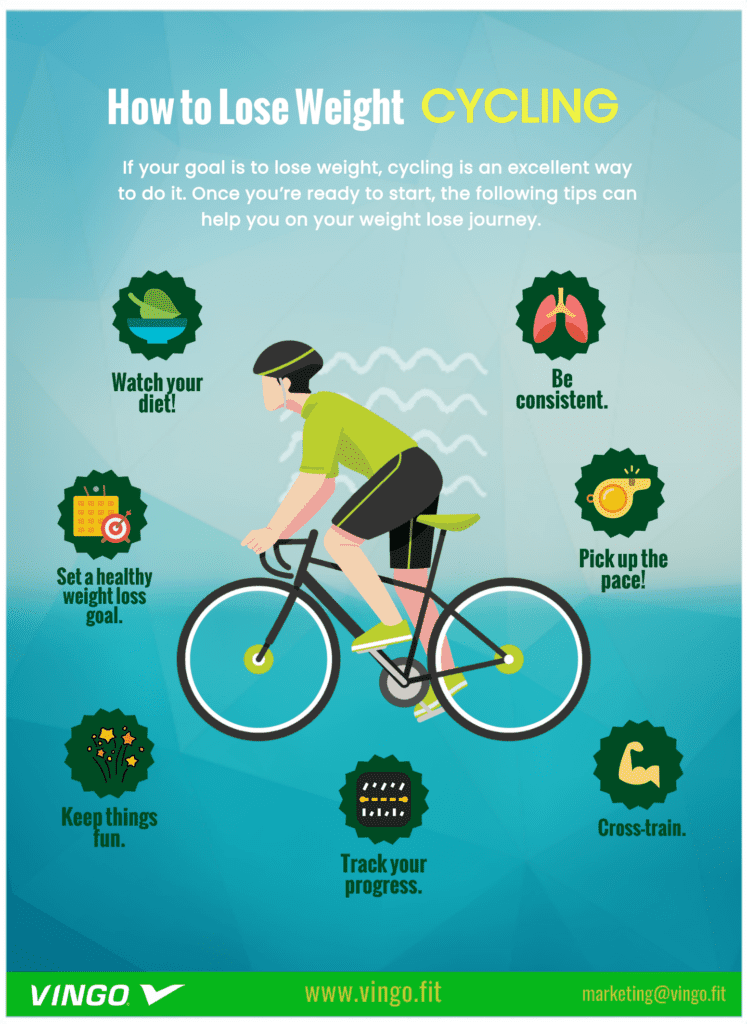
Credit: teslaclub.sk
Setting Realistic Weight Loss Goals
Cycling offers an effective way to lose weight while setting realistic goals. It’s low-impact, making it accessible for most people. Regular cycling burns calories, improves heart health, and strengthens muscles, promoting steady weight loss.
Setting realistic weight loss goals is crucial when using cycling as a method to shed pounds. Many dive into fitness routines with high expectations, only to feel discouraged when results don’t appear overnight. By setting achievable targets, you can maintain motivation and see steady progress. Remember, weight loss is a journey, not a sprint.Tracking Progress
Keeping track of your journey can make a significant difference. Use a journal or a mobile app to log your rides, distances, and durations. Regularly reviewing this data helps you notice patterns and improvements over time. Imagine checking your progress after a month and realizing you’ve increased your distance by 10 miles. Such insights can be incredibly motivating. Consider using a simple table to track your weekly achievements:| Week | Distance (miles) | Duration (minutes) |
|---|---|---|
| 1 | 30 | 150 |
| 2 | 35 | 160 |
Adjusting Goals
No plan is set in stone. As you progress, you might find your initial goals too easy or too hard. Adjust them to fit your current capabilities. If you’ve consistently met your weekly targets, it might be time to aim higher. On the flip side, if you’re struggling, reassess your goals to make them more attainable. Remember a time when you aimed too high and felt overwhelmed? Avoid that by being flexible with your objectives. Adapting your goals keeps your journey dynamic and personalized. It ensures that your cycling routine remains challenging yet achievable. By embracing these strategies, you can transform your cycling sessions into a powerful tool for weight loss. What changes will you make to your cycling routine today?Overcoming Common Challenges
Pedaling regularly can aid in shedding pounds by burning calories and improving heart health. Tackling hills and varying speed levels are common hurdles in cycling but can boost endurance, aiding weight loss. Consistency in this exercise can help overcome these challenges effectively.
Cycling is an excellent way to lose weight. It’s fun and effective. Yet, many face challenges that hinder progress. Overcoming these obstacles is key to success. Understanding and addressing common challenges can help maintain a cycling routine. Below, we discuss two major hurdles: weather conditions and finding motivation.Weather Conditions
Weather can be unpredictable. Rain, wind, or heat may deter cyclists. Riding in harsh conditions can be daunting. But there are ways to tackle this. Use indoor cycling when the weather is bad. Invest in a stationary bike for home workouts. This ensures you stay on track with your goals. Dress appropriately for the weather. Layer up in the cold. Wear breathable fabrics in the heat. Rain gear helps during wet conditions. These adjustments make cycling possible all year round.Finding Motivation
Motivation can wane over time. Consistency is crucial for weight loss. Set clear goals to stay motivated. Track your progress with a journal or app. Celebrate small achievements along the way. Join a cycling group for support. Friends can make cycling more enjoyable. They hold you accountable and encourage you. Variety keeps things interesting. Explore new routes or trails. Change your routine to keep it fresh. Remember why you started. Visualize your goals to reignite your passion.Safety Tips For Cyclists
Safety is crucial while cycling for weight loss. Before hitting the road, learn essential safety tips to ensure a secure and enjoyable ride. From protective gear to traffic awareness, these tips will enhance your cycling experience.
Protective Gear
Wear a helmet every time you cycle. It protects your head from injuries. Choose a helmet that fits snugly. Reflective clothing helps others see you, especially at night. Gloves provide a better grip on the handlebars. They also protect your hands from blisters.
Traffic Awareness
Always stay alert to your surroundings. Keep an eye on traffic signals. Use hand signals for turning and stopping. They help communicate with drivers. Ride in designated bike lanes when possible. Avoid busy roads during peak hours. Keep a safe distance from vehicles and pedestrians.

Credit: www.trainerroad.com
Frequently Asked Questions
Can I Lose Belly Fat By Cycling?
Yes, cycling can help lose belly fat. It burns calories and boosts metabolism. Combine it with a healthy diet. Consistent cycling improves cardiovascular health and strengthens core muscles. Aim for regular sessions to see effective results.
Can You Lose Weight By Cycling 30 Minutes A Day?
Cycling 30 minutes daily can aid weight loss by burning calories and boosting metabolism. Consistent exercise combined with a balanced diet enhances results. Engaging in regular cycling also improves cardiovascular health and strengthens muscles, contributing to overall fitness and well-being.
Is Cycling Better Than Gym For Weight Loss?
Cycling and gym workouts both aid weight loss. Cycling burns calories and improves cardiovascular health. Gym workouts build muscle and boost metabolism. Choosing between them depends on personal preference and fitness goals. Mixing both can be effective. Always consider diet and consistency for optimal results.
What Is The 30/30/30 Rule For Weight Loss?
The 30/30/30 rule suggests eating 30% protein, 30% fat, and 30% carbohydrates for weight loss. This balanced diet helps maintain energy levels, supports metabolism, and promotes fat loss. It’s essential to adjust portions and food choices based on individual needs for effective results.
Conclusion
Cycling offers an effective way to lose weight. It burns calories efficiently. With regular cycling, you can shed pounds steadily. Enjoy the fresh air and scenic views. Cycling boosts mood and reduces stress too. It’s a low-impact exercise, kind on joints.
You can cycle alone or with friends. This makes it fun and social. Consistency is key for weight loss. Start slow, then gradually increase intensity. Keep track of your progress. Feel healthier and more energetic. Remember, combine cycling with a balanced diet.
Your weight loss journey can be enjoyable and rewarding.