When it comes to shedding those extra pounds, you might be wondering if beef steak can fit into your weight loss plan. You’re not alone.
Many people love a good steak but worry about its impact on their waistlines. Imagine savoring a juicy beef steak while still reaching your weight loss goals. Sounds too good to be true, right? Well, you’re about to discover how beef steak might not just be a guilty pleasure but a valuable ally in your weight loss journey.
Dive into this article to uncover the surprising benefits of beef steak, the myths surrounding it, and how you can enjoy it without the guilt. Your path to a leaner you could be more delicious than you ever imagined!

Credit: www.healthline.com
Nutritional Profile Of Beef Steak
Beef steak is often celebrated for its rich flavor and satisfying taste, but have you ever considered its nutritional profile? Understanding the nutrients packed within this savory delight can help you make informed choices, especially if you’re eyeing weight loss. Let’s break down the key components of beef steak to see how they can fit into your weight loss journey.
Protein Content
Beef steak is a powerhouse of protein. A single serving can provide you with a substantial amount of this vital nutrient, which is crucial for muscle repair and growth. Protein also helps keep you feeling full longer, which might reduce your overall calorie intake.
Have you ever noticed how a protein-rich meal keeps you satisfied for hours? That’s the magic of protein working to your advantage. A 100-gram serving of beef steak can offer around 25 grams of protein, making it an excellent choice for those looking to maintain muscle mass while losing weight.
Fat Composition
While beef steak is rich in protein, it’s also important to consider its fat content. Not all fats are created equal; beef contains both saturated and unsaturated fats. This balance is key to understanding its impact on your diet.
Choosing lean cuts like sirloin or tenderloin can help you manage your fat intake. These cuts provide the same rich flavor with less saturated fat, supporting your weight loss goals without compromising taste. Do you often wonder if your meals are hindering your progress? Opting for lean cuts could be a game-changer.
Vitamins And Minerals
Beef steak isn’t just about protein and fat; it’s also a great source of essential vitamins and minerals. It packs a punch with nutrients like iron, zinc, and B vitamins, which are vital for overall health and energy levels.
Iron is crucial for transporting oxygen in your blood, which can enhance your exercise performance. B vitamins, on the other hand, play a significant role in energy metabolism. Including beef steak in your diet ensures you’re not just losing weight, but also gaining the nutrients your body needs to thrive.
Have you ever felt sluggish during your workouts? The right vitamins and minerals from beef steak might be what you’re missing. Integrating it into your meals could offer the energy boost you need to stay active and motivated.
So, what do you think? Is beef steak going to make an appearance in your weekly meal plan?

Credit: www.theprimal.com
Beef Steak And Weight Loss
Trying to shed some pounds and wondering if beef steak can fit into your diet plan? The answer might surprise you. Beef steak, often viewed as a rich and indulgent meal, can actually support your weight loss journey when consumed wisely.
Role Of Protein In Satiety
Protein is your ally in feeling full and satisfied. It takes longer to digest, helping you curb unnecessary snacking. When you have a beef steak, you’re consuming a high-quality protein that can keep hunger at bay.
Imagine enjoying a delicious beef steak for dinner and feeling full long after. This can reduce the temptation for late-night snacks. If you’re aiming to cut calories, this feeling of satiety is crucial.
Impact Of Fat On Weight Management
Beef steak contains fat, but not all fat is bad. Some fats are essential for your body, and they can play a role in managing your weight effectively. The key is choosing lean cuts of beef, which have less fat content.
Consider this: by opting for a lean cut like sirloin or tenderloin, you’re getting the benefits of beef without the excess fat. This way, you maintain a balance, satisfying your taste buds while keeping an eye on your weight goals.
Caloric Considerations
Beef steak is calorie-dense, so portion control is vital. Understanding your daily caloric needs can help you decide how much steak to include in your diet. It’s about enjoying the steak without overdoing it.
Picture this: a palm-sized portion of steak can fit perfectly into a balanced meal plan. Pair it with vegetables and whole grains for a meal that’s not just filling but also nutritious. How do you balance your favorite foods while keeping calories in check?
By making informed choices, beef steak can be part of a healthy diet without derailing your weight loss efforts. What strategies do you use to stay on track with your diet? Share your thoughts!
Health Benefits Of Beef Steak
When you think about beef steak, weight loss might not be the first thing that comes to mind. However, this delicious cut of meat has surprising health benefits that can support your weight loss journey. By understanding these benefits, you can make informed choices about adding beef steak to your diet.
Muscle Building Support
Beef steak is packed with protein, which is essential for muscle growth. If you’re trying to lose weight, maintaining muscle mass is crucial. A strong muscle base helps your body burn calories more efficiently. Imagine the satisfaction of knowing your favorite steak dinner is working hard to keep your body fit and strong. Have you ever noticed how weight lifters often enjoy a hearty steak?
Metabolism Boost
Eating beef steak can actually boost your metabolism. It’s rich in iron and zinc, both of which play a role in metabolic function. A faster metabolism means your body burns calories quicker, even when you’re resting. Think of it like your body’s engine running smoothly and efficiently. Have you ever felt more energetic after a protein-rich meal?
Nutrient Density
Beef steak is not just about protein. It’s loaded with essential nutrients like B vitamins, iron, and selenium. These nutrients support various bodily functions, including energy production and immune health. It’s like giving your body a high-quality fuel to perform at its best. Why settle for empty calories when you can nourish your body with every bite?
As you consider your next meal, think about how beef steak can fit into your weight loss plan. Are you ready to enjoy its health benefits while savoring its rich flavors?
Potential Drawbacks
Considering beef steak for weight loss might sound appealing, but it’s important to weigh the potential drawbacks. While steak is packed with protein that can aid in muscle building and satiety, some aspects of beef can pose challenges to your weight loss journey. Let’s explore these potential issues to help you make an informed decision.
High Saturated Fat Content
Beef steak is often high in saturated fats, which can be a concern if you’re watching your calorie intake. These fats can contribute to higher cholesterol levels and increase the risk of heart disease. Opting for leaner cuts or trimming excess fat can help mitigate this issue.
When you enjoy a juicy steak, it’s easy to overlook the saturated fat content, but it adds up. Think about the long-term effects on your health and weigh them against the short-term enjoyment of a rich steak dinner.
Cholesterol Concerns
The cholesterol in beef can be another setback for those aiming to lose weight. High cholesterol levels can lead to cardiovascular problems, which might overshadow the benefits steak offers. Consider reducing portion sizes or pairing beef with cholesterol-lowering foods like oats and nuts.
If you have a family history of heart disease, this is particularly relevant. You might want to assess how often you indulge in beef steak and seek alternative protein sources like fish or legumes occasionally.
Environmental Impact
Beyond personal health, beef steak has a substantial environmental footprint. The production process requires a lot of resources, contributing to greenhouse gas emissions. This could be a factor if you’re conscious about sustainability while pursuing weight loss.
Imagine the impact of choosing plant-based meals over beef steaks once a week. Would that small change contribute positively to the planet and your health? It’s worth considering how your dietary choices affect the world around you.
Ultimately, while beef steak can fit into a balanced diet, these drawbacks are worth pondering. Are the potential health risks and environmental impacts worth the pleasure of a steak dinner? Only you can decide based on your priorities and lifestyle.
Comparing Beef Steak With Other Protein Sources
When you’re aiming for weight loss, choosing the right protein source is crucial. Beef steak is often praised for its rich flavor and high protein content, but how does it stack up against other popular choices like chicken, fish, and plant-based options? Let’s dive into the details to help you make an informed decision.
Chicken
Chicken is a favorite among those watching their waistlines. It’s lean, versatile, and easy to cook. Compared to beef steak, chicken typically contains fewer calories and less fat per serving. If you’re focused on calorie control, chicken breast might be your go-to option.
When I switched from beef steak to grilled chicken during a weight-loss journey, I noticed a quicker drop in pounds. But it’s not just about calories; the flavor variety with different marinades kept meals exciting. Are you ready to spice up your routine with some delicious chicken recipes?
Fish
Fish is a powerhouse of protein and essential omega-3 fatty acids. Unlike beef steak, fish like salmon and tuna offer heart-health benefits alongside weight management. With lower fat content, fish is a lighter option that can still satisfy your hunger.
Cooking fish might seem daunting, but once I mastered a simple baked salmon recipe, it became a staple in my diet. The key is in fresh herbs and lemon juice for flavor. Have you tried experimenting with different fish to keep your meals interesting?
Plant-based Options
Plant-based proteins are gaining popularity for their health benefits and environmental impact. Options like lentils, chickpeas, and tofu offer fiber and protein without the saturated fat found in beef steak. They might be less calorie-dense, making them excellent for portion control.
Switching to plant-based meals was a game-changer for me. Not only did I feel lighter, but the variety of dishes kept me from feeling deprived. Imagine crafting a hearty lentil stew that fills you up without weighing you down. Have you considered incorporating plant-based meals into your diet?
Choosing between beef steak and other protein sources boils down to your personal goals and preferences. Whether you’re a fan of chicken’s versatility, fish’s health benefits, or plant-based fiber, there’s a path that suits your taste and lifestyle. What’s your next protein-packed meal going to be?
Incorporating Beef Steak In A Balanced Diet
Beef steak can be part of a healthy diet. Rich in protein, it helps keep you full longer. Choose lean cuts to reduce fat intake and support weight loss goals.
Incorporating beef steak into a balanced diet can help with weight loss. It provides essential nutrients and helps maintain muscle mass. But, it’s crucial to integrate it thoughtfully to maximize benefits.Portion Control
Portion control is key when eating beef steak. A 3 to 4-ounce serving is ideal. This size helps manage calorie intake without sacrificing protein. Balancing portions ensures you enjoy steak without overindulging.Cooking Methods
The way you cook steak matters. Grilling or broiling steak reduces added fats. These methods keep the dish healthy and flavorful. Avoid frying, which adds unnecessary calories. Choose lean cuts, like sirloin or tenderloin, for best results.Pairing With Vegetables
Pairing steak with vegetables boosts nutritional value. Vegetables add fiber and vitamins, enhancing the meal. Opt for colorful veggies like broccoli, spinach, or peppers. They provide essential nutrients and help keep you full longer.Expert Opinions
Can beef steak aid in weight loss? Opinions vary among experts. This section delves into insights from dietitians, scientific studies, and popular diets.
Dietitian Insights
Dietitians often stress moderation. Beef steak can fit into a balanced diet. Rich in protein, it helps keep you full longer. This reduces the urge to snack. Dietitians suggest choosing lean cuts. This minimizes fat intake. Portion control is also crucial. Too much steak can lead to excess calorie consumption. Balance is key.
Scientific Studies
Research supports beef steak in weight loss diets. Studies show high-protein diets aid weight loss. Protein boosts metabolism. It also helps preserve muscle mass. This is important during calorie restriction. Some studies link red meat to health issues. But moderate consumption is generally safe. Choose lean beef for the best results.
Popular Diets
Many diets include beef steak. Keto and Paleo diets often feature steak. These diets emphasize protein and fats. They limit carbohydrates. Steak fits well within these guidelines. Followers report feeling full and satisfied. But not all diets recommend beef. Vegetarian and vegan diets exclude it. Always consider dietary preferences.
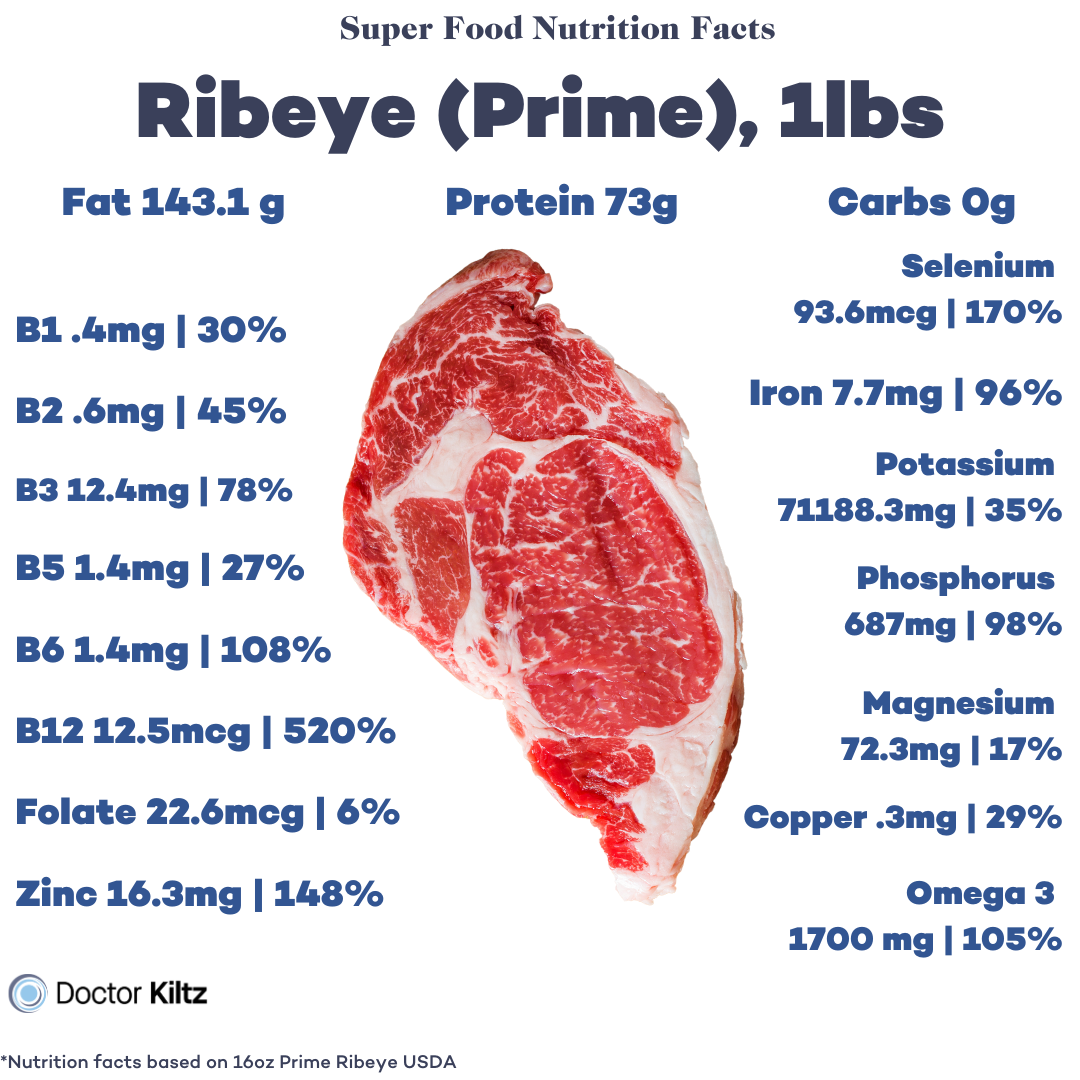
Credit: www.doctorkiltz.com
Debunking Common Myths
Beef steak often gets a bad reputation in weight loss discussions. Many myths surround its consumption. Some believe it leads to weight gain and health problems. It’s time to clear the air. Understanding the truth can help in making informed choices.
Steak And Weight Gain
People often think steak contributes to weight gain. This belief stems from its calorie content. Yet, steak is rich in protein. Protein helps build muscle and reduces hunger. When consumed in moderation, steak can fit well in a weight loss plan.
Not all calories are equal. Calories from steak can be more satisfying than those from carbs. Eating steak may keep you full longer. This can prevent overeating. Balance is key.
Red Meat And Health Risks
Red meat often gets blamed for health risks. Concerns include heart disease and cancer. Yet, these risks depend on many factors. Quality and quantity matter. Choosing lean cuts and grass-fed beef can reduce these risks.
Moderation is important. Eating varied foods supports health. Steak offers nutrients like iron and B vitamins. These nutrients are essential for energy and overall health.
Protein Overconsumption
Some worry about eating too much protein. The myth is it harms kidneys. Yet, moderate consumption is safe for most people. Protein is crucial for tissue repair and muscle growth.
Steak provides high-quality protein. It supports a healthy metabolism. Pairing steak with vegetables balances meals. This ensures varied nutrient intake.
Frequently Asked Questions
Can I Eat Steak And Still Lose Weight?
Yes, you can eat steak and still lose weight. Choose lean cuts and control portion sizes. Balance steak with vegetables and whole grains. Focus on overall calorie intake and maintain regular exercise. This approach supports weight loss while enjoying steak.
Which Steak Is Best For Losing Weight?
Choose lean cuts like sirloin, flank, or tenderloin for weight loss. They are lower in calories and fat. Opt for grilling or broiling to reduce added fats. Pair with vegetables for a balanced meal. Portion control is key for effective weight management.
What Meat Is Best For Losing Weight?
Lean meats like chicken breast and turkey are best for losing weight. They are low in fat and high in protein. Fish like salmon and tuna also support weight loss with their healthy omega-3 fatty acids. Choose grilled or baked options for fewer calories.
Is Beef Steak High In Calories?
Beef steak is moderately high in calories, which varies by cut and preparation. Lean cuts like sirloin offer fewer calories compared to fattier cuts like ribeye. Opting for grilled or broiled preparations reduces added calories from oils and sauces. Portion control is key to incorporating steak into a weight loss diet.
Conclusion
Beef steak can fit into a weight loss plan. It offers protein, which helps build muscle and keeps you full. But, watch portion sizes. Too much can add extra calories. Choose lean cuts to reduce fat intake. Balance your meals with vegetables and whole grains.
A varied diet is key. Listen to your body’s hunger signals. Stay active and maintain a healthy lifestyle. Always consult a nutritionist for personalized advice. Eating smart makes a difference. Enjoy your meals wisely.