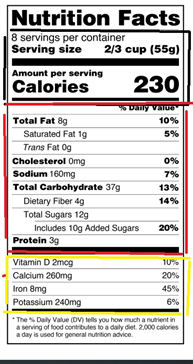
Have you ever picked up a food package and wondered what goes into those tiny boxes filled with numbers and percentages? These nutrition labels are more than just a jumble of data; they are your guide to making healthier choices.
Understanding them can empower you to take control of your diet and well-being. Imagine being able to craft your own nutrition label, tailored to your homemade treats or products. Whether you’re starting a food business or just curious about what’s inside your meals, learning to make a nutrition label can open up a world of possibilities.
Dive into this article, and you’ll discover the simple steps to create your own nutrition label, ensuring transparency and trust in what you consume or sell. Are you ready to unlock the secrets behind these labels and enhance your nutritional knowledge? Let’s get started!
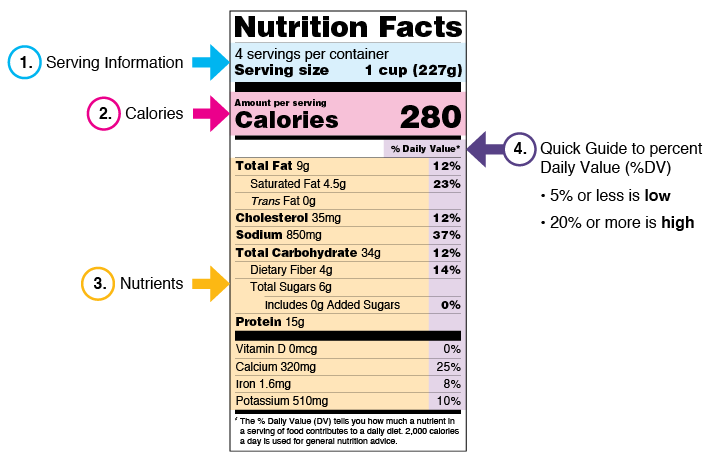
Credit: www.fda.gov
Understanding Nutrition Labels
Creating a nutrition label involves detailing serving size, calories, and essential nutrients. Each component must be clear and precise. Information should help consumers make informed food choices easily.
Understanding nutrition labels can be a game-changer for your health journey. Whether you’re trying to make better food choices or manage specific dietary needs, these labels provide vital information right at your fingertips. But what exactly do they tell you, and why should you care?Purpose Of Nutrition Labels
Nutrition labels are designed to inform you about what’s inside the food you eat. They offer a snapshot of the nutritional content, including calories, fats, sugars, proteins, and more. Imagine picking up a snack and instantly knowing if it fits your diet goals. They’re like a guide, helping you compare products and choose the one that suits your needs best. Ever been torn between two types of cereal? A quick glance at the label can make that decision easier.Importance For Consumers
These labels empower you to make educated choices. Understanding them can help you avoid unwanted ingredients or allergens. It’s not just about counting calories; it’s about overall well-being. Think about how many times you’ve reached for a product thinking it’s healthy, only to be surprised by hidden sugars or sodium. Nutrition labels offer transparency, allowing you to align your food choices with your health goals. As a consumer, you have the power to demand better food options. When you make informed choices, you influence brands to prioritize healthier ingredients. Isn’t it intriguing how a simple label can change the way food is produced? By taking a moment to read and understand nutrition labels, you take control of your dietary habits. What if you could effortlessly navigate the world of food and make choices that support your lifestyle?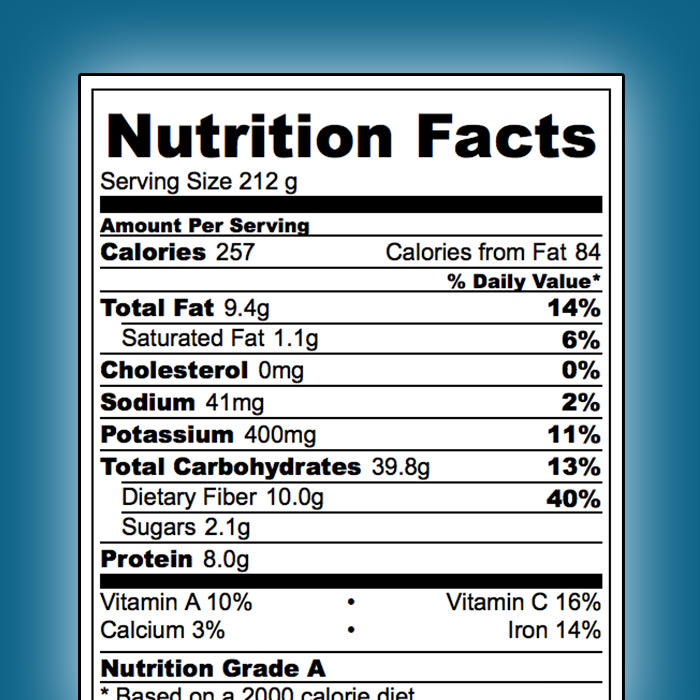
Credit: oneingredientchef.com
Gathering Necessary Information
Creating a nutrition label starts with gathering necessary information. This involves understanding the ingredients and the serving size. Accurate data ensures the label is useful and trustworthy. Let’s explore what details are needed.
Identifying Ingredients
List every ingredient used in the product. Check the labels of each component for accuracy. This helps in calculating nutritional values. Prioritize listing them in order of quantity. Start with the most abundant.
Some ingredients might have complex names. Simplify them for easy understanding. Use common names where possible. Ensure the list is complete and precise.
Determining Serving Size
Define what a single serving looks like. This could be a cup or a piece. Ensure the portion is practical for consumption.
Calculate nutritional values based on this serving size. Make sure the information is clear and easy to read. Use simple measurements like grams or ounces. Avoid confusion with complex calculations.
Calculating Nutritional Content
Creating a nutrition label involves calculating the nutritional content of food items. You need to measure calories, fats, proteins, and carbohydrates. These calculations help in providing accurate information for consumers.
Calculating nutritional content might seem like a daunting task, but it’s easier than you think. Knowing what goes into your food helps you make healthier choices. Whether you’re cooking at home or developing a product, understanding the nutritional breakdown is crucial.Macronutrients Breakdown
Macronutrients are the nutrients you need in larger amounts. These include carbohydrates, proteins, and fats. Start with carbs. They’re the body’s main energy source. Calculate the total carbs by adding sugars, dietary fiber, and starch. Next, focus on protein. Measure how much protein is in each serving. It’s essential for muscle growth and repair. Lastly, assess the fats. Include both saturated and unsaturated fats. Check if there are any trans fats, and keep them minimal.Micronutrients Details
Micronutrients, though needed in smaller quantities, are vital for your health. These include vitamins and minerals. Begin with vitamins. Identify key vitamins like A, C, and D. They support your immune system and other bodily functions. Now, look at minerals. Calcium and iron are two essential examples. They play crucial roles in bone health and oxygen transport. As you calculate, use nutritional databases or software for accuracy. Or, try using a kitchen scale and food labels for homemade meals. Think about this: Are you aware of the hidden nutrients in your favorite dish? Understanding these details can transform your eating habits. By breaking down the macronutrients and detailing the micronutrients, you empower yourself to make informed dietary decisions. Start with one meal at a time, and soon, you’ll master the art of nutritional content calculation.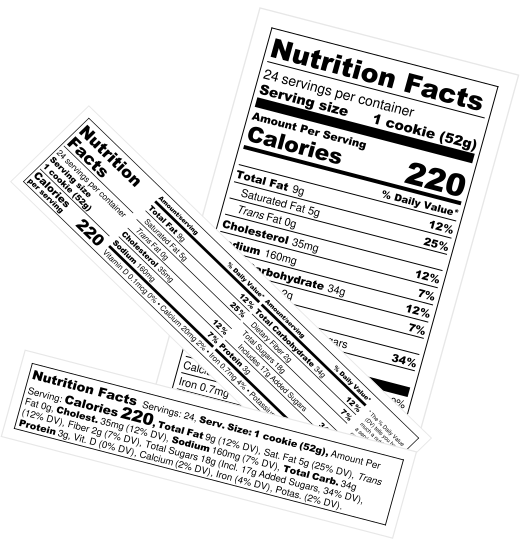
Credit: www.recipal.com
Using Nutrition Label Software
Creating a nutrition label can seem complicated. Nutrition label software makes the process easier. This tool helps you ensure accuracy and compliance with regulations. It simplifies tasks and saves time for users. Below, we’ll explore how to use this software effectively.
Choosing The Right Software
First, select software that fits your needs. Look for user-friendly interfaces. Check if it supports the specific nutrients you want to list. Consider the cost and available features. Read reviews from other users for insights. Ensure it complies with local and international standards.
Inputting Data Accurately
Accurate data input is crucial for nutrition labels. Collect precise data for each ingredient used. Enter the weight and measure units correctly. Use the software’s database for common ingredients. Verify the nutritional information provided by suppliers. Double-check entries to avoid mistakes.
Designing The Label
Designing a nutrition label involves thoughtful planning. The label must be clear and informative. It should guide consumers. Proper design ensures the label is easy to read. It also enhances the product’s appeal. Let’s dive into the specifics of designing a label.
Layout And Format
The layout is critical for readability. Organize information logically. Group similar data together. Use clear headings for each section. Font size must be easy to read. Smaller fonts are hard to see. Choose colors that contrast well. High contrast improves visibility. Avoid clutter in the design. Simple layouts are best.
Format consistency is key. Align text uniformly. Stick to a standard format. Consistent formatting aids in comprehension. Use bullet points for lists. They make information easy to digest.
Incorporating Branding
Branding adds identity to your label. Include your logo on the label. Ensure it is prominently displayed. Use brand colors in the design. This creates a cohesive look. Branding should be subtle yet noticeable. Avoid overpowering the nutritional information.
Brand fonts should be used where possible. Keep them readable. Incorporate brand elements wisely. They should enhance, not distract from, the label’s purpose. Your brand message should be clear. It builds trust with consumers. Strong branding makes your product memorable.
Ensuring Compliance With Regulations
Crafting a nutrition label involves understanding and adhering to government regulations. Accurate measurements and clear ingredient listing are essential. Labels should reflect true nutritional content, ensuring consumer trust and compliance.
Ensuring compliance with regulations is crucial for creating a nutrition label. It guarantees that your product meets legal standards and provides accurate information. This not only fosters consumer trust but also protects your brand from legal issues. Understanding the rules and avoiding common pitfalls is essential. Below, we explore key aspects of compliance.Understanding Fda Guidelines
The FDA sets specific guidelines for nutrition labels. These guidelines ensure that consumers receive clear and accurate information. Every label must include certain elements like serving size, calories, and nutrient content. It’s important to use the correct font size and placement. The FDA also requires labels to list allergens. Ensure that all health claims are truthful and supported by evidence. Familiarize yourself with FDA updates to stay compliant.Common Mistakes To Avoid
Many brands overlook details, leading to non-compliance. One common mistake is incorrect serving sizes. This can mislead consumers about nutrient intake. Another error is omitting allergens from the label. This can pose serious health risks. Inaccurate health claims can also result in penalties. Always verify that your claims have scientific backing. Using the wrong measurement units is another frequent oversight. Ensure all information aligns with FDA standards.Printing And Packaging
Creating a nutrition label involves more than just data and design. Printing and packaging play crucial roles. A well-printed label ensures readability and brand consistency. Proper packaging enhances product appeal and protection. Let’s explore these elements further.
Choosing Printing Options
Selecting the right printing method is essential. Consider digital printing for small batches. It’s cost-effective and allows flexibility. For larger quantities, offset printing is a better choice. It offers high quality and consistent results. Ensure the print method suits your label material.
Think about the finish. Glossy finishes attract attention but matte ones offer elegance. Decide based on your brand’s image. Consider sustainability in your choice. Eco-friendly inks and materials show responsibility. This can appeal to conscious consumers.
Integrating With Packaging Design
The label must fit well with the packaging design. Both should tell the same story. Coordinate colors and fonts for a cohesive look. The label size should match the package dimensions. This avoids readability issues and enhances aesthetics.
Consider the package material. The label should adhere well and remain intact. Test samples to ensure durability. Incorporate brand elements like logos and taglines. Consistency helps in brand recognition. Remember, the label and packaging work as a team.
Frequently Asked Questions
Can I Make My Own Nutrition Labels?
Yes, you can create your own nutrition labels using online tools. Ensure compliance with FDA guidelines for accuracy.
What 4 Items Must Nutrition Labels Include?
Nutrition labels must include serving size, calories, nutrients (like fats, proteins, carbohydrates), and daily value percentages.
Is It Illegal To Sell Food Without A Nutrition Label?
Selling food without a nutrition label can be illegal, depending on regulations. Some exceptions exist for small businesses. Always check local laws to ensure compliance.
What Is The 5 20 Rule On Nutrition Labels?
The 5 20 rule helps evaluate nutrient content on nutrition labels. Nutrients below 5% are low; above 20% are high. This guideline aids in choosing foods with beneficial nutrients, like fiber and vitamins, while limiting harmful ones, such as saturated fats and sodium.
It simplifies healthy eating decisions.
Conclusion
Creating a nutrition label isn’t as complex as it seems. Start with accurate ingredient measurements. List vitamins and minerals clearly. Ensure serving sizes are consistent. Check regulations for your region. Design your label using simple graphics. Make sure it’s easy to read.
Keep the font large enough. Use contrasting colors for clarity. Review your label for errors. Double-check all nutritional values. Make adjustments where needed. This helps consumers make informed choices. Understanding nutrition labels promotes healthier eating habits. A well-crafted label builds trust.
It shows care for health and transparency. Engage with your audience through clear communication.