Imagine this: your beloved dog is not feeling their best. Maybe they’ve had an upset stomach or are recovering from a recent illness.
As a caring pet parent, you want to do everything in your power to help them feel better. This is where a bland diet can come to the rescue. But what exactly is a bland diet for dogs? And how can it help your furry friend get back to their tail-wagging self?
If you’re eager to discover how you can support your dog’s recovery with the right food choices, you’ve landed in the right place. Understanding a bland diet might just be the key to nurturing your pet’s health and happiness. Keep reading to unlock the secrets of a simple yet effective dietary approach that could make a world of difference for your canine companion. Your dog deserves the best, and so do you. Learn more about How to Become a Nutrition Consultant
Bland Diet Basics
A bland diet for dogs can help with digestive issues. It’s a simple, gentle way to soothe an upset stomach. This diet includes easy-to-digest ingredients. It’s often recommended for short-term use.
Dog owners choose a bland diet for several reasons. It can alleviate diarrhea, vomiting, or other stomach troubles. Veterinarians often suggest it after surgery or illness.
What Does A Bland Diet Include?
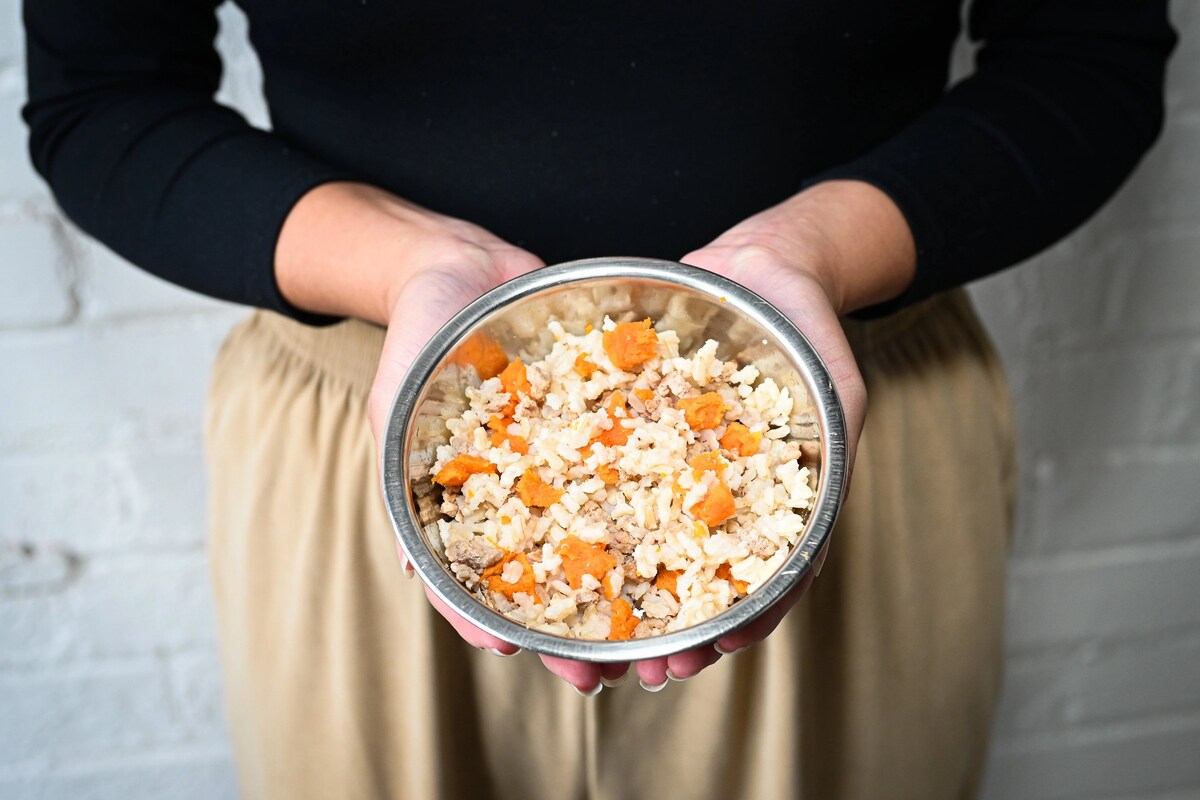
A bland diet usually includes lean meats and carbohydrates. Boiled chicken or turkey are popular meat choices. They are easy on a dog’s stomach.
For carbohydrates, use plain white rice or boiled potatoes. Both offer energy without upsetting digestion. No spices, oils, or butter should be added.
How To Prepare A Bland Diet
Start by boiling the meat until fully cooked. Remove any skin and bones. Shred the meat into small pieces.
Next, cook the rice or potatoes. Make sure they are soft and easy to chew. Combine the meat and carbohydrate in a 2:1 ratio.
Feeding Guidelines
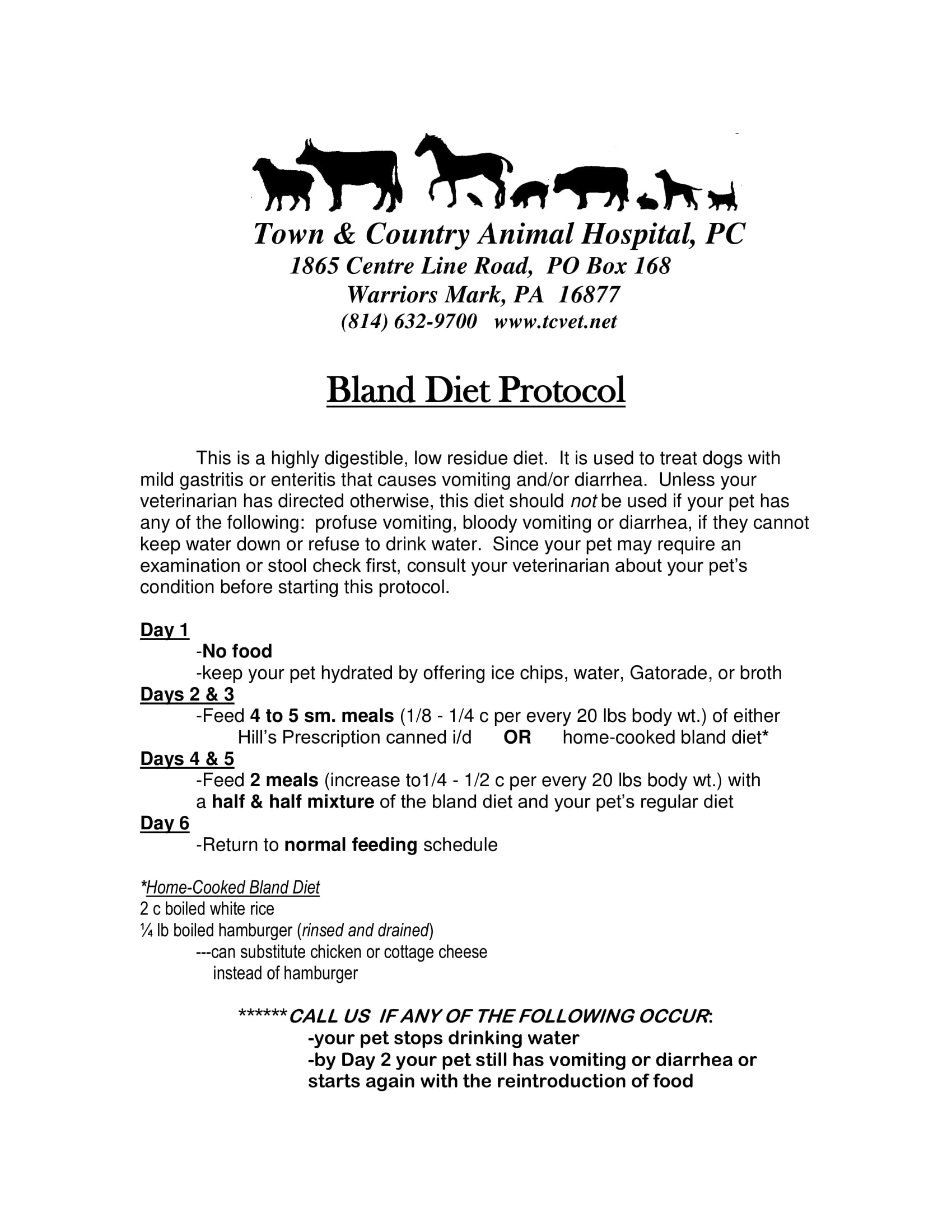
Serve small portions at regular intervals. This helps prevent further stomach upset. Gradually reintroduce regular food after symptoms improve.
Monitor your dog’s reaction to the diet. If symptoms persist, consult a veterinarian. They can provide further advice and treatment options.
Common Ingredients
Dogs sometimes need a bland diet to help their digestive system. This diet is gentle on the stomach and helps with issues like diarrhea or vomiting. Common ingredients in a bland diet for dogs are easy to digest. They provide necessary nutrients without upsetting the stomach.
Boiled Chicken
Boiled chicken is a staple in bland diets for dogs. It is lean and rich in protein, which helps maintain muscle health. Always remove the skin and bones before serving. This ensures the chicken is easy to digest and safe for your dog.
White Rice
White rice is another common ingredient. It is soft and easy on a dog’s stomach. Rice provides carbohydrates, giving your dog energy without causing stomach upset. Cook it well until soft to aid digestion.
Sweet Potatoes
Sweet potatoes are gentle and nutritious. They are rich in vitamins and fiber. Fiber aids digestion and helps with bowel movements. Peel and cook the sweet potatoes thoroughly. This ensures they are easy to digest.
Plain Pumpkin
Plain pumpkin is a great addition to a bland diet. It is high in fiber, which helps regulate digestion. Pumpkin is also low in calories. This makes it a healthy choice for dogs with stomach issues. Always use plain pumpkin without added spices.
Cottage Cheese
Cottage cheese is mild and easy to digest. It provides protein and calcium. These nutrients are essential for bone and muscle health. Use low-fat cottage cheese to avoid extra calories.
Benefits For Dogs
A bland diet for dogs consists of simple, easily digestible foods like boiled chicken and rice. It helps soothe upset stomachs and provides essential nutrients without irritating the digestive system. This gentle approach supports recovery from gastrointestinal issues, ensuring your furry friend feels better quickly.
Feeding your dog a bland diet can be incredibly beneficial, especially during times when their tummy is upset. Many dog owners have witnessed the magic of a simple bland meal calming their pet’s digestive woes. But what exactly are these benefits, and why should you consider this diet for your dog?
Improved Digestive Health
A bland diet is gentle on your dog’s stomach. It typically consists of easy-to-digest foods like boiled chicken and rice. This simplicity helps soothe inflammation and reduces the risk of further irritation.
Quick Recovery From Gastrointestinal Issues
Has your dog ever suffered from diarrhea or vomiting? A bland diet can help them recover faster. By minimizing complex foods, your dog’s digestive system gets a break, allowing it to heal more efficiently.
Reduced Risk Of Allergies
With fewer ingredients, there’s a lower chance of triggering an allergic reaction. You can monitor your dog’s response to specific foods and identify any sensitivities. This control can help prevent future health issues.
Easy Preparation And Cost-effective
Preparing a bland diet at home is both simple and budget-friendly. A straightforward meal of boiled chicken and rice doesn’t require fancy cooking skills. Plus, these ingredients are often cheaper than specialized dog foods.
Enhanced Appetite And Hydration
When your dog isn’t feeling well, encouraging them to eat can be challenging. A bland diet can tempt them back to their bowl. The moisture in these meals also helps keep them hydrated, which is crucial during recovery. Is your dog currently facing digestive issues? Consider trying a bland diet and observe the changes. It might just be the gentle solution your furry friend needs.
Credit: nativepet.com
When To Use
A bland diet for dogs is useful during digestive issues like diarrhea or vomiting. It helps soothe their stomachs. Consisting of plain foods like boiled chicken and rice, it is easy to digest and gentle on the digestive system. Always consult a vet for tailored advice.
When considering a bland diet for your dog, timing is everything. Knowing when to switch to this simple meal plan can make a significant difference in your pet’s recovery from various health issues. A bland diet isn’t meant for everyday feeding but can be a lifesaver in specific situations, helping to soothe your dog’s digestive system and bring them back to their energetic selves.
After Digestive Upsets
Has your dog recently experienced vomiting or diarrhea? A bland diet can be the gentle touch their stomach needs to heal. By temporarily replacing their regular meals with easily digestible foods, you can give their system a break and allow it to recover.
Post-surgery Care
If your dog has undergone surgery, their body needs time to get back to normal. A bland diet can support this healing process by providing nutrients without overwhelming their system. Discuss with your vet how long to maintain this diet to ensure optimal recovery.
Introducing New Foods
Trying out new foods for your furry friend? Start with a bland diet to ease the transition and monitor their reaction. This approach helps in identifying any food allergies or intolerances without causing unnecessary stress on their digestive tract.
Stressful Situations
Dogs can experience stress just like humans, leading to upset stomachs. During events like moving house or introducing a new pet, a bland diet can offer comfort. It’s a temporary fix that helps maintain their health when anxiety hits.
Old Age
As dogs age, their digestive systems can become more sensitive. A bland diet occasionally can help manage these changes without depriving them of essential nutrients. Have you noticed your senior dog struggling with their usual food? It might be time to try something gentler. Ultimately, understanding when to use a bland diet can improve your dog’s well-being significantly. Keep an eye on their behavior and health, and don’t hesitate to consult your vet for guidance. Your proactive steps can make all the difference in their recovery and happiness.
Preparing Meals
Preparing meals for a bland diet can be simple and rewarding. These meals help soothe your dog’s upset stomach and improve digestion. They typically consist of basic ingredients that are easy to digest. You can create nourishing meals for your furry friend with minimal effort.
Choosing The Right Ingredients
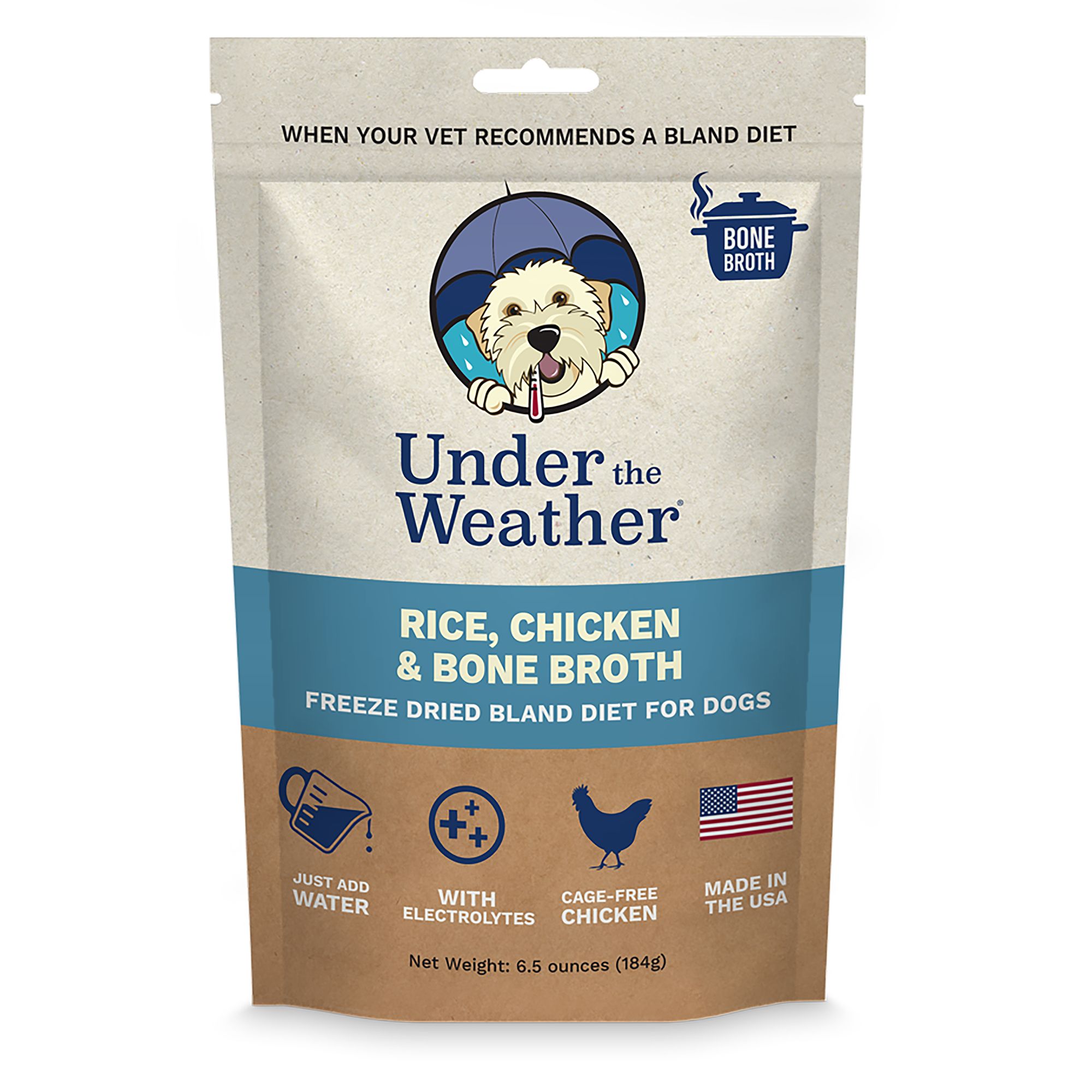
Select ingredients that are gentle on your dog’s stomach. Cooked rice and boiled chicken are ideal choices. You may also use plain boiled potatoes as an alternative. Ensure the ingredients are fresh and free from spices or additives.
Cooking Techniques
Cooking methods are crucial for a bland diet. Boil or steam ingredients to retain nutrients and ease digestion. Avoid frying or using oil. This ensures the meal remains gentle on your dog’s stomach.
Serving Size Considerations
Determine the right portion size for your dog. Smaller meals are easier to digest. Divide the daily food into several servings. This prevents overloading the digestive system.
Monitoring Your Dog’s Reaction
Observe your dog’s behavior after meals. Look for any signs of discomfort or allergies. Adjust the ingredients or portion size if needed. This helps ensure the diet is effective.
Storing Leftovers Safely
Store any leftovers in the fridge to maintain freshness. Use airtight containers to prevent contamination. Consume within two days to ensure safety and quality.
Credit: www.petsmart.com
Transitioning Back To Regular Diet
Transitioning your dog back to a regular diet after a bland diet can feel like a delicate balancing act. Your furry friend might be eager to return to their favorite kibble, but their stomach needs time to adjust. It’s essential to approach this transition with patience and care to ensure your dog’s health and happiness.
Gradual Introduction
Start by mixing a small portion of regular food with the bland diet. Gradually increase the amount of regular food each day. This slow introduction helps prevent any digestive upset.
Monitor Your Dog’s Reaction
Keep an eye on your dog’s behavior and stool during this transition. A sudden change in diet can lead to vomiting or diarrhea. If you notice any adverse reactions, revert back to the bland diet temporarily.
Consistency Is Key
Stick to feeding schedules and portion sizes during this period. Consistent feeding times help your dog’s digestive system adapt smoothly. A predictable routine can also ease anxiety your dog might feel about dietary changes.
Adjust Portions Based On Energy Levels
Observe your dog’s energy and activity levels. If your dog seems lethargic, consider adjusting food portions or trying a different type of food. Every dog is unique, so tailor the diet to meet their specific needs.
Consult Your Veterinarian
If you’re unsure about the transition or your dog has specific health issues, consult your vet. They can provide tailored advice based on your dog’s health history. A professional opinion can offer peace of mind during this transition.
As you guide your dog back to their regular diet, think about their overall health and happiness. Are they more energetic and playful? Ensuring a smooth transition can pave the way for a stronger bond between you and your furry friend.
Consulting A Veterinarian
A bland diet for dogs includes simple, easy-to-digest foods like boiled chicken and rice. This diet helps soothe upset stomachs and digestive issues. Always consult a veterinarian before starting to ensure it meets your dog’s specific needs.
When your dog isn’t feeling well, you might think about a bland diet to help settle their stomach. But how do you know if this is the right choice? That’s where consulting a veterinarian comes into play. Engaging with a professional not only provides peace of mind but also ensures your furry friend receives the best care tailored to their specific needs. Before making any dietary changes, it’s important to seek expert advice.
Why Consult A Veterinarian?
Veterinarians have extensive training in animal health. They understand the complexities of a dog’s digestive system. A professional can assess whether a bland diet is suitable for your dog. Dogs have different health histories. Some may have allergies or chronic conditions. A vet can determine if a bland diet might conflict with these issues.
What To Ask Your Veterinarian
Prepare a list of questions. This can help ensure a productive conversation. Ask about portion sizes and duration of the diet. Inquire about any signs to watch for. Some symptoms might require immediate attention. Understanding these can prevent further health issues.
Follow-up Visits
A single consultation might not be enough. Schedule follow-up visits to track progress. This helps adjust the diet as needed. Monitoring your dog’s response is crucial. Changes in behavior or appetite can indicate underlying problems. Keep your veterinarian informed of any developments.
Personal Experience: Trusting The Experts
When my dog, Max, had stomach issues, I considered home remedies. But uncertainty lingered. Consulting our vet cleared all doubts. We discovered Max had a sensitivity to certain foods. The vet’s advice on a tailored bland diet made all the difference. Max’s recovery was swift, and I felt confident in my decision.
The Importance Of Professional Guidance
Do you feel overwhelmed by the options available? You’re not alone. Many pet owners face similar dilemmas. Trusting professional advice can ease this burden. A veterinarian’s guidance is invaluable. They offer insights and solutions you might not consider on your own.
Making The Right Choice For Your Dog
Your dog’s health is paramount. Consulting a veterinarian ensures you’re making informed decisions. Tailor their diet based on expert recommendations. Are you ready to take this proactive step? Your veterinarian is just a call away. Prioritize your pet’s well-being and seek their expertise.
Credit: www.tcvet.net
Frequently Asked Questions
What Is A Bland Diet For Dogs?
A bland diet for dogs consists of simple, easily digestible foods. It’s often recommended for dogs with digestive issues. Common ingredients include boiled chicken, rice, and pumpkin. This diet helps soothe the stomach and reduce gastrointestinal stress. Always consult a vet before starting a bland diet for your pet.
When Should I Use A Bland Diet?
Use a bland diet when your dog has mild digestive problems. These may include diarrhea, vomiting, or an upset stomach. It’s a temporary solution to help their digestive system recover. If symptoms persist, consult a veterinarian for a thorough examination and appropriate treatment.
How Long Should A Dog Be On A Bland Diet?
A dog should be on a bland diet for about 3 to 5 days. Monitor their symptoms and gradually reintroduce regular food once they improve. If issues continue, seek veterinary advice. Always ensure your dog stays hydrated and comfortable during this period.
Can I Add Supplements To A Bland Diet?
It’s best to avoid adding supplements to a bland diet without consulting a vet. The simplicity of the diet is key to aiding digestion. Unnecessary supplements could irritate the stomach further. If you feel supplements are needed, a veterinarian can provide personalized advice.
Conclusion
A bland diet can help your dog feel better. It soothes upset stomachs and aids digestion. Simple ingredients like rice and chicken work well. Always consult your vet before starting this diet. They can guide you on portion sizes and duration.
Monitor your dog’s response to the diet closely. Look for improvements in their condition. Gradually reintroduce regular food once they recover. A bland diet is temporary, not a long-term solution. Your dog’s health is important. Always prioritize their well-being with proper care.