Have you ever wondered what fuels the energy of the curious and lively coati? These adorable creatures, with their long snouts and bushy tails, have a unique diet that keeps them thriving in their natural habitats.
Understanding a coati’s diet can unlock fascinating insights into their behavior and survival strategies. As you explore this article, you’ll uncover the secrets of what coatis eat and how their diet shapes their daily lives. Get ready to discover the intricacies of the coati’s menu and learn why it matters for their health and well-being.
Dive in and satisfy your curiosity about these remarkable animals!
Coati Habitat
The coati, a curious and lively creature, thrives in diverse habitats. This adaptable mammal is often found in forests and grasslands. Understanding their habitat helps explain their diet choices. Let’s explore where coatis live and how their environment shapes their eating habits.
Regions Coatis Inhabit
Coatis primarily inhabit Central and South America. They are often seen in countries like Mexico, Brazil, and Argentina. These regions offer lush forests and dense jungles. Some coatis also live in the southwestern United States. These areas provide ample food sources for coatis. A variety of fruits, insects, and small animals are abundant. This diverse habitat supports the coati’s varied diet.
Impact Of Environment On Diet
The environment greatly influences a coati’s diet. In forests, coatis consume fruits and nuts. They also forage for insects and small mammals. Grasslands offer different options. Here, coatis eat more ground-dwelling insects and roots. Seasonal changes also affect their food choices. During the rainy season, more fruits and insects are available. In drier months, coatis rely on roots and small animals. The coati’s adaptable nature ensures survival in changing conditions.
Natural Diet Components
Coatis, curious creatures with unique dietary habits, thrive in diverse habitats. Their natural diet is rich and varied, reflecting their adaptability. From insects to fruits, each component plays a vital role in their survival.
Insects And Small Prey
Insects are a staple in the coati’s diet. They feast on beetles, ants, and termites. These protein-rich foods provide essential nutrients. Coatis also hunt small prey. Lizards and rodents are often on their menu. Their keen sense of smell aids in locating hidden snacks. This hunting skill is crucial for their survival.
Fruits And Vegetation
Fruits form another vital part of their diet. Coatis love ripe berries and tropical fruits. These provide vitamins and hydration. Vegetation is also consumed. Leaves and seeds add fiber to their meals. This plant-based diet complements their protein intake. It ensures a balanced nutrition for coatis.
Seasonal Dietary Changes
Coatis enjoy a varied diet that changes with the seasons. In warmer months, they feast on fruits, insects, and small animals. During cooler times, their diet shifts to nuts and roots, adapting to available resources. This flexibility helps coatis thrive in different environments.
Understanding the seasonal dietary changes of coatis can offer fascinating insights into how these adaptable creatures thrive in their natural habitats. Coatis, those curious and clever relatives of raccoons, experience shifts in their diet as the seasons change. These shifts are not just a matter of preference but essential adaptations to ensure survival and health throughout the year. Let’s dive into how coatis adjust their eating habits with the changing seasons.Dry Season Adaptations
During the dry season, food sources can become scarce. Coatis must become resourceful to find sustenance. They rely heavily on their keen sense of smell and sharp claws to dig for insects and grubs. These protein-rich meals are a vital part of their diet when fruits and berries are not as abundant. Coatis also consume small vertebrates like lizards and rodents. This dietary shift not only keeps them nourished but also highlights their versatility as opportunistic feeders. Have you ever thought about how animals adjust their diets to seasonal changes in your area?Wet Season Bounty
The wet season brings a burst of life and abundance. Coatis take full advantage of the plentiful resources. Fruits and berries become a staple in their diet, offering a rich source of vitamins and energy. As trees and plants flourish, coatis enjoy feasting on a variety of vegetation. Interestingly, the wet season also allows coatis to indulge in more social foraging. Groups of coatis, often seen together, forage for food and enjoy the bounty nature provides. Next time you watch wildlife, notice how their behavior changes with the seasons. What adaptations have you observed?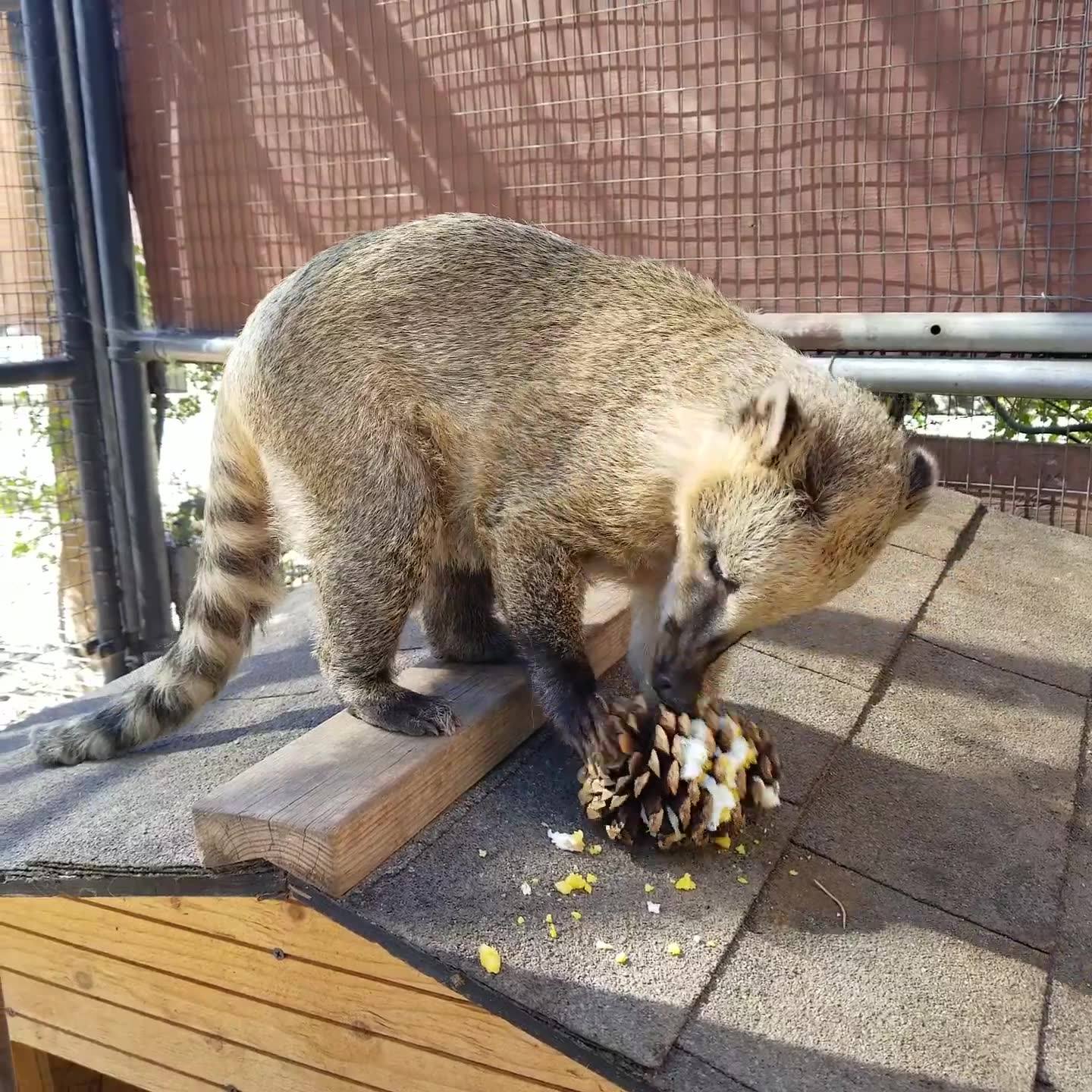
Credit: www.facebook.com
Foraging Techniques
Coatis are fascinating creatures with unique foraging techniques. These techniques help them find a diverse diet in their natural habitat. Foraging is a daily activity where coatis use their physical traits and social behaviors to gather food. Let’s explore how coatis effectively forage using their claws, snouts, and social skills.
Use Of Claws And Snout
Coatis have strong claws. These claws dig into the ground easily. They uncover hidden insects and roots. Their snout is long and flexible. It helps them sniff out food. Coatis use their snout to explore narrow spaces. This allows them to find small insects and fruits. Their claws and snout make them efficient foragers.
Social Foraging Behavior
Coatis often forage in groups. This social behavior increases their success. Group foraging helps them find more food sources. Each member plays a role in the hunt. They communicate through sounds and gestures. This coordination aids in covering more ground. Young coatis learn foraging skills from the group. It’s a community effort that benefits all.
Coati’s Role In The Ecosystem
Coatis are fascinating creatures that play a vital role in maintaining the balance of their ecosystem. These curious animals, often seen roaming forests in search of food, contribute significantly to the health of their environment. Understanding their diet is not just about knowing what they eat, but also about recognizing their impact on the ecosystem.
Seed Dispersal Importance
Coatis are natural gardeners. As they forage for fruits and seeds, they help disperse them across wide areas. This simple act ensures the growth of new plants and trees. Imagine walking through a vibrant forest, knowing that coatis have played a part in its lush beauty.
You might wonder how such small creatures can impact large ecosystems. The answer lies in their daily activities. By consuming fruits and excreting seeds, they promote plant diversity and regeneration.
Have you ever thought about the ripple effect of a single seed? The next time you see a thriving forest, remember that coatis might have had a hand in its creation.
Predator-prey Interactions
Coatis are both hunters and hunted. They prey on insects and small animals, but they must also watch out for larger predators. This dynamic keeps the food chain in balance.
Consider how coatis, by controlling insect populations, contribute to the health of the ecosystem. It’s a constant dance of survival, with coatis playing a pivotal role.
How does this interaction affect you? A healthy food chain means a balanced environment, which ultimately supports human life. Coatis are a small but crucial piece of this puzzle.
Next time you think about the ecosystem, remember the humble coati. Their daily actions contribute to a thriving environment. What steps can you take to support these vital creatures? Your actions can help sustain their role in the ecosystem.

Credit: www.flickr.com

Credit: kids.nationalgeographic.com
Frequently Asked Questions
What Do Coatis Primarily Eat?
Coatis primarily eat fruits, insects, and small animals. They are omnivores, which means their diet is diverse. They forage on the ground and in trees. Their diet can vary based on the availability of food. Coatis have a keen sense of smell, helping them locate food.
Are Coatis Herbivores Or Omnivores?
Coatis are omnivores. They consume a wide range of foods, including fruits, insects, and small animals. This flexible diet helps them adapt to different environments. Their foraging behavior allows them to exploit various food sources. Coatis’ omnivorous nature supports their survival in diverse habitats.
How Do Coatis Find Their Food?
Coatis use their strong sense of smell to locate food. They forage both on the ground and in trees. Their long snouts help them dig for insects and small prey. Coatis often travel in groups, which aids in finding and securing food.
Their social structure supports successful foraging.
Do Coatis Eat Meat?
Yes, coatis do eat meat. Their diet includes small animals and insects. They are opportunistic feeders, taking advantage of available food sources. Coatis may hunt small vertebrates or scavenge carcasses. Their meat consumption is a part of their omnivorous diet.
Conclusion
A coati’s diet is diverse and adaptable. These curious creatures enjoy fruits, insects, and small animals. Their diet varies with seasons and habitat. Coatis forage in groups, which helps them find food. This social behavior supports their survival in the wild.
Understanding their diet highlights the balance in nature. It also shows the importance of biodiversity. By learning about coatis, we gain insight into their ecosystem. This knowledge can help preserve their natural habitats. So, next time you think of coatis, remember their unique eating habits.
They play a vital role in their environment.