Imagine biting into a slice of homemade bread that’s not only delicious but also packed with nutrients. You’ve probably heard of nutritional yeast, the secret ingredient that’s gaining popularity among health enthusiasts and food lovers alike.
What if you could use it to elevate your bread-making game? You’re in the right place to discover how this powerhouse ingredient can transform your bread into a flavorful and nutritious delight. Whether you’re an experienced baker or just starting out, using nutritional yeast can unlock a new world of taste and health benefits for you.
Keep reading to learn how to incorporate this versatile ingredient into your bread recipes, and enjoy the satisfaction of making bread that’s both nourishing and tasty.
Nutritional Yeast Basics
Nutritional yeast is a versatile ingredient. It adds flavor and nutrition to bread. This section explores its basics. Discover what it is, its health perks, and cooking uses.
What Is Nutritional Yeast?
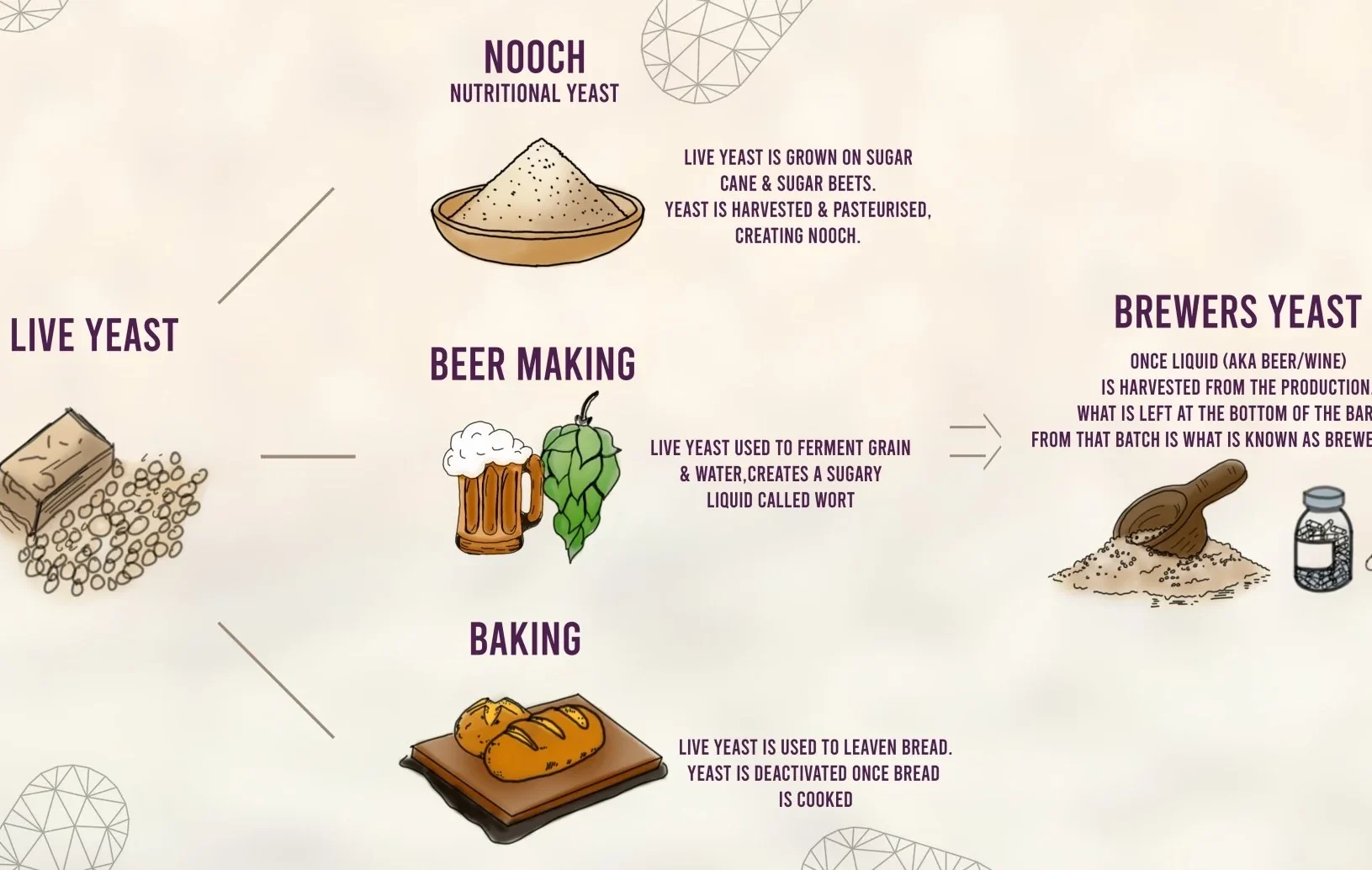
Nutritional yeast is a deactivated yeast. It is often grown on molasses. It comes in flakes or powder form. People use it for its cheesy flavor. It is a popular choice among vegans. Many people enjoy its nutty taste.
Health Benefits Of Nutritional Yeast
Nutritional yeast is rich in vitamins. It provides B-complex vitamins. It is a good source of protein. It contains minerals like zinc. It helps boost energy levels. It may support immune function. It is low in calories and fat.
Common Uses In Cooking
Nutritional yeast is a seasoning. It enhances the flavor of dishes. Many sprinkle it on popcorn. It is used in pasta sauces. It is added to soups and stews. It is a key ingredient in vegan cheese recipes. It works well in bread-making. Try using it for a savory twist.
Choosing The Right Nutritional Yeast
Nutritional yeast adds a cheesy flavor to bread. Choose a reputable brand for quality. Use it in dough for a tasty twist.
Choosing the right nutritional yeast is essential for making delicious bread. This ingredient can elevate your bread with a unique, cheesy flavor without using dairy. But with so many options available, how do you decide which one to use?Types Of Nutritional Yeast
Nutritional yeast comes in two main forms: flakes and powder. Both provide the same taste but differ in texture. Flakes are great if you want a slightly coarse texture, while powder blends seamlessly into dough. Fortified and unfortified are other categories to consider. Fortified nutritional yeast includes added vitamins and minerals, which can be a great choice if you’re looking to boost nutritional value. Unfortified is purely the yeast itself, without additional nutrients.Where To Buy
You can find nutritional yeast in most grocery stores, typically in the health food aisle. Look for brands that have a good reputation for quality and flavor. Online stores offer a wider range of options. You can read reviews to find a brand that others love for baking. I once found an amazing deal online for a bulk package, saving money and ensuring I always had some on hand.Storage Tips
Storing your nutritional yeast properly is crucial to maintain its flavor and freshness. Keep it in an airtight container to protect it from moisture. Store it in a cool, dark place. If stored correctly, nutritional yeast can last up to two years. Do you have a favorite jar or container you use for storage? Share your tips in the comments! Choosing the right nutritional yeast is a simple step that can transform your homemade bread. What type will you try next?Preparing To Bake
Preparing to bake bread with nutritional yeast involves some essential steps. This process ensures your bread rises perfectly and tastes delicious. You’ll need to gather specific ingredients and arrange your baking space.
Necessary Ingredients And Tools
Nutritional yeast is the star ingredient. It adds a cheesy flavor to the bread. You’ll also need flour, water, salt, and sugar. These basic ingredients combine to create a tasty dough. Make sure you have a mixing bowl. A measuring cup and spoon are essential. You will also need a baking sheet. Finally, a clean towel is useful to cover your dough.
Setting Up Your Baking Environment
Choose a clean, spacious area in your kitchen. Make sure it’s well-lit for better visibility. Ensure your countertop is free from clutter. This gives you ample space to work. Preheat your oven to the required temperature. This helps your bread to bake evenly. Keep your ingredients within reach. It speeds up the mixing process. Arrange your tools neatly nearby. This keeps your workspace organized. Finally, check your oven’s rack position. Proper placement ensures even baking.

Credit: www.loveandlemons.com
Incorporating Nutritional Yeast
Nutritional yeast adds a savory flavor to bread recipes. It’s a versatile ingredient. Many bakers use it to enhance their bread’s taste. This ingredient also offers a boost of nutrients. It contains B-vitamins, protein, and fiber. Incorporating nutritional yeast into bread is easy. Follow these simple steps. Enjoy delicious, wholesome bread.
Measuring The Right Amount
Start by measuring nutritional yeast correctly. Use a tablespoon for accuracy. Typically, two to three tablespoons suffice. Adjust amounts based on preference. Too much can overpower the flavor. Too little may go unnoticed. It’s important to find the right balance.
Mixing Techniques
Add nutritional yeast to the dry ingredients. Mix it with flour, salt, and sugar. This ensures even distribution. Stir well to blend the ingredients. Use a whisk or a fork. A stand mixer works well too. Make sure no clumps remain. The yeast should integrate smoothly.
Flavor Enhancements
Nutritional yeast offers a cheesy taste. It complements other flavors in bread. Add herbs like rosemary or thyme. Garlic powder pairs well too. For a sweeter note, add honey. Experiment to find your favorite combination. Each addition creates unique flavors.
Baking The Bread
Enhance your bread with nutritional yeast for a unique flavor and added health benefits. Sprinkle yeast into your dough to boost protein and vitamins, while creating a delightful taste. Perfect for those seeking a nutritious twist on traditional bread recipes.
Baking bread with nutritional yeast is a delightful way to enhance flavor and boost nutrition. Imagine the aroma wafting through your kitchen and the warm, satisfying taste of freshly baked bread. Nutritional yeast, known for its cheesy and nutty flavor, adds a unique twist to your bread-making adventure. This section will guide you through kneading, rising, shaping, proofing, and baking the perfect loaf.Kneading And Rising
Kneading is more than just mixing ingredients; it’s about developing the dough’s texture. Use your hands to stretch and fold the dough, integrating nutritional yeast evenly. This process builds gluten, giving your bread structure and chewiness. Let the dough rise in a warm place. This is when the yeast works its magic, creating air pockets that will make your bread light and airy. Cover the bowl with a damp cloth to keep moisture in and prevent the dough from drying out.Shaping And Proofing
Once your dough has risen, it’s time to shape it. Whether you prefer a rustic loaf or neatly formed rolls, handle the dough gently. Nutritional yeast will lend its flavor beautifully, so shape with care to keep those flavors intact. Proofing comes next. Allow the shaped dough to rest and rise again. This final rise is crucial for achieving a fluffy texture. You’ll know it’s ready when the dough slowly springs back after a gentle poke.Baking Time And Temperature
The moment you’ve been waiting for—baking! Preheat your oven to the right temperature; typically, 350°F to 375°F works well for most bread. Baking at the proper temperature ensures a golden crust and a soft interior. Monitor the baking time closely. Every oven is different, but a loaf usually takes about 30-40 minutes. Tap the bottom of the bread; a hollow sound indicates it’s done. This step is crucial to avoid undercooked or overly dense bread.As you bake, consider how nutritional yeast transforms your bread. It’s not just an ingredient; it’s a way to elevate your baking skills and delight your taste buds. Have you ever thought about experimenting with other flavors or ingredients? The possibilities are endless when you embrace creativity in the kitchen.

Credit: blog.fatfreevegan.com
Serving Suggestions
Enhance bread flavor by adding nutritional yeast for a cheesy taste. Mix it into dough or sprinkle on top before baking for a unique twist. Perfect for those seeking a savory and nutritious bread option.
When you bake bread using nutritional yeast, a whole new world of flavors opens up. But how do you make the most of this delicious creation? Let’s dive into some serving suggestions that will elevate your bread to the next level. Whether you’re planning a cozy family dinner or a casual gathering with friends, these ideas will ensure your bread is the star of the table.Pairing With Spreads And Dips
Nutritional yeast bread has a savory, cheesy flavor that pairs well with a variety of spreads and dips. Try it with a creamy hummus or a tangy tzatziki. If you’re feeling adventurous, spread on some roasted red pepper dip for a burst of color and flavor. Have you ever tried nutritional yeast bread with avocado spread? The creamy texture of avocado complements the bread beautifully, creating a wholesome snack.Creative Toppings
Consider adding toppings to your nutritional yeast bread for extra flavor. A sprinkle of fresh herbs like basil or rosemary can enhance the bread’s natural taste. Or, go sweet and add a drizzle of honey or a light layer of jam to your slice. The contrast between the sweet topping and the savory bread can be a delightful surprise. Think about what you have in your pantry. A handful of nuts or seeds can add a satisfying crunch and an extra dose of nutrients.Storing Leftover Bread
If you find yourself with leftover bread, storing it properly ensures it stays fresh and delicious. Wrap the bread in a clean kitchen towel or place it in a bread box to keep it from drying out. Avoid storing bread in the refrigerator, as this can make it go stale faster. Instead, if you want to keep it for longer, freeze it in an airtight bag. When you want to enjoy your bread again, simply thaw it at room temperature or give it a quick refresh in the oven for that freshly-baked feel. By following these serving suggestions, you can transform your nutritional yeast bread into an unforgettable culinary experience. What creative ways will you come up with to enjoy your savory creation?Troubleshooting Common Issues
Using nutritional yeast in bread can sometimes lead to challenges. Don’t worry, though. These common issues are easy to fix. The key is understanding what might go wrong. Let’s explore some frequent problems and their solutions.
Dense Or Heavy Bread
Bread can turn out dense when dough doesn’t rise well. Nutritional yeast needs proper moisture. Make sure to add enough water or milk. Too little liquid can make the dough heavy. Also, check the yeast’s freshness. Old yeast loses its power. Use fresh yeast for the best results. Kneading is important too. Knead the dough until smooth. This helps the bread rise better.
Unpleasant Flavor
Sometimes, bread might taste too strong. Nutritional yeast has a unique flavor. Use it in the right amount. Too much can overpower your bread. Start with a small amount. You can always add more later. Balance the yeast with other flavors. Herbs or spices can help. They blend well with nutritional yeast.
Crumbly Texture
Bread should be soft and hold together. A crumbly texture means something’s off. This can happen if the dough is too dry. Adjust the liquid content in the recipe. Add a bit more water if needed. Fat also helps. Use butter or oil for a smoother texture. Mix the ingredients well. Poor mixing can lead to uneven dough.
Credit: www.bobsredmill.com
Experimenting With Flavors
Nutritional yeast is a fantastic way to add a depth of flavor and a nutritional punch to your homemade bread. While its cheesy, nutty profile is often celebrated, experimenting with flavors can elevate your bread-making game to new heights. By mixing in herbs, spices, cheese, nuts, or even sweet elements, you can create a variety of bread that caters to your taste preferences and surprises your palate. Ready to spice up your bread-making routine?
Adding Herbs And Spices
Consider how different herbs and spices can transform your bread. Adding rosemary or thyme can give your loaf an aromatic, earthy quality. You might try experimenting with garlic powder or onion flakes for a savory twist. Don’t shy away from spices like cumin or paprika to add warmth and complexity. Your bread can become a canvas for flavor experimentation. What unique combination will you try next?
Incorporating Cheese Or Nuts
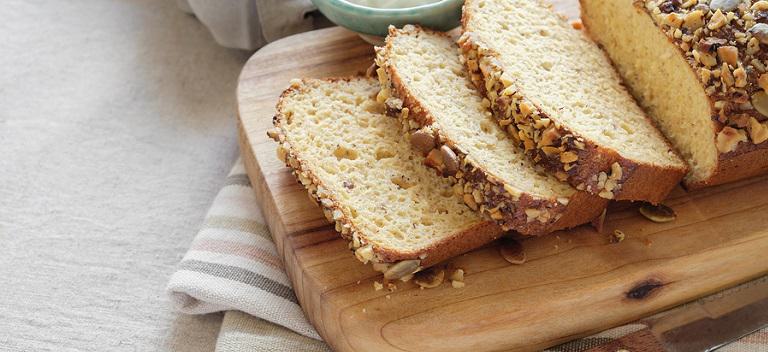
Cheese and nuts can add delightful textures and flavors to your bread. Imagine the creamy richness of cheddar or the sharpness of Parmesan melting into your dough. Add chopped walnuts or almonds for a satisfying crunch. You could even mix in seeds like sunflower or pumpkin for an extra layer of texture. These ingredients can make each bite a unique experience. Which will you choose to enhance your next loaf?
Sweet Variations
Why not add a touch of sweetness to your bread? Nutritional yeast pairs surprisingly well with sweet flavors. Try adding raisins or dried cranberries for a fruity hint. Consider incorporating cinnamon or nutmeg for warmth and depth. You could even mix in a bit of honey or maple syrup for a subtle sweetness. Sweet variations can make your bread an unexpected treat. How will you surprise your taste buds today?
Frequently Asked Questions
Can I Make Bread With Nutritional Yeast?
Nutritional yeast cannot replace active yeast in bread making. It lacks the leavening properties needed for dough to rise. Use nutritional yeast for flavor enhancement instead. It adds a cheesy, nutty taste to bread but won’t make it rise.
Is There Any Downside To Nutritional Yeast?
Nutritional yeast can cause digestive discomfort in some people. It might trigger migraines due to tyramine content. High purine levels may affect those with gout. Some individuals experience allergic reactions. Always consult a healthcare provider before adding it to your diet, especially if you have specific health concerns.
What Is The Best Way To Use Nutritional Yeast?
Sprinkle nutritional yeast on popcorn or pasta for a cheesy flavor. Add it to soups, salads, or smoothies. Use it as a seasoning in vegan dishes or as a cheese substitute in sauces. It’s versatile, enhancing flavor while providing a nutritional boost.
Will Nutritional Yeast Make Bread Rise?
Nutritional yeast does not make bread rise. It lacks leavening properties. Use active yeast for bread rising. Nutritional yeast adds flavor and nutrients but not leavening.
Conclusion
Nutritional yeast adds flavor and nutrition to bread. It’s easy to use. Just mix it with flour and other ingredients. Your bread gains a cheesy, nutty taste. Plus, it’s rich in vitamins. Perfect for a healthy diet. Experiment with different recipes.
Find what you enjoy most. Homemade bread is satisfying. You control the ingredients. Fresh bread makes meals special. Share with family and friends. They’ll love the unique taste. Nutritional yeast is a great addition. Try it in your next baking session.
Enjoy delicious, nutritious bread today.