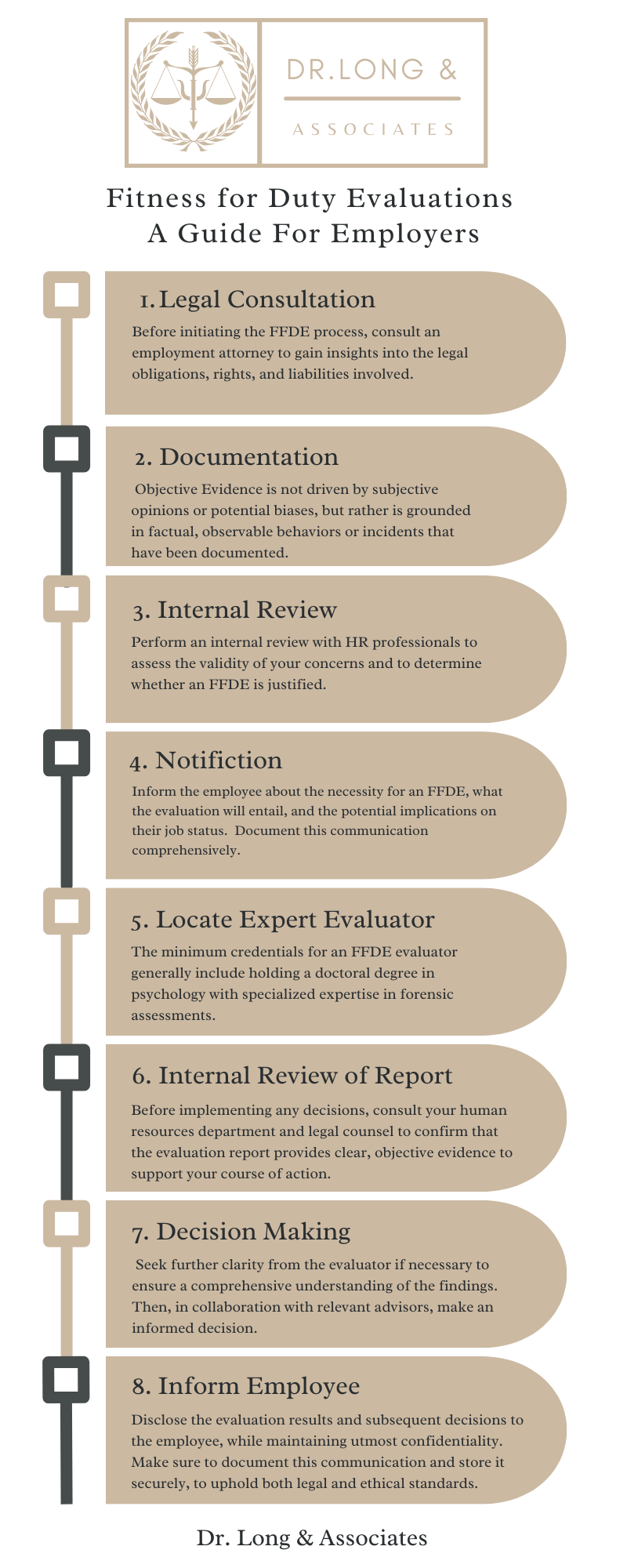
Ever found yourself wondering if you’re truly fit for your job? Fitness for duty evaluations can provide you with that clarity.
These assessments help ensure that you’re physically and mentally ready to perform your role effectively and safely. Imagine having the confidence that you’re in top shape to tackle your work challenges head-on. This assurance can boost your productivity and safeguard your well-being.
As you delve into this article, you’ll discover how fitness for duty evaluations can be a game-changer for your career and personal health. Understanding this process might be just what you need to elevate your performance and peace of mind. Curious about how it works and what it entails? Let’s explore further!
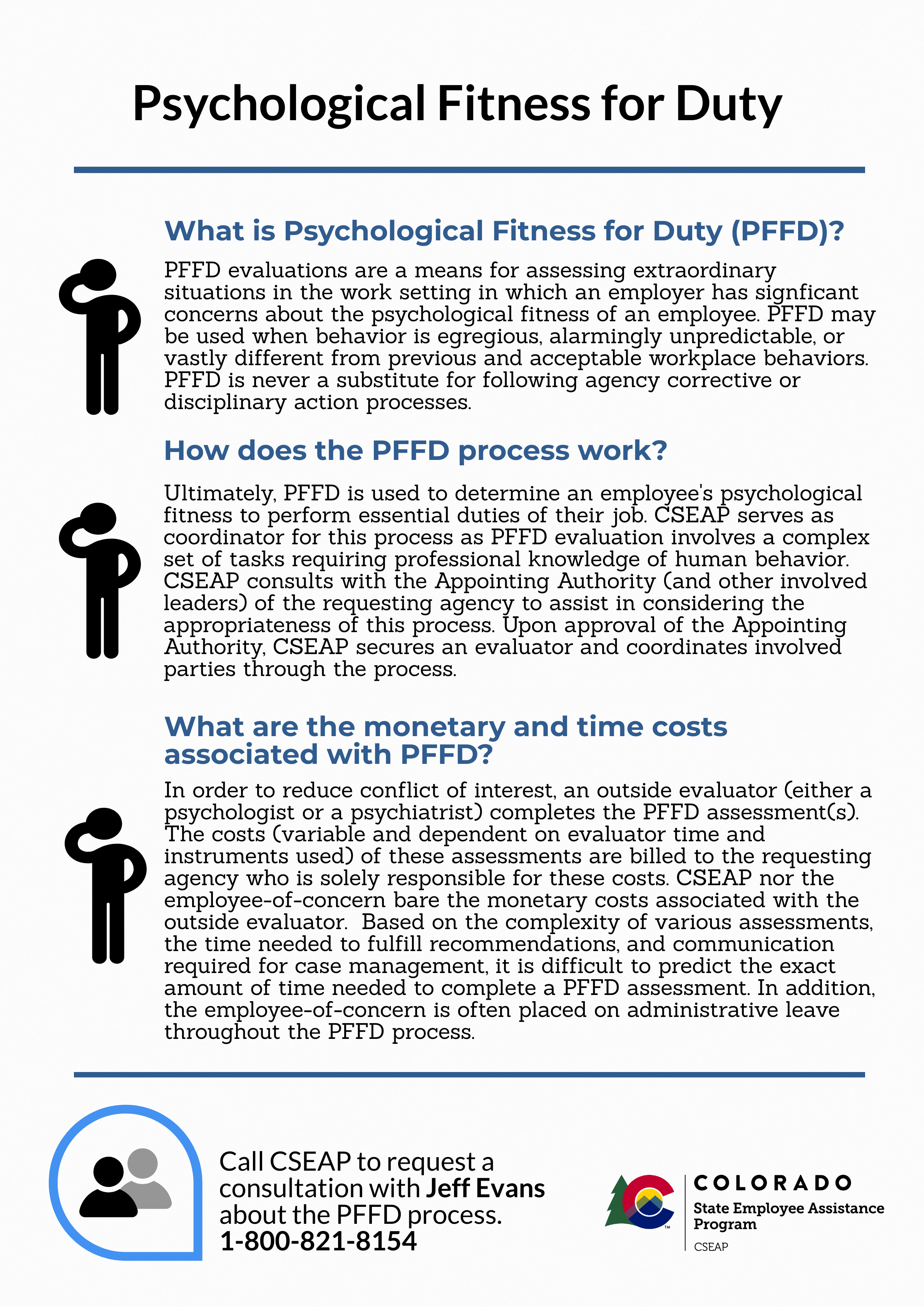
Credit: cseap.colorado.gov
Purpose Of Fitness For Duty Evaluations
Evaluating an employee’s ability to safely perform their job is crucial. Fitness for Duty Evaluations help ensure workplace safety. They assess physical and mental health, preventing accidents and maintaining productivity.
Fitness for Duty Evaluations (FFDEs) are an essential tool for ensuring that employees are capable of performing their jobs safely and effectively. These evaluations assess whether an individual is physically, mentally, and emotionally prepared to handle the demands of their role. Understanding the purpose of these evaluations can help both employers and employees foster a safer and more productive work environment.Ensuring Workplace Safety
FFDEs play a crucial role in maintaining workplace safety. They help identify any potential risks an employee might pose to themselves or others. For example, if an employee shows signs of fatigue or stress, it might affect their ability to perform tasks safely. A real-life scenario could be a construction worker operating heavy machinery. If they’re not in the right physical or mental state, it could lead to accidents. By conducting regular evaluations, companies can prevent such incidents and ensure a safer workplace for everyone.Promoting Employee Well-being
These evaluations are not just about the employer’s peace of mind. They are also about supporting you as an employee. Imagine being overwhelmed with stress and not knowing how it affects your job performance. FFDEs can highlight areas where you might need support or adjustments. This proactive approach benefits everyone, as it leads to more satisfied and healthier employees.Enhancing Productivity
When employees are fit for duty, productivity naturally increases. You might find that when you’re in good physical and mental health, you’re more focused and efficient at work. This boost in productivity can translate into better results for the company and personal satisfaction in your role. It’s a win-win situation that underscores the importance of these evaluations.Legal And Compliance Requirements
Employers also need to consider legal obligations. FFDEs help ensure compliance with various health and safety regulations. Failing to conduct these evaluations might lead to legal issues or penalties. As an employee, knowing your company values compliance can increase your trust and confidence in their commitment to a safe work environment.Fostering Open Communication
FFDEs encourage open dialogues between you and your employer. These evaluations can be a great opportunity to discuss any concerns or needs you might have. Do you feel overwhelmed with your current workload? Is there a specific area where you need additional training or resources? Use this time to voice your thoughts and work collaboratively towards solutions. Understanding the purpose behind Fitness for Duty Evaluations can transform how you view them. They are not just a formality but a valuable tool for enhancing safety, well-being, and productivity. Next time you’re scheduled for an evaluation, consider it an opportunity to ensure that you’re at your best, both for yourself and your workplace. How do you think your work environment could benefit from regular FFDEs?Components Of Evaluations
Fitness for Duty Evaluations assess an employee’s ability to safely perform job tasks. Key components include medical evaluations, psychological assessments, and workplace observations. These elements ensure that employees can work without risking their health or safety.
Fitness for Duty Evaluations are comprehensive assessments designed to determine an employee’s capacity to perform their job safely and effectively. These evaluations are crucial in maintaining workplace safety and productivity. They typically consist of several components that provide a holistic view of an individual’s ability to fulfill their role. Understanding these components can help you appreciate the thoroughness and value of the evaluation process.Physical Assessment
The physical assessment is often the first step in a Fitness for Duty Evaluation. It examines your physical capabilities and limitations. This might involve testing strength, flexibility, and endurance. Imagine having a desk job but experiencing chronic back pain. A physical assessment can identify this issue and suggest ergonomic changes to improve your comfort. Are you aware of how your physical health impacts your daily work performance?Mental Health Assessment
Mental health is just as important as physical health in determining fitness for duty. Evaluators assess your cognitive function, emotional stability, and stress management skills. Consider a time when stress affected your concentration at work. A mental health assessment can highlight these challenges and recommend coping strategies or professional support. How do you currently manage stress at work?Job-specific Requirements
Every job has unique demands, and the evaluation considers these specific requirements. This component ensures that you meet the essential functions of your role. For instance, a firefighter needs to carry heavy equipment and respond quickly in emergencies. The evaluation would verify if they can meet these demands safely. Is your current role aligned with your abilities and strengths? Fitness for Duty Evaluations are not just about identifying issues. They are an opportunity to optimize your work performance and well-being. By understanding these components, you can take proactive steps to maintain or enhance your fitness for duty.Legal And Ethical Considerations
Fitness for Duty Evaluations ensure employees can safely perform job duties. Legal guidelines protect privacy and fairness. Ethical considerations maintain respect and dignity for all involved. These evaluations balance workplace safety with individual rights.
Legal and Ethical Considerations Navigating the realm of Fitness for Duty Evaluations is like walking a tightrope of legal and ethical obligations. These evaluations are crucial for ensuring that employees are fit to perform their job responsibilities. But they also demand a careful balance between the rights of the individual and the needs of the employer. Understanding the legal and ethical aspects is vital for both parties involved. Every step of the evaluation process must be handled with sensitivity and precision. Missteps can lead to legal battles or breaches of trust. So, how do you maintain this delicate balance?Privacy And Confidentiality
Your privacy is paramount during Fitness for Duty Evaluations. Employers must handle your personal health information with the utmost care. This data should be shared only with authorized personnel who need it for legitimate purposes. Have you ever wondered who gets to see your evaluation results? Only those who need to know should have access, such as HR professionals or your direct supervisor. Breaching confidentiality can lead to a loss of trust and potential legal repercussions for employers. Employers are responsible for ensuring that any health information is stored securely. They must follow strict protocols to prevent unauthorized access. This protects your privacy and builds a foundation of trust.Compliance With Employment Laws
Fitness for Duty Evaluations must align with employment laws. These laws protect your rights as an employee. Employers must ensure evaluations are fair, non-discriminatory, and based on job requirements. Are you aware of how these laws affect you? They safeguard you from being unfairly singled out or discriminated against based on health conditions unrelated to job performance. Employers must justify evaluations with clear, job-related reasons. It’s also crucial for evaluations to comply with the Americans with Disabilities Act (ADA). This means reasonable accommodations should be considered. Employers must engage in an interactive process with you to identify potential accommodations without undue hardship. Engaging with these legal and ethical considerations ensures a fair and respectful evaluation process. Whether you’re an employer or an employee, understanding these factors can help create a more transparent and equitable work environment.
Credit: verdugopsych.com
Benefits For Employers And Employees
Fitness for Duty Evaluations help ensure a safe and productive workplace. They identify an employee’s capability to perform job tasks effectively. This process benefits employers by reducing accidents and improving overall efficiency. Employees gain peace of mind, knowing their health and safety are prioritized.
In the ever-evolving landscape of workplace dynamics, Fitness for Duty Evaluations (FFDEs) play a pivotal role in bridging the gap between employer expectations and employee well-being. These assessments offer numerous benefits for both parties, ensuring a harmonious and productive work environment. By focusing on key areas such as safety, liability, and employee health, FFDEs pave the way for a balanced and thriving workplace.Enhancing Workplace Safety
A safe workplace is a productive workplace. FFDEs help employers identify potential risks by assessing whether employees can safely perform their job duties. This proactive approach reduces accidents, ensuring that everyone goes home safe at the end of the day. Imagine a construction site where an employee isn’t fit for duty. The risks to themselves and others could be significant. FFDEs ensure that every team member is capable and prepared, reducing the likelihood of mishaps.Reducing Liability Risks
Employers face various liability risks if employees are unfit for their roles. FFDEs help minimize these risks by ensuring employees are physically and mentally able to meet job requirements. This foresight can save companies from costly legal battles and insurance claims. Consider the financial and reputational damage of an avoidable workplace incident. By investing in FFDEs, businesses shield themselves from such risks and demonstrate a commitment to safety and responsibility.Supporting Employee Well-being
FFDEs aren’t just about protecting the company; they also support the well-being of employees. They ensure that workers are in the right condition to perform their tasks, promoting health and satisfaction. Employees who feel cared for are more likely to be engaged and loyal. Picture an employee struggling with job demands due to health issues. An FFDE can identify this, allowing for adjustments or support that benefits both the employee and the company. Are you considering how these evaluations could positively impact your workplace culture? FFDEs offer a win-win situation. They enhance safety, mitigate risks, and support employee health, creating a thriving workplace for all. Is your company leveraging the full potential of Fitness for Duty Evaluations?Challenges In Implementation
Fitness for Duty Evaluations (FFDEs) are essential in ensuring workplace safety. They assess if an employee can perform their duties without risk. Implementing FFDEs can pose significant challenges. Employers must navigate complex regulations and ethical considerations. The process requires careful planning and execution.
Balancing Fairness And Safety
Ensuring a fair evaluation process is crucial. Employees must feel respected and valued. Evaluations should be unbiased and transparent. Safety cannot be compromised, though. Employers must balance these priorities carefully. Clear guidelines and objective criteria help maintain fairness.
Overcoming Stigmatization
Stigmatization is a significant concern. Employees might fear judgment or discrimination. This fear can deter them from participating willingly. Creating a supportive environment is essential. Open communication and education can reduce stigma. Employees should understand the purpose and benefits of FFDEs.
Best Practices For Conducting Evaluations
Fitness for Duty Evaluations ensure employees can perform their work safely. Conducting these evaluations effectively requires adherence to best practices. Implementing these practices ensures fairness and accuracy. This section explores best practices for conducting evaluations.
Involving Qualified Professionals
Engage professionals with expertise in occupational health. They assess physical and mental readiness accurately. Use qualified psychologists for mental health evaluations. Their insights improve evaluation reliability. Medical professionals understand workplace demands. They can tailor evaluations to specific roles.
Regular Review And Updates
Keep evaluation processes up-to-date with industry standards. Regular reviews ensure methods remain effective. Update criteria based on evolving job requirements. This aligns evaluations with current workplace needs. Continuous improvement enhances evaluation accuracy. It also ensures compliance with legal standards.
Case Studies
Fitness for Duty Evaluations (FFDEs) are essential in ensuring that employees are physically and mentally prepared to perform their job responsibilities. By examining real-world case studies, you can gain valuable insights into how these evaluations are implemented and the challenges organizations face. This section will highlight stories of successful FFDE implementation and discuss lessons learned from overcoming difficulties.
Successful Implementation Stories
One notable example involves a transportation company that introduced FFDEs to enhance safety among its drivers. Before the evaluations, accidents were frequent due to driver fatigue and health issues. After implementing FFDEs, the company witnessed a significant reduction in accidents, boosting overall safety and employee well-being.
Another success story comes from a manufacturing firm that used FFDEs to address absenteeism. They found that a significant number of employees were taking sick leave due to stress and burnout. By tailoring fitness evaluations to identify and support these employees, the firm saw a dramatic drop in absenteeism rates.
Have you ever considered how tailored support can transform your workplace? These examples prove that strategic use of FFDEs can lead to tangible improvements in organizational performance.
Lessons Learned From Challenges
Despite the successes, some organizations face challenges when implementing FFDEs. A tech company, for instance, struggled with employee resistance. Workers felt evaluations were invasive, leading to decreased morale. To address this, the company improved communication, emphasizing the benefits for employee health and safety, which eventually eased tensions.
In another case, a healthcare facility faced logistical issues in scheduling evaluations. With a large workforce, coordinating appointments disrupted daily operations. By implementing a flexible scheduling system, the facility minimized disruptions and maintained service quality.
Have you encountered resistance or logistical challenges in your workplace? These stories show that addressing concerns and adapting strategies are crucial for successful FFDE implementation.
Future Trends In Fitness For Duty Evaluations
Fitness for Duty Evaluations are changing with time. New trends are emerging that could shape how these evaluations are conducted. Understanding these changes can help workplaces adapt and stay effective.
Technological Advancements
Technology is making evaluations faster and more precise. Digital tools allow for better tracking of employee health and performance. Wearable devices can monitor heart rate and stress levels. This data provides real-time insights into an employee’s fitness. Online platforms are also providing remote evaluations. They enable assessments without the need for physical presence. Artificial Intelligence is playing a role too. It helps analyze data and predict potential health risks. These technologies make evaluations more efficient and accessible.
Evolving Workplace Norms
Workplaces are changing their approach to fitness evaluations. Mental health is gaining more attention. Evaluations now include checks for stress and mental well-being. Flexible work environments are influencing these assessments. Remote work requires different evaluation criteria. Companies are focusing on holistic health. They consider both physical and mental aspects of employee fitness. Diversity and inclusion are also important. Evaluations are becoming more adaptable to different needs. These evolving norms are creating a more comprehensive evaluation process.

Credit: stanard.com
Frequently Asked Questions
What Does A Fitness For Duty Evaluation Consist Of?
A fitness for duty evaluation includes medical assessments, psychological testing, and reviews of work-related tasks. It determines if an employee can perform job duties safely and effectively. The evaluation considers physical, mental, and emotional health, ensuring the individual meets job requirements and maintains workplace safety.
What Is Fitness To Work Evaluation?
A fitness to work evaluation assesses an individual’s ability to perform job tasks safely and effectively. It identifies any health concerns that may impact work performance or safety. This evaluation ensures employees are fit for their roles, promoting workplace safety and productivity.
Who Typically Requests A Fitness For Duty Evaluation?
Employers, HR managers, or healthcare professionals usually request a fitness for duty evaluation. They assess an employee’s ability to safely perform job tasks. This evaluation ensures workplace safety and productivity.
What Is Fitness For Service Evaluation?
Fitness for service evaluation assesses equipment’s ability to continue operating safely and effectively. It identifies flaws, assesses risks, and determines repair needs. This process ensures compliance with industry standards and extends equipment lifespan.
Conclusion
Fitness for duty evaluations ensure workplace safety and productivity. They identify potential risks and support employee well-being. Businesses benefit by maintaining a healthy work environment. Employees feel valued and understood. These evaluations foster trust and clear communication. Employers can make informed decisions for team success.
Regular assessments help prevent accidents and promote health. Understanding the process builds confidence in its benefits. A proactive approach leads to a safer workplace. Consider fitness for duty evaluations as a tool for growth. Engage with them to support your workforce.
It’s a step towards a harmonious and efficient workplace.