Ever wondered if Pilates can help you build muscle? You’re not alone.
Many people like you are curious about the real benefits of this popular exercise routine. You might have heard that Pilates is great for flexibility and core strength, but does it really help you gain muscle? The answer may surprise you.
Imagine discovering a workout that not only tones your body but also strengthens it, without the need for heavy weights or long hours at the gym. This could be the key to achieving the balanced physique you’ve always wanted. Stay with us to uncover the truth about Pilates and muscle building, and find out if this workout is the missing piece in your fitness puzzle.
Benefits Of Pilates
Pilates helps build muscle through controlled movements and resistance exercises. This low-impact workout strengthens core muscles, improves flexibility, and enhances posture. Regular practice can lead to a leaner, more toned physique.
Pilates is much more than just a workout trend. It’s a comprehensive fitness regimen that offers numerous benefits, making it a favorite for many fitness enthusiasts. Whether you’re looking to enhance your flexibility or strengthen your core, Pilates has something for everyone. Let’s explore how Pilates can transform your body and improve your overall health.Flexibility And Balance
Pilates is excellent for improving flexibility and balance. By performing precise and controlled movements, you stretch and lengthen your muscles. This practice increases your range of motion, making everyday activities easier. Imagine reaching for something on a high shelf without straining. That’s the benefit of improved flexibility. Plus, better balance helps you avoid falls and injuries. Next time you navigate a tricky staircase, you’ll feel the difference Pilates makes.Core Strength Enhancement
Pilates is renowned for its focus on core strength. A strong core is essential for good posture and overall stability. Each Pilates exercise engages your abdominal muscles, helping you develop a solid foundation. Think about the last time you carried groceries or lifted a heavy box. A strong core supports these activities and reduces the risk of back pain. With Pilates, you build core strength that supports you in every aspect of life.Injury Prevention
Pilates plays a crucial role in injury prevention. By strengthening muscles and improving flexibility, you’re less likely to suffer from strains and sprains. Pilates exercises are low-impact, making them suitable for people of all fitness levels. Imagine running without the fear of pulling a muscle. Pilates helps condition your body, reducing the likelihood of injury. You’ll move with confidence, knowing your body is strong and resilient. Have you ever considered how Pilates might benefit your daily life? The next time you stand tall or move with ease, remember the power of Pilates. Integrating it into your routine could be the game-changer you’ve been looking for.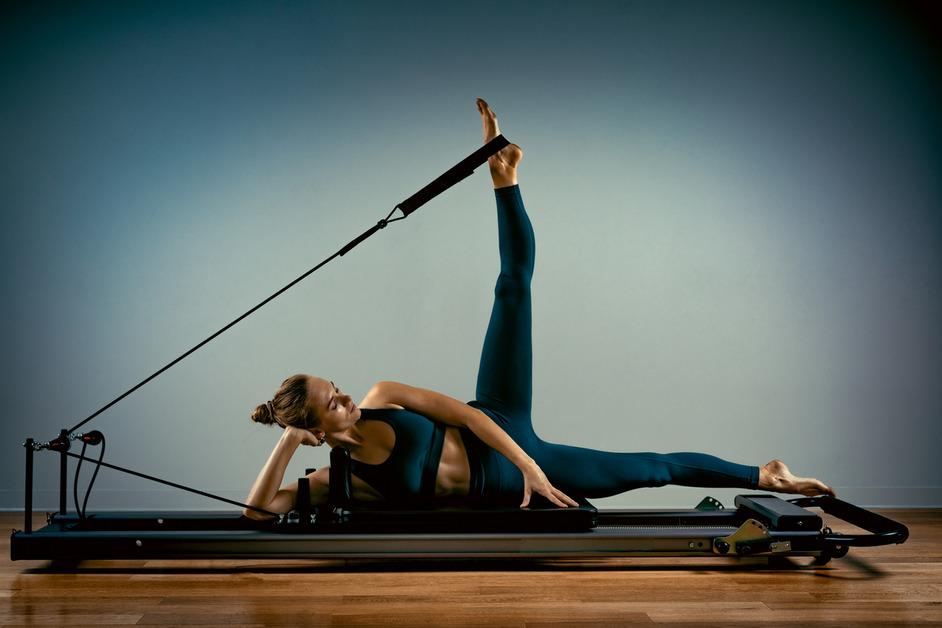
Credit: www.greenmatters.com
Muscle Building In Pilates
Muscle building is often associated with heavy weights and intense gym sessions. But did you know Pilates can also sculpt and strengthen your muscles effectively? It’s not just a series of stretches—Pilates uses resistance techniques, body weight, and equipment to build muscle strength and endurance. Let’s dive into how you can make the most of Pilates for muscle building.
Resistance Techniques
Resistance is key to muscle growth, and Pilates incorporates this in unique ways. Think of resistance bands and springs used in Pilates machines. They provide a controlled form of resistance that targets specific muscle groups. This can lead to muscle tone and definition without the bulk.
Have you ever tried a Pilates class and felt your muscles quiver under the tension? That’s resistance at work, pushing your muscles to adapt and grow stronger. It’s an efficient method to engage muscles you might overlook in traditional weightlifting.
Role Of Body Weight
Body weight exercises are foundational in Pilates. You might underestimate them, but they’re powerful tools for muscle building. Your body becomes the weight you lift, providing natural resistance and promoting muscle endurance.
Imagine holding a plank position in Pilates—your core, shoulders, and legs all engage. This comprehensive muscle activation leads to improved strength and stability. How do you feel about using your own body weight to build muscle? It’s accessible and effective!
Incorporating Equipment
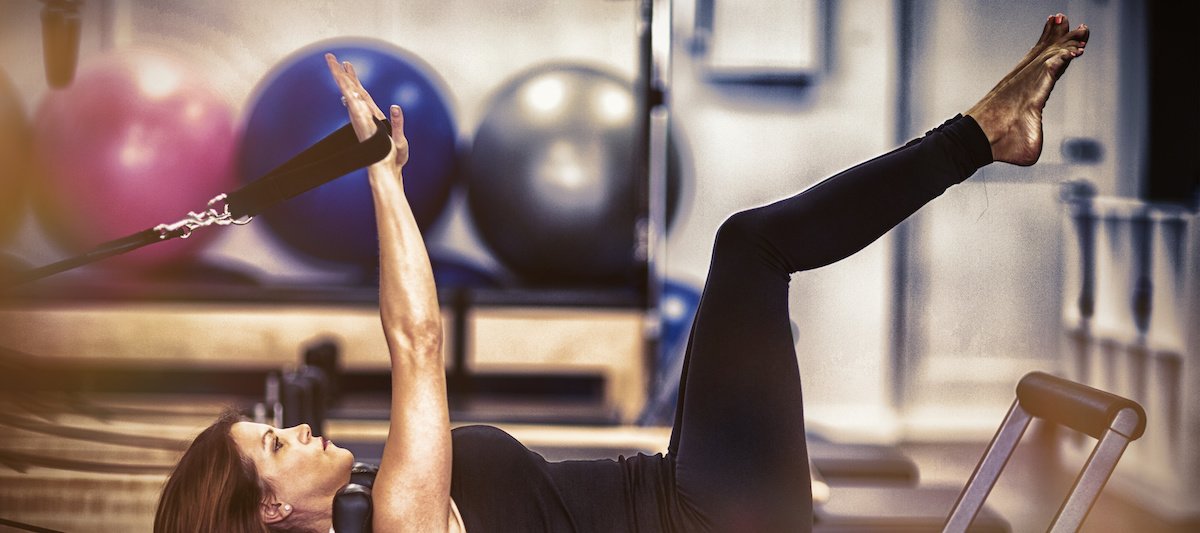
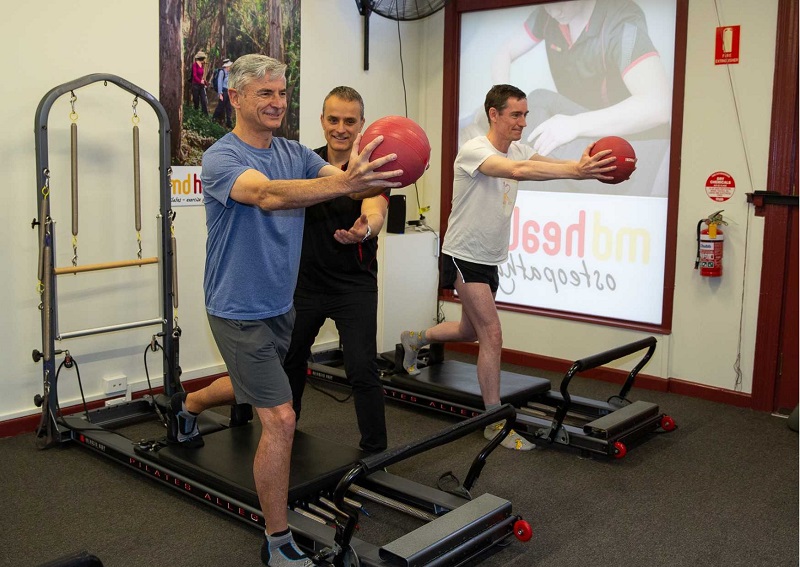
Pilates equipment, like the Reformer or Cadillac, adds an extra layer of resistance and variety. These machines offer adjustable resistance levels, allowing you to challenge your muscles progressively. The versatility of the equipment means you can tailor workouts to your needs.
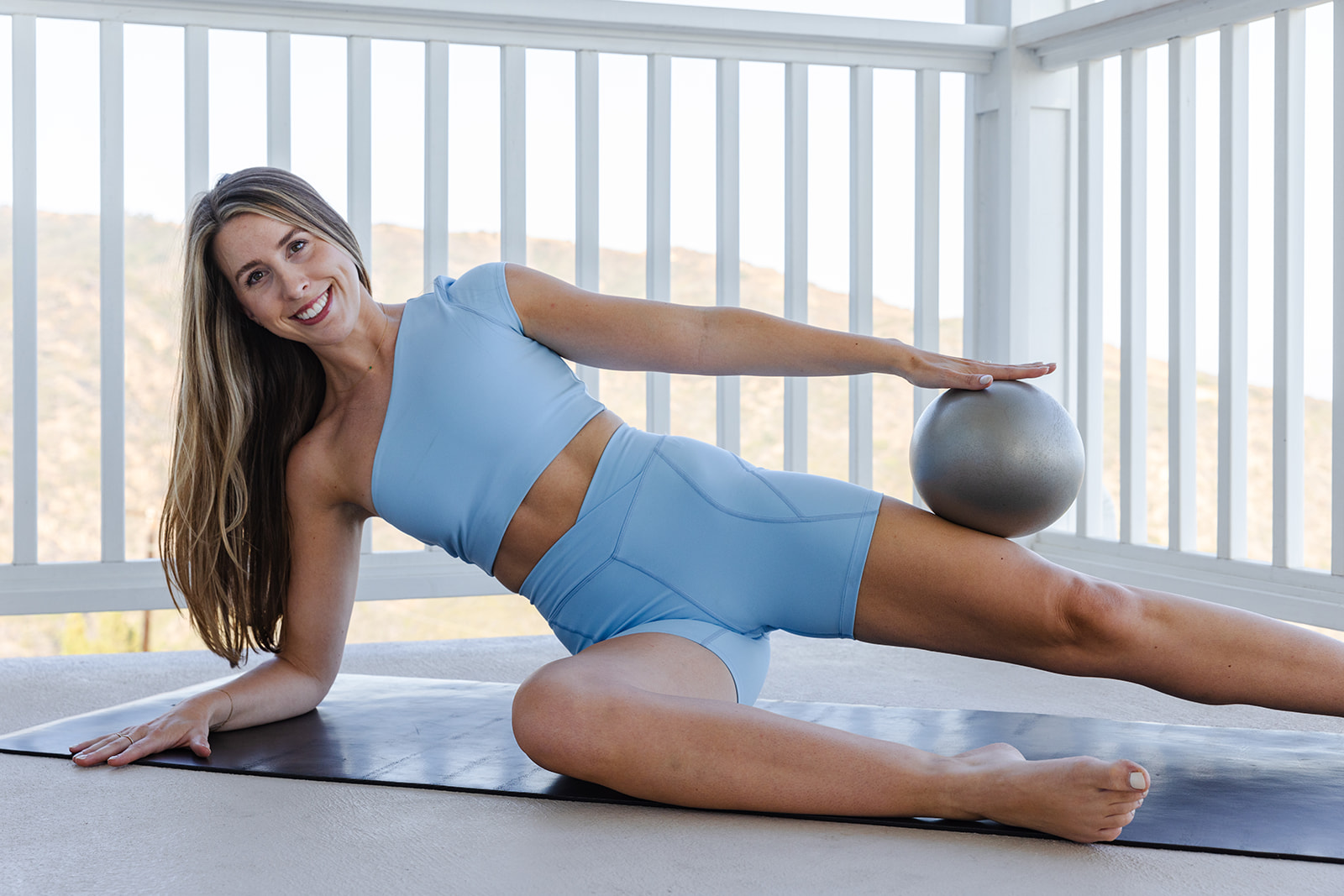
Have you ever tried a Pilates workout with a magic circle or a Pilates ball? These tools enhance the experience, focusing on muscle engagement and balance. Incorporating equipment can amplify the muscle-building effects, making your Pilates sessions more dynamic.
Are you curious about how Pilates can fit into your fitness routine? Whether you’re a beginner or a seasoned fitness enthusiast, Pilates offers a refreshing approach to muscle building. Embrace the challenge and discover the strength within you!
Pilates Vs. Traditional Strength Training
Pilates and traditional strength training both contribute to muscle building. Yet, they follow different methods to achieve this goal. Pilates focuses on controlled movements and core strength. Traditional strength training emphasizes lifting weights and building bulk. This section explores these differences to help you choose the best fit.
Comparative Analysis
Pilates promotes flexibility and endurance. It targets the core and stabilizing muscles. Traditional strength training builds muscle mass faster. It uses weights to increase muscle size and strength. Pilates is less intense but enhances muscle tone. Strength training requires more equipment and space.
Intensity Levels
Pilates workouts are low-impact. They focus on slow, precise movements. This reduces stress on joints and muscles. Traditional strength training involves high-intensity exercises. It often includes fast, heavy lifting. This increases muscle fatigue but boosts growth.
Muscle Group Focus
Pilates mainly targets the core and back muscles. It improves posture and balance. Traditional strength training works on larger muscle groups. It builds arms, legs, and chest muscles. Pilates supports lean muscle development. Strength training enhances muscle bulk and power.
Integrating Pilates For Muscle Growth
Pilates enhances muscle growth by focusing on core strength and flexibility. It employs resistance training, engaging muscles efficiently. Suitable for all fitness levels, it complements traditional weightlifting, offering a balanced approach to building muscle.
Integrating Pilates into your fitness routine can support muscle growth. Pilates focuses on core strength, flexibility, and balance. It provides a full-body workout that can enhance muscle tone. The controlled movements in Pilates target different muscle groups. This approach makes it a beneficial addition to a muscle-building regimen.Effective Workouts
Pilates offers a range of workouts that strengthen muscles effectively. Each movement requires precision and control. This engages muscles deeply and consistently. Exercises like the plank and leg lifts are staples. They work on the core, arms, and legs simultaneously. Consistent practice leads to improved muscle endurance.Progressive Overload
Progressive overload is key for muscle growth. In Pilates, this can be achieved by increasing intensity. Add more repetitions or hold poses longer. Use resistance bands or weights to enhance workouts. This gradual increase challenges muscles. It encourages growth and strength over time.Combining With Other Exercises
Pair Pilates with other exercises for best results. Strength training complements Pilates well. It targets muscles not fully engaged in Pilates. Cardio exercises boost endurance and burn calories. This combination creates a balanced fitness routine. It supports overall muscle development and health.Expert Insights On Pilates
Pilates is often associated with flexibility and core strength. But does it also build muscle? Experts have explored this question from different angles. Let’s delve into what trainers say, what research reveals, and real-life experiences.
Trainer Perspectives
Many trainers believe Pilates strengthens muscles. It focuses on controlled movements. This activates and tones muscles. Trainers emphasize its impact on core muscles. They also note improvement in posture and balance. Pilates challenges muscles in unique ways. This is why trainers often recommend it.
Research Findings
Studies have examined Pilates and muscle building. Research indicates Pilates enhances muscle endurance. It improves muscle tone without bulk. Regular practice leads to stronger muscles over time. Studies also show increased flexibility. Pilates contributes to overall body strength. It’s effective for muscle maintenance.
Case Studies
Individual experiences provide valuable insights. Many practitioners report increased muscle strength. Some share stories of improved athletic performance. Others notice changes in muscle definition. Pilates has helped people recover from injuries. These stories highlight its versatility. Pilates benefits different fitness levels.
Credit: evlofitness.com
Common Myths About Pilates
Pilates is often misunderstood. Many believe it’s only for flexibility or relaxation. These misconceptions can deter people from trying it. Some think Pilates won’t build muscle. But is that true? Let’s explore the common myths about Pilates.
Misconceptions
Many view Pilates as a gentle exercise. They assume it can’t build strength. This is a myth. Pilates can target multiple muscle groups. It strengthens the core, arms, and legs. Some people think only weights build muscles. But body resistance is powerful too. Pilates uses your body weight for resistance. It challenges muscles effectively.
Clarifying Facts
Pilates focuses on controlled movements. This enhances muscle endurance and strength. It engages deep muscle layers often ignored. This increases muscle tone and definition. Pilates exercises are versatile. They can be modified for different fitness levels. This adaptability makes it suitable for everyone. Pilates isn’t just about stretching. It’s about strength too.
Understanding Results
Regular Pilates practice can show results. It improves muscle tone and posture. Muscles become more defined over time. Consistency is key in Pilates. It builds both strength and flexibility. This balance is vital for overall fitness. Pilates also boosts core strength. A strong core supports other muscles. This leads to better overall muscle development.
Credit: mdhealth.com.au
Frequently Asked Questions
Can You Gain Muscle Mass From Pilates?
Pilates can help build muscle tone and improve strength. It focuses on core stability and flexibility. While it might not lead to significant muscle mass gains like weightlifting, it enhances lean muscle development. Regular practice improves muscle endurance and posture, contributing to overall body conditioning.
Will Pilates Change My Body Shape?
Pilates can enhance your body shape by strengthening muscles, improving posture, and increasing flexibility. Regular practice tones your body, creating a leaner appearance. It targets core muscles, supporting overall body transformation. Consistency and proper technique maximize results.
Is Pilates Effective For Muscle Growth?
Pilates can enhance muscle tone and endurance. It focuses on core strength, flexibility, and balance. While not primarily for muscle building, it complements strength training. Regular practice can improve muscle definition and posture, contributing to overall fitness.
Can Pilates Replace Weightlifting?
Pilates targets muscle endurance and flexibility but doesn’t replace weightlifting. Weightlifting is crucial for significant muscle growth. Pilates complements weightlifting by enhancing core strength and stability, aiding injury prevention and recovery. Combining both can optimize fitness results.
Conclusion
Pilates helps strengthen muscles effectively. It focuses on core strength and flexibility. Regular practice improves muscle tone and endurance. Pilates offers balanced workouts. It targets specific muscle groups gently. Unlike weightlifting, Pilates uses body resistance. This method builds lean muscle mass.
Pilates suits all fitness levels. It complements other exercise routines well. Many people enjoy its calming effects. It reduces stress while building strength. Pilates can be a great addition to your fitness journey. It enhances physical health and boosts mental well-being.
Try incorporating Pilates into your routine for noticeable results. Feel stronger, more balanced, and energetic.