Are you hitting the gym regularly and noticing the numbers on the scale creeping up? You might be wondering, “Will building muscle cause weight gain?”
It’s a common concern for many fitness enthusiasts and can be quite confusing. If you’ve ever felt torn between wanting to get stronger and the fear of gaining unwanted pounds, you’re not alone. We’ll delve into the relationship between muscle growth and weight gain, demystifying the process for you.
We’ll explore why the scale might not be the best measure of your fitness progress and how muscle can actually be your best ally. Get ready to discover how understanding this connection can empower you to achieve your fitness goals without unnecessary worry. Don’t let the numbers on the scale dictate your success – read on to find out why.
Muscle Vs. Fat
Muscle and fat differ in many ways. Understanding these differences helps in fitness goals. Many believe muscle gain leads to weight gain. This notion often confuses those on a fitness journey.
Understanding Body Composition
Body composition refers to the percentages of fat, bone, water, and muscle in the body. Muscle and fat are key components. Muscle mass increases strength and boosts metabolism. Fat stores energy and insulates the body. Balancing these elements is crucial for health.
Differences In Density And Weight
Muscle is denser than fat. This means muscle takes up less space than the same weight of fat. A pound of muscle appears smaller than a pound of fat. Therefore, gaining muscle might increase your weight. But, you may look leaner and fit.
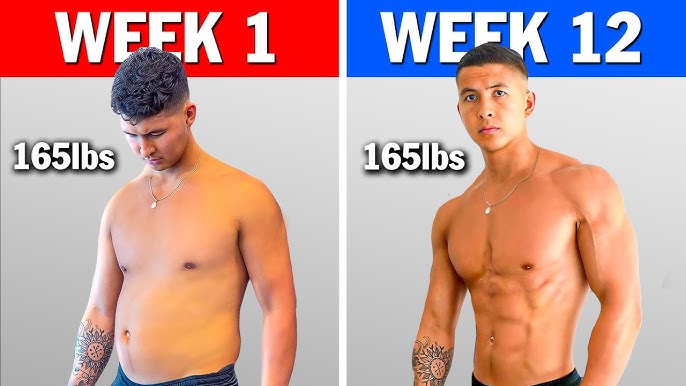
Credit: www.youtube.com
How Muscle Growth Affects Weight
Building muscle can impact your weight. Many people wonder if gaining muscle will make them heavier. The truth is, muscle growth can lead to weight gain. But it’s not a bad thing. Understanding how muscle and weight interact is important.
The Role Of Strength Training
Strength training helps build muscle. It involves lifting weights or using resistance bands. This type of exercise increases muscle mass. More muscle means more strength and energy. It’s a healthy way to improve your body.
Muscle is denser than fat. It takes up less space in the body. So, even if you gain weight, your body shape might improve. This makes strength training beneficial for overall health.
Impact On The Scale
Seeing the number on the scale rise can be confusing. It’s important to know why it happens. Muscle weighs more than fat. So, as you build muscle, your weight might increase.
This weight gain is healthy. It often means you are losing fat and gaining muscle. Your clothes might fit better. Your body might look leaner. The scale doesn’t always tell the full story.
Focus on how you feel and look. Muscle gain can improve your confidence and health. Remember, muscle helps burn more calories. This can aid in weight management long-term.
Benefits Of Building Muscle
Building muscle offers numerous advantages beyond physical appearance. It can enhance your health and improve your quality of life. From boosting metabolism to enhancing physical performance, the benefits are extensive. Let’s explore how building muscle can positively impact your body.
Metabolic Boost
Muscle tissue burns more calories than fat. This increases your resting metabolic rate. You burn more calories even when you are not active. A higher metabolism helps maintain a healthy weight. It aids in weight management and supports fat loss.
Increased muscle mass can lead to a leaner body. It helps reduce body fat percentage. This promotes a balanced and healthy physique.
Improved Physical Performance
Strong muscles enhance physical abilities. You can lift heavier objects and perform tasks with ease. Muscle strength supports better balance and coordination. This reduces the risk of injury during daily activities.
Building muscle improves endurance. You can enjoy activities for longer periods. With improved strength, you can try new sports or hobbies. This boosts confidence and enjoyment in physical activities.
Common Myths About Muscle Gain
Building muscle is often misunderstood. Many people think it automatically means gaining unwanted weight. This confusion stems from common myths about muscle gain. People often worry that their hard work at the gym will make them bulky or heavy.
Muscle Vs. Bulk Misconception
Many believe muscle gain equals bulk. But muscle and bulk are not the same. Muscle is lean and compact. Bulk often refers to extra body fat. Building muscle does not mean looking like a bodybuilder. It means gaining strength and improving health.
Strength training shapes and tones your body. It does not turn you into a hulk. Instead, it helps you burn fat more efficiently. This myth prevents many from trying strength workouts. Understanding the difference helps you make informed choices.
Weight Gain Misinterpretations
Another myth is that muscle gain leads to weight gain. Muscle is denser than fat. So, it weighs more for the same volume. You might notice a slight increase on the scale. But this is not a bad thing. It reflects healthy muscle development.
The scale can be misleading. Instead, focus on body composition. More muscle means a higher metabolism. This helps burn more calories even at rest. So, while the scale might show a higher number, your body is becoming leaner and healthier.
Monitoring Progress
Building muscle often leads to weight gain, which can confuse many. Monitoring progress is crucial. Focus on various metrics to understand this transition. It’s not just about the number on the scale. Observing changes in the body can provide deeper insights. Muscle weighs more than fat, so weight alone isn’t the best indicator.
Tracking Metrics Beyond The Scale
Numbers on the scale can fluctuate. Track other health indicators for a clear picture. Look at energy levels. Notice improvements in strength. Measure endurance. Keep a journal of workouts. Record weights lifted. Log the duration of exercises. Note how you feel after sessions. These metrics show progress beyond pounds.
Importance Of Body Measurements
Body measurements offer valuable information. Measure waist, hips, and arms regularly. Observe changes in clothing fit. Use a tape measure for accuracy. Take photos to compare over time. Visual progress can motivate. Muscle development might increase size in certain areas. This change is a positive sign of growth.
:max_bytes(150000):strip_icc()/VWH_Illustration_Common-Causes-of-Unexplained-Weight-Gain-and-Fatigue_Illustrator_Laura-Porter_Final-8903c0b91c6f43c4994bb3d6139f651c.jpg)
Credit: www.verywellhealth.com
Balancing Muscle Gain And Weight Management
Building muscle often leads to weight gain, but it’s not a bad thing. Muscle weighs more than fat. So, the scale might show higher numbers. But with the right balance, you can manage weight effectively while gaining muscle.
Understanding the balance between muscle gain and weight management is key. It involves focusing on diet and exercise routines. Both play a crucial role in achieving your fitness goals.
Dietary Considerations
A balanced diet supports muscle growth and weight management. Protein is essential. It helps repair and build muscle tissue. Include lean meats, fish, beans, and nuts in your meals.
Carbohydrates give you energy for workouts. Choose whole grains, fruits, and vegetables. They provide nutrients and keep you full longer.
Fats are also important. They support hormone production and overall health. Avocados, olive oil, and nuts are good sources.
Track your calorie intake. Eating more calories than you burn leads to weight gain. Use apps or journals to keep track. Balance is key to not gaining excess fat.
Sustainable Exercise Routines
Exercise routines should be sustainable and enjoyable. Consistency is more important than intensity. Start with three to four sessions a week.
Combine strength training with cardio. Strength training builds muscle. Cardio helps burn calories. Both improve overall fitness.
Focus on compound exercises. They work multiple muscle groups. Squats, deadlifts, and bench presses are effective choices.
Rest is crucial. Muscles need time to recover and grow. Ensure you get enough sleep and rest days.
Listen to your body. Avoid overtraining. It can lead to injuries and setbacks.
Adjust your routine as needed. Keep it challenging and enjoyable.
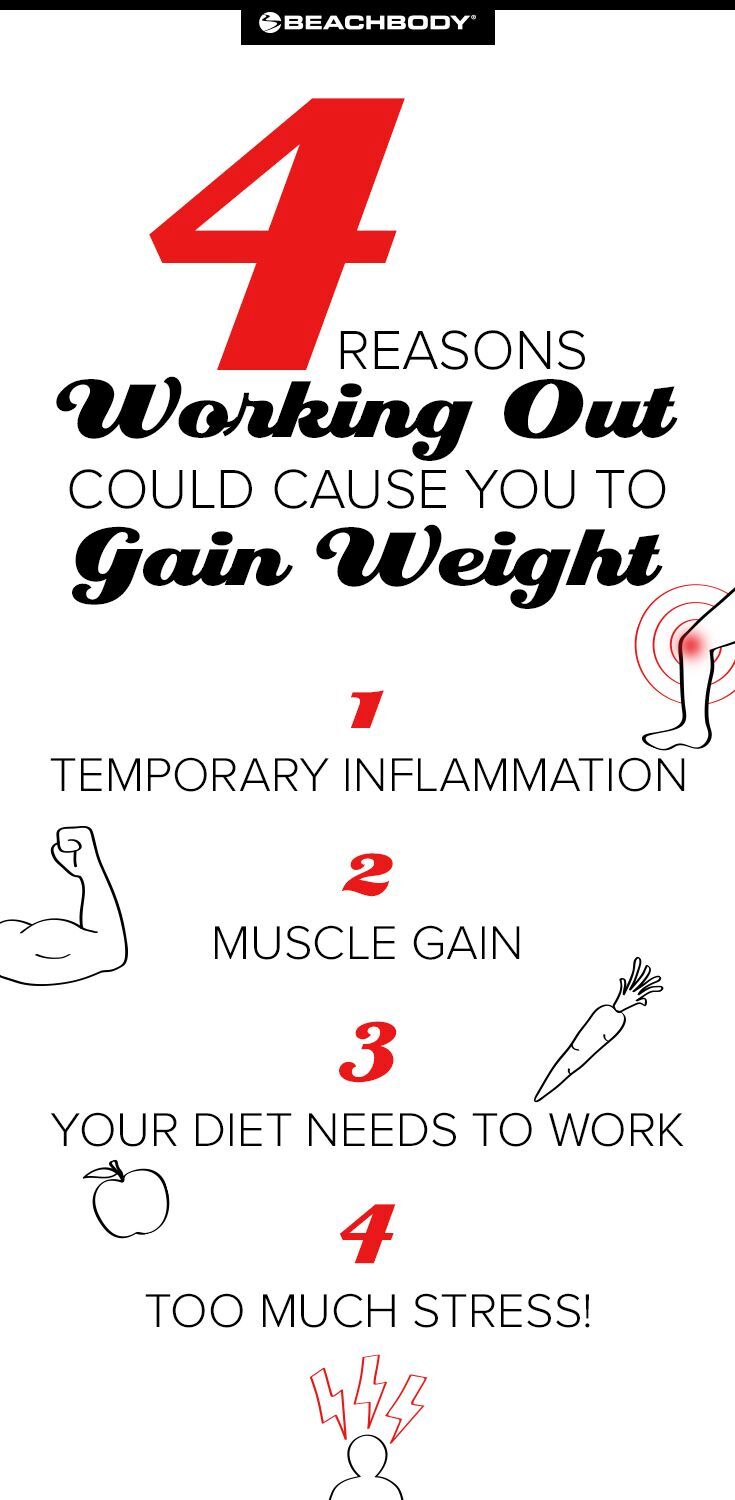
Credit: www.bodi.com
Frequently Asked Questions
Is It Normal To Gain Weight When Building Muscle?
Yes, gaining weight is normal when building muscle. Muscle weighs more than fat, leading to weight increase. Balancing diet and exercise helps manage healthy weight gain while building muscle mass. Focus on strength training and proper nutrition for optimal results.
Why Am I Gaining Weight When I’m Eating Less And Working Out?
Stress, hormonal imbalances, or lack of sleep can hinder weight loss despite eating less and exercising. Muscles weigh more than fat, possibly causing weight gain. Monitor calorie intake and adjust workout intensity for better results. Consult a health professional for personalized advice.
Do You Gain Weight If Muscles Grow?
Gaining muscle can increase weight since muscle tissue is denser than fat. Building muscle might make you heavier. However, this weight gain is healthy and often leads to a leaner appearance. Prioritize strength training and a balanced diet for muscle growth and overall fitness.
How Can I Tell If Weight Gain Is Muscle Or Fat?
Check if your body measurements and strength are increasing. Muscle gain often leads to improved muscle definition and firmness. Use body composition scales or calipers to assess fat percentage. Increased stamina and energy levels may indicate muscle gain. Consult a fitness professional for accurate assessment.
Conclusion
Building muscle can lead to weight gain. But don’t worry. It’s healthy weight. Muscle weighs more than fat. It also boosts metabolism and strength. This supports overall wellness. Focus on balanced workouts and nutrition. This helps achieve fitness goals. Remember, muscle gain doesn’t mean fat gain.
It’s a sign of progress and strength. Embrace the journey. Celebrate muscle growth. Enjoy the health benefits that come with it. Stay consistent and motivated. Your body and mind will thank you. Keep pushing forward. The results will be worth it.