Are you struggling to build muscle while following a keto diet? You’re not alone.
Many people believe that a keto diet and muscle gain don’t mix. Yet, it’s possible to achieve both, and it might be easier than you think. Imagine sculpting your ideal body while enjoying the benefits of ketosis. Excited? You should be.
This article will reveal the secrets to maximizing muscle growth without sacrificing your keto lifestyle. Keep reading to discover effective strategies, easy tips, and the science behind building muscle on a keto diet. Your path to a stronger, leaner you starts here.
Basics Of Keto Diet
Embarking on a keto diet involves understanding its fundamental principles. This diet is high in fats, moderate in proteins, and very low in carbohydrates. The keto diet aims to shift the body’s primary energy source from carbs to fats. This metabolic shift leads to a state known as ketosis. Many people have found success in achieving weight loss and muscle gain through this diet. Let’s dive deeper into the basics of the keto diet.
Principles Of Ketosis
Ketosis is a metabolic state where the body burns fat for energy. It happens when carb intake is drastically reduced. The liver converts fat into ketones, which fuel the body. This process helps in maintaining energy levels. Ketosis also aids in appetite control and enhances mental clarity. Achieving ketosis requires strict adherence to the diet’s guidelines.
Macronutrient Composition
The keto diet focuses on specific macronutrient ratios. Typically, 70-75% of daily calories come from fats. Protein makes up 20-25% of the intake. Carbohydrates are limited to 5-10%. This composition is essential to maintain ketosis. Healthy fats include avocados, nuts, and olive oil. Lean proteins like chicken and fish are preferred. Carbs are primarily sourced from low-carb vegetables. This balance supports muscle growth while burning fat.

Credit: blog.kissmyketo.com
Muscle Building Fundamentals
Building muscle on a keto diet requires understanding key fundamentals. The keto diet limits carbohydrates and focuses on fats. Yet, muscle growth needs certain strategies. Let’s explore these essential components.
Role Of Protein
Protein is crucial for muscle growth. It repairs and builds muscle fibers. On a keto diet, protein intake must be adequate. Choose lean sources like chicken and fish. Ensure every meal includes protein for optimal results.
Importance Of Resistance Training
Resistance training is vital for muscle development. Lifting weights or using bands strengthens muscles. It triggers muscle growth and improves strength. Include resistance exercises in your routine three times a week. Aim for consistency to see progress.
Optimizing Keto For Muscle Growth
Optimizing your keto diet for muscle growth might seem challenging, but it’s absolutely achievable with the right approach. While keto is known for weight loss, it can also be tailored to support muscle building. The secret lies in selecting the right fats and incorporating high-quality proteins. With a few strategic tweaks, you can harness the power of keto to build lean muscle efficiently.
Selecting The Right Fats
Choosing the right fats is crucial for muscle growth on keto. Not all fats are created equal; some can support muscle recovery better than others. Focus on healthy fats like avocados, nuts, and olive oil. These fats provide essential nutrients that help repair and build muscle.
Think of fats as fuel for your workouts. They help maintain energy levels and support muscle recovery. Ever felt sluggish during a workout? It might be because your body isn’t getting the right fats. Switch to healthier options and notice the difference in your energy and endurance.
Incorporating High-quality Proteins
Proteins are the building blocks of muscle. On a keto diet, you must prioritize high-quality sources like eggs, chicken, and fish. These proteins are packed with amino acids that are essential for muscle repair and growth.
Consider a friend who struggled with muscle gain on keto. They switched to lean proteins and saw remarkable results. The right proteins can make all the difference in your muscle-building journey. Are you getting enough quality protein?
Also, balance is key. While fats are important, don’t overlook your protein intake. It should complement your fat consumption, not compete with it. Find a balance that supports your muscle goals without compromising your keto regimen.
Workout Strategies On Keto
Building muscle on a keto diet requires smart workout strategies. Focus on resistance training to stimulate muscle growth. Incorporate high-intensity exercises to maximize results while maintaining low carbs.
Embarking on a keto diet doesn’t mean saying goodbye to your muscle-building goals. With the right workout strategies, you can effectively build muscle while maintaining ketosis. The key lies in balancing your energy levels and choosing workouts that complement your diet.Balancing Cardio And Strength Training
Cardio is essential for heart health, but too much can deplete your energy on a keto diet. Aim for moderate cardio sessions, such as a brisk walk or cycling, a few times a week. These activities help maintain cardiovascular health without exhausting your glycogen stores. Strength training should be your primary focus when building muscle on keto. Prioritize compound exercises like squats, deadlifts, and bench presses. These exercises engage multiple muscle groups and maximize your strength gains. Ever tried combining both? Think about starting with a short cardio warm-up, then diving into a strength session. This approach enhances blood flow to your muscles and optimizes your workout efficiency.Adjusting Workout Intensity
Feeling fatigued during workouts on keto? It’s common, especially in the beginning. Reduce workout intensity and gradually increase as your body adapts to burning fat for fuel. Monitor your energy levels closely. If you feel sluggish, consider shorter, more intense workouts like HIIT. This method can keep your sessions effective without draining your energy reserves. Remember to listen to your body. If something feels off, it’s okay to scale back. Adjusting intensity is crucial to prevent burnout and ensure consistent progress. Have you noticed how your body reacts differently on keto? Share your experiences in the comments. How do you adjust your workouts to stay energized?Managing Energy Levels
Managing energy levels is crucial when you’re on a keto diet and trying to build muscle. The low-carb nature of keto can sometimes make you feel sluggish, especially during workouts. But with the right strategies, you can ensure that your energy levels stay high, helping you maximize your muscle-building efforts.
Pre-workout Nutrition
Before hitting the gym, fueling your body properly can make a huge difference. Even on keto, you need energy to power through your workout. Consider having a small snack like a handful of nuts or a protein smoothie with coconut milk. These options provide healthy fats that your body uses for fuel.
Remember, timing is key. Eating about 30-60 minutes before your workout can give your body enough time to digest and convert food into energy. This can lead to better performance and endurance during your exercise routine.
Have you ever felt that mid-workout slump? It might be due to insufficient pre-workout nutrition. Adjusting your intake can help avoid it.
Post-workout Recovery
After a workout, your body needs to recover and rebuild muscle. Consuming a mix of protein and fats can help repair muscle tissue and replenish your energy reserves. Try foods like eggs, avocados, or a keto-friendly protein shake.
Hydration is also crucial for recovery. Drinking water or an electrolyte-rich beverage can aid in muscle repair and prevent cramping. Your muscles need to stay hydrated to function effectively.
Have you ever skipped post-workout nutrition and felt sore for days? Avoid this by prioritizing your recovery meal. It can make a noticeable difference in how you feel and perform in subsequent workouts.
Managing your energy levels effectively can be a game-changer in your muscle-building journey on a keto diet. What strategies have you found effective in maintaining energy during workouts? Share your thoughts in the comments below!
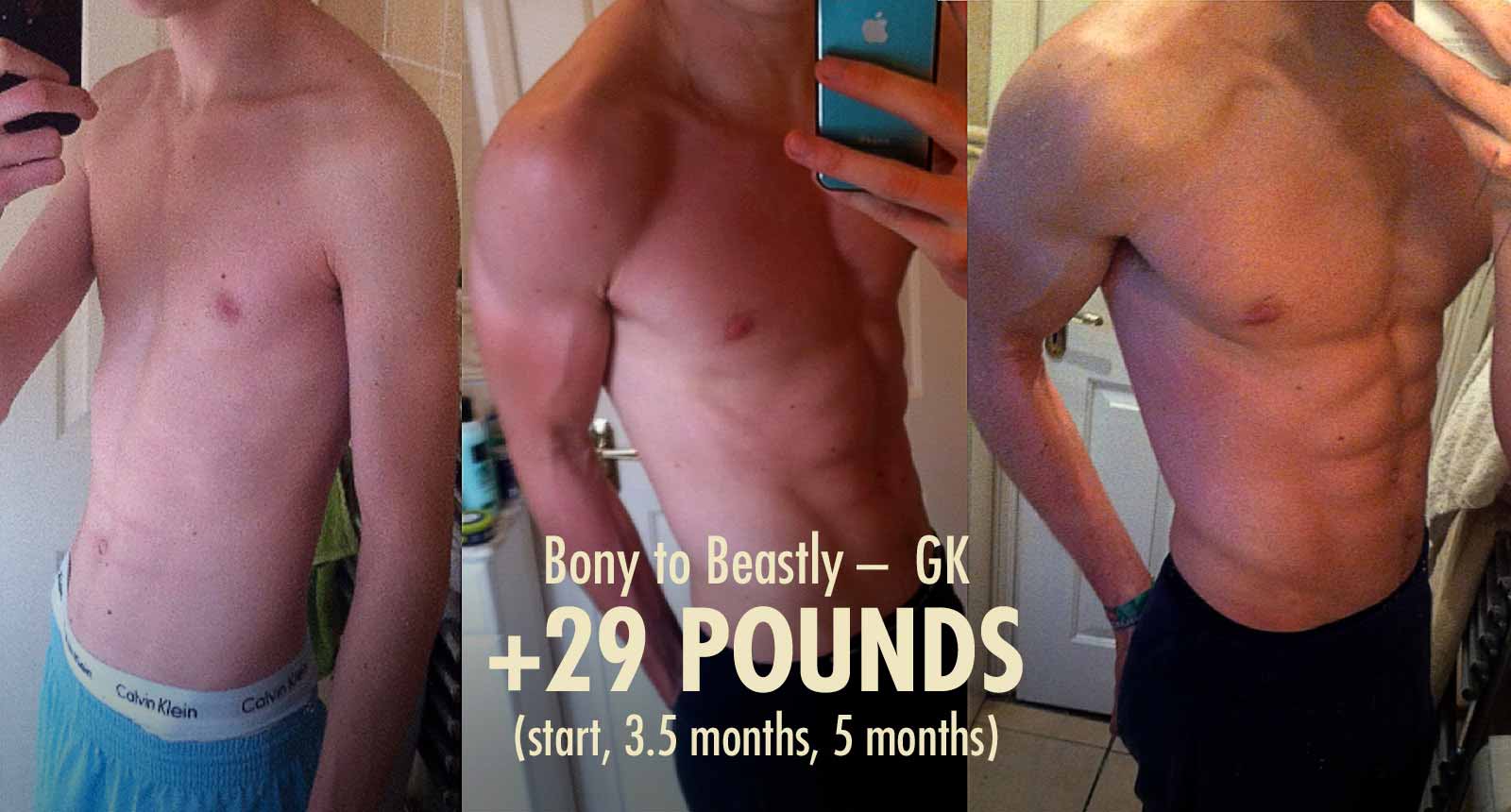
Credit: bonytobeastly.com
Supplements For Keto Muscle Gain
Building muscle on a keto diet requires careful planning. Protein-rich supplements can support muscle growth by providing essential nutrients. Balancing fats and proteins helps maintain energy levels while encouraging lean muscle development.
Embarking on a keto diet can be a game-changer for many looking to shed fat while maintaining muscle. However, as you transition to this high-fat, low-carb lifestyle, your body may need additional support to maximize muscle gain. Supplements can play a vital role in filling nutritional gaps and boosting performance, but not all are created equal. Understanding which supplements to include and which pitfalls to avoid is crucial for anyone serious about building muscle on keto.Essential Supplements
When it comes to muscle gain on keto, a few supplements stand out. Creatine tops the list. It’s renowned for enhancing strength and increasing lean muscle mass. Despite its carb-free nature, creatine effectively fuels workouts, making it an excellent ally for keto enthusiasts. Electrolytes are another must-have. Keto often leads to a drop in electrolytes due to reduced insulin levels. This can cause fatigue and muscle cramps. A daily supplement of magnesium, potassium, and sodium can help maintain your energy and muscle function. Protein powder is also essential, especially if you struggle to meet protein needs through food alone. Choose a low-carb option like whey isolate or collagen peptides. These can provide the necessary building blocks for muscle repair without kicking you out of ketosis.Avoiding Common Pitfalls
It’s easy to make mistakes with supplements if you’re not careful. Avoid loading up on excessive protein. While protein is crucial for muscle building, too much can convert to glucose, taking you out of ketosis. Track your intake to ensure you’re in the sweet spot. Be wary of hidden sugars. Some supplements sneak in sugars and carbs that can derail your keto progress. Always read labels carefully and opt for trusted brands with transparent ingredient lists. Lastly, don’t ignore your body’s signals. Over-supplementing can lead to imbalances and health issues. Listen to how your body responds and adjust your supplement intake as needed. Have you ever felt sluggish despite taking supplements? It might be time to reassess your choices. Supplements should enhance your performance, not hinder it. Choose wisely and keep your muscle-building journey on track.Tracking Progress
Building muscle on a keto diet requires tracking progress carefully. Monitor weight changes and muscle growth regularly. Adjust your diet and exercise to optimize results.
Tracking your progress is vital when building muscle on a keto diet. You need to know what’s working and what isn’t. It helps you make informed decisions about your diet and exercise regimen. So, how can you effectively track your progress? Let’s dive into some practical methods.Measuring Muscle Growth
Start by taking regular measurements of your body. Use a tape measure to track the size of your biceps, chest, waist, hips, and thighs. This provides tangible evidence of muscle growth over time. Another useful tool is progress photos. Take photos from different angles, ideally once a month. This visual record can reveal changes that numbers might miss. Consider using body composition scales. These scales measure not just weight, but also muscle mass and body fat percentage. While they aren’t perfect, they can give you a good idea of how your body is changing.Adjusting The Diet Plan
As you track your progress, be prepared to adjust your diet. If you’re not seeing the muscle growth you expect, check your protein intake. You might need to increase it slightly to support muscle repair and growth. Notice any fatigue or lack of energy during workouts? Your carb intake might be too low. Keto doesn’t mean zero carbs. Sometimes adding a bit more can give you the energy boost needed for intense workouts. Are you losing weight too quickly? This might indicate muscle loss. Consider increasing your calorie intake with healthy fats or protein to maintain muscle mass. Tracking progress and adjusting your plan might seem tedious. But it’s a small price to pay for the satisfaction of seeing your muscles grow. How do you track your progress? What changes have you made that yielded the best results? These small tweaks can make a big difference in your muscle-building journey on a keto diet.Common Challenges And Solutions
Building muscle on a keto diet presents unique challenges. The low-carb, high-fat approach can affect energy levels and performance. Understanding these challenges helps in finding effective solutions.
Overcoming Keto Flu
Keto flu is a common problem. Symptoms include headaches, fatigue, and nausea. These occur during the initial keto adaptation phase. Hydration is crucial. Drink plenty of water. Salt intake should also increase. Electrolytes are key to recovery. Supplements like magnesium or potassium are helpful. Gradually reducing carbs can ease the transition. This limits the shock to the body.
Dealing With Plateaus
Plateaus in muscle growth can be frustrating. The body adapts to new diets quickly. Tracking progress is essential. Adjusting workout routines can break a plateau. Include resistance training and varied exercises. Nutrition adjustments may also be needed. Increase protein intake. Monitor fat levels to ensure energy is sufficient. Rest is vital. Ensure adequate sleep and recovery time.
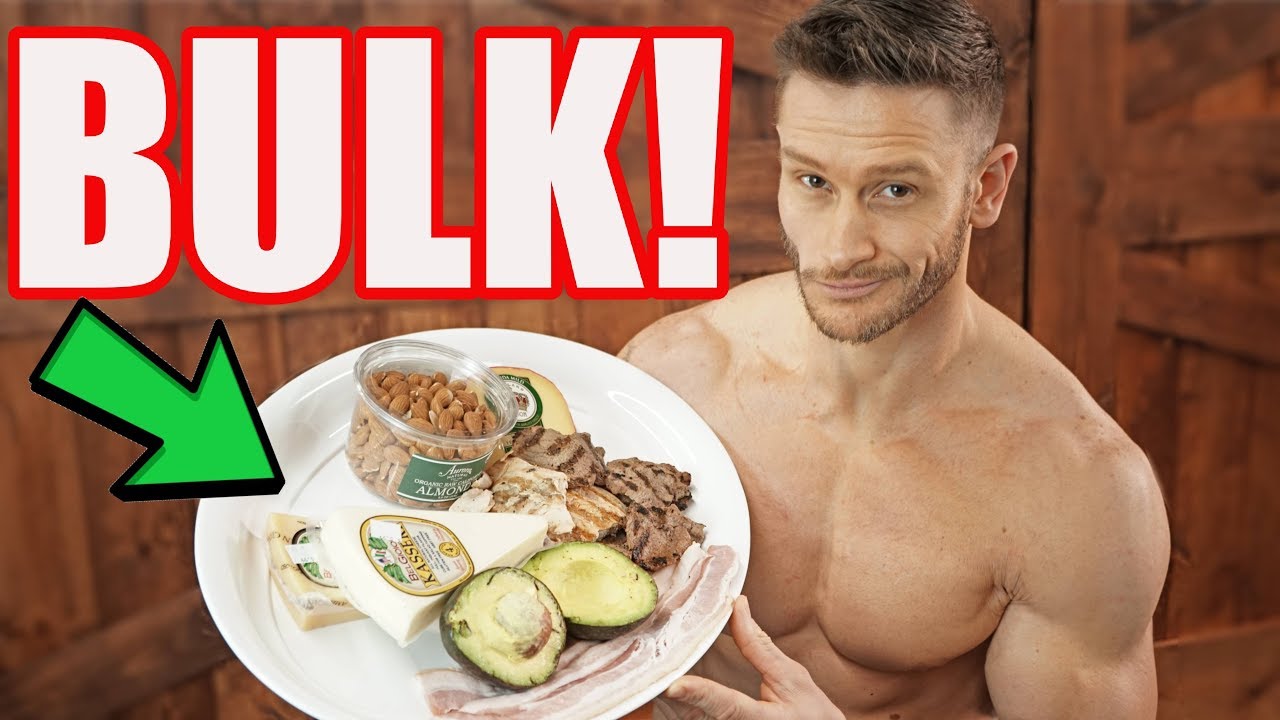
Credit: www.youtube.com
Frequently Asked Questions
Is It Possible To Build Muscle On Keto?
Yes, building muscle on keto is possible. Focus on consuming adequate protein and healthy fats. Combine resistance training with a well-structured keto diet. Monitor your calorie intake to ensure you’re in a slight surplus for muscle growth. Stay consistent and adjust as needed for optimal results.
Can I Gain Muscle Without Carbs?
Yes, gaining muscle without carbs is possible. Focus on protein-rich foods and healthy fats. Carbs aren’t essential for muscle growth, but they provide energy for workouts. Ensure adequate calorie intake and nutrient balance to support muscle development. Consider consulting a nutritionist for personalized advice.
How To Avoid Muscle Loss On Keto?
Consume adequate protein to support muscle retention. Engage in resistance training regularly to maintain muscle mass. Ensure proper calorie intake to avoid excessive deficits. Monitor ketone levels to ensure efficient fat utilization. Stay hydrated to support overall muscle function.
Can You Build Muscle On Keto?
Yes, you can build muscle on keto. Focus on protein-rich foods and maintain a calorie surplus. Include strength training exercises in your routine. Prioritize nutrient timing and ensure adequate hydration. Balance macros to support muscle growth and recovery.
Conclusion
Building muscle on a keto diet is possible. Focus on protein-rich foods. Include healthy fats for energy. Don’t forget to hydrate well. Regular exercise helps muscle growth. Adjust your calorie intake as needed. Listen to your body and tweak your diet.
Track progress for motivation. Stay consistent with your routine. It’s about balance and patience. Consult a nutritionist if unsure. Enjoy the journey to a stronger you. Remember, small steps lead to big results. Keto can support your muscle goals. Stay committed and watch your body transform.