Are you striving to build muscle and wondering if amino acids could be the missing piece in your fitness puzzle? You’re not alone.
Many fitness enthusiasts and athletes are curious about the role these tiny compounds play in muscle growth. Imagine unlocking a secret that could enhance your workouts and improve your results. We will dive into whether amino acids can truly help you build muscle.
You’ll discover how they work, their benefits, and how you can incorporate them into your routine for maximum impact. Stick around to find out if these building blocks of life are the key to achieving your fitness goals.
Credit: www.supervitalfoods.com
The Role Of Amino Acids In Muscle Growth
Muscle growth is a complex process involving several factors. Amino acids play a crucial role in this journey. They are building blocks for proteins, essential for muscle repair and growth. Understanding their function can enhance your fitness goals.
Essential Vs. Non-essential Amino Acids
Amino acids come in two types: essential and non-essential. Essential amino acids cannot be made by the body. They must be obtained from food. Non-essential amino acids can be produced internally. Both types aid in muscle growth.
Essential amino acids are key for protein synthesis. They support muscle repair. Non-essential amino acids contribute to overall health. They support bodily functions, including muscle maintenance.
Protein Synthesis And Recovery
Amino acids are vital for protein synthesis. This process builds new muscle fibers. During workouts, muscles undergo stress. This stress causes tiny tears in muscle fibers.
Amino acids help repair these tears. They create stronger muscles. Protein synthesis is crucial for recovery. It allows muscles to rebuild after exercise.
Amino Acids And Energy Production
Amino acids also support energy production. They fuel workouts and physical activities. This energy is essential for performance.
Some amino acids are converted into glucose. This process provides immediate energy. It helps maintain stamina during intense exercises.
Energy from amino acids supports muscle endurance. It ensures effective training sessions. This boosts muscle growth potential.
Key Amino Acids For Muscle Building
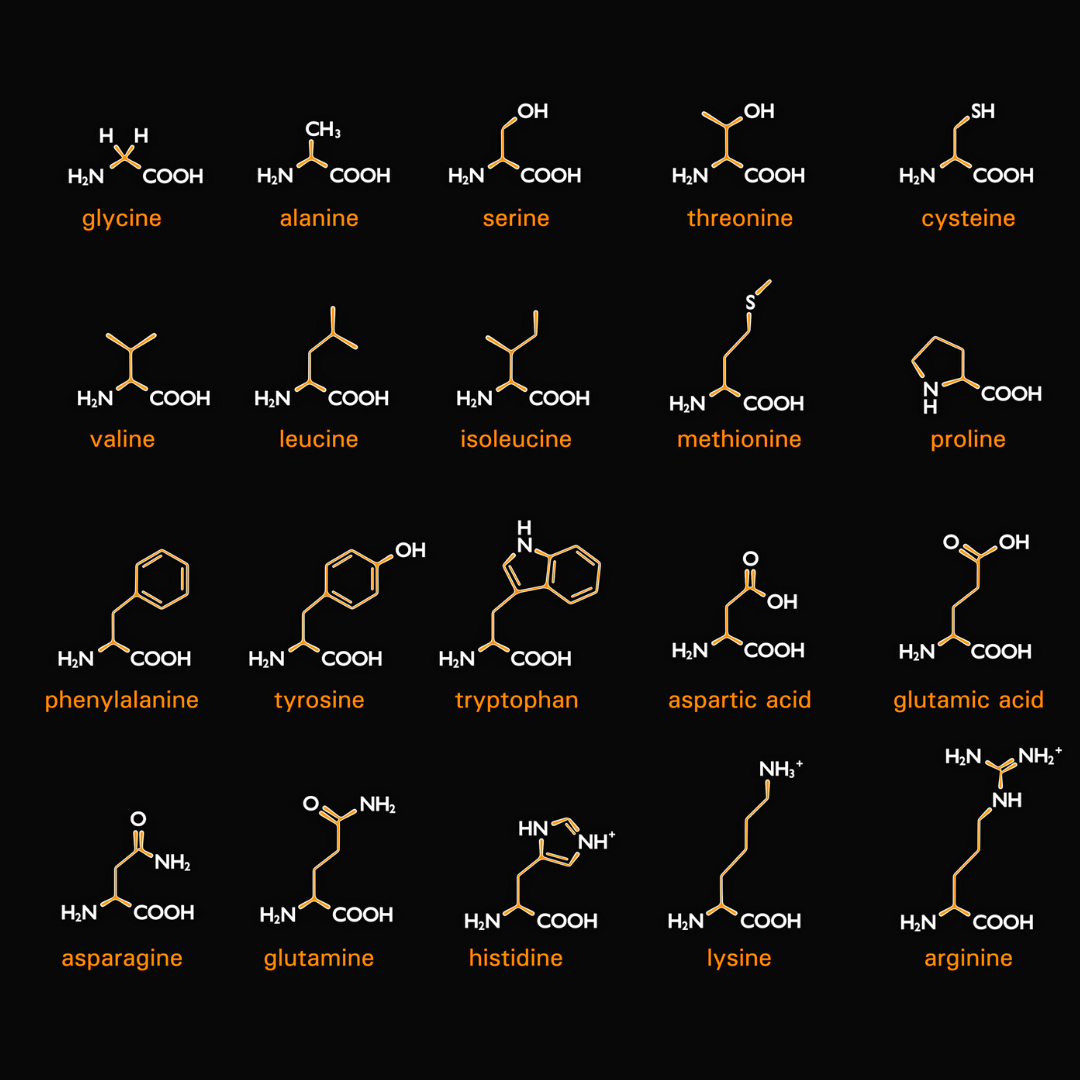
Muscle growth relies on amino acids like leucine, isoleucine, and valine. These building blocks support protein synthesis, crucial for muscle repair and growth. Incorporating them into your diet can enhance strength and recovery.
Building muscle requires more than just lifting weights. Amino acids play a crucial role. They are the building blocks of protein. Not all amino acids are equal in muscle growth. Some are more vital than others.Leucine: The Anabolic Trigger
Leucine is a powerful amino acid. It is part of the branched-chain amino acids (BCAAs). Leucine helps start the muscle-building process. It activates a protein called mTOR. This protein is important for muscle growth. Leucine is found in foods like chicken, fish, and eggs. It also helps in muscle repair after exercise. Consuming enough leucine supports stronger muscles.Valine And Isoleucine: Supporting Roles
Valine and isoleucine are also BCAAs. They provide energy during workouts. These amino acids help prevent muscle breakdown. Valine promotes muscle endurance. Isoleucine helps with muscle recovery. Together, they balance and support leucine’s effects. Foods rich in these amino acids include beans, nuts, and whole grains.Glutamine: Muscle Recovery Aid
Glutamine is the most abundant amino acid in muscles. It aids in muscle recovery after exercise. Glutamine also supports immune function. It helps reduce muscle soreness. This amino acid is present in many protein-rich foods. Meat, dairy, and tofu are good sources. Glutamine supplementation can be beneficial for athletes. It helps maintain muscle mass during intense training. `Sources Of Amino Acids
Amino acids are vital for muscle growth. They are the building blocks of protein. Understanding where to get them can help in muscle building. This section explores dietary sources and supplements. It also offers tips on choosing quality supplements.
Dietary Sources
Food is the primary source of amino acids. Meat, fish, and poultry are rich in essential amino acids. Eggs and dairy products also provide them in abundance. Plant-based options include beans, lentils, and nuts. Quinoa and tofu are excellent sources for vegetarians. Eating a variety of these foods ensures a balanced intake.
Supplement Options
Supplements offer concentrated forms of amino acids. They are convenient and easy to use. Protein powders are popular among athletes. Branched-chain amino acids (BCAAs) are available in tablet form. There are many options to fit different needs and preferences.
Choosing Quality Supplements
Quality matters when choosing supplements. Look for products with clear labeling. Check for third-party testing certificates. Read reviews and research the brand’s reputation. Pure ingredients are crucial for effectiveness. Avoid products with unnecessary additives.

Credit: aminoco.com
Timing And Dosage
Amino acids play a crucial role in muscle building. Timing and dosage are key to maximizing their benefits. Consuming them post-workout can aid in faster recovery and muscle growth.
Timing and dosage are crucial when it comes to maximizing the benefits of amino acids for muscle building. Knowing when and how much to consume can make a significant difference in your fitness journey. Are you consuming them at the right times to boost your muscle growth? Let’s dive into the specifics.Pre-workout Consumption
Taking amino acids before your workout can provide your muscles with a head start. Consuming them 30 minutes prior can increase energy levels and delay fatigue. Many find that a small dose, around 5 grams, mixed with water or a shake is effective. Picture this: you’re ready to hit the gym, but you’re not quite feeling it. A quick amino acid drink can be the push you need. It’s like giving your muscles a pep talk before the big game.Post-workout Recovery
After an intense workout, your muscles are craving nutrients. This is where amino acids play a vital role in recovery. Consuming them within 30 minutes post-exercise can help repair muscle fibers and reduce soreness. Imagine finishing a tough gym session and feeling completely drained. A swift amino acid boost can help you bounce back faster. It’s like a recovery hug for your muscles, speeding up the healing process.Daily Intake Recommendations
Consistency is key when it comes to amino acids. Aim to spread your intake throughout the day to ensure your muscles are continuously fueled. Most experts recommend a total daily intake of 10-20 grams, depending on your activity level and diet. You might want to start with a lower dose and adjust based on your body’s response. This approach prevents your body from experiencing highs and lows in amino acid availability. It’s like keeping a steady flow of resources for your muscles to draw from whenever they need. Are you ready to optimize your amino acid timing and dosage for better muscle growth? Making small adjustments can lead to noticeable improvements in your fitness journey.Potential Benefits Beyond Muscle Growth
When you think about amino acids, muscle growth might be the first thing that comes to mind. But did you know these tiny molecules offer a range of benefits beyond just bulking up? They can enhance your immune system, boost exercise performance, and even help with muscle soreness. Let’s dive into these additional perks and see how they might be the missing piece in your fitness puzzle.
Enhanced Immune Function
Amino acids play a vital role in supporting your immune system. They help produce antibodies and enzymes that fight off infections. Have you ever noticed you rarely get sick when you’re on a balanced diet with adequate protein? That’s amino acids at work. Think of them as your body’s internal defense team, always ready to tackle invaders. Could boosting your amino acid intake be the key to staying healthier year-round?
Improved Exercise Performance
Feeling sluggish during workouts? Amino acids might help you push through barriers. They can increase endurance and reduce fatigue, giving you the energy to power through those last few reps. Imagine running that extra mile or lifting heavier weights effortlessly. Amino acids provide the fuel your muscles need to perform at their best, helping you achieve personal records more consistently. What’s stopping you from adding them to your routine?
Reduced Muscle Soreness
Post-workout soreness can be a real pain, literally. Amino acids aid in repairing muscle tissues, speeding up recovery and reducing soreness. Remember the time you couldn’t climb stairs after leg day? Amino acids can help prevent those dreaded aches, making your next workout less daunting. Wouldn’t it be nice to recover faster and get back to doing what you love?
So, whether you’re looking to enhance your immune function, boost performance, or reduce soreness, amino acids may offer benefits that go beyond muscle growth. Consider adding them to your diet and see how your body responds. The results might surprise you!
Common Misconceptions
Many people believe amino acids build muscle instantly. This is not entirely true. Misconceptions about amino acids can confuse fitness enthusiasts. Let’s clarify some of these myths.
Amino Acids Vs. Protein Powders
Some think amino acids and protein powders are the same. They are not. Protein powders contain a mix of amino acids. Amino acids are the building blocks of proteins. Consuming protein powders provides all essential amino acids. This supports muscle repair and growth.
Amino acids alone might not meet all your needs. Protein powders offer a convenient way to get a balanced amino acid profile. They are beneficial for those with busy schedules.
Overconsumption Myths
People fear consuming too many amino acids. They worry about harmful effects. In reality, the body uses what it needs. Excess amino acids are usually excreted. They do not cause harm if consumed in moderation.
Balance is key. Follow recommended dosages to avoid waste and maintain health. Always consult a professional for personalized advice.
Safety And Side Effects
Amino acids can support muscle building, but some may cause side effects like digestive issues or allergic reactions. It’s important to use them correctly and consult a healthcare professional for safe usage. Understanding their impact can help you make informed decisions on including them in your fitness routine.
When considering amino acids for muscle building, understanding the safety and side effects is crucial. You might be eager to boost your gym results, but it’s important to know how supplements affect your body. While amino acids can be beneficial, they are not without their risks and guidelines.Potential Risks
Amino acids are generally safe for most people, but there can be potential risks. Overconsumption might lead to digestive issues like bloating or diarrhea. Some people might experience headaches or fatigue. Have you ever tried a new supplement and felt off? That might be your body reacting to something it doesn’t need or can’t process. If you have a pre-existing medical condition, such as kidney disease, you should be particularly careful. Always consult with a healthcare provider before starting any new supplement, especially if you’re on medication.Safe Usage Guidelines
To ensure you’re using amino acids safely, stick to recommended dosages. Most supplements will provide a suggested serving size—follow it. More isn’t always better. Incorporate amino acids into a balanced diet. They should complement your nutrition, not replace it. Think about when you’re taking them. Some amino acids are best consumed pre-workout, while others might be more effective post-workout. Tracking how you feel after taking them can offer insights into how they’re affecting your body. Are you feeling more energized, or experiencing discomfort? Your body will tell you if something’s amiss. By being mindful and informed, you can use amino acids to support your muscle-building goals safely.
Credit: www.americansportandfitness.com
Frequently Asked Questions
Do Amino Acids Actually Build Muscle?
Yes, amino acids help build muscle by repairing and growing muscle tissues. They are essential for protein synthesis, which is crucial for muscle growth. Consuming adequate amino acids through diet or supplements supports muscle recovery and development after workouts.
Which Amino Acid Is Best For Muscle Growth?
Leucine is the best amino acid for muscle growth. It stimulates protein synthesis, aiding muscle repair and growth. Incorporating leucine-rich foods or supplements can enhance muscle development. Ensure a balanced diet for optimal results.
Is It Safe To Take Amino Acids Every Day?
Taking amino acids daily is generally safe for most people. Consult a doctor for personalized advice, especially if pregnant or have health conditions. Balanced intake supports muscle growth, recovery, and overall health. Always follow recommended dosages to avoid potential side effects.
Quality supplements ensure better results.
What Is Better For Building Muscle, Protein Or Amino Acids?
Protein is better for building muscle. It provides essential amino acids needed for muscle repair and growth. Consuming complete proteins like chicken, fish, and beans ensures you get all necessary amino acids. A balanced protein intake supports muscle development effectively.
Conclusion
Amino acids can support muscle growth effectively. They are crucial for repair. Muscles need these building blocks after workouts. Protein sources provide amino acids for muscle recovery. Eating a balanced diet helps achieve fitness goals. Supplements can aid in meeting daily needs.
Consistency in diet and exercise enhances results. Listen to your body and adjust intake as necessary. Always consult a health expert before starting supplements. Understanding the role of amino acids empowers better health choices. Building muscle is a journey, not an overnight process.
Take steps wisely for optimal growth.