Ever wonder why biking feels so rewarding for your body? It’s not just about the wind in your hair or the thrill of speed.
Biking is a powerhouse workout that tones and strengthens multiple muscle groups in your body. But what exactly happens beneath the surface when you pedal away? If you’re curious about how biking can transform your muscles and boost your fitness, you’re in the right place.
Understanding the specific muscles activated during biking can help you maximize your workouts and see better results. Get ready to uncover the secrets of how biking builds strength and endurance in your body, and discover why it might just be the perfect exercise for you. Stay with us and explore the surprising benefits that come with every ride.

Credit: www.trainingpeaks.com
Lower Body Power
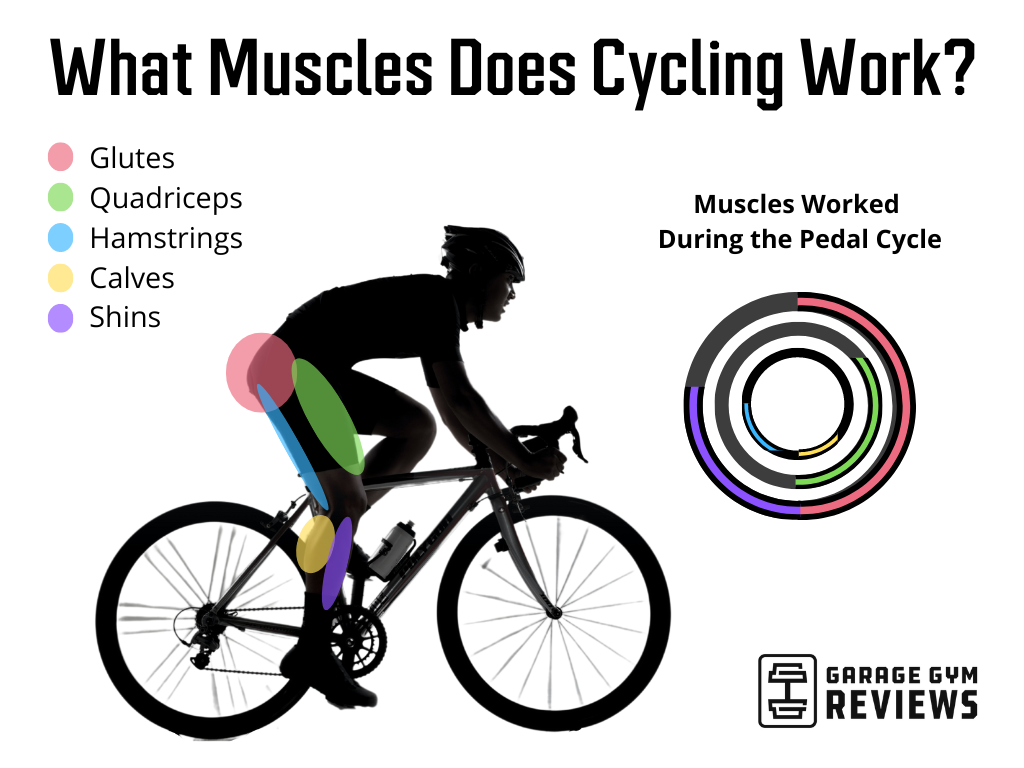
Biking is a powerful workout for the lower body. Pedaling strengthens and tones muscles. It builds endurance and boosts overall fitness. The lower body benefits greatly from biking. Each pedal stroke engages multiple muscles. This strengthens your legs, hips, and glutes. Cycling regularly leads to noticeable muscle growth.
Quadriceps Activation
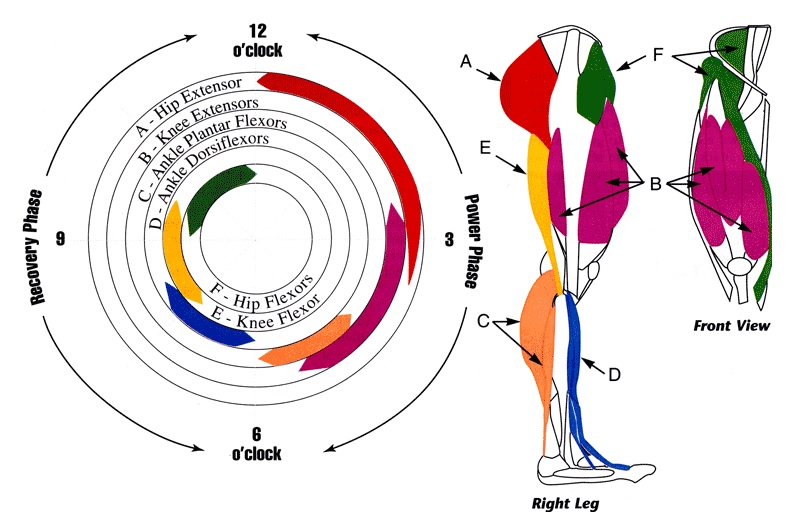
The quadriceps are at the front of the thigh. Biking works these muscles intensely. As you push the pedals down, the quads activate. This builds strength and definition. Regular cycling can make your quads more powerful. You might notice stronger, more toned thighs over time.
Hamstring Engagement
Hamstrings are located at the back of your thighs. They play a key role in biking. As you pull the pedals up, hamstrings engage. This motion strengthens these muscles. The more you bike, the stronger your hamstrings become. This can lead to improved flexibility and balance.
Glute Strength
Glutes are the muscles in your buttocks. Biking targets these muscles effectively. Each pedal stroke requires glute activation. This strengthens and tones them. Strong glutes improve cycling performance. They also enhance overall posture and stability.
Credit: ilovebicycling.com
Core Stability
Biking offers a fantastic workout for your core stability. Maintaining balance on a bike engages multiple core muscles. These muscles work together to provide a strong foundation. This keeps you upright and stable during your ride.
Abdominal Support
Your abdominal muscles play a crucial role while biking. They help stabilize your torso. This allows for efficient pedal strokes. Strong abs support your spine and reduce strain. They also contribute to better posture on the bike. Regular biking strengthens these muscles over time.
Oblique Involvement
The oblique muscles, located on the sides of your abdomen, are vital. They assist in turning and balancing. Every twist and turn on the bike activates them. This engagement helps in maintaining balance during sharp turns. Building strong obliques enhances your overall biking performance.
Upper Body Engagement
Biking isn’t just a leg workout. It also engages your upper body. While pedaling, your arms and shoulders work hard. They stabilize and steer your bike. Your grip and wrist muscles also get a workout. They maintain control over the handlebars.
Arm And Shoulder Work
Every push and pull involves your arms and shoulders. They help you navigate turns and bumps. Your deltoids and triceps stay active. They keep your upper body steady. Riding uphill or against the wind intensifies this. It requires extra strength from these muscles.
Grip And Wrist Muscles
Your grip on the handlebars is crucial. It ensures control and stability. Cycling strengthens your wrist muscles. This prevents fatigue and enhances endurance. Your forearms benefit too. They support long rides by maintaining a firm hold.
Endurance And Cardiovascular Benefits
Riding a bike isn’t just a fun way to explore the outdoors; it’s a powerful workout that boosts your endurance and cardiovascular health. The rhythmic pedaling engages multiple muscle groups while simultaneously challenging your heart and lungs. You might have felt it during a long ride – your heart pounding and your breath deepening. This isn’t just exertion; it’s an enhancement of your body’s efficiency in pumping blood and using oxygen. But what exactly does biking do for your heart and lungs? Let’s explore.
Heart Health
When you pedal, your heart works harder to pump blood throughout your body. This is not just a workout; it’s a conditioning session for your heart. It strengthens the heart muscle, making it more efficient at circulating blood. Regular biking can lower your resting heart rate over time. It’s like giving your heart a tune-up! Consider this: when your heart is strong, it can pump blood with fewer beats. This is why avid cyclists often have lower resting heart rates.
Imagine the long-term benefits. You’re less likely to face heart-related issues. It’s not just about avoiding illness; it’s about feeling vibrant and energetic daily. Have you noticed how much more lively you feel after a ride?
Lung Capacity
Your lungs also get a workout when you bike. As you cycle, you breathe deeper, filling your lungs with air. This increases your lung capacity over time, allowing you to take in more oxygen. More oxygen means better endurance. You can ride longer without feeling out of breath. Think of it as expanding your life force.
Remember the last time you tackled that steep hill? Maybe you found it tough initially, but over time, it became easier. That’s your lungs growing stronger. Enhanced lung capacity doesn’t just help you in biking; it boosts your performance in other physical activities too.
So, why not challenge yourself on your next ride? Push a little harder, and feel your heart and lungs thank you. Are you ready to experience the transformation biking can offer?
Flexibility And Balance
Biking strengthens various muscles, including quadriceps, hamstrings, and calves. It enhances core stability and improves leg endurance. This activity supports flexibility and balance, contributing to overall physical fitness.
Biking is not just a cardiovascular workout. It boosts flexibility and balance too. These elements are crucial for overall health. They help in reducing injury risks. Better flexibility aids smooth muscle movement. Enhanced balance supports stable riding. Let’s explore how biking builds these skills.Joint Flexibility
Biking stretches your muscles and joints. It encourages a wider range of motion. The cycling motion gently extends the legs and hips. This helps the joints remain supple. Regular biking can ease stiffness. It supports fluid movement in daily activities. Flexibility reduces discomfort in physical tasks. Maintaining flexibility is essential for aging well.Coordination Skills
Riding a bike demands coordination. You balance and pedal at the same time. This multitasking improves brain function. Your mind and body work together seamlessly. Enhanced coordination assists in quick reactions. This is vital for avoiding obstacles. It also boosts concentration and focus. Cycling enhances cognitive abilities. It sharpens your reflexes for everyday life.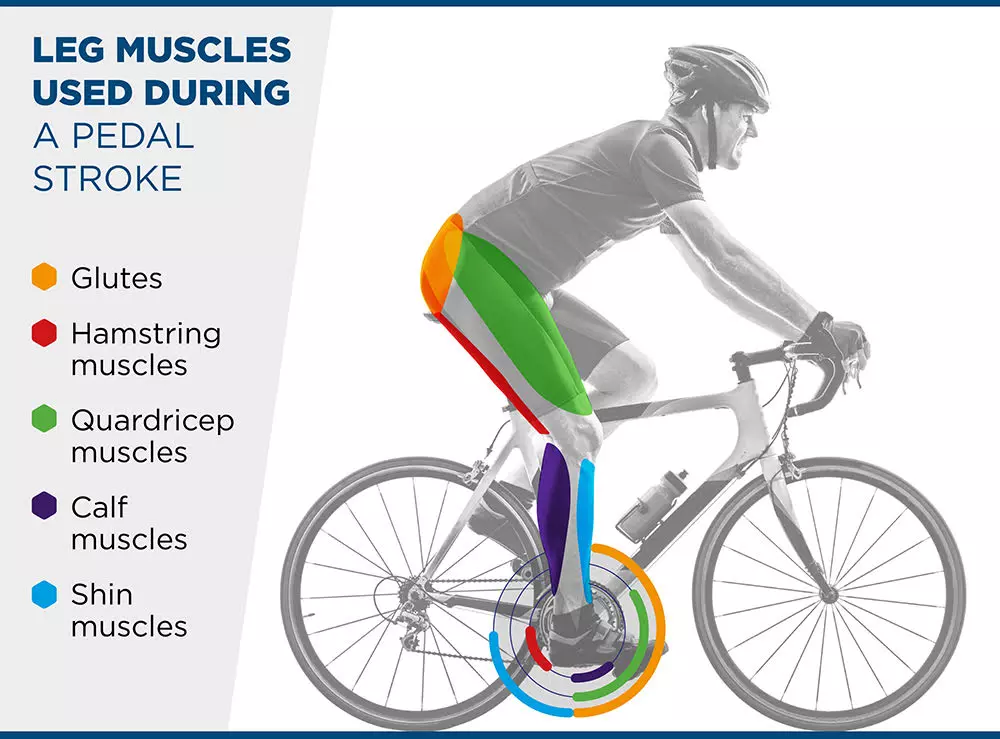
Credit: tanita.eu
Tips For Maximizing Muscle Gain
Cycling strengthens leg muscles. It targets quadriceps, hamstrings, and calves. Core muscles benefit too, aiding stability and balance. Regular biking helps in muscle endurance and toning.
Cycling is not only a fantastic way to explore the outdoors, but it’s also an effective workout for building muscle. To get the most out of your biking sessions and maximize muscle gain, you’ll need a strategic approach. With the right bike fit, a balanced training routine, and smart nutrition and recovery practices, you can enhance your cycling performance and muscle development. Let’s dive into some practical tips that will get you pedaling on the path to muscle growth.Proper Bike Fit
A well-fitted bike is crucial for muscle engagement and injury prevention. Ensure your bike seat is at the right height; your leg should be slightly bent at the knee when the pedal is at its lowest point. Adjust the handlebar to a position that allows you to ride comfortably without straining your back or neck. Have you ever noticed discomfort in your knees or back after a long ride? This might indicate an improper bike fit. Investing in a professional bike fitting session can be a game-changer, allowing you to ride longer and work your muscles more effectively.Balanced Training Routine
A balanced training routine involves varying your rides to target different muscle groups. Mix up your cycling with hill climbs, interval sprints, and long-distance rides. This variety ensures that you’re not just working the same muscles repeatedly. Consider incorporating strength training off the bike. Exercises like squats and lunges can enhance the power and endurance of your cycling muscles. How often do you change your biking routine to keep your muscles guessing?Nutrition And Recovery
Eating the right foods will fuel your rides and aid in muscle recovery. Focus on a balanced diet rich in proteins, carbs, and healthy fats. Protein is essential for muscle repair, so include sources like lean meats, fish, and legumes in your meals. Recovery is just as important as the ride itself. Allow time for your muscles to repair by getting plenty of rest and considering active recovery days. Do you prioritize recovery as much as your training? Remember, building muscle through biking isn’t just about pedaling harder or longer. It’s about smart strategies that incorporate bike fit, diverse workouts, and nutrition. With these tips, you’re well on your way to stronger muscles and more enjoyable rides.Frequently Asked Questions
Which Muscles Get Toned By Cycling?
Cycling tones quadriceps, hamstrings, calves, glutes, and core muscles. It enhances muscle endurance and strength effectively. Regular cycling also improves cardiovascular fitness and burns calories, contributing to overall body toning.
Can You Gain Muscle From Biking?
Yes, biking helps build muscle, especially in your legs. It targets quadriceps, hamstrings, calves, and glutes. Regular cycling enhances muscle endurance, strength, and tone. Combine biking with strength training for optimal muscle growth.
Does Biking Tone The Belly?
Yes, biking helps tone the belly by burning calories and engaging core muscles. Consistent cycling enhances muscle definition. Combine biking with a balanced diet and strength training for better results. Regular exercise improves overall fitness and aids in achieving a toned stomach.
Is 30 Minutes Of Cycling Enough?
Yes, 30 minutes of cycling daily can boost cardiovascular health and burn calories. It enhances mood, strengthens muscles, and improves endurance. For beginners, it’s a good start. Consistency and intensity matter for better results. Adjust duration or intensity for specific fitness goals.
Conclusion
Biking strengthens your body in many ways. It works on your legs, core, and back. Your quadriceps and hamstrings get stronger with each pedal. Glutes and calves also see improvement. Don’t forget your core muscles. They help with balance and support.
Your back muscles play a role too. Cycling offers a full-body workout. It boosts endurance and muscle tone. A healthier you awaits on the bike. Keep pedaling and enjoy the ride.