Are you on the quest for a simple, effective way to build muscle? You might be surprised by the potential of skipping.
Yes, the childhood favorite, jumping rope, could be your secret weapon in muscle building. Imagine a workout that’s not only fun but also incredibly efficient. Skipping is more than just a cardiovascular exercise; it has the power to transform your body.
As you read on, you’ll uncover how this seemingly playful activity can sculpt your muscles, boost your strength, and enhance your fitness journey. Stay tuned to discover the science behind skipping and how it can be a game-changer for your muscle-building routine.
The Science Behind Muscle Building
Understanding how muscle builds is crucial if you’re looking to enhance your fitness routine. Whether you’re a seasoned athlete or someone trying to get fit, knowing the science behind muscle building can help you achieve your goals efficiently. Does skipping build muscle? Let’s dive into the science.
Muscle Hypertrophy Explained
Muscle hypertrophy is the process of muscle fibers growing in size. This occurs primarily when you challenge your muscles with activities that cause micro-tears. Your body repairs these tears, making the muscle fibers thicker and stronger. Ever noticed how your muscles feel sore after a workout? That’s hypertrophy at work. Skipping can contribute to this process by engaging your leg muscles in repetitive motion, pushing them to adapt and grow.
Role Of Resistance Training
Resistance training is key in building muscle. It involves exercises that make your muscles work against a force. Think of lifting weights or using resistance bands. But did you know that your body weight can be a form of resistance, too? Skipping requires you to lift your body off the ground repeatedly, which can serve as resistance training. This can help tone your calf muscles and even improve endurance.
Have you ever skipped for a few minutes and felt your legs burning? That’s your muscles working hard, building strength with each jump. While skipping alone might not bulk you up like weightlifting, it can be a great addition to your routine for muscle definition and cardiovascular benefits.
What’s your experience with skipping? Have you noticed changes in your muscle tone? It’s fascinating how such a simple exercise can impact your body. By understanding the science behind muscle building, you can tailor your workouts to fit your goals better.
Skipping As A Workout
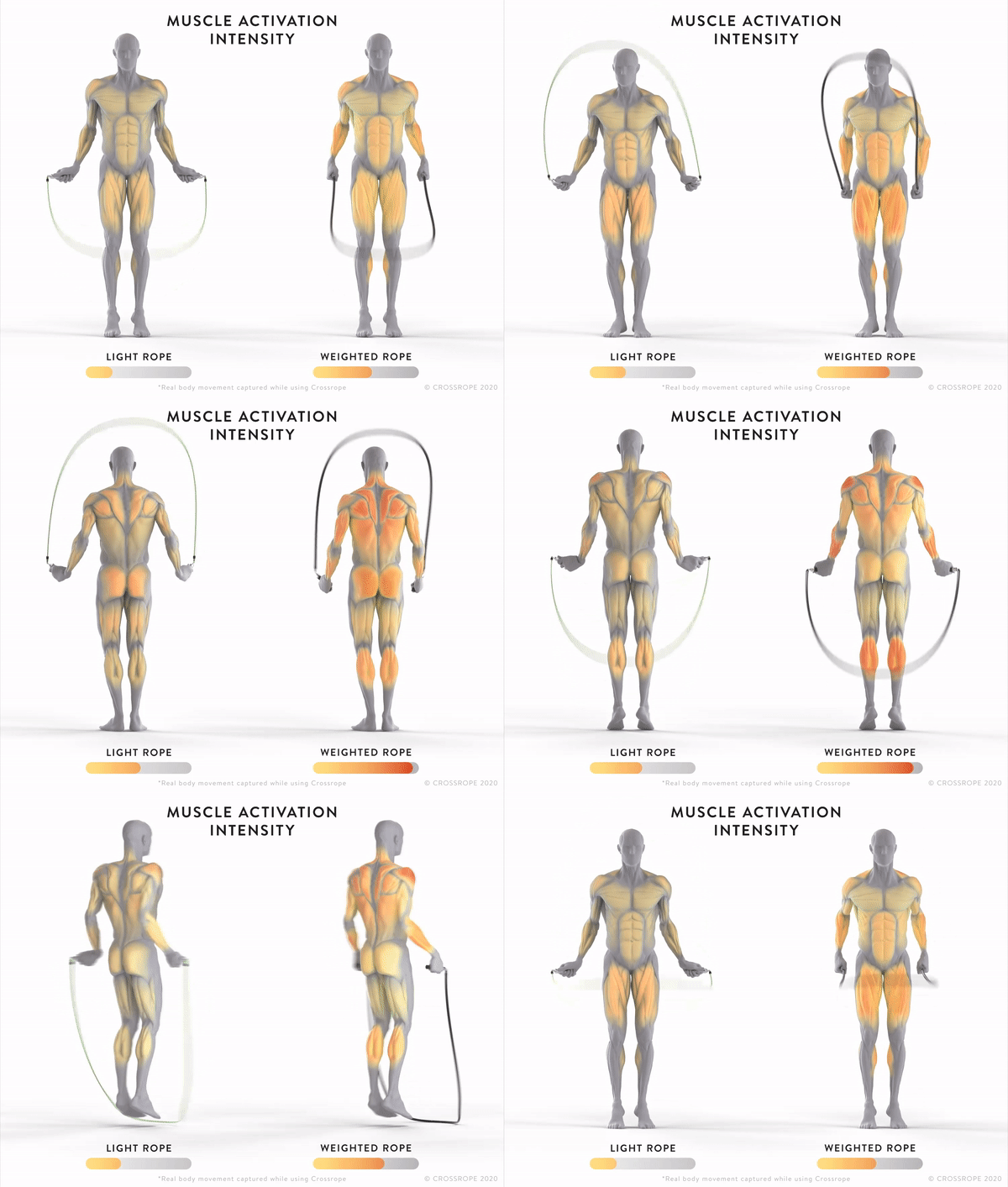
Skipping can enhance muscle tone and endurance, especially in the legs and core. It involves repeated jumping, which can strengthen calves, thighs, and abdominal muscles. Regular practice helps improve cardiovascular health while also providing a full-body workout.
Skipping isn’t just a childhood pastime. It’s a powerful workout that targets multiple aspects of fitness. Whether you’re short on time or equipment, skipping offers a full-body workout you can do anywhere. Consider adding it to your routine for its unique benefits.Cardiovascular Benefits
Skipping elevates your heart rate quickly. A few minutes can have your heart pumping just like a run. This boosts cardiovascular health, improving circulation and lung capacity. It’s also great for burning calories. A 10-minute skipping session can burn as many calories as a 30-minute jog. If you’re looking to shed weight, this efficient workout might be your ticket.Impact On Muscle Endurance
Skipping isn’t just about cardio. It builds muscle endurance too. Each jump engages your calves, quads, and glutes, strengthening them over time. Ever notice boxers skip rope? It’s not just for agility. It’s also for endurance. Their stamina in the ring partly comes from hours spent skipping. Imagine how your endurance could improve with regular sessions. Why not challenge yourself? Try skipping for a few minutes daily and see how your endurance grows. You might be surprised at the results. Remember, it’s not about how long you skip. It’s about consistency and pushing your limits. Are you ready to make skipping a part of your workout routine?Does Skipping Build Muscle?
Does skipping build muscle? It’s a question that might have crossed your mind as you watch athletes and fitness enthusiasts effortlessly jump rope. Skipping is more than just a childhood pastime; it’s a full-body workout that can bring you closer to your muscle-building goals. But how effective is it in helping you pack on muscle?
Muscle Groups Engaged
Skipping is a powerhouse exercise that targets multiple muscle groups simultaneously. As you propel yourself off the ground, your calves take center stage, bearing the brunt of the effort. Your quadriceps and hamstrings also kick in to stabilize and support your jumps.
But it doesn’t stop there. Your core plays a crucial role in maintaining balance and posture, while your shoulders and arms work tirelessly to keep the rope moving. Who knew a simple rope could engage so many muscles?
Comparing Skipping To Other Exercises
How does skipping stack up against other muscle-building exercises? Compared to weight lifting, skipping may not offer the same resistance training benefits. However, it provides a fantastic cardiovascular workout that complements strength training.
Unlike running, skipping is less demanding on your joints. It allows for a high-intensity workout without the pounding impact. Plus, with skipping, you can easily vary your speed and intensity, making it a versatile addition to your routine.
Have you ever tried incorporating skipping into your exercise regimen? You might find that it not only boosts your cardiovascular health but also helps define those muscles you’ve been working so hard to build. Could skipping be your secret weapon to achieving a well-rounded fitness routine?

Credit: www.youtube.com
Hidden Benefits Of Skipping
Skipping offers more than just cardio benefits. It helps tone muscles, especially in the legs and core. Regular practice can lead to noticeable strength improvements.
Skipping is often seen as a simple childhood pastime, yet it holds a treasure trove of benefits that are often overlooked. Beyond just being a cardio powerhouse, skipping can be a surprising ally in your muscle-building journey. Let’s delve into some hidden benefits that might just inspire you to add skipping to your fitness routine.Improved Coordination And Balance
Skipping is not just about jumping up and down. It requires synchronization between your hands and feet, which sharpens your coordination. As you master the rhythm of the rope, you also enhance your balance. Imagine trying to skip without tripping over the rope. It takes focus and agility. Over time, this practice can improve your ability to move gracefully in daily activities.Enhanced Flexibility And Agility
Skipping naturally encourages a full range of motion, stretching and flexing muscles that you might not target in other exercises. This dynamic movement can increase your overall flexibility. Additionally, the quick and varied movements in skipping can boost your agility. You become more adept at changing directions swiftly, which is beneficial in sports and everyday tasks. Have you ever noticed how boxers incorporate skipping into their training? They do so to improve their footwork and agility. You too can harness these benefits, becoming quicker on your feet. Skipping isn’t just child’s play; it’s a workout with hidden perks that cater to your overall fitness. So, will you pick up the rope and discover these benefits for yourself?Incorporating Skipping Into Fitness Routines
Skipping, often seen as a childhood pastime, offers great fitness benefits. It’s an excellent cardio workout and can also aid in muscle building. With consistent practice, skipping can be a valuable addition to fitness routines. This exercise enhances endurance and tones muscles when combined with strength training. Let’s explore how skipping can be integrated into muscle-building routines.
Combining With Strength Training
Strength training targets muscle growth effectively. Combining it with skipping boosts results. Skipping warms up the muscles before lifting weights. This reduces injury risk and prepares the body for intense workouts. It also enhances cardiovascular endurance. Alternating between skipping and strength exercises keeps the heart rate up. This promotes fat loss while building muscles.
Suitable Skipping Routines For Muscle Gain
Start with short skipping sessions. Aim for 5-minute intervals between strength exercises. Gradually increase duration as stamina improves. Incorporate different skipping techniques. High knees and double unders engage various muscle groups. These techniques challenge the body and enhance muscle tone. Consistency is key. Practice skipping a few times a week to see noticeable improvements.
Common Myths About Skipping
Many believe skipping can’t build muscle, yet it strengthens and tones muscles in legs, arms, and core. Regular skipping enhances endurance and boosts cardiovascular health, offering a full-body workout.
Skipping, or jumping rope, often gets a bad rap when it comes to fitness. Many people dismiss it as child’s play or view it as ineffective for serious muscle building. However, these beliefs are far from the truth. Let’s dive into some common myths about skipping and debunk them to see how this simple exercise can be a powerful addition to your workout routine.Myth Of Ineffectiveness
Some argue that skipping does not effectively build muscle. They believe it’s only good for cardio and burning calories. But the reality is, skipping engages multiple muscle groups. Consider the calves, shoulders, and core — all of which work hard during a skipping session. You might be surprised at how your arms and legs feel after a few minutes of intense jumping. A friend of mine tried skipping as a warm-up and noticed a significant improvement in muscle tone over time. So, is skipping really ineffective? Or is it just misunderstood?Misconceptions About Impact On Joints
Another myth is that skipping is too hard on your joints. You might worry about knee pain or injury. But, with the right technique, skipping can actually be gentle on your body. Using a soft surface, like a mat or grass, can minimize impact. Keeping your knees slightly bent and landing softly can protect your joints. Avid skippers often share that their knees feel fine, even after years of jumping rope. Have you been avoiding skipping because of joint concerns? Maybe it’s time to give it another chance with these tips. Incorporating skipping into your fitness routine can be a game-changer. It’s time to rethink the myths and embrace the benefits. How will you include skipping in your next workout?Expert Opinions On Skipping
Skipping, often seen as a childhood game, holds more value. Experts weigh in on its benefits for muscle building. The exercise involves a rhythmic jump using a rope. It engages various muscle groups. But does it actually build muscle? Let’s hear from the experts.
Fitness Trainers’ Insights
Many fitness trainers advocate for skipping. They consider it an effective cardio workout. It enhances endurance and burns calories. Trainers highlight its impact on muscle toning. Skipping targets calves, thighs, and core muscles. It helps in strengthening these areas. Consistent practice improves muscle definition. Trainers recommend it for those seeking lean muscle.
Athletes’ Experiences
Athletes use skipping in their training regimes. They value its efficiency and simplicity. Skipping helps in building stamina. It improves coordination and balance. Athletes notice increased agility and muscle tone. They find it a practical warm-up exercise. It prepares the body for intense sessions. Many athletes report improved leg strength.

Credit: www.youtube.com

Credit: www.crossrope.com
Frequently Asked Questions
Can I Gain Muscles By Skipping?
Skipping can help improve cardiovascular fitness and burn calories. It strengthens leg muscles but isn’t optimal for significant muscle gain. To build muscle, incorporate weight training exercises like squats and lunges. Skipping can be a part of a balanced fitness routine but isn’t enough alone for muscle growth.
What Is 10 Minutes Of Jumping Rope Equivalent To?
Jumping rope for 10 minutes burns similar calories to running an eight-minute mile. It’s an effective cardiovascular workout. This exercise improves coordination and strengthens muscles. Ten minutes can also enhance endurance and cardiovascular health, making it a versatile fitness activity.
What Happens If I Do 100 Skips A Day?
Doing 100 skips daily boosts cardiovascular health, burns calories, and improves coordination. It aids weight loss and strengthens muscles. Consistent skipping enhances endurance and can uplift mood. Progress gradually to avoid injury. Always consult a professional before starting any new exercise routine for personalized guidance.
Does Skipping Give Body Shape?
Skipping can enhance body shape by toning muscles and boosting cardiovascular health. It helps burn calories effectively. Regular skipping improves overall fitness, increases endurance, and strengthens the core. Incorporate it into your routine for a sculpted physique and improved posture.
Aim for consistency to see noticeable changes over time.
Conclusion
Skipping can help build muscle and improve fitness. It’s a simple exercise. Muscles like calves and shoulders benefit from regular skipping. Consistency is key. Skipping also boosts your heart health. It burns calories and tones muscles. It’s easy to do at home.
No expensive gear needed. Just a jump rope and you’re set. Ideal for busy schedules. Include skipping in your routine. See improvements in strength and endurance. Stay committed, and watch your muscles grow. A fun and effective way to stay fit!