Regular fit is roomier; straight fit is narrower and uniform through the leg.
If you’ve ever stood in a fitting room asking which cut looks best, you’re not alone. I’ve helped hundreds of clients choose between regular vs straight fit across brands, bodies, and budgets. In this practical guide, we’ll break down regular vs straight fit in simple terms, show real outcomes, and help you pick the right cut with confidence.
What Regular Fit Means
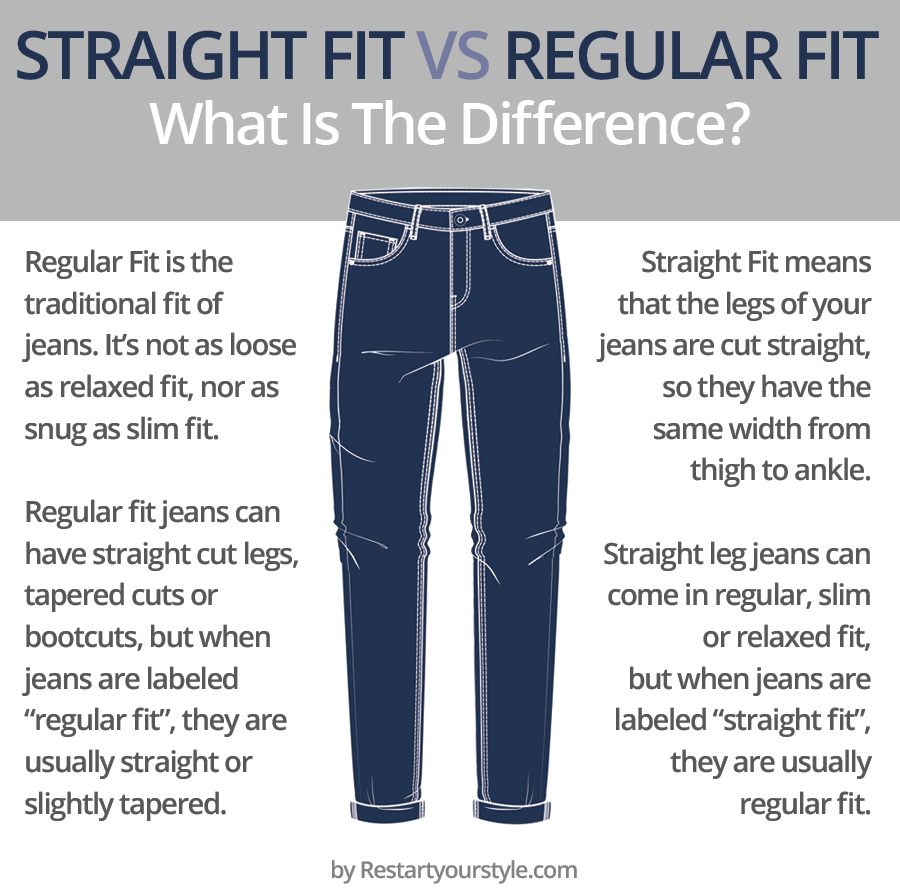
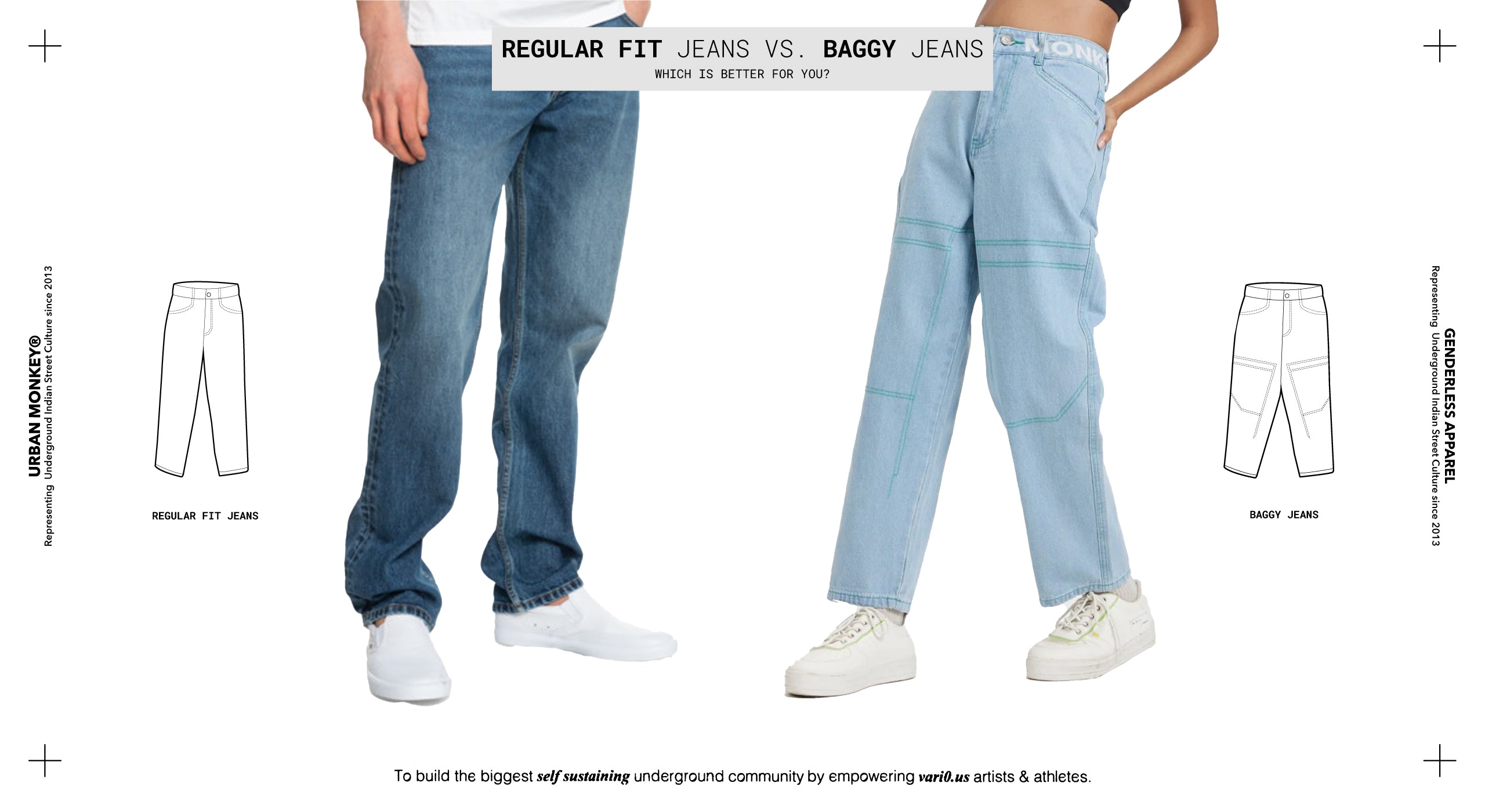
Regular fit is the classic, easy shape you see in everyday jeans and chinos. It has more room in the seat and thigh, then falls in a straight or slightly tapered line to the hem. It does not hug the thigh, and it avoids the baggy look of relaxed cuts.
Most regular fit pants use a mid-rise that sits at or just below the belly button. On average, expect extra ease around the thigh, which helps with daily movement. For men’s jeans, leg openings often land around 16 to 18 inches on a size 32, though this varies by brand and fabric.
From my work on retail floors, regular fit is a safe first choice for fuller thighs or all-day comfort. It works well for casual wear and smart casual looks where balance and comfort matter.

What Straight Fit Means
Straight fit keeps the same width from the knee to the hem for a clean, lean line. It is not skinny, but it is more streamlined than regular fit in the seat and thigh. Many straight fits sit mid-rise, though some brands offer high or low options.
A true straight fit creates a neat column from hip to ankle. The thigh is closer, but not tight, and the leg opening mirrors the knee. This is great if you want a polished shape that still feels easy to wear.
Clients who want a modern look without a tight feel often choose straight fit. It pairs well with clean sneakers, boots, and dressier tops.

Regular vs Straight Fit: Key Differences
Understanding regular vs straight fit comes down to shape, room, and style goals. Here’s how they differ in the real world.
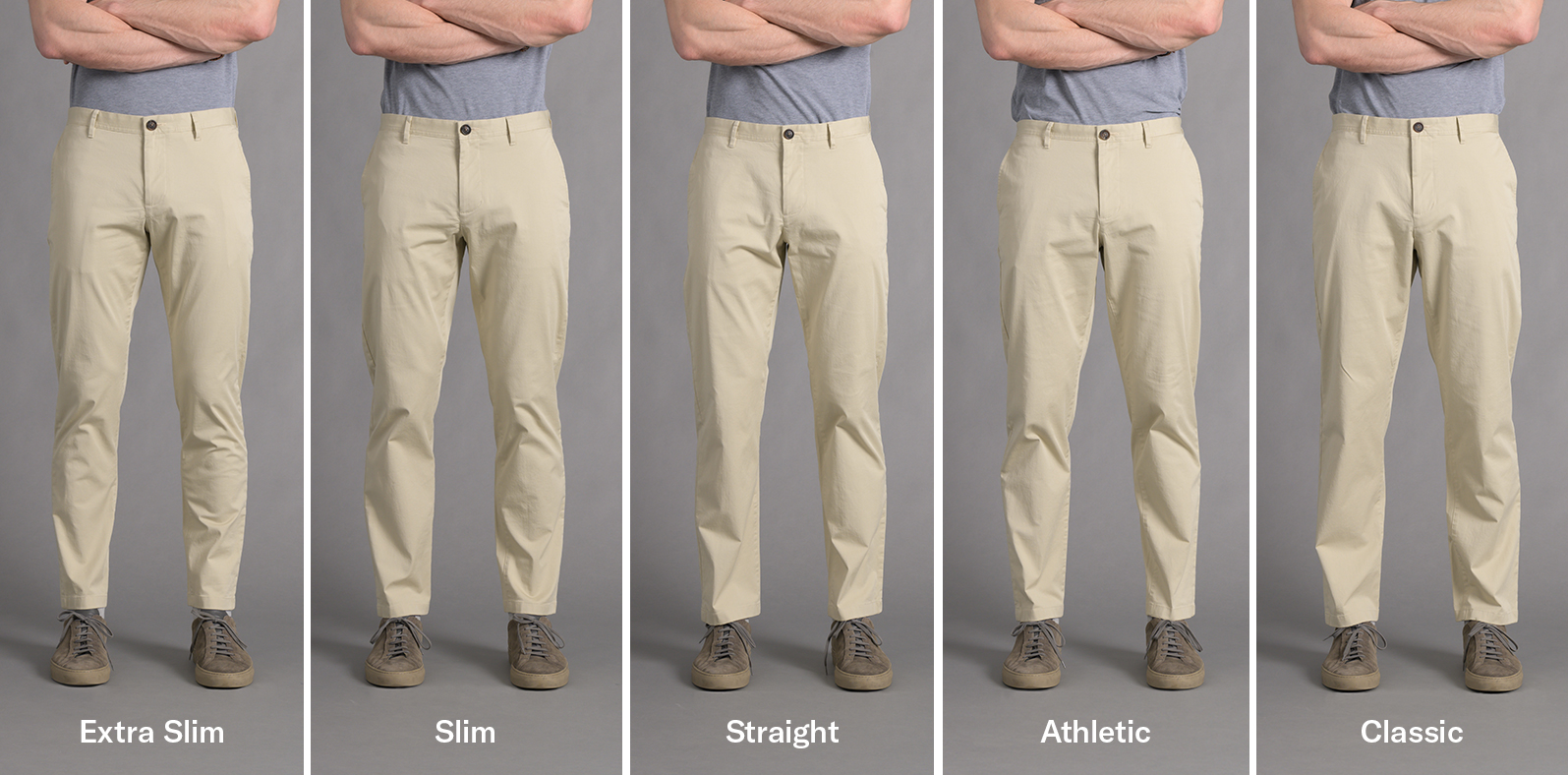
- Seat and thigh: Regular fit has more room; straight fit is closer and cleaner.
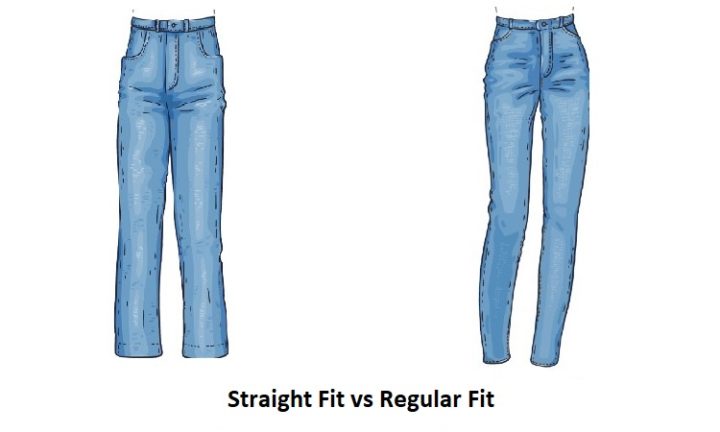
- Leg shape: Regular fit may be straight or subtly tapered; straight fit keeps a consistent line.
- Look: Regular fit reads classic and relaxed; straight fit reads modern and sharp.
- Movement: Regular fit offers more ease when sitting, cycling, or commuting.
- Footwear balance: Regular fit suits chunkier shoes; straight fit cleans up dress shoes and slim sneakers.
- Fabric effect: Stretch blends make straight fits feel less tight; rigid denim makes regular fit feel more stable.
In short, for comfort and ease, pick regular. For a clean, tailored line without going slim, pick straight. That is the heart of regular vs straight fit.

How to Choose Between Regular vs Straight Fit
Start with your body, then your style plan for the week. Use this simple flow to decide.
- If your thighs are strong or you sit a lot, try regular fit first.
- If you want a neat line with less fabric around the calf, go straight fit.
- If your shoes are bulky, like work boots, regular can balance them.
- If your shoes are sleek, like loafers, straight will look sharper.
- If the fabric has 1–2% elastane, a straight fit may still feel easy.
- If the fabric is rigid, regular fit may be more forgiving.
Quick test in the fitting room:
- Sit down and tie your shoes. If the thigh binds, try regular fit or add stretch.
- Pinch the thigh fabric. If you can pinch the width of your thumb, it’s workable.
- Check the back of the knee. If it tents or stacks too much, try straight fit.
This approach has helped my clients solve the regular vs straight fit question in minutes.
Fit by Body Type and Gender
Everyone’s shape is different, so tailor your choice to your build and needs.
Men
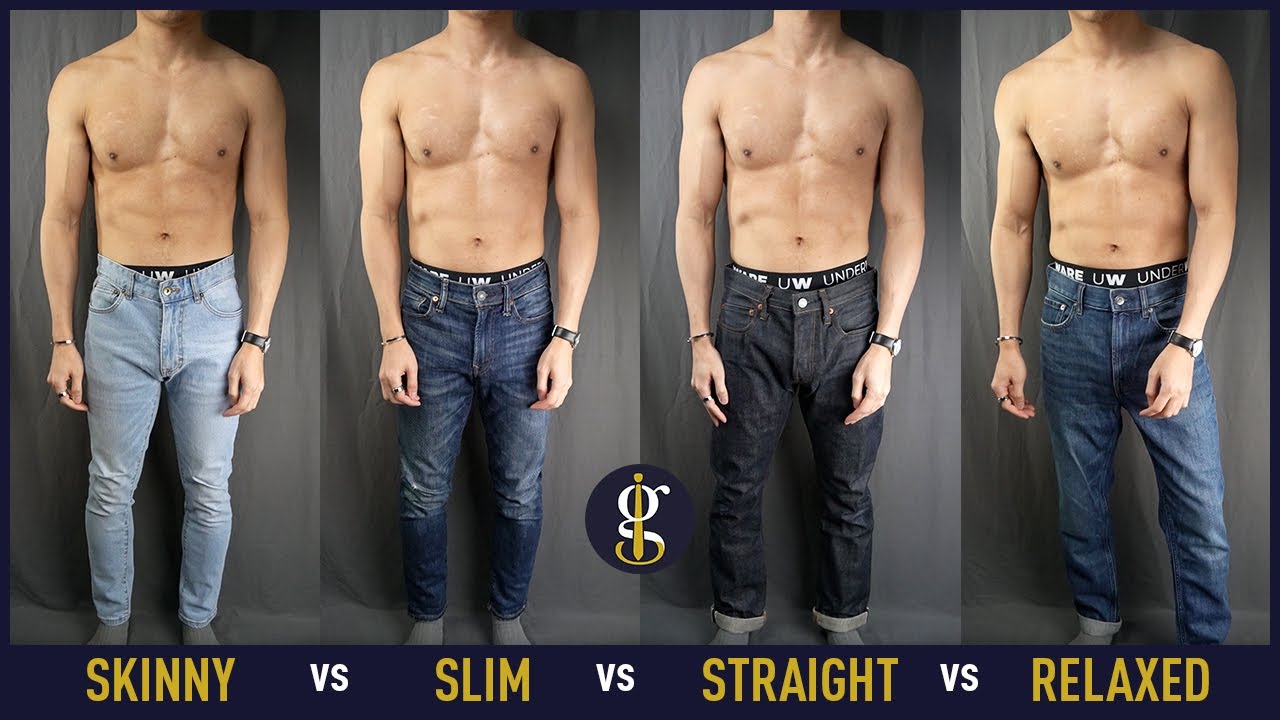
- Athletic thighs: Regular fit with slight taper keeps comfort and a clean fall.
- Slim legs: Straight fit avoids extra fabric and keeps outfits sharp.
- Big and tall: Regular fit with higher rise keeps the seat stable and avoids sag.
Women
- Curvy hips and small waist: Regular fit often prevents pulling at the hip; consider a tailored waist.
- Straighter shape: Straight fit offers a sleek leg without clinging.
- Petite: Straight fit with a tidy hem avoids pooling and looks longer.
For many clients, the best answer to regular vs straight fit is a small alteration. Hemming and a simple waist nip can make a mid-price pair look custom.

Measuring and Sizing Tips
Numbers help you cut through marketing terms. Grab a tape and check these areas.
- Waist: Measure where the waistband sits on you, not just your labeled size.
- Rise: Measure from the crotch seam to the top of the front waistband; rise changes how a fit feels.
- Thigh: Measure 1 inch below the crotch seam across the leg.
- Knee: Measure at the midpoint between crotch and hem.
- Leg opening: Measure flat across the cuff and double it.
Brand size charts and fit guides show that rise and thigh room vary widely. Raw denim can shrink, while stretch blends relax with wear. Check return windows, and try two sizes if the brand runs inconsistent.
These habits make regular vs straight fit choices faster and more accurate.
Styling Ideas for Regular vs Straight Fit
Outfits change with the cut, so plan from the shoes up.
Regular fit
- T-shirts, work shirts, and hoodies keep a chill, classic vibe.
- Chunky sneakers, hikers, or moc-toe boots balance the leg opening.
- A cuff or single roll adds shape without looking tight.
Straight fit
- Button-downs, polos, and blazers lean dressy without going formal.
- Court sneakers, loafers, or Chelsea boots keep the line clean.
- A no-cuff hem or a tight single fold looks modern and neat.
When clients ask about regular vs straight fit for the office, I suggest straight fit in dark rinse denim or twill. It reads smart but stays comfortable.
Care, Fabric, and Stretch
Fabric changes the feel of regular vs straight fit more than most people expect. Stretch blends with 1–2% elastane soften the thigh in straight fits. Heavier rigid denim keeps the structure of regular fits.
Care tips that protect fit:
- Wash less to avoid blowing out knees and seat.
- Cold water, inside out, to reduce fade and shrink.
- Hang dry to keep the hem and rise stable.
- If the seat bags out, a short warm rinse can reset shape.
If you buy raw denim, expect some shrink with the first wash. Hemming after one wash helps lock in your real inseam.
Common Mistakes and Fixes
These quick fixes clear up most regular vs straight fit problems I see.
- Buying by waist only: Fit depends on rise and thigh. Check both before you buy.
- Confusing slim straight with true straight: Slim straight is closer in the thigh; read the product notes.
- Ignoring shoes: A wide opening can swallow sleek shoes; a slim opening can stack on bulky boots.
- Forgetting stretch: Straight fits with stretch can feel like regular fits in motion.
- Skipping the sit test: Always sit, squat, and walk a flight of stairs in the fitting room.
A five-minute test can save five returns.
Frequently Asked Questions of regular vs straight fit
Is regular fit the same as relaxed fit?
No. Regular fit has ease without extra volume. Relaxed fit adds more room through the seat and thigh for a looser look.
Does straight fit mean skinny?
No. Straight fit is a clean column from knee to hem. Skinny tapers hard from thigh to ankle and clings to the leg.
Which is better for athletic thighs: regular vs straight fit?
Regular fit usually wins for comfort and range of motion. If you want a sharper line, try straight fit with 1–2% stretch.
What rise works best for regular vs straight fit?
A mid-rise works for most people because it balances comfort and shape. High rise can help prevent back gaping on curvier bodies.
Will straight fit look dressier than regular fit?
Often yes. The clean line of straight fit reads more tailored, especially in dark denim or twill with minimal fading.
Can women wear men’s straight or regular fits?
Yes, many do for a looser, borrowed look. Size down at the waist and consider a quick tailoring for the best shape.
How do I stop leg twisting on straight fit jeans?
Look for better pattern alignment and quality control. A slight twist can also relax after a few wears, but severe twist needs an exchange.
Conclusion
Regular vs straight fit comes down to comfort versus a clean line. Regular fit gives room in the seat and thigh for easy movement. Straight fit offers a sharp, simple shape that suits work and weekends. Try both, do the sit test, and pick the cut that supports your day.
Use what you learned here on your next shopping trip. Compare regular vs straight fit side by side, check rise and thigh, and trust what feels good. Want more hands-on advice? Subscribe for future guides, or drop your questions in the comments and I’ll help you dial in your perfect fit.