Skinny fit hugs tight from hip to hem; slim fit allows subtle ease.
If you’ve ever stood in a fitting room wondering skinny fit vs slim fit, you’re not alone. I’ve helped many clients and readers find the right look without the squeeze. In this guide, I’ll break down skinny fit vs slim fit with real examples, simple steps, and expert tips that save time, money, and stress. Stick with me, and you’ll walk away knowing exactly which cut flatters your shape and suits your life.
What Do Skinny Fit and Slim Fit Mean?
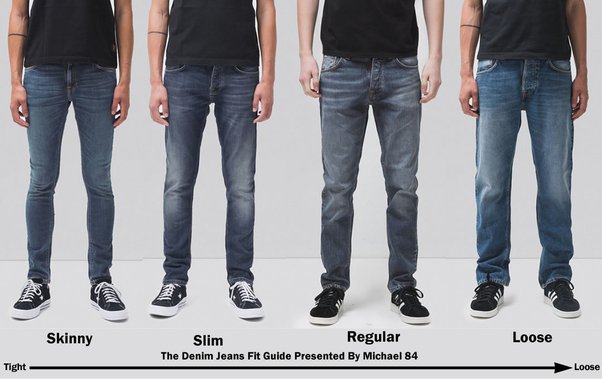
Skinny fit is tight from hip to ankle. It hugs the body and tapers hard at the leg. The ankle opening is small. Think sleek, sharp, and close.
Slim fit follows the body without clinging. It has room in the seat and thigh. The leg tapers, but not as much. The ankle opening is a bit wider.
When people ask about skinny fit vs slim fit, I start here. You choose based on how close you want the fabric to sit on your body.
Skinny Fit vs Slim Fit: Key Differences
Use these quick cues to see the gap between the two.
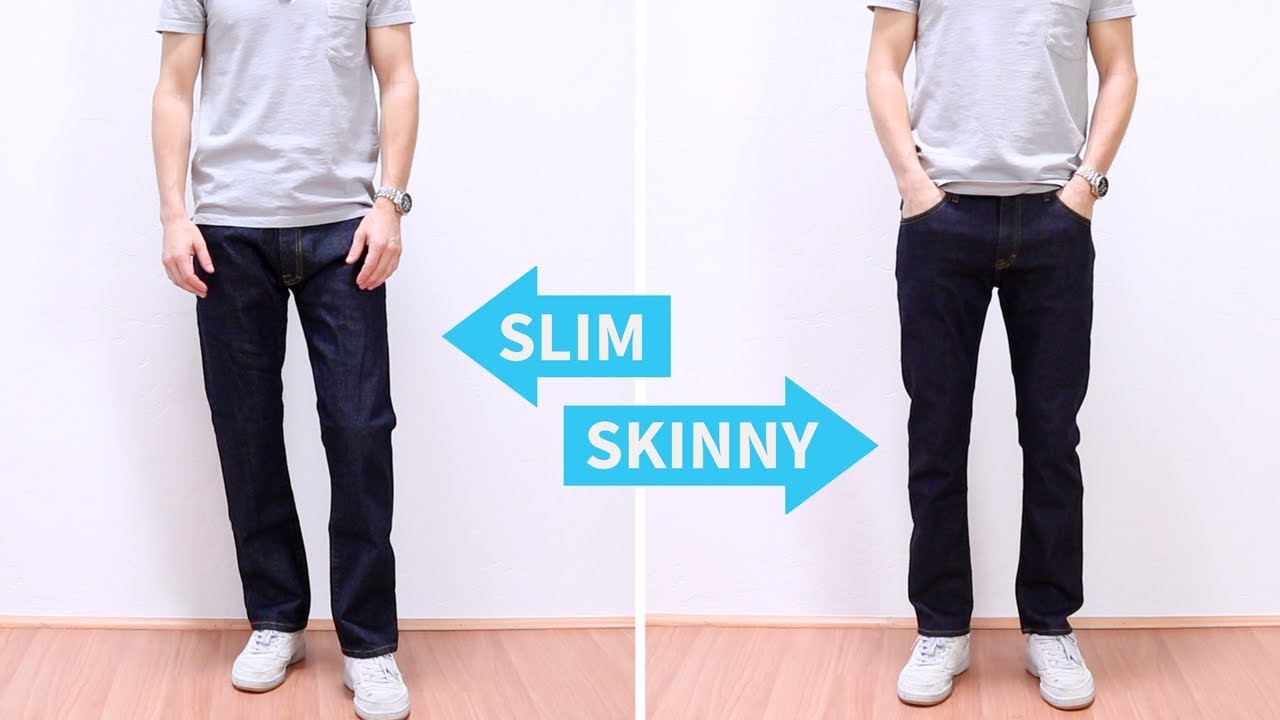
- Silhouette: Skinny is body-hugging. Slim is body-skimming.
- Thigh and seat: Skinny is snug. Slim has light ease.
- Knee to ankle: Skinny tapers hard. Slim tapers soft.
- Rise and comfort: Both vary by brand. Skinny often feels tighter on the waist.
- Mobility: Skinny can limit range. Slim moves easier.
- Best use: Skinny for a sharp, modern edge. Slim for clean lines and daily wear.
Across jeans, chinos, and trousers, skinny fit vs slim fit plays out the same way. Skinny is closer. Slim gives space.

How to Choose Based on Body Type and Goals
Match the fit to your frame and your day.
- Lean build: Skinny and slim both work. Pick skinny for a razor look. Pick slim for comfort.
- Athletic build: Try slim first. It gives room in the thigh and seat.
- Stocky build: Slim is kinder. Skinny may pinch at the thigh and calf.
- Tall: Slim balances your height and keeps lines clean.
- Short: Either can work. Slim with a slight crop can lengthen the leg.
Here is my rule from many fittings: start with slim, then size down if needed. In skinny fit vs slim fit testing, most people prefer comfort first. Seek a close look without strain at the knee and seat.

Sizing, Measurement, and Stretch
Good fit starts with the tape.
- Waist: Measure at the belly button line.
- Seat: Measure the fullest part.
- Thigh: Measure one inch below the crotch.
- Inseam: Measure from crotch to ankle bone.
Fabric makes a big difference. Denim or cotton with 1–3% elastane adds stretch. Skinny needs stretch to move well. Slim can work with less stretch. If you are between sizes, try the smaller size in stretch fabric. In all skinny fit vs slim fit cases, aim for a secure waist with no muffin top and no gaping.

Styling Guide: Jeans, Chinos, Shirts, and Suits
Make each fit work for you.
Jeans
- Skinny: Pair with slim tees, cropped jackets, and Chelsea boots.
- Slim: Wear with casual tees, overshirts, and low-profile sneakers.
Chinos
- Skinny: Great for nights out with a fitted polo.
- Slim: Easy for the office with an Oxford shirt and loafers.
Shirts and layers
- Skinny pants: Keep tops neat and not bulky.
- Slim pants: Allow a bit more volume up top, like a light bomber.
Suits and dress pants
- Skinny: Fashion-forward, but risky if too tight.
- Slim: Modern, clean, and safe for work and events.
A handy skinny fit vs slim fit tip: keep balance. A tight bottom pairs best with a tidy top. A slim bottom allows more texture and layers.

Comfort, Mobility, and Health Considerations
Your clothes should move with you. If skinny squeezes your thigh or calf, you may feel numbness or tightness when you sit. That is a sign to size up or switch to slim. Stretch helps, but it cannot fix a poor cut.
For long commutes or desk days, I suggest slim. For short outings or styled shoots, skinny can shine. In the skinny fit vs slim fit debate, comfort wins the long game.

Durability, Care, and Sustainability
Tighter fits stress seams, knees, and pockets. Skinny can blow out faster if the fabric is stiff. Slim spreads pressure more evenly. Choose reinforced stitching at stress points.
Care tips
- Wash less and inside out in cold water.
- Air-dry to protect shape and stretch.
- Avoid high heat. It breaks down elastane.
If you love skinny, pick a premium stretch blend. If you want fewer replacements, slim often lasts longer. This is true in most skinny fit vs slim fit trials I’ve seen over the years.
Price and Value
Prices vary by brand and fabric. Stretch and premium weaves can cost more. Tailoring is easier on slim trousers than on skinny, since there is more fabric to work with. If you need one pair to do it all, slim gives you more mileage per dollar. Still, skinny can be worth it if you love a sharp, lean line. Value in skinny fit vs slim fit comes from use, not price alone.

Differences Across Brands and Regions
Sizes shift by brand and region. Some brands use vanity sizing. European cuts can run slimmer than US cuts. Always check the size chart for thigh, knee, and leg opening.
When shopping online, read the fabric mix and fit notes. If a brand calls something “skinny,” look for the leg opening number. In real skinny fit vs slim fit tests, the leg opening often tells the true story.
A Simple Decision Framework
Use this quick process in the fitting room.
- Try a slim pair in your usual waist first.
- Do a sit test. If it pinches, go up one size or choose stretch.
- If you want a tighter look, try the same fabric in skinny.
- Check the knee and calf. You should bend and climb stairs with ease.
- Look at the ankle opening. Does it suit your shoe style?
- Do the mirror test. If you need to tug or adjust, it is not the one.
This flow makes skinny fit vs slim fit choices fast and stress-free.
Frequently Asked Questions of Skinny Fit vs Slim Fit
Which is more comfortable: skinny or slim?
Slim is usually more comfortable because it has extra room in the seat and thigh. Skinny can work if the fabric has good stretch.
Can bigger guys wear skinny fit?
Yes, but choose high-stretch fabric and avoid extreme taper. Many feel better in slim with a tailored hem.
Do skinny jeans go out of style?
Trends shift, but skinny stays a core option. A clean dark wash keeps it timeless.
What shoes work best with skinny vs slim?
Skinny pairs well with sleek sneakers, Chelsea boots, and dress boots. Slim works with most shoes, including loafers, trainers, and brogues.
How should the waistband fit?
It should feel secure without digging in. You should slide two fingers inside the waistband with ease.
Are slim-fit dress pants okay for formal events?
Yes. Slim is modern and safe for weddings and work. Keep the break short and the taper clean.
How much stretch should I look for?
For skinny, 2–3% elastane helps comfort and movement. For slim, 1–2% is often enough.
What if my jeans bag out during the day?
Choose a blend with better recovery or size down slightly. Air-dry instead of using high heat.
Is slim fit better for the office?
Usually yes. Slim gives a clean line that matches most dress codes. Pair with a crisp shirt and simple shoes.
How do I stop ankle stacking?
Pick the right inseam or ask for a slight crop. A small taper and no break look neat on both fits.
Conclusion
Skinny fit shapes a sharp, close line. Slim fit keeps a clean shape with room to move. Your best choice rests on comfort, fabric, and how you live each day. Use the tests above, trust the mirror, and aim for ease without sag.
Try two sizes, compare skinny fit vs slim fit side by side, and note how you feel after a sit test. Ready to find your perfect pair? Save this guide, share it with a friend, and drop your questions in the comments.