Slim fit is tighter; modern fit offers room with a clean shape.
If you have ever stood in a fitting room, unsure which cut flatters you, you are not alone. I have fitted hundreds of clients, and slim fit vs modern fit comes up every week. This guide breaks down real differences, gives pro tips, and shows how to choose with confidence. Keep reading to learn how slim fit vs modern fit works across suits, shirts, jeans, and more.
What do slim fit and modern fit mean?
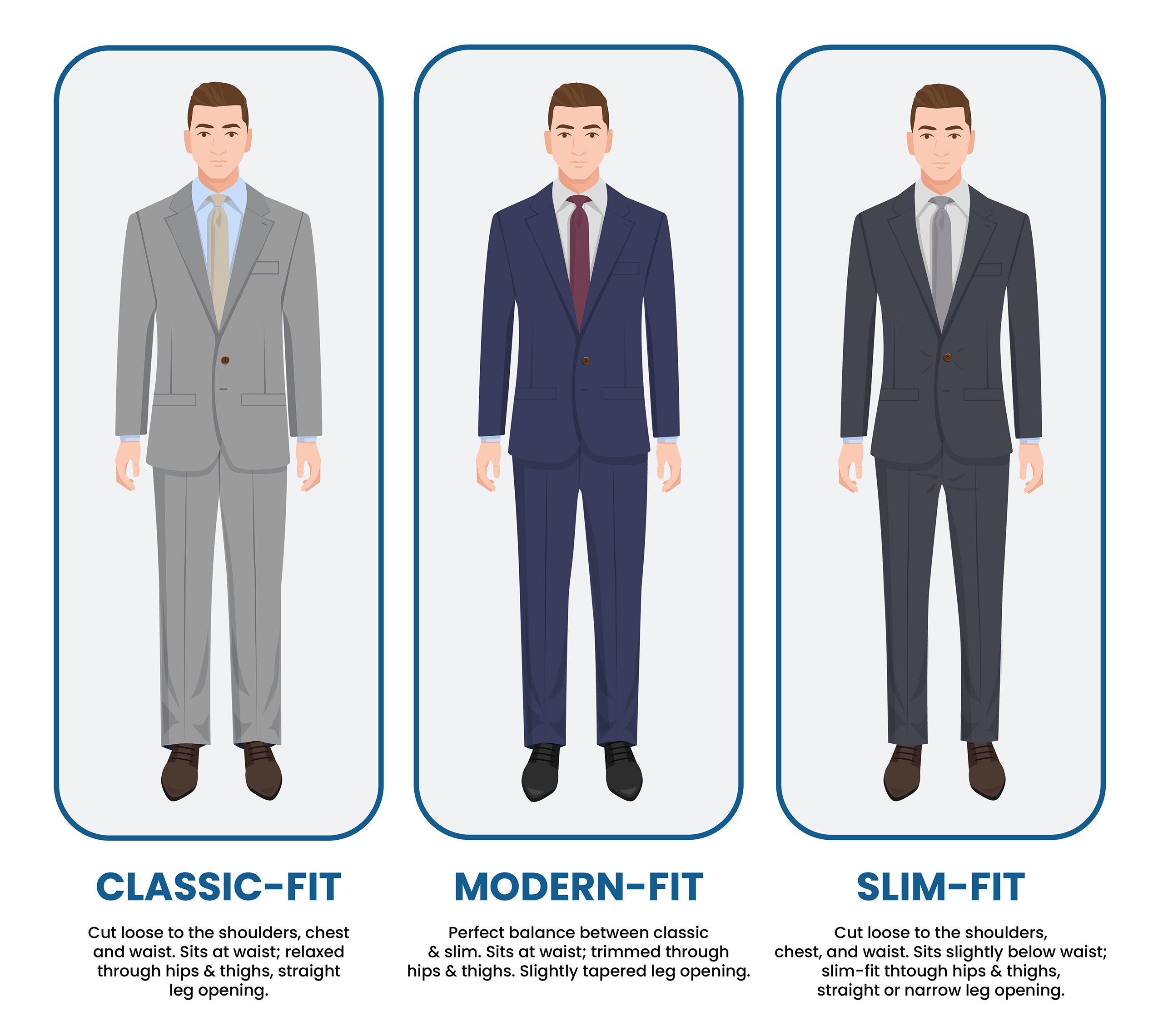
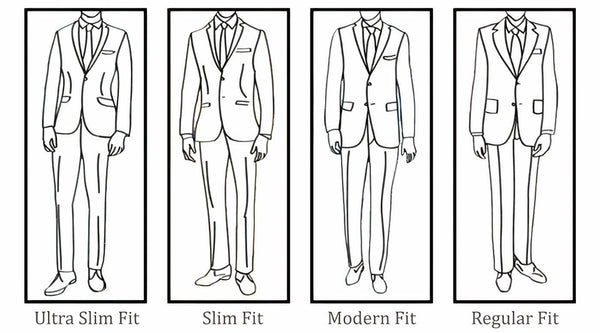
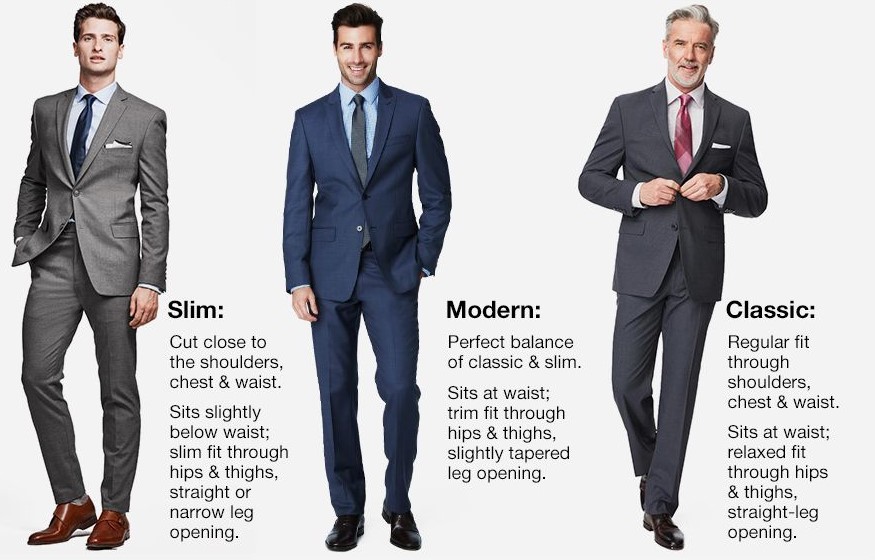
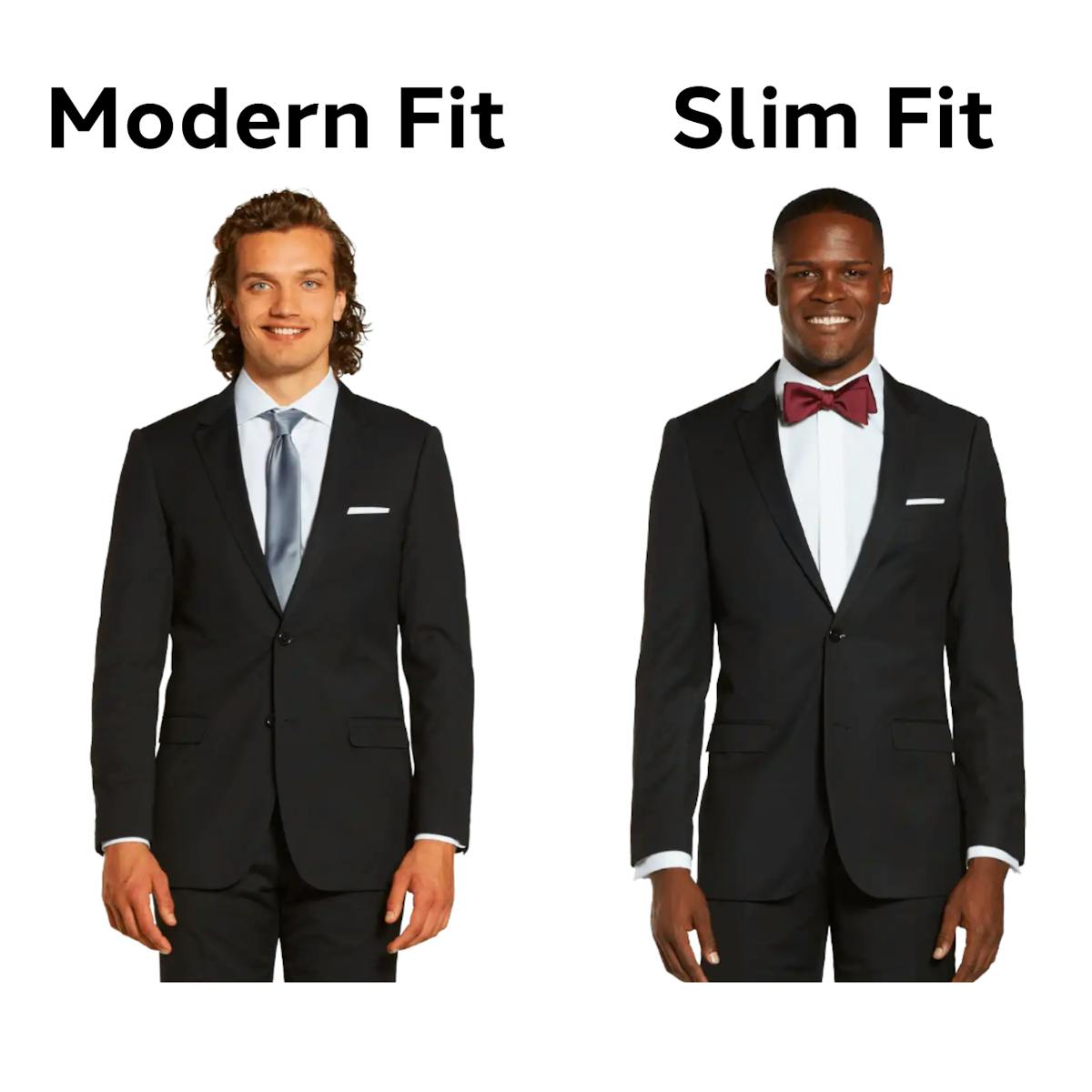
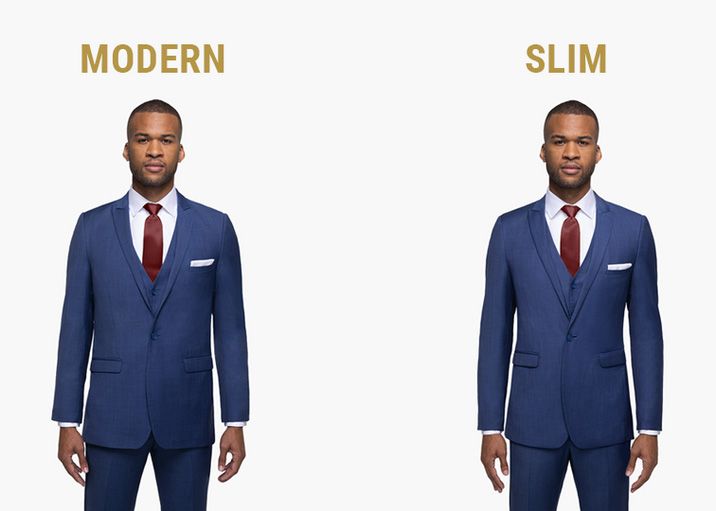
Slim fit follows the lines of the body. It tapers at the waist and leg. It sits close across the chest, seat, and sleeves. Ease is low, so fabric has less extra room.
Modern fit is clean but not tight. It keeps a shaped waist and leg, with a bit more ease. It looks sharp without feeling snug. It is a safe pick for daily wear and many body types.
Typical ease ranges used by tailors and brands:
- Shirts and jackets: slim fit often has 1–2 inches of chest ease; modern fit often has 2–4 inches.
- Trousers and jeans: slim fit thighs are narrow with a close knee opening; modern fit allows more thigh room with a gentle taper.
- Rise and seat: slim fit sits higher on the seat with a trim rise; modern fit gives a touch more space and comfort.
These ranges vary by brand and fabric. Stretch fabrics can make a slim fit feel easier to wear. If you shop online, check the size chart and the posted measurements.
Slim fit vs modern fit: key differences at a glance
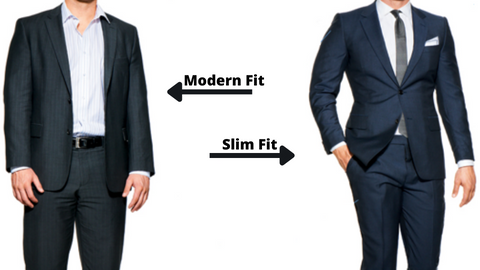
- Silhouette: slim is close and tapered; modern is shaped and easy.
- Chest and shoulders: slim feels snug across the chest; modern allows a deep breath.
- Waist shape: slim has a sharp V from chest to waist; modern has a gentle V.
- Sleeve and armhole: slim armholes are higher with narrow sleeves; modern has slightly wider sleeves for movement.
- Seat and thigh: slim is trim through seat and thigh; modern gives room to sit and move.
- Leg opening: slim is narrow at the ankle; modern is tapered but not tight.
- Rise: slim can feel shorter; modern tends to sit more natural on the waist.
- Fabric drape: slim shows the body; modern drapes clean without cling.
- Best for: slim favors lean or athletic frames; modern suits most builds and daily wear.
If you want a crisp shape but hate the squeeze, modern fit is a sweet spot. If you love a sharp, tailored line and you use stretch fabrics, slim fit can look great.
How to choose: body type, lifestyle, and climate
Body type
- Lean frame: slim fit works well for a sleek look. Modern fit also flatters if you want comfort.
- Athletic with broad shoulders or thighs: modern fit balances shape and room. Many athletes size up in slim and tailor down.
- Fuller midsection: modern fit smooths lines and avoids pull lines. Slim fit can cling at the waist.
- Tall or short: slim fit can elongate; modern fit keeps balance without making you look boxy.
Lifestyle
- Office and long commutes: modern fit helps you sit and move with ease.
- Events and photos: slim fit looks sharp in pictures if it is not too tight.
- Travel: modern fit breathes and hides wrinkles better.
Climate
- Warm weather: modern fit allows airflow. Pair with light, breathable fabrics.
- Cold weather: modern fit layers better over a knit or undershirt.
Measurement guide: how to check the right fit
Grab a soft tape and note your body numbers. Then compare to garment measurements.
- Chest: measure around the fullest chest. For slim fit, add about 2 inches to your body chest. For modern fit, add about 3–4 inches.
- Waist: measure at your natural waist. Slim trousers often match your number with little ease; modern adds 1–2 inches for comfort.
- Seat: measure around the fullest seat. Slim fit can be 2–3 inches over body; modern often 3–4 inches.
- Thigh: measure one inch below the crotch. Check brand thigh and knee specs to avoid squeeze.
- Sleeve and shoulder: seams should meet your shoulder bone. A small roll is fine in modern fit; slim should be neat without strain.
Use these as guides, not rules. Fabric stretch and brand blocks can change the feel a lot.
Trying on clothing: a quick fit test in the dressing room
- Sit, stand, and reach. If you feel pinch at the seat or back, size or fit is off.
- Do the hug test. Cross your arms. If the jacket pulls hard across your back, try modern fit or size up.
- Pinch test. You should pinch 1–2 inches at the jacket waist for slim, 2–3 inches for modern.
- Knee bend test. If jeans bite at the thigh, you may need modern fit or more stretch.
- Mirror check. Look for lines that pull like arrows. They point to stress.
Alterations and tailoring tips
Many slim fit vs modern fit issues can be solved with small tweaks.
- What is easy to alter: sleeve length, jacket waist, trouser hem, and taper from the knee down.
- What is harder: shoulder width, seat let-out when seam allowance is small, and jacket length.
- Strategy: if the chest and shoulders fit, a tailor can shape the waist. In trousers, buy for the seat and thigh, then taper.
- Fabrics with stretch can hide small fit misses. Pure wool and cotton show pull lines more.
I often guide clients to buy modern fit jackets that fit the shoulders, then nip the waist. The result looks tailored but feels easy.

Common mistakes and how to avoid them
- Chasing trends over fit. A slim tag does not mean it will flatter your build.
- Ignoring rise. A low rise in slim fits can cause pull at the seat. Modern rise feels safer.
- Over-tapering legs. This can make shoes look huge and knees feel tight.
- Buying for the chest and hoping the waist will shrink. Start with the shoulder fit, then alter.
- Skipping fabric checks. A rigid cotton shirt in slim can feel harsh. Add stretch or pick modern fit.

Style scenarios: what to wear when
Work
- Modern fit suits and chinos keep you sharp all day. They layer well.
Events
- Slim fit suits look sleek in photos. Use stretch or size with care.
Casual
- Modern fit jeans and tees feel easy and clean. Add a trim jacket on top.
Travel
- Modern fit pants with a bit of stretch are ideal. They resist wrinkles and let you move.
This is where slim fit vs modern fit meets real life. Dress the part, but keep comfort in mind.

Care and fabric choices affect fit
- Stretch content: 1–3% elastane makes slim fit more forgiving.
- Shrinkage: raw denim and cotton can shrink. Wash cold and hang dry.
- Wrinkle recovery: wool blends and performance cottons bounce back better in both fits.
- Heat: high heat can tighten fabrics. That can turn modern into slim by mistake.
Your care habits can change how slim fit vs modern fit feels over time. Treat clothes well and they keep shape.
Slim fit vs modern fit for suits, shirts, jeans, chinos, and T-shirts
Suits and blazers
Slim fit
- Close waist, narrow sleeve, higher armhole.
- Works for lean or athletic frames. Needs precise sizing.
Modern fit
- Clean waist, moderate sleeve, classic length.
- Ideal for office and events with long wear times.
Dress shirts
Slim fit
- Darts at the back and a tapered waist.
- Great under trim suits. Watch for pulling at buttons.
Modern fit
- Slight taper, more chest and bicep room.
- Eases movement at a desk and on calls.
Jeans and chinos
Slim fit
- Narrow thigh and knee, small leg opening.
- Best with stretch denim or twill. Sharp with sneakers or boots.
Modern fit
- Roomy thigh, gentle taper, balanced opening.
- Easy to style and forgiving when sitting.
T-shirts and polos
Slim fit
- Close chest and sleeve, shorter length.
- Flattering on lean frames. Can ride up.
Modern fit
- Relaxed chest, easy sleeve, standard length.
- Better for layering and all-day comfort.
Across categories, the same rule holds: slim fit vs modern fit is about shape plus ease. Match your frame, fabric, and use case.
Comparison summary and decision checklist
Use this quick checklist before you buy.
- Goal: do you need all-day comfort or a sharp photo look?
- Body map: where do clothes feel tight first? Chest, seat, or thigh?
- Fabric: does the item have stretch? That widens your slim fit options.
- Layering: will you wear a knit under it? Choose modern fit if yes.
- Tailoring plan: can a tailor nip or taper to perfect the shape?
If you checked comfort, layering, or fuller build, try modern fit first. If you checked sharp lines, stretch fabric, and lean build, try slim fit first. Either way, slim fit vs modern fit is a tool, not a rule.
Frequently Asked Questions of slim fit vs modern fit
Is modern fit the same as regular fit?
No. Regular fit is roomier and boxier than modern fit. Modern fit is shaped and clean while staying comfortable.
Can I tailor a slim fit to feel like modern fit?
You can let out small areas if there is seam allowance. But if it is tight in the shoulders or seat, it is hard to fix.
Which is better for big thighs: slim fit or modern fit?
Modern fit is safer for big thighs. If you prefer slim, look for stretch and a roomier thigh spec.
Does slim fit always look better in photos?
Not always. A too-tight slim fit shows pull lines that cameras catch. A well-fitted modern cut can look sharper.
What rise works best for comfort?
A mid or natural rise in modern fit helps most people. Low rises in slim fits can pull when you sit.
Are slim fit vs modern fit sizes the same across brands?
No. Each brand uses its own blocks and ease. Always check measurements and try on when possible.
Which fit is better for hot weather?
Modern fit breathes better due to extra ease. Pair it with light, open-weave fabrics for airflow.
Can athletic builds wear slim fit suits?
Yes, with stretch fabric and correct shoulder fit. Many athletes buy modern fit and tailor the waist for a sharp look.
How do I stop shirt buttons from gaping in slim fit?
Size for the chest and consider modern fit or stretch fabric. Darts and tailoring can refine the waist later.
Does fabric weight change how fits feel?
Yes. Heavy fabrics feel tighter in slim cuts. Lighter or stretchy fabrics make slim fit more wearable.
Conclusion
Slim fit vs modern fit is a choice between sharp lines and smart ease. Pick the cut that serves your build, your day, and your fabric, then fine-tune with simple tailoring. Start with two tries in the fitting room—one slim, one modern—and use the checklist to decide. Ready to dial in your best fit? Save this guide, subscribe for more style tips, and share your questions in the comments.