Slim fit trims the lines; regular fit gives extra room and easy comfort.
If you struggle to choose between slim fit vs regular fit, you’re in the right place. I’ve helped hundreds of clients pick great fits that look sharp and feel easy. This guide breaks down slim fit vs regular fit with clear steps, real examples, and fit tricks you can use today.
What slim fit and regular fit really mean
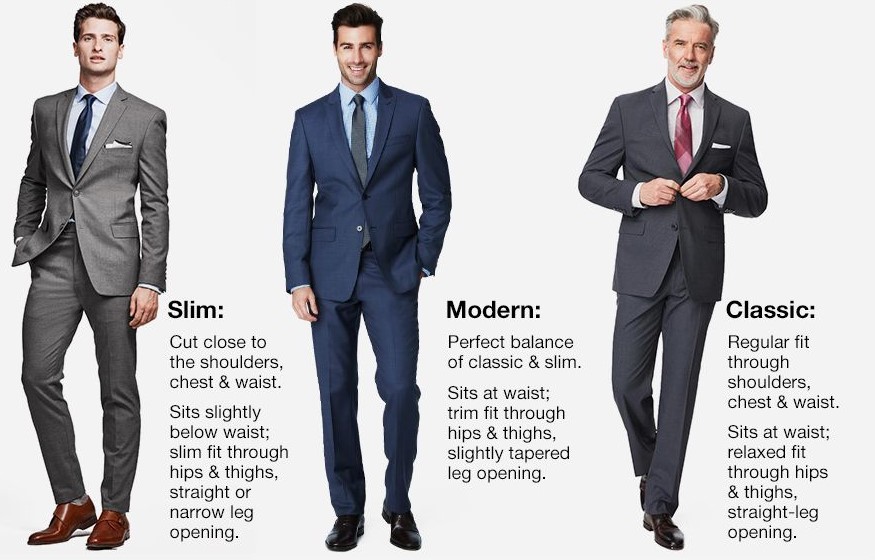
Slim fit follows the shape of your body. It narrows at the waist and legs. It looks modern and sharp. It works well when you want a clean line.
Regular fit gives you more room in the chest, waist, seat, and thighs. It drapes straight. It feels easy and classic. It works for many body types and daily wear.
Brands use these terms in different ways. A slim fit in one brand can feel like a regular fit in another. When you compare slim fit vs regular fit in stores, always try two sizes and two fits. Your best choice depends on shape, not just size.
I see this play out often. A client with broad shoulders and strong thighs looked boxy in regular fit chinos. But a slim fit with stretch gave him shape without squeeze. On the flip side, a client with a fuller midsection felt pinched in slim shirts. A regular fit with a small taper at the waist nailed the look.
Key idea for slim fit vs regular fit: pick the fit that flatters your shape and matches your day. Style follows comfort and function.
Measurements that set the fits apart
Numbers help you see the gap in slim fit vs regular fit. Typical ranges vary by brand, but these guides hold up well.
Shirts and T‑shirts
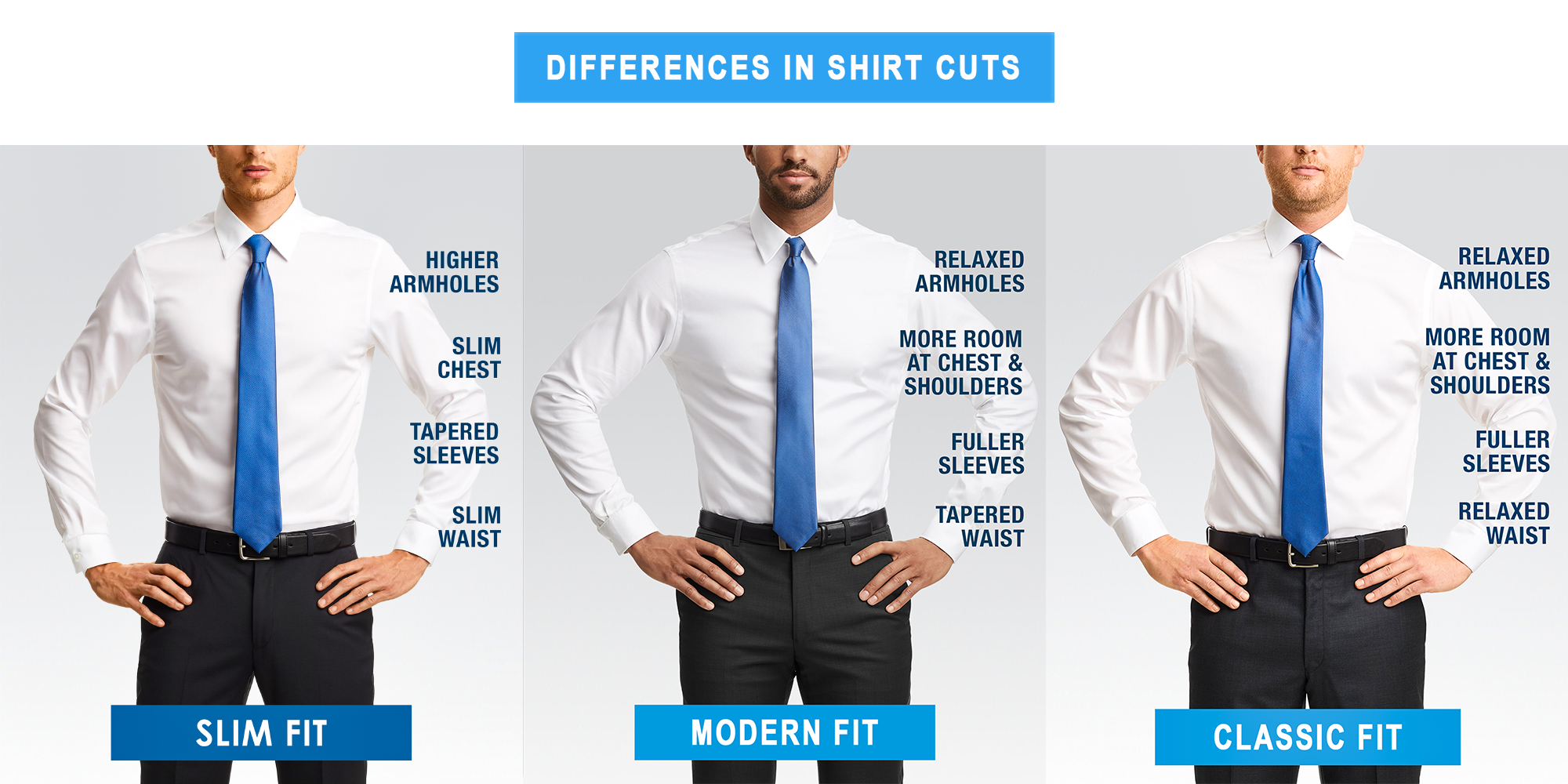
- Chest ease over body: slim fit 2 to 4 inches, regular fit 4 to 6 inches.
- Waist drop from chest: slim fit 3 to 6 inches, regular fit 1 to 3 inches.
- Sleeve width: slim fit tapers from bicep to cuff, regular fit stays straighter.
Jeans and chinos
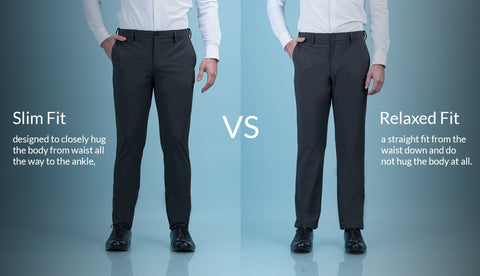
- Thigh ease: slim fit 1 to 2 inches over body, regular fit 2 to 3 inches.
- Knee and leg opening: slim fit narrows more, regular fit drops less.
- Rise: regular fit often has a touch more rise for comfort.
Suits and blazers
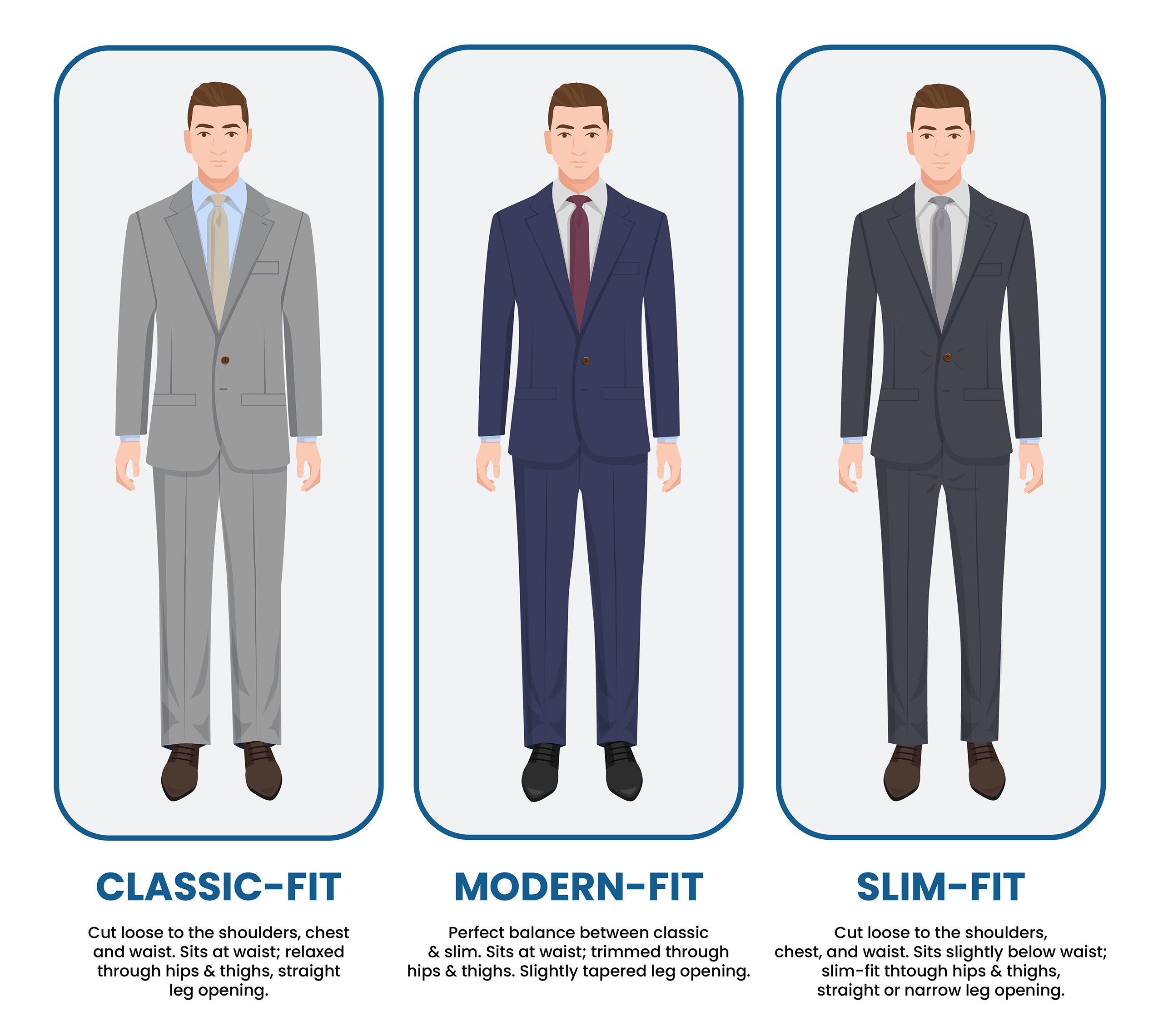
- Jacket waist: slim fit nips at the waist for a V shape, regular fit is straighter.
- Trousers: slim fit has a clean break with smaller leg openings, regular fit has space for the thigh and calf.
These numbers are guides. Always measure a garment you love and compare. That is the fastest way to win slim fit vs regular fit for your shape.

Body types and posture: choose with intent
Slim fit vs regular fit is not about size alone. It is about balance.
If you have an athletic V shape
- Slim fit can enhance shoulders and keep the waist neat.
- Pick stretch fabrics to avoid tight spots at the back or thighs.
If you have a fuller midsection
- Regular fit helps avoid pull lines at the buttons.
- You can tailor the sides for shape without squeeze.
If you have strong thighs or a seat
- Regular fit or a slim-straight leg will feel better.
- A slim top and regular bottom keeps your look in balance.
If you are slender
* Slim fit adds polish without extra fabric.
- Avoid very skinny cuts that make you look smaller.
Posture matters too. If you round your shoulders, slim shirts can pull at the upper back. A regular fit with a small dart at the waist can fix that. This is why slim fit vs regular fit is a tool, not a rule.
By garment: how the choice changes
Shirts
- Office days: a slim fit dress shirt looks sharp under a blazer.
- Casual days: a regular fit Oxford drapes well over jeans.
T‑shirts
- Slim fit works for clean lines under jackets.
- Regular fit breathes better in heat and hides midsection lines.
Jeans and chinos
- Slim fit with stretch suits smart casual looks.
- Regular fit works for long commutes, travel, and boots.
Suits and blazers
- Slim fit is great for events and photos.
- Regular fit is timeless and easy to alter.
Outerwear
- Slim coats layer poorly over chunky knits.
- Regular fit coats leave room for a sweater or suit jacket.
Think of slim fit vs regular fit like camera lenses. Slim is a prime lens: crisp and focused. Regular is a zoom: flexible and forgiving.

Fabric, stretch, and drape
Fabric can make slim fit vs regular fit feel very different.
Cotton poplin
- Crisp, holds shape, shows pull lines if too tight.
Oxford or chambray
- Heavier, hides lines, works well in regular fit.
Denim with stretch
- Slim fit feels easier with 1 to 2 percent elastane.
Wool suiting
- A half canvas jacket in regular fit moves and breathes better.
- Slim fit looks sharp but needs clean shoulder fit.
Knit tees
- Slim fit can cling; size up if the fabric is thin.
Small fiber changes shift comfort a lot. When in doubt, choose stretch in slim fit to avoid strain at stress points.

Tailoring: get the best of both worlds
You can blend slim fit vs regular fit with simple alterations. This is how I solve most fit gaps.
Quick wins
- Hem pants to the right break. A clean hem makes any fit look better.
- Taper sleeves or legs slightly. Start small.
- Add darts to a regular fit shirt to shape the waist.
- Let out seams at the seat or thighs for comfort.
What to avoid
- Do not force a slim jacket two sizes small and hope to tailor it. Shoulders and chest are hard to fix.
- Do not over-taper legs. It can throw off balance and shorten the look.
A good tailor can turn a safe regular fit into a neat custom look. That is a smart way to win slim fit vs regular fit without buying new.

Common mistakes and easy fixes
Mistakes I see when people compare slim fit vs regular fit:
Pull lines across the buttons
- Size up or switch to regular fit. Add darts if needed.
Pocket flare on chinos
- Too tight at the hips. Try regular fit or a curved waistband.
Twisting side seams on jeans
- The thigh is tight. Choose a slim-straight or regular fit.
Strained suit back
- Jacket is tight at the blades. Try a regular fit block or add back ease.
Ankles bunching
- Hem length is off. Adjust the break.
Small changes fix most of these fast.
How to choose in less than five minutes
Use this simple fit test to settle slim fit vs regular fit.
- Start with your best-fitting piece at home. Measure chest, waist, thigh, and leg opening.
- Try two sizes and two fits in the same brand. Move, sit, reach up, and breathe deep.
- Check stress points: shoulder seams, upper back, seat, thighs, and waist button.
- Look for clean lines, not tight lines. No pulling, no bunching.
- If you are between fits, pick the one that is comfy and tailor the rest.
Rule of thumb for photos and events: lean slim. Rule for long days and travel: lean regular. That is the heart of slim fit vs regular fit.

Comfort, durability, and cost
Comfort
- Slim fit can feel snug over hours. Stretch helps.
- Regular fit lets air flow and reduces friction.
Durability
- Tight spots wear fast. If slim rubs at the thighs, expect fade or tear sooner.
- Regular fit spreads stress and often lasts longer.
Cost
- Tailoring a regular fit can be cheaper than chasing a new slim size.
- Buy once, tailor once. That beats many fast returns.
This is the practical side of slim fit vs regular fit. Comfort and wear add up over time.
Style playbook: match fit to the moment
Work
- Slim shirt, regular trousers, neat shoes. Balanced and sharp.
Date night
- Slim dark jeans, regular overshirt, clean sneakers.
Weekend
- Regular tee, regular chinos, light jacket. Easy and relaxed.
Weddings
- Slim suit if it fits the shoulders. Regular suit if you need to move and dance.
Travel
- Regular fit with stretch. Your body will thank you.
Use slim fit vs regular fit like tools in a kit. Pick the right one for the job.
Real stories from the fitting room
A startup founder came in before a big pitch. His slim shirt pulled at the chest. We moved him to a regular fit with back darts. He could raise his arms and looked sharp on stage.
A photographer needed pants for 12-hour shoots. Slim jeans cut into his thighs when he knelt. A regular fit with a tapered leg opening solved it. He looked clean and stayed comfy.
These wins show how slim fit vs regular fit is not a battle. It is a choice that serves your day.
Frequently Asked Questions of slim fit vs regular fit
Is slim fit the same as skinny fit?
No. Slim fit follows the body but leaves room to move. Skinny fit hugs tight from hip to ankle.
Can regular fit look modern?
Yes. Tailor the waist or taper the leg slightly. You keep comfort and gain shape.
Which fit is better for heat?
Regular fit breathes better since air can move inside. Light fabrics and looser cuts help a lot.
How do I know if slim fit is too tight?
Look for pull lines at buttons, stress at the seat, or high armholes. If you feel pinched when you sit, size up or try regular.
Should short men avoid regular fit?
Not always. Short men can wear regular fit with clean hems and small tapers. Proportion matters more than labels.
What fit works for big thighs?
Regular fit or athletic fit with stretch works well. A slim-straight leg keeps shape without squeeze.
Can I mix fits in one outfit?
Yes. Try a slim shirt with regular trousers, or a regular tee with slim jeans. Balance is the key.
Conclusion
Slim fit vs regular fit is about shape, comfort, and context. Slim gives crisp lines and a sharp look. Regular frees movement and lasts through long days. Most people need both in their closet.
Use the five-minute fit test, check stress points, and tailor small details. Start with one item you wear often and get that fit right this week. Want more tips like this? Subscribe, share your questions, or drop a comment with your fit wins and pain points.