Struggling to find space for exercise in your small apartment? You’re not alone.
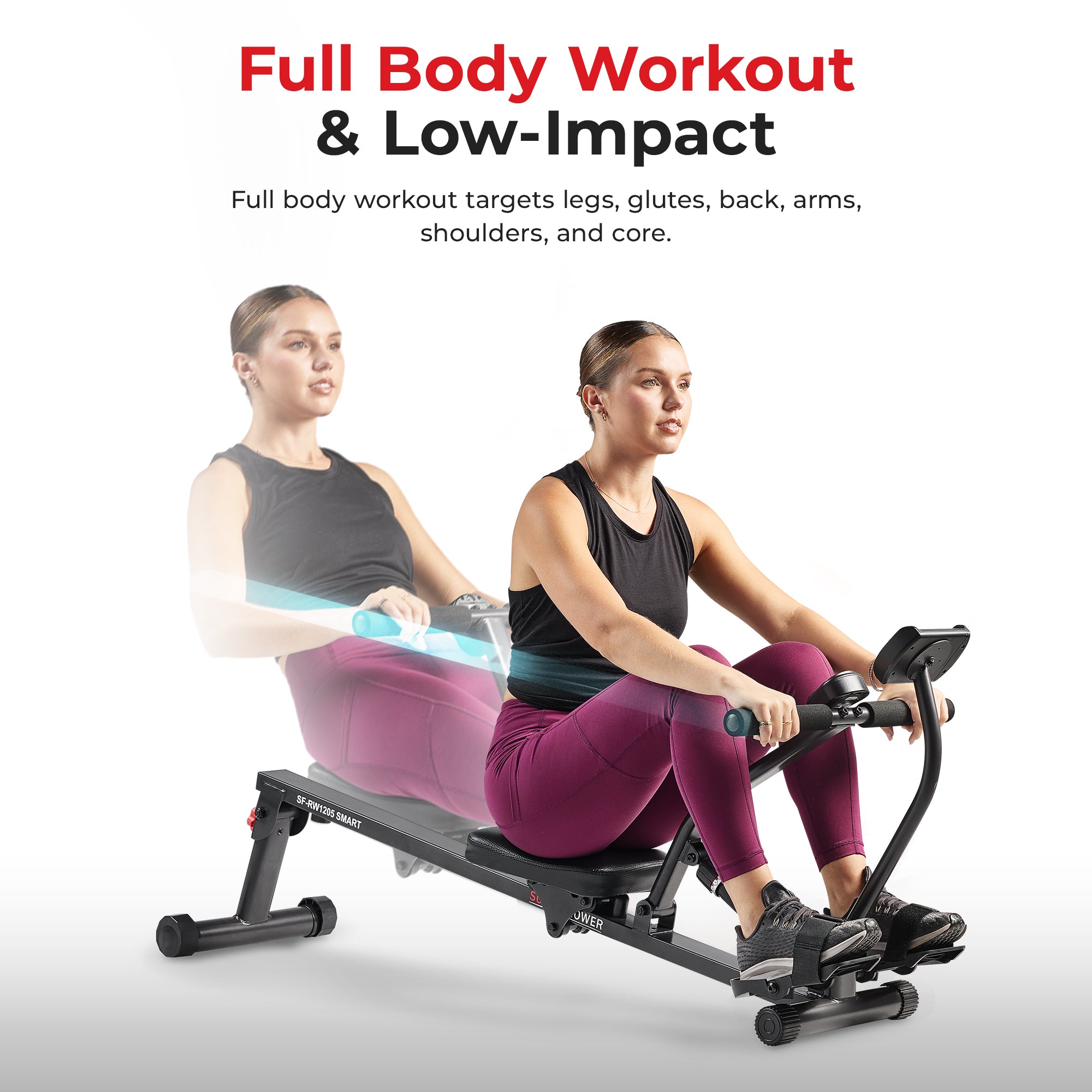
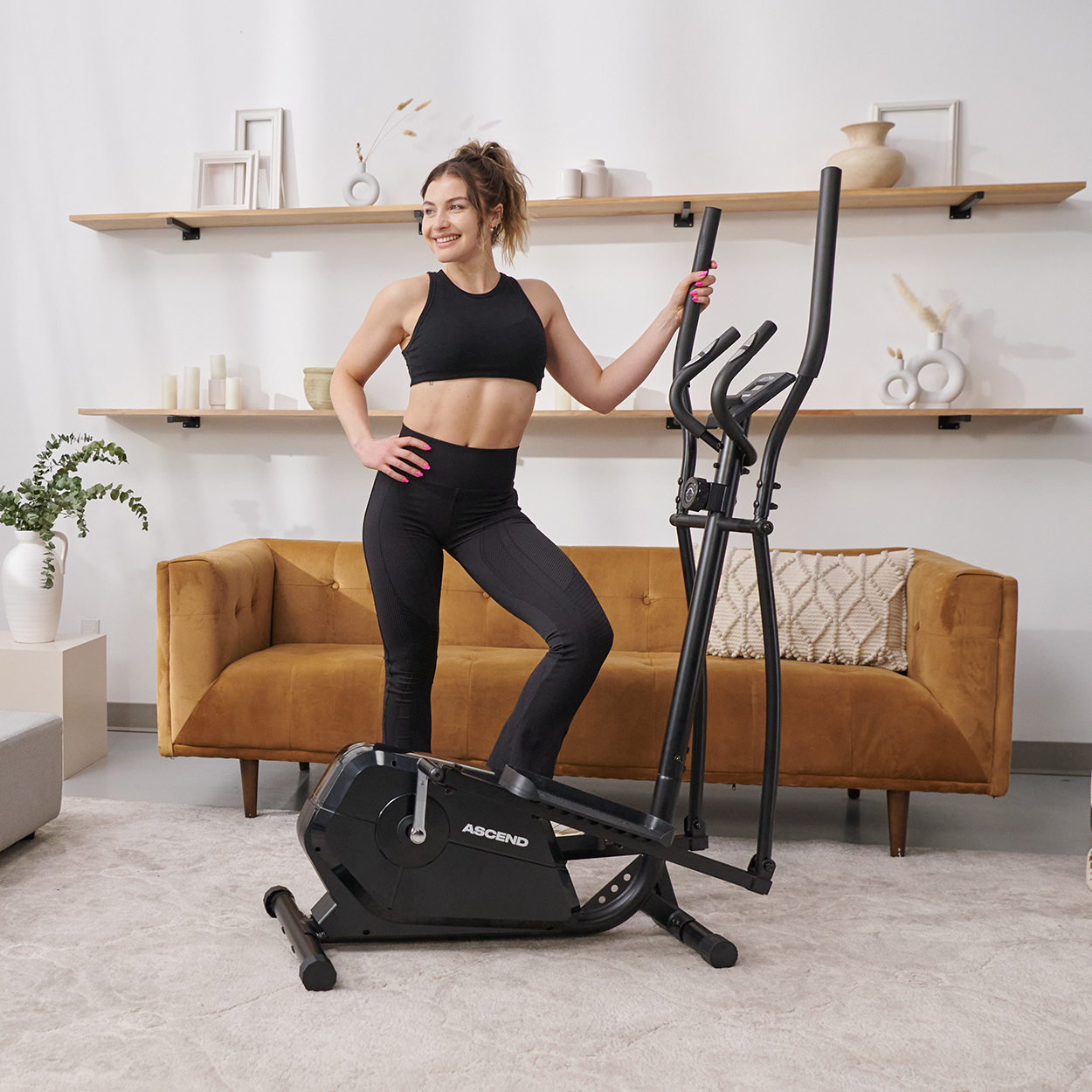
But what if you could get a full workout without needing a lot of room or loud, high-impact moves? Low impact workouts are perfect for you. They protect your joints, keep noise to a minimum, and fit easily into tight spaces.
Keep reading, and you’ll discover simple, effective exercises that transform your small apartment into your personal fitness zone—no bulky equipment or extra noise required. Ready to move smarter and feel stronger right at home? Let’s dive in.
Benefits Of Low Impact Workouts
Low impact workouts offer many benefits, especially for those living in small apartments. These exercises do not require much space or heavy equipment. They help improve health without putting too much strain on the body. Many people find low impact workouts easier to stick with over time. They boost energy and promote a healthy lifestyle.
Joint-friendly Exercise
Low impact workouts protect your joints from damage. They reduce the risk of injury. These exercises use smooth, gentle movements. This makes them ideal for people with arthritis or joint pain. You can stay active without feeling discomfort. Joint-friendly workouts help maintain mobility and strength.
Stress Reduction
Exercise is a great way to lower stress. Low impact workouts calm the mind and body. They encourage deep breathing and focus. This helps reduce anxiety and tension. Regular exercise releases feel-good hormones called endorphins. These hormones improve mood and promote relaxation.
Improved Flexibility
Low impact workouts increase body flexibility. They stretch muscles and joints gently. Better flexibility helps prevent injuries. It also improves posture and balance. Flexible muscles feel less tight and sore. These workouts support overall physical health and comfort.
Choosing The Right Space
Choosing the right space in a small apartment is key to effective low impact workouts. The area must be clear and comfortable. It should allow easy movement without risk of injury. Finding the best spot helps you stay consistent and motivated. You do not need a large room to get a good workout.
Maximizing Limited Room
Use corners or empty wall spaces for your exercises. Move furniture to create open floor space. Keep the area tidy to avoid tripping hazards. Use vertical space for stretches or wall exercises. Folding mats or compact equipment fit well in small spaces.
Safe Workout Zones
Pick a flat surface that is non-slippery. Avoid areas near sharp edges or breakable items. Make sure the space has enough light. Good ventilation is important for fresh air. Clear the zone of pets or children during workouts.
Minimal Equipment Needs
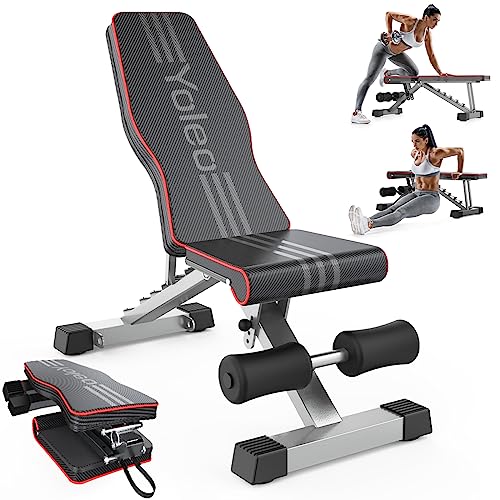
Choose exercises that need little or no equipment. Resistance bands and light dumbbells work well in small spaces. Use household items like water bottles for weight. A yoga mat or towel can protect your floor. Keep equipment easy to store and carry.
Top Low Impact Exercises
Low impact exercises protect your joints while keeping you active. They work well in small apartments because they need little space. These moves build strength and improve balance without loud noise or heavy jumping. You can do them daily to stay healthy and fit.
Bodyweight Squats And Lunges
Bodyweight squats strengthen your legs and core. Stand with feet shoulder-width apart. Bend your knees and lower your hips like sitting on a chair. Keep your back straight. Lunges work your thighs and glutes. Step one foot forward and bend both knees. Push back to start. These exercises improve muscle tone and flexibility.
Seated Chair Exercises
Use a sturdy chair for seated exercises. Sit with your back straight and feet flat on the floor. Lift one leg straight out and hold. Lower it slowly. Repeat with the other leg. You can also do seated marches by lifting knees one at a time. These moves increase leg strength and help with circulation.
Standing Balance Moves
Balance exercises improve stability and prevent falls. Stand near a wall or chair for support. Lift one foot and hold for 10 seconds. Switch to the other foot. Try standing on your toes and then on your heels. These simple moves increase muscle control and confidence in small spaces.
Pilates And Yoga Poses
Pilates and yoga are gentle ways to build strength and flexibility. Try poses like child’s pose, cat-cow, and seated twists. Pilates exercises focus on your core muscles. Yoga helps calm your mind and stretch your body. Both require little space and no special equipment.
Incorporating Resistance Bands
Resistance bands are a smart choice for small apartments. They offer a way to exercise without bulky machines. These bands help build strength and flexibility. You can use them for many types of workouts. They fit well in tight spaces and are easy to carry.
Full Body Workouts
Resistance bands allow you to work out your whole body. You can target arms, legs, chest, and back. Exercises like squats, rows, and presses become simple. The bands add resistance, making muscles work harder. This helps increase strength and tone muscles efficiently. Bands come in different levels of tension to match your fitness.
Portable And Versatile
Resistance bands are lightweight and easy to move. You can exercise in any room or even outside. Use them for stretching, strength training, or rehabilitation. Different band types suit different exercises, such as loop bands or tube bands. Their flexibility means you can adjust workouts to your needs. Bands also work well with other equipment like dumbbells.
Easy Storage Tips
Resistance bands take up very little space. Store them in a drawer, box, or small bag. Avoid direct sunlight to keep the bands strong longer. You can hang them on hooks or door handles. Rolling or folding bands neatly prevents damage. Keeping them clean and dry helps maintain their quality.
Using Furniture For Support
Small apartments often limit workout space. Using furniture for support helps you exercise safely. It makes low impact workouts easier and more effective. Furniture like chairs and walls offer stability. They allow gentle movements without strain.
Chair-assisted Movements
Chairs are great for balance and support. Use a sturdy chair to hold while stretching. Try seated leg lifts or gentle squats with chair support. This reduces pressure on knees and back. Chair exercises improve strength without needing much room.
Wall-based Exercises
Walls provide solid backing for many moves. Lean against a wall to do wall push-ups. Use the wall for calf raises or gentle stretches. It helps keep your body steady. Wall exercises engage muscles safely in small spaces.
Creative Space Hacks
Look around for stable furniture pieces. Use a low table for step-ups or tricep dips. A sofa arm can support side leg lifts. Move lightweight items to create more room. These hacks let you use your apartment smartly.

Credit: sc-electricals.com
Designing A Routine
Designing a workout routine for small apartments needs careful thought. Space limits and noise concerns affect exercise choices. A well-planned routine keeps you active without disturbing neighbors or cluttering your space. Focus on exercises that fit your home and lifestyle. Simple tools like resistance bands or a yoga mat help.
Creating a balanced routine improves fitness and keeps motivation high. Short, varied sessions work best in tight spaces. Tracking progress shows improvement and keeps you on track. Let’s explore how to design an effective low impact workout routine.
Time-efficient Sessions
Short workouts save time and fit busy schedules. Aim for 15 to 30 minutes per session. Focus on exercises that target multiple muscle groups. Use circuits to keep your heart rate up. This approach boosts calorie burn without long workouts. Quick sessions reduce boredom and improve consistency. Schedule workouts at times that suit your daily routine. Consistency beats length for lasting results.
Mixing Cardio And Strength
Combining cardio and strength builds balanced fitness. Low impact cardio includes walking in place or step touches. Strength moves use body weight or light weights. Examples are squats, wall push-ups, and seated leg lifts. Alternate between cardio and strength to avoid fatigue. This mix improves endurance, muscle tone, and joint health. It also keeps workouts interesting and fun. Adjust intensity based on your fitness level.
Tracking Progress
Tracking progress helps maintain motivation. Use a journal or mobile app to record workouts. Note exercises, duration, and how you feel. Celebrate small wins like longer sessions or better form. Tracking reveals patterns and areas needing change. It encourages regular activity and goal setting. Review progress weekly to stay focused. Simple tracking supports long-term fitness success.
Maintaining Motivation Indoors
Staying motivated during indoor workouts can be tough. Small apartments offer limited space. Distractions are close and energy may dip quickly. Keeping your drive alive is key for long-term success. A few simple strategies help maintain focus and enthusiasm for low impact exercise routines.
Setting Realistic Goals
Start with small, clear goals. Avoid aiming for too much at once. For example, try 10 minutes of stretching daily. Gradually increase time or add new moves. Realistic targets reduce frustration and build confidence. Tracking progress shows you how far you have come. Celebrate small wins to stay encouraged.
Creating A Workout Atmosphere
Arrange a dedicated spot for exercise. Clear clutter and make space safe to move. Play music that energizes or calms you. Good lighting improves mood and focus. Fresh air helps if you can open a window. A pleasant environment makes workouts feel inviting. It turns exercise into a part of your routine.
Involving Family Or Roommates
Invite others to join your workouts. It makes exercise more fun and social. You can motivate each other to keep going. Set shared goals or try simple group exercises. Respect each other’s space and pace. Support from those around you builds a positive habit. It creates a healthy routine everyone enjoys.
Credit: achostudio.com
Credit: santosfacilities.nl
Frequently Asked Questions
What Are The Best Low Impact Workouts For Small Apartments?
Low impact workouts like yoga, Pilates, bodyweight exercises, and resistance band training work well in small spaces. They require minimal equipment and space, reduce noise, and prevent floor damage, making them ideal for apartment living.
How Can I Exercise Without Disturbing Neighbors?
Choose low impact workouts that minimize jumping and heavy movements. Use a yoga mat or carpet for cushioning. Focus on slow, controlled exercises like stretching, Pilates, or bodyweight strength training to reduce noise and avoid disturbing neighbors.
Which Equipment Suits Low Impact Workouts In Small Spaces?
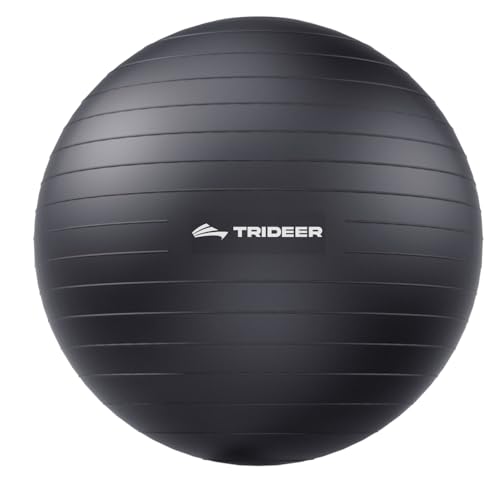
Resistance bands, light dumbbells, yoga mats, and stability balls are perfect for small apartments. These tools are compact, versatile, and support effective low impact exercises without taking up much space.
How Often Should I Do Low Impact Workouts At Home?
Aim for at least 3-5 sessions per week, each lasting 20-40 minutes. Regular workouts improve fitness, flexibility, and mental well-being without overwhelming your schedule or space constraints.
Conclusion
Small spaces do not limit your workout options. Low impact exercises keep joints safe and build strength. You can stay fit without bulky equipment or much room. Consistency is key for good results and better health. Choose moves that suit your space and fitness level.
Enjoy your exercise routine and feel the benefits daily. Small steps lead to big changes over time. Keep moving, stay active, and make your apartment your gym.