Are you eager to create a fitness app without spending a fortune? Imagine having a tool that not only tracks your workouts but also motivates you to reach your fitness goals, all while saving your hard-earned money.
You’re in the right place! In this guide, we’ll unlock the secrets to making a fitness app for free. We’ll explore the tools, resources, and strategies that will help you build an app tailored to your needs. Whether you’re a fitness enthusiast, a budding developer, or someone with a great idea, this article is your ticket to success.
Stay with us, and discover how you can turn your fitness app dreams into reality without breaking the bank. Curious? Let’s dive in!
Benefits Of Building A Fitness App
Creating a fitness app for free boosts accessibility and encourages healthy habits. It allows personalized workout tracking, fostering motivation and consistency. Users can tailor their fitness journey, enhancing engagement and progress.
Creating a fitness app offers numerous benefits, both for you as a developer and for users seeking healthier lifestyles. As technology increasingly weaves into our daily routines, fitness apps stand at the forefront, encouraging healthier habits and providing convenience. Imagine having the ability to motivate others while also offering them a platform to track their progress. This isn’t just about coding; it’s about impacting lives positively.Accessibility And Convenience
The beauty of a fitness app is that it provides users with access to workout plans and health tips anytime, anywhere. No more excuses about not making it to the gym. Users can choose to squeeze in a quick workout right in their living room. You make fitness accessible to everyone, from busy professionals to stay-at-home parents.Personalized Fitness Plans
A fitness app allows you to offer personalized workout plans. Users can input their goals, fitness levels, and preferences, and receive tailored advice. Imagine helping someone achieve their dream body by providing them with a customized plan. It’s personal, empowering, and something an app can handle with ease.Tracking Progress
Your app can serve as a digital diary for tracking workouts, dietary habits, and progress. Users love seeing tangible results, and a fitness app can provide visual graphs and statistics to reflect their hard work. When users see how far they’ve come, it fuels their motivation to keep pushing forward.Community Engagement
Fitness apps can also create a sense of community. You can integrate features that allow users to share their achievements, join challenges, or compete with friends. This social aspect not only keeps users engaged but also fosters a supportive environment. Just think about the last time you felt part of a team—it made the journey more enjoyable, right?Cost-effective Fitness Solution
Building a fitness app can be a free endeavor, which means you can offer users a cost-effective solution to their fitness needs. They save money on gym memberships and personal trainers, while you get the satisfaction of providing valuable resources. It’s a win-win situation for everyone involved.Potential For Revenue
Even if your app is free to build, there are opportunities to monetize it later. You can include premium features, offer in-app purchases, or partner with brands for sponsorships. Imagine turning your passion for fitness into a lucrative venture. It starts with a free app and can grow into something much bigger. Wouldn’t you love to be the person responsible for someone’s fitness transformation? By building a fitness app, you’re not just creating software; you’re creating possibilities.
Credit: nypost.com
Essential Features To Include
Creating a fitness app for free requires essential features like workout tracking, diet plans, and progress monitoring. User-friendly interfaces help users navigate easily, while social sharing options keep motivation high. Personalization enhances user experience, making the app more engaging and effective.
Creating a fitness app can be both rewarding and challenging, especially if you’re doing it on a budget. The key to success lies in understanding what features are essential to make your app both functional and appealing to users. From tracking workouts to sharing progress on social media, these features can significantly enhance user engagement and satisfaction. Let’s dive into some of the critical components that your fitness app should include to stand out in a crowded marketplace.Workout Tracking
Workout tracking is the backbone of any fitness app. It allows users to log their exercises, set goals, and monitor their performance over time. Think about the last time you crushed a workout and wished you could see your progress visually. With features like video tutorials, step-by-step guides, and customizable workout plans, users can tailor their fitness journey to their needs. This not only keeps them motivated but also provides a sense of achievement as they hit milestones.Nutrition Logging
Nutrition is as important as exercise in a fitness regime. Your app should enable users to log their daily food intake, track calories, and even suggest healthy meal options. Have you ever tried to eat healthily but found it overwhelming to track everything manually? A simple barcode scanner or an extensive food database can make this task much easier. Users can learn more about their eating habits and make informed decisions about their diet.Progress Monitoring
Seeing tangible results is crucial for maintaining motivation. Progress monitoring features allow users to track changes in weight, muscle mass, and overall fitness levels. Remember the time you noticed your jeans fitting better and felt that rush of motivation? By integrating graphs and visual data representations, users can clearly see their improvements over time. This not only boosts their confidence but also encourages them to stick with their routines.Social Sharing
Social sharing features can make fitness journeys more enjoyable and less isolating. Users love sharing their achievements and milestones with friends and family. Have you ever shared a personal victory on social media and felt the encouragement from your circle? By integrating social media platforms, users can post their progress, join communities, and even engage in friendly competitions. This fosters a sense of community and keeps them accountable. Which of these features do you think would motivate you the most in a fitness app?Choosing The Right Tools
Selecting the right tools is crucial to create a fitness app without spending money. Free platforms offer essential features, enabling you to design, code, and test. Explore options like app builders and open-source software for a cost-effective solution.
Creating a fitness app without spending a dime might sound like a dream, but it’s entirely possible with the right tools. You don’t need to be a tech wizard or have a hefty budget to bring your app idea to life. The key lies in selecting the proper resources that align with your goals and skills. Ready to get started? Let’s explore the essential tools you need to make your app a reality.Free App Development Platforms
You might think app development is costly, but numerous free platforms can help you build your app without spending money. Platforms like MIT App Inventor and Thunkable offer user-friendly interfaces that let you drag and drop features, making it simple for anyone to design an app. These platforms provide you with the basic building blocks to create your app. They are ideal for beginners, and you can find plenty of tutorials to guide you through the process. Have you ever tried building an app on your own? These platforms could be your starting point.Open Source Resources
Open source resources are a treasure trove for budding developers. Websites like GitHub host a plethora of projects and code snippets that can be reused and modified. This can save you a lot of time and effort in coding from scratch. Imagine finding a fitness tracking module that fits your needs perfectly—it’s just a matter of tweaking it to suit your app! By tapping into open source resources, you gain access to a community of developers who can offer advice and support. What hidden gems will you find here?User Interface Design Tools
A good user interface (UI) can make or break your app. Luckily, there are free tools like Figma and Adobe XD that help you design visually appealing interfaces. These tools allow you to create mockups and prototypes, ensuring your app looks as good as it functions. Think about the apps you love using—what draws you to them? It’s often the seamless design and intuitive navigation. With these tools, you can experiment with layouts, color schemes, and typography to give your app a professional finish. Are you ready to make your app stand out visually? Choosing the right tools is crucial in developing a free fitness app. With these platforms and resources at your disposal, you’re not just saving money—you’re investing in your app’s future success.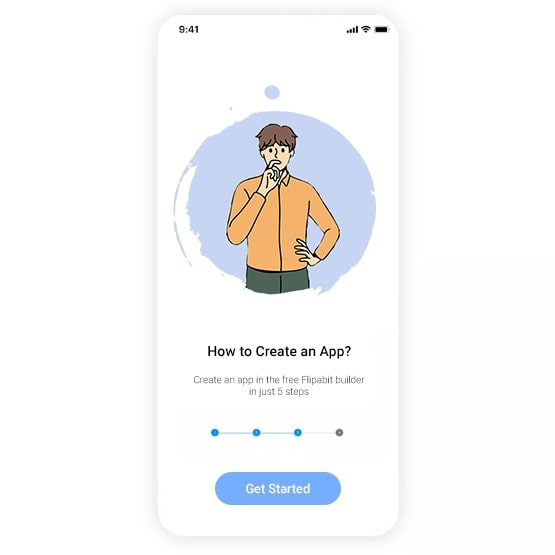
Credit: flipabit.dev
Planning Your App Structure
Creating a fitness app for free requires careful planning of its structure. Start by outlining key features like workout tracking, user profiles, and progress reports. Organize these elements clearly to ensure a smooth user experience.
Planning your app structure is a critical step in creating a fitness app for free. A well-thought-out structure ensures your app is user-friendly and effective. It’s essential to focus on how users will navigate through your app and how each feature will function together.Creating A User Flow
Imagine yourself as the user. What do you see first? What do you want to achieve with the app? A clear user flow lays the path for users to follow from opening the app to achieving their fitness goals. Start by identifying the key actions users will take, such as signing up, logging exercises, or tracking progress. List these actions in order of how they will naturally occur. Use simple tools like flowcharts or even pen and paper to visualize the journey. Keep it simple. Avoid adding unnecessary steps that could frustrate users. A seamless flow will keep users engaged and coming back for more.Designing Wireframes
Wireframes are like the skeleton of your app. They help you visualize how each screen will look and function. Don’t worry about colors or fonts at this stage—focus on layout and functionality. Start with the main screens: home, login, and workout tracker. Sketch out where buttons, text, and images will go. Think about what information is most important and make sure it’s easy to find. Get feedback. Share your wireframes with friends or potential users to see if your design makes sense to them. Adjust based on their feedback to ensure a user-friendly experience. Remember, planning your app structure doesn’t have to be perfect from the start. It’s about creating a solid foundation that you can build on and improve over time. What features would you want in a fitness app? Use that as a guide to make your app as user-friendly and effective as possible.Building The App Without Coding
Creating a fitness app without coding is a dream for many. You can make this dream come true using simple tools. These tools allow you to build apps with ease. No need to learn complex programming languages. Anyone can create an app by following straightforward steps. You only need creativity and a clear vision of your app’s features.
Using Drag-and-drop Builders
Drag-and-drop builders are user-friendly. You move elements around with your mouse. It feels like playing a game. You don’t need coding skills. Just select what you want and place it where you want. These builders provide many options. You can add buttons, text, and images effortlessly. The interface is intuitive and easy to understand. Most of these builders offer tutorials. These tutorials guide you step-by-step through the process. You will find it simple to use.
Incorporating Pre-made Templates
Pre-made templates save time. They offer ready-made designs. You can choose a template that suits your app’s style. No need to start from scratch. Templates come with default settings. You can customize them as per your needs. Change colors, fonts, and layouts easily. Templates give your app a professional look. Even if you are a beginner, you can make your app look polished. Many platforms offer free templates. You can find templates for various app types, including fitness apps.
Testing And Iterating
Creating a fitness app for free is a rewarding journey. Once you have a basic version, it’s time to refine it. This is where testing and iterating come into play. This phase is crucial for improving the user experience. It involves gathering insights and making necessary changes. Let’s explore how to effectively test and iterate your app.
Gathering User Feedback
Start by inviting users to test your app. Encourage them to share their thoughts. Ask specific questions about usability and functionality. This feedback is vital for identifying areas that need improvement. Use surveys or direct conversations to gather insights. Pay attention to both positive and negative comments. Each piece of feedback is valuable.
Making Necessary Adjustments
Once you have collected feedback, analyze it carefully. Look for patterns in user comments. These patterns often point to common issues. Prioritize changes based on their impact and feasibility. Begin with adjustments that enhance the user experience. Consider revising design elements or fixing bugs. Regularly update the app to address these issues.
Testing and iterating are ongoing processes. Continuously seek user feedback. Keep improving your app for a better experience. This approach ensures your app meets user expectations.
Launching Your Fitness App
Creating a fitness app for free is possible with the right tools and planning. Begin by defining your app’s features and design. Utilize free app development platforms to build and launch your fitness app, making it accessible to fitness enthusiasts worldwide.
Launching a fitness app is an exciting phase. You have developed your app without spending a dime. Now, it’s time to share it with the world. This phase is crucial for reaching users. You must carefully plan and execute each step. Let’s dive into how you can make your app successful.Publishing On App Stores
Publishing your app on major app stores is essential. Start by choosing the right platforms. Google Play Store and Apple App Store are popular choices. They have a vast audience base. Ensure your app meets their guidelines. Each store has specific requirements. Pay attention to app descriptions and screenshots. They help attract potential users. Use clear, concise language to describe your app’s features. Highlight what makes it unique.Marketing Strategies
Marketing your fitness app effectively is vital. Start by identifying your target audience. Know who will benefit most from your app. Use social media channels to reach them. Share engaging posts about your app’s features. Collaborate with fitness influencers. They can help promote your app. Create a dedicated website or landing page. This provides more information about your app. Use email marketing to reach potential users. Send newsletters with updates and tips. Encourage users to leave reviews. Positive feedback boosts your app’s credibility.Maintaining And Updating
Keep your fitness app effective by regularly updating features and fixing bugs. Users appreciate fresh content and seamless functionality. Consistent updates ensure the app stays relevant and useful for its audience.
Building a fitness app for free is a rewarding venture, but the journey doesn’t end with its launch. Maintaining and updating your app is crucial to keep users engaged and ensure its longevity. These updates can be the difference between an app that thrives and one that fades into obscurity. So, how do you keep your app fresh and appealing? Let’s explore some practical strategies.Regular Feature Updates
Enhance your app by consistently adding new features. This keeps your users excited and engaged. You could introduce a new workout plan or integrate a tracking feature for outdoor activities. Consider seasonal themes or trending exercises to keep the app relevant. This not only attracts new users but keeps existing ones coming back for more. Is your app compatible with the latest devices and operating systems? Regular updates ensure your app remains functional across all platforms.User Engagement Strategies
Interacting with your users is key to understanding their needs. Encourage feedback through surveys or a dedicated feedback section within the app. Listen to your users—what do they like? What do they want improved? Use push notifications to remind users of workouts or share motivational messages. This fosters a sense of community and keeps them engaged. Are you offering challenges or rewards for consistency? These strategies can transform casual users into dedicated ones. Maintaining and updating your fitness app involves a mix of creativity and technical diligence. By staying attuned to user needs and technological advancements, you can ensure your app remains a valuable tool in their fitness journey. What innovative features will your app offer next?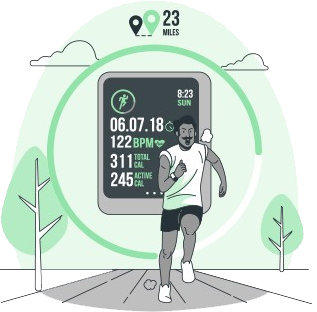
Credit: www.biztechcs.com
Frequently Asked Questions
How To Create Your Own Fitness App For Free?
Start with free app builders like Appy Pie or Thunkable. Choose templates, customize features, and integrate workout plans. Test the app, gather user feedback, and improve. Promote your app through social media and fitness forums. Ensure regular updates and enhancements for a better user experience.
How Much Does It Cost To Create A Fitness App?
Creating a fitness app costs between $30,000 and $300,000. Prices vary based on features and complexity. Basic apps are cheaper, while advanced apps with custom features are more expensive. Hiring experienced developers can impact costs. Consider ongoing maintenance and updates for budgeting.
How Do I Create My Own Fitness Program?
To create your own fitness program, set clear goals and choose exercises you enjoy. Schedule workouts, incorporate strength and cardio, and gradually increase intensity. Monitor progress and adjust as needed. Prioritize rest and nutrition for optimal results. Stay consistent and motivated for long-term success.
What Do You Need To Start A Fitness App?
To start a fitness app, you need a clear concept, market research, a skilled development team, a user-friendly design, and effective marketing strategies. Ensure your app offers unique features, integrates social sharing, and provides personalized experiences to attract users. Test thoroughly before launch for a seamless user experience.
Conclusion
Creating a fitness app for free is achievable. Follow simple steps. Start with a clear plan. Use free tools available online. Focus on user-friendly design. Ensure your app meets user needs. Test your app thoroughly. Gather feedback for improvements. Keep your app updated.
Encourage users to share their experiences. Building such an app can be rewarding. Engage with your audience. Listen to their feedback. Make necessary changes. This process helps build a successful app. Enjoy the journey of creating something useful. Stay committed and passionate.
Your fitness app can motivate many to stay healthy.