Losing weight without exercise might sound impossible, but it’s more common than you think. Many people in the USA have busy lives, health challenges, or simply dislike working out. If you are one of them, don’t worry: you can still reach your weight goals by focusing on what you eat and how you live. In fact, studies show that diet has a bigger impact on weight loss than exercise. This guide will show you practical ways to lose weight without hitting the gym, sharing real stories and simple tips that work.
Why Exercise Isn’t Always Needed
Most people believe that exercise is the main way to lose weight. But research from the CDC shows that changing your eating habits can lead to more lasting results. For example, Sarah from Texas lost 40 pounds in one year without running or lifting weights. She changed her eating habits, drank more water, and paid attention to portion sizes. This is not an exception—many Americans have found success by focusing on food choices and lifestyle.
Smart Eating Habits
1. Control Your Portions
Eating too much, even healthy foods, can lead to weight gain. Use smaller plates and bowls to help manage your portions. At restaurants, split meals or take half home. This simple trick helped Mark from Ohio drop 15 pounds in three months.
2. Eat Slowly
When you eat slowly, your brain gets time to notice you’re full. Most people finish meals in 10 minutes, but it takes about 20 minutes for your body to realize you’ve eaten enough. Try putting your fork down between bites and chewing each bite well.
3. Avoid Sugary Drinks
Sugary drinks like soda, sweet tea, and energy drinks are full of empty calories. One can of soda has about 150 calories—enough to stop your weight loss progress. Replace these with water, herbal tea, or sparkling water.
4. Increase Protein Intake
Protein helps you feel full longer. It also boosts your metabolism slightly. Include foods like chicken breast, Greek yogurt, eggs, and beans in your meals. A high-protein breakfast can reduce cravings later in the day.
5. Choose Fiber-rich Foods
Fiber keeps you full and helps your body digest food slowly. Fruits, vegetables, whole grains, and legumes are great sources. Eating a salad before meals can make you eat less overall.
6. Plan Your Meals
Planning meals in advance stops you from grabbing unhealthy snacks or fast food. Use a weekly planner or apps to schedule simple, balanced meals.
Simple Lifestyle Changes
1. Get Enough Sleep
Lack of sleep affects hormones that control hunger. A Harvard study found that people who sleep less than 6 hours per night are more likely to gain weight. Aim for 7-8 hours each night.
2. Reduce Stress
Stress increases the hormone cortisol, which can lead to cravings for high-calorie foods. Try breathing exercises, meditation, or spend time with friends to lower stress levels.
3. Stay Hydrated
Sometimes thirst feels like hunger. Drink water before meals to help reduce appetite. Keeping a water bottle nearby makes it easier to stay hydrated.
4. Limit Late-night Eating
Eating late often means choosing unhealthy foods. Try to finish your last meal at least two hours before bedtime. This helps your body digest food and prevents weight gain.
5. Remove Temptations
If you keep junk food at home, you’re more likely to eat it. Replace chips and cookies with healthier snacks like fruit or nuts.
Data: Food Choices Vs. Exercise
To understand how food affects weight loss compared to exercise, see this comparison:
| Method | Average Weekly Weight Loss | Effort Level |
|---|---|---|
| Diet Change Only | 1-2 lbs | Moderate |
| Exercise Only | 0.5-1 lb | High |
| Diet + Exercise | 2-3 lbs | High |
This shows that diet change can have a bigger effect than exercise alone, especially for beginners.

Credit: drvaidyas.com
Real-life Story: Weight Loss Without Exercise
Lindsey, a mother of two from Florida, couldn’t find time for exercise. She started tracking her meals, switched to whole grains, and stopped drinking soda. Over a year, she lost 35 pounds. Her secret was sticking to a routine and making small changes, like eating more veggies and avoiding late-night snacks.
Lindsey says, “I realized that food choices matter most. Once I stopped looking for quick fixes, the weight came off. ”
Common Mistakes To Avoid
- Skipping meals: This slows your metabolism and can lead to overeating later.
- Eating “diet” foods: Many processed diet foods have hidden sugars or artificial ingredients.
- Not tracking progress: Keep a food journal or use apps to see what works for you.
- Ignoring hunger cues: Learn to listen to your body and eat when you’re truly hungry.
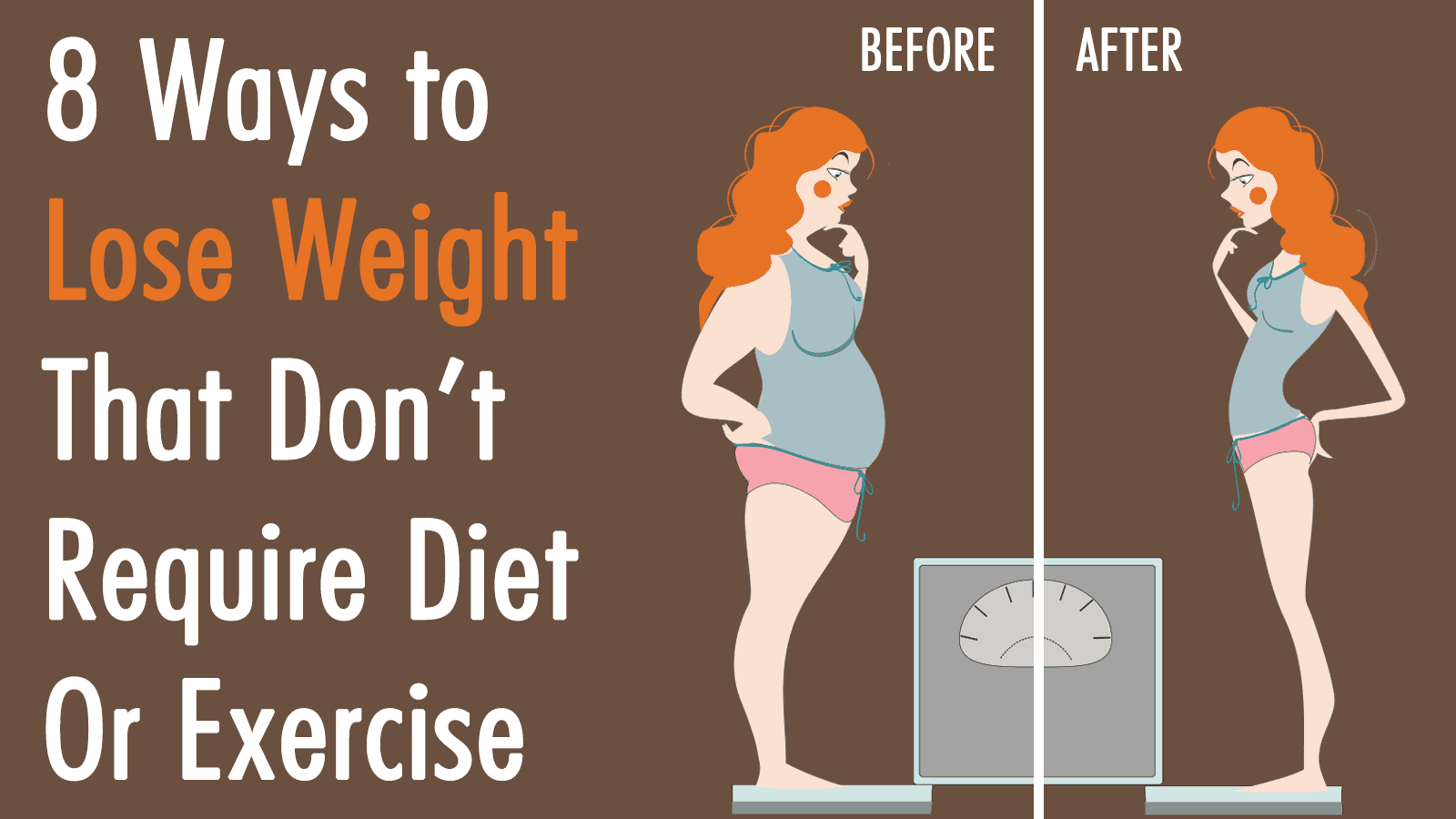
- Believing only exercise helps: Diet is often more powerful for weight loss.
Credit: www.powerofpositivity.com
Simple Meal Swaps For Weight Loss
Making better choices at meal times helps cut calories without feeling deprived.
| Old Choice | New Choice | Calories Saved |
|---|---|---|
| Burger with fries | Grilled chicken salad | 350 |
| Soda | Water with lemon | 150 |
| Ice cream | Greek yogurt with fruit | 200 |
These swaps add up over time and make a big difference.
Tracking Your Progress
Use simple tools like a notebook or apps to track your weight, meals, and habits. Seeing your progress keeps you motivated. Many Americans find that tracking is the key to staying on course.
When To Seek Professional Help
If you have medical conditions or trouble losing weight, talk to a nutritionist or doctor. They can help you create a safe plan. For more on weight loss, check resources from the CDC.
Frequently Asked Questions
How Much Weight Can I Lose Without Exercise?
Most people can lose 1-2 pounds per week by changing their eating habits. Results depend on your starting weight and commitment.
Is It Healthy To Lose Weight Without Exercise?
Yes, if you focus on balanced nutrition and avoid extreme diets. Healthy weight loss means eating fewer calories, not starving yourself.
Can I Keep The Weight Off Without Exercising?
Keeping weight off is possible if you stick to healthy eating and lifestyle habits. Regular check-ins and tracking help maintain your progress.
What Foods Should I Avoid To Lose Weight?
Avoid foods high in sugar, processed snacks, fried foods, and drinks with calories. Choose whole foods like fruits, vegetables, lean proteins, and whole grains.
Should I Count Calories?
Counting calories helps some people, but it’s not required. Focus on portion control, eating slowly, and choosing nutrient-rich foods.
Losing weight without exercise is real and possible. Focus on smart eating, lifestyle changes, and tracking your progress. Many Americans have succeeded with these methods. Start with small steps, stay patient, and remember: food choices matter more than you think.
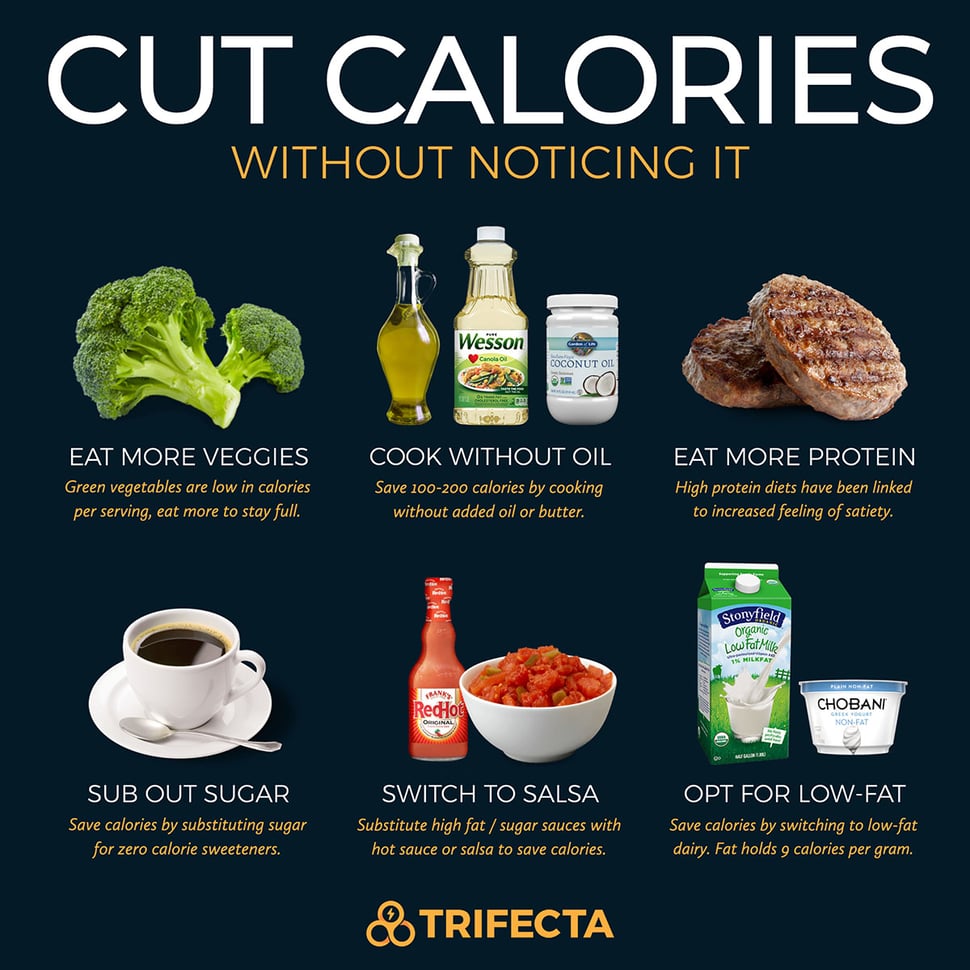
Credit: www.trifectanutrition.com