
Starting the day with the right habits can make a big difference in your weight loss journey. A good morning routine for weight loss is not just about burning calories early. It’s about building momentum, getting your mind ready, and making choices that help you lose weight all day. Many people in the USA struggle with busy mornings, but small, practical steps can fit into almost any schedule.
Take Sarah, a 38-year-old mom from Texas. She tried many diets and workout plans but always found herself losing motivation by lunchtime. When she started focusing on her mornings—adding just 20 minutes for herself each day—she noticed real changes. Her energy went up, her cravings dropped, and she finally saw the scale move.
Let’s explore how you can create a morning routine like Sarah’s for better weight loss results.
Wake Up Earlier For Success
Getting up just 15–30 minutes earlier gives you time to start your day calmly. Rushing in the morning leads to skipped breakfasts or grabbing unhealthy snacks. Set your alarm a bit earlier, and use that time for yourself—not your phone.
Many successful people, from CEOs to athletes, use early mornings to plan and set goals. Research shows that people who wake up earlier tend to eat better and move more throughout the day. This small change can help you stick to your weight loss plan.
Hydrate Before Anything Else
Your body loses water while you sleep. Drinking a glass of water right after you wake up helps kickstart your metabolism. It also reduces feelings of hunger, so you’re less likely to overeat at breakfast.
A 2016 study found that drinking 500 ml (about 17 oz) of water before meals helped overweight adults lose more weight. Add a slice of lemon for taste and a boost of vitamin C.
Move Your Body: Morning Exercise
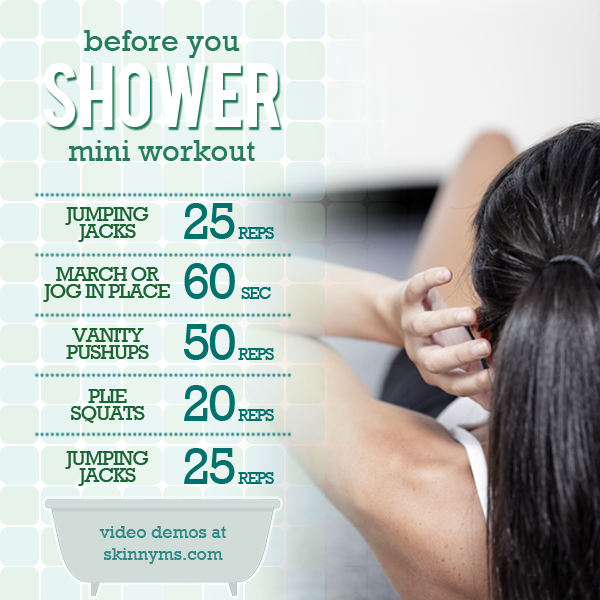
Exercise in the morning does not have to mean running for an hour. Even 10–20 minutes can make a difference. Walking, stretching, yoga, or quick bodyweight moves like squats or push-ups all help wake up your body.
Comparing Morning Workouts
Here’s how different activities fit into a quick morning routine:
| Activity | Time Needed | Calories Burned (20 min) |
|---|---|---|
| Brisk Walking | 20 min | 80–100 |
| Yoga | 20 min | 50–70 |
| Bodyweight Circuit | 15 min | 120–150 |
Find what works for you. Sarah, for example, started with simple stretching and walking her dog around the block. As she got more energy, she added short strength workouts.
Eat A Balanced, Protein-rich Breakfast
Skipping breakfast can backfire. You may feel tired and crave sugary snacks later. Instead, choose a breakfast with protein, fiber, and healthy fats. This keeps you full and fuels your morning.
Good options include:
- Greek yogurt with berries and nuts
- Scrambled eggs with spinach
- Oatmeal topped with seeds and fruit
Breakfast Comparison
| Meal | Protein (g) | Fiber (g) | Calories |
|---|---|---|---|
| Greek Yogurt & Berries | 15 | 4 | 180 |
| Eggs & Spinach | 12 | 2 | 150 |
| Oatmeal & Seeds | 8 | 5 | 200 |
Many Americans reach for sugary cereal or skip breakfast altogether. Making this small switch can help you avoid cravings and keep you satisfied until lunch.
Plan Your Meals And Snacks
Take five minutes in the morning to think about what you’ll eat during the day. Packing a healthy snack, like an apple or a handful of almonds, can stop you from grabbing junk food later.
Sarah used to buy pastries with her morning coffee. Now, she brings a banana and a small bag of nuts with her. This simple change saved her hundreds of calories each week.
Practice Mindfulness
Stress and busy mornings lead to bad food choices. Practicing mindfulness helps you stay calm and make better decisions. Try taking a few deep breaths, writing down your goals, or spending two minutes meditating.
People who are mindful about eating are less likely to snack out of boredom or stress. You don’t need to sit for 30 minutes. Even short, focused breathing can help.
Credit: www.jordanianschoolqatar.com
Get Some Sunlight
Natural sunlight tells your body it’s time to wake up and boosts your mood. Sun exposure also helps your body make vitamin D, which is linked to healthy weight.
If you can, step outside for a few minutes, or open your blinds to let in light. Morning sunlight helps set your body clock, which may help you sleep better at night. Better sleep means better weight loss results.
Track Your Progress
Keeping a simple record of your habits and weight helps you stay motivated. You can use a notebook, a phone app, or even a sticky note on your fridge.
Sarah started writing down her weight and breakfast every day. She noticed when she made better choices, her weight dropped faster. Tracking also helps you see patterns, like when you snack more or skip workouts.

Credit: www.issaonline.com
Prepare For The Unexpected
No morning goes perfectly every day. Kids get sick, alarms don’t ring, or you just feel tired. Have a backup plan for busy days. For example, keep a healthy protein bar in your bag, or do five minutes of stretching if you can’t exercise.
Being flexible helps you stick to your routine, even on tough days. It’s better to do something small than nothing at all.
Realistic Expectations And Consistency
Weight loss takes time. Many people expect fast changes and get frustrated. Instead, focus on building small habits that you can do every day. Over weeks and months, these add up to big results.
Sarah didn’t lose 20 pounds in a month. But after three months of her new morning routine, her clothes fit better, she slept well, and she felt stronger. Consistency matters more than perfection.

Credit: www.cinquequarti.com
Frequently Asked Questions
What Is The Best Time To Exercise For Weight Loss?
Morning exercise helps many people stick to their routine, but the best time is when you can do it regularly. If you can’t exercise in the morning, find a time that works for you.
Can I Drink Coffee In The Morning Routine?
Yes. Coffee without sugar or high-fat cream is low in calories and can boost your energy. Just avoid adding lots of sugar or syrups.
Is It Okay To Skip Breakfast For Weight Loss?
Skipping breakfast may work for some, but many people end up hungrier and eat more later. A healthy, protein-rich breakfast can help control appetite.
How Much Water Should I Drink In The Morning?
Aim for at least one glass (8–12 oz) as soon as you wake up. Drink more if you’re thirsty or plan to exercise.
Are Supplements Needed In A Morning Routine?
Most people can get nutrients from food. If your doctor suggests supplements like vitamin D, include them as directed.
Building a strong morning routine for weight loss is possible, even with a busy American lifestyle. Start small, stay consistent, and adjust as needed. For more tips and research, check this resource from the Centers for Disease Control and Prevention (CDC).
With the right habits, your mornings can set you up for a healthier, lighter day—just like Sarah discovered. Make your routine work for you, and enjoy the results!