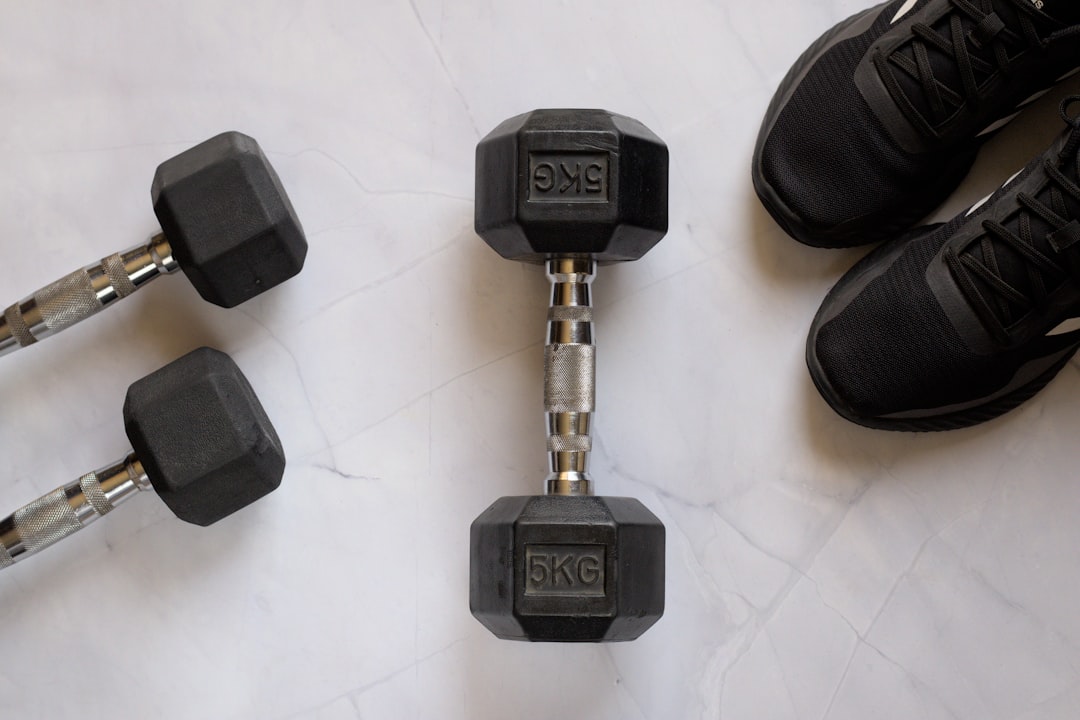
Stepping into a gym for the first time can feel a bit like entering a whole new world. The machines, weights, and even the lingo might seem overwhelming.
But here’s the good news: you’re not alone. Many beginners share the same feelings, and with the right guidance, you can transform that initial uncertainty into confidence. Imagine walking into the gym and knowing exactly what to do, feeling empowered rather than intimidated.
In this guide, you’ll discover how to use gym equipment safely and effectively, ensuring you get the most out of every workout. Let’s break down the barriers and make your gym experience both enjoyable and rewarding. Are you ready to unlock the secrets of gym equipment and start your fitness journey with confidence? Keep reading to find out how!
Choosing The Right Gym Equipment
Starting at the gym can be daunting for beginners. Choosing the right gym equipment is crucial for a successful workout. The correct equipment can ensure safety and effectiveness. This section will guide you in making informed choices.
Assessing Fitness Goals
Define your fitness goals before selecting equipment. Are you aiming to build strength or lose weight? Each goal requires specific machines. Knowing your goals will help you prioritize equipment. For weight loss, focus on cardio machines like treadmills. For muscle gain, weight machines are ideal.
Understanding Equipment Types
Gyms offer a variety of equipment. Familiarize yourself with the types available. Cardio machines include treadmills, ellipticals, and stationary bikes. These improve endurance and burn calories. Strength machines target different muscle groups. They include leg presses, chest presses, and cable machines.
Free weights are versatile and effective. Dumbbells and barbells offer flexibility in workouts. They require more control and balance. Beginners should start with lighter weights. Increase weight as strength improves.
Essential Safety Tips
Starting at the gym can be daunting. Always read instructions on machines. Adjust settings to fit your body. Use slow movements to prevent injuries. Ask a trainer for help if needed.
Embarking on your fitness journey by using gym equipment can be both exciting and daunting. As a beginner, understanding essential safety tips is crucial to prevent injuries and maximize your workout. These tips are not just about avoiding accidents; they help you make the most out of your gym sessions. Let’s dive into some practical and actionable insights to ensure a safe and effective workout experience.Proper Warm-up Techniques
Before you jump onto any gym equipment, always warm up your body. Warming up increases blood flow to your muscles, preparing them for exercise and reducing the risk of strains. Start with five to ten minutes of light cardio, like brisk walking or gentle cycling. Follow this with dynamic stretches, such as arm circles and leg swings, which help improve your range of motion. Think about how much better you feel when you ease into a workout rather than diving in cold. This simple routine can make your entire session more productive and enjoyable.Correct Form And Posture
Maintaining the correct form and posture is vital when using gym equipment. Improper posture can lead to injuries and hinder your progress. Focus on keeping your back straight and shoulders relaxed when lifting weights or using machines. For example, when doing a squat, ensure your knees align with your toes and your back stays neutral. Have you ever seen someone at the gym straining awkwardly? You might have thought, “That can’t be right.” Proper form not only prevents injury but also maximizes the effectiveness of your workout. Remember, every piece of equipment comes with its own set of instructions. Take the time to learn them, or ask a trainer to show you. Your body will thank you later.Cardio Machines Guide
Starting your fitness journey with cardio machines can be both exciting and a bit intimidating. But don’t worry, every seasoned gym-goer was once a beginner too. Let’s dive into the essentials of using cardio machines effectively, so you can make the most out of your workouts and stay motivated.
Treadmills
Treadmills are a staple in gyms and a great way to get your heart pumping. Begin by familiarizing yourself with the control panel. Start with a slow walk to get comfortable.
As you gain confidence, try adjusting the incline to mimic walking uphill. This adds intensity and works different muscles. Remember, it’s not about speed; it’s about consistency and form.
Have you noticed how a simple change in pace can change your entire workout? Challenge yourself with intervals of walking and jogging. This not only keeps things interesting but also improves endurance.
Ellipticals
Ellipticals offer a low-impact workout, making them perfect for beginners. They can mimic running without the stress on your joints.
Start with a moderate resistance level. Focus on using both your arms and legs to get a full-body workout. Keep your posture upright and engage your core.
Have you ever tried pedaling backward? It targets different muscle groups and adds variety to your routine. It’s a simple tweak that can make your workout feel new.
Stationary Bikes
Stationary bikes are fantastic for building leg strength and improving cardiovascular health. Adjust the seat height so your legs have a slight bend at the knee at the bottom of the pedal stroke.
Begin with a comfortable resistance level. Focus on maintaining a steady pace. You can also experiment with standing up while pedaling for an added challenge.
Consider joining a virtual cycling class. It’s a fun way to stay motivated and meet others. Plus, the music and instructor’s cues can make the time fly by.
Remember, the key to using cardio machines is to start slow and gradually increase your intensity. Have fun exploring different settings and routines. You’ll find what works best for you and enjoy the journey towards better health.
Strength Training Basics
Strength training is crucial for building muscle and boosting metabolism. Beginners often feel overwhelmed by the array of gym equipment. Understanding the basics makes the journey smoother. Start with easy exercises. Focus on proper form. This reduces the risk of injury. Let’s explore the essentials of strength training.
Free Weights Vs Machines
Free weights include dumbbells and barbells. They allow natural movement. They engage multiple muscles at once. Machines guide your movements. They target specific muscles. They offer more support. Beginners often find machines easier to use. Free weights require balance and coordination. Both have unique benefits. Choose based on your comfort and goals.
Effective Repetition Strategies
Repetitions, or reps, count the times you lift a weight. Beginners should start with fewer reps. Focus on perfecting form first. Aim for 8 to 12 reps per set. This range helps build strength and endurance. Rest between sets is crucial. It allows muscles to recover. Listen to your body. Adjust reps to fit your fitness level.
Utilizing Resistance Bands
Resistance bands offer an easy way to start using gym equipment. They help build strength and flexibility. Perfect for beginners aiming to enhance workouts.
Resistance bands are an excellent addition to your workout routine, especially if you’re just starting out at the gym. They’re versatile, portable, and can be used for a wide variety of exercises. Whether you’re aiming to build strength or improve flexibility, resistance bands offer an effective way to enhance your fitness journey. Plus, they’re easy to use and can be adjusted to match your fitness level. Let’s dive into how you can utilize resistance bands for both basic exercises and advanced movements.Basic Exercises
Starting with basic exercises will help you understand how resistance bands work. One simple exercise is the bicep curl. Simply step on the band, hold the ends with your hands, and curl your arms up. This helps in building arm strength. Squats with resistance bands are another great option. Place the band under your feet and hold it at shoulder height. As you squat, the band adds resistance, making the exercise more challenging and effective. Think about adding resistance band rows to your routine. Anchor the band to a sturdy object, pull the band towards you, keeping your elbows close to your body. This exercise targets your back muscles and is great for posture improvement.Advanced Movements
Once you’re comfortable with basic exercises, try advanced movements for a greater challenge. Resistance band deadlifts can really work your glutes and hamstrings. Stand on the band, hold the ends, and mimic the deadlift motion. This requires more control and engages your core. Consider resistance band push-ups for upper body strength. Loop the band behind your back and under your hands while performing push-ups. This adds extra resistance, pushing your muscles to work harder. Lateral band walks are perfect for targeting hip muscles. Place the band around your legs, above the knees, and take side steps. This can improve your stability and balance. Have you ever thought about how resistance bands can transform your workout routine? They offer endless possibilities. Challenge yourself by exploring new exercises and pushing your limits.Flexibility And Stretching Tools
Beginners can easily incorporate flexibility and stretching tools into their gym routines. Start with resistance bands and foam rollers to enhance your stretching exercises. These tools improve muscle flexibility and prevent injuries, making workouts more effective and enjoyable.
Flexibility and stretching are key parts of any fitness routine. They help prevent injuries and improve overall performance. Beginners often overlook these essential tools, but they are crucial. Stretching tools enhance your workout by increasing your range of motion. Let’s explore some basic equipment that can aid in flexibility and stretching.Foam Rollers
Foam rollers are great for muscle recovery. They help relieve tension and knots. Use them before and after exercises. Simply roll back and forth over targeted muscles. This boosts blood flow and promotes healing. Choose a foam roller with medium firmness for a comfortable experience. Spend a few minutes on each muscle group.Yoga Mats And Blocks
Yoga mats provide a stable surface. They prevent slipping during stretches. Choose a mat with good grip and cushioning. Yoga blocks assist in deeper stretches. They offer support and enhance balance. Beginners should use blocks to maintain proper form. Both tools are easy to carry and store. Perfect for stretching routines at home or the gym.Tracking Progress
Tracking your progress is essential for staying motivated in your fitness journey. For beginners, understanding how to monitor improvements can be challenging. Yet, with the right tools and mindset, it becomes manageable and rewarding. Knowing where you started and how far you’ve come builds confidence. It helps in setting new goals and pushing boundaries.
Setting Achievable Targets
Start with small, realistic goals. They should be specific and measurable. This approach keeps you motivated and focused. For instance, aim to lift a certain weight by the end of the month. Gradually increase your targets as you get comfortable. Celebrate small victories to boost your morale.
Using Fitness Apps
Fitness apps can be a great ally in tracking progress. They help record workouts and monitor improvements over time. Choose an app that suits your needs and is user-friendly. Many apps offer features like workout plans and progress graphs. These tools give a clear picture of your fitness journey. Consistently updating your progress keeps you accountable.
Common Mistakes To Avoid
Embarking on a gym journey can be both exciting and daunting. As a beginner, it’s crucial to understand not just how to use gym equipment, but also the common pitfalls that could hinder your progress. Avoiding these mistakes will keep your workout effective and safe. Let’s dive into some key areas where beginners often go wrong.
Overtraining Risks
It’s easy to get caught up in the enthusiasm of a new fitness regimen. You might think that more is better, but overtraining can lead to exhaustion and injury. Imagine heading to the gym every day only to find yourself too tired to enjoy anything else. Your body needs time to adjust and grow stronger. Start with manageable workouts and gradually increase intensity.
Consider a story: A friend of mine jumped into gym life headfirst, training intensely every day. Within a month, she was sidelined by stress fractures. Her experience taught her to balance workouts with rest days. Ask yourself—are you listening to your body or pushing it to the brink?
Ignoring Recovery
Recovery is an often overlooked aspect of fitness. It’s tempting to skip stretching or cooldowns, thinking they’re optional extras. But these are essential for muscle repair and growth. Without proper recovery, you risk burnout and reduced performance. Think of recovery as the bridge between today’s workout and tomorrow’s strength.
Once, I neglected recovery, believing it was wasting precious time. Soon, I was battling aches and pains that kept me from working out effectively. I learned that recovery isn’t just about resting—it’s an investment in future progress. Are you investing in your body’s ability to recover and grow stronger?
By being mindful of these common mistakes, you’ll pave the way for a more rewarding gym experience. Remember, fitness is a marathon, not a sprint. Your journey starts with smart choices and listening to your body. Are you ready to make your gym time both effective and enjoyable?
Frequently Asked Questions
What Is The 3/2/1 Rule In Gym?
The 3/2/1 rule involves 3 sets of an exercise, 2 minutes of rest between sets, and 1 minute of intense activity. This structure helps balance intensity and recovery, promoting muscle growth and endurance. It’s ideal for those aiming to maximize workout efficiency and results in a short time.
What Gym Equipment Should A Beginner Use?
Beginners should use gym equipment like treadmills, stationary bikes, dumbbells, and resistance bands. These tools help build strength and improve cardiovascular health. Focus on machines that offer guided movements, such as leg press or chest press, to ensure safety and effectiveness in workouts.
Always prioritize proper form and technique.
What Is The 2 2 2 Rule In The Gym?
The 2 2 2 rule in the gym suggests increasing weight after completing two extra reps for two sets consecutively. This helps gradually enhance strength and progress safely, ensuring consistent development. Adjustments should be based on individual capabilities and goals for optimal results.
How To Use The Gym As A Beginner?
Start with a warm-up to prevent injuries. Use light weights initially to learn proper form. Follow a balanced routine targeting all muscle groups. Rest between sets to avoid fatigue. Gradually increase intensity as you gain confidence and strength.
Conclusion
Starting your fitness journey can be exciting. Using gym equipment correctly boosts your confidence. Remember to start slow and focus on form. This helps prevent injuries. Seek guidance from trainers if needed. They offer valuable advice for beginners. Consistency is key for progress.
Set realistic goals and track improvements. Celebrate small victories along the way. Enjoy the process, and soon, the gym will feel like home. Stay motivated and committed. Your health and fitness are worth it. Keep pushing forward, and you’ll see results.
Stay safe and have fun!