Ever found yourself standing in the gym, staring at a barbell, and wondering, “Just how much does this bar weigh?” You’re not alone.
Many gym-goers, from beginners to seasoned athletes, often overlook this seemingly simple detail, which can make a big difference in your workout routine. Understanding the weight of the bar you’re lifting is crucial for tracking your progress and ensuring you’re challenging yourself appropriately.
Imagine the confidence boost you’ll feel knowing exactly what you’re lifting and how it contributes to your fitness goals. Stick around, and we’ll unravel the mystery behind those gym bars, helping you lift smarter and achieve your targets faster.
Types Of Bars In The Gym
Knowing the weight of gym bars is vital for effective workouts. Different bars serve unique purposes. Each has its own weight and design. Let’s explore common gym bars and their characteristics.
Standard Barbell
The standard barbell is popular among gym-goers. It usually weighs 20 pounds. This barbell is perfect for beginners and general strength training. It has a simple design suitable for various exercises.
Olympic Barbell
Olympic barbells are heavier and more durable. They weigh around 45 pounds. These bars are used in competitions and advanced training. They have rotating sleeves, which allow smooth weight lifting.
Ez Curl Bar
The EZ curl bar is unique in shape. It weighs about 15 pounds. This bar is designed for arm exercises. Its curves help reduce wrist strain during curls and extensions.
Standard Barbell Weight
Understanding standard barbell weight is crucial for every gym-goer. Barbells are essential tools in strength training. Knowing their weight helps in tracking progress. It also aids in setting up the right equipment for workouts. Many gyms use standard bars, which have a consistent weight. This consistency makes it easier for users to plan their lifts.
Commonly Used Weight
The most common barbell in gyms weighs 45 pounds or about 20 kilograms. This weight is standard in many fitness centers. It’s suitable for most exercises, including bench presses and squats. Lifters often start with this weight when learning new movements. The 45-pound barbell is popular due to its durability and balance.
Variations In Weight
Not all barbells weigh the same. Some barbells are lighter, such as training bars weighing 15 pounds. These are perfect for beginners or those practicing form. There are heavier options too. Specialty bars might weigh 55 pounds or more. Olympic bars used in competitions weigh 45 pounds but have different features. Knowing these variations can help choose the right bar for your needs.
Olympic Barbell Weight
Olympic barbells weigh 20 kilograms, which is about 44 pounds. It’s the standard weight for men’s competitions. The bar weight is crucial for strength training and accurate lifting measurements.
Understanding the weight of the Olympic barbell is crucial for anyone serious about lifting. Whether you’re a seasoned athlete or a beginner just stepping into the gym, knowing the exact weight of the bar helps you track your progress accurately and set realistic goals. It also ensures safety and optimal performance during your workouts.Men’s Olympic Bar
The men’s Olympic barbell is a staple in gyms worldwide. It weighs precisely 20 kilograms, which is about 44 pounds. This weight is standardized to ensure consistency in competitions like the Olympics and World Championships. You might wonder why the bar is so heavy. The answer lies in its durability and functionality. The men’s bar is designed to withstand the intense pressure of heavy lifting, making it ideal for exercises like deadlifts and squats. Next time you’re at the gym, take a moment to appreciate the engineering behind this bar. Its weight is a testament to its strength and reliability.Women’s Olympic Bar
The women’s Olympic barbell, on the other hand, is slightly lighter, weighing 15 kilograms or approximately 33 pounds. This difference in weight accommodates the general differences in upper body strength between men and women while maintaining the same high standards of performance. The bar is also slightly shorter and thinner, making it easier to grip. This design is intentional, ensuring that women can perform lifts with the same precision and control as men. Have you ever tried lifting with a women’s barbell? The experience can be quite different and often more comfortable for those with smaller hands. Understanding these differences is not just about knowing numbers. It’s about choosing the right tools for your fitness journey and ensuring that every lift counts towards your goals.
Credit: www.reddit.com
Specialty Bar Weights
Specialty bar weights vary, enhancing gym workouts. Standard Olympic bars weigh 20 kilograms, while others range from 7 to 30 kilograms. Knowing the bar’s weight ensures accurate lifting sessions.
Understanding the weight of specialty bars in the gym can make a big difference in your workout routine. Specialty bars are designed for specific exercises, and knowing their weight helps you plan your lifts more accurately. They add variety to your workouts and can target different muscle groups more effectively. Whether you’re lifting for strength, rehab, or just to mix things up, these bars have something unique to offer. Let’s dive into some popular specialty bars and their weights.Trap Bar
The trap bar, also known as a hex bar, is a great tool for deadlifts and shrugs. Its unique shape allows you to stand inside the bar, which can reduce strain on your lower back. Most standard trap bars weigh around 50 to 60 pounds, but some heavy-duty versions can weigh up to 80 pounds. Using a trap bar can help you lift heavier safely. It shifts the weight closer to your center of gravity. Have you tried using a trap bar for deadlifts yet? It might just help you break through those plateauing lifts.Swiss Bar
The Swiss bar, or football bar, is designed with multiple grips. This makes it perfect for pressing exercises like bench presses and shoulder presses. Typically, a Swiss bar weighs between 35 to 55 pounds. Its neutral grips can be easier on your wrists and shoulders. If you’re dealing with shoulder pain, this bar might just be your new best friend. How often do you switch up your grips to test different muscle engagements? Using a Swiss bar could offer you that needed change without compromising form or comfort.Factors Affecting Bar Weight Perception
Understanding how much a gym bar weighs can be tricky. Several factors can change how heavy a bar feels. These factors play a role in how we perceive the weight of a bar. Knowing them can help you choose the right equipment.
Material Composition
The material of the bar greatly influences its weight. Standard bars are usually made of steel. Steel bars are known for their durability. Some bars might be made from aluminum. Aluminum bars are lighter and easier to handle. Chrome-plated bars can add a bit more weight. The material choice impacts both performance and weight perception.
Bar Length And Diameter
The length and diameter of a bar also matter. Longer bars can feel heavier, even if they weigh the same. A thicker diameter can make gripping challenging. This can make the bar feel heavier. Standard bars are usually around 7 feet long. Shorter bars are used for specific exercises. Each length and diameter offers a unique lifting experience.

Credit: www.facebook.com
Importance Of Knowing Bar Weight
Understanding bar weight is vital for safe and effective workouts. It helps tailor exercises to personal strength levels. Knowing the weight ensures accurate tracking of progress and prevents injury.
Knowing the weight of the barbell you’re about to lift at the gym is more crucial than you might think. It can significantly affect your workout’s effectiveness and safety. Whether you’re a beginner or a seasoned gym-goer, understanding bar weight can help you better achieve your fitness goals and avoid injuries. Let’s dive into why this knowledge is essential.Impact On Training Goals
Your training goals dictate how you should approach your workouts. Are you focusing on building strength, increasing endurance, or improving flexibility? The weight of the bar is a key component of this equation. Imagine aiming to lift a certain weight for strength training. If you don’t know the bar’s weight, you might load it incorrectly. This can lead to plateauing in your progress or overloading your muscles, which isn’t ideal.Safety Considerations
Safety should always be a top priority in the gym. Not knowing the bar weight can result in serious injuries. For example, if you assume a bar weighs less than it does, you might not have the right form or support in place. Proper form is crucial for exercises like squats or deadlifts. Misjudging the bar’s weight can throw off your balance. This can lead to strains or worse. Always check the bar’s weight to maintain safety and prevent accidents. Incorporating these insights into your gym routine can make a significant difference. Have you ever considered how a simple thing like knowing the bar weight could impact your workouts? Next time you’re about to lift, take a moment to ensure you’re using the right weight for your goals and safety.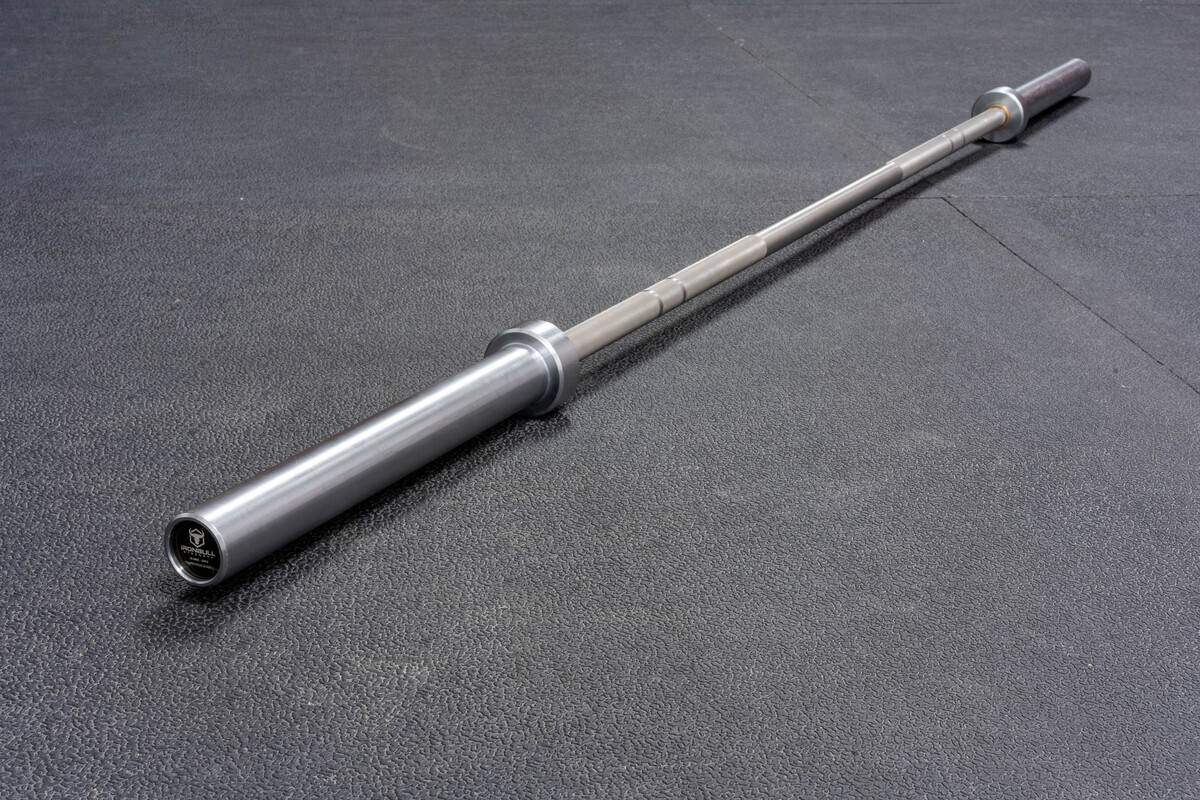
Credit: ironbullstrength.com
Frequently Asked Questions
Are All Gym Bars 45 Lbs?
Not all gym bars weigh 45 lbs. Standard Olympic bars are 45 lbs, but specialty bars vary. Curl bars, hex bars, and women’s bars can weigh differently, typically ranging from 15 to 35 lbs. Always check the specifications or ask gym staff for accurate weight information.
How Much Do Gym Bars Weigh?
Standard Olympic gym bars weigh 20 kilograms or 44 pounds. Women’s bars usually weigh 15 kilograms or 33 pounds. Curl bars often weigh between 11 and 13 pounds. These weights are typical, but always check the manufacturer’s specifications for accuracy.
Is The Bar 40 Lbs?
Yes, a standard Olympic barbell typically weighs 40 lbs. It is commonly used in gyms for weightlifting exercises. Always verify the weight of your specific bar, as some may vary slightly. Check manufacturer specifications for accurate details regarding your equipment.
Is The Bar At Planet Fitness 45 Pounds?
Yes, the barbell at Planet Fitness typically weighs 45 pounds. This is standard in most gyms for Olympic bars. Always confirm with staff for any variations.
Conclusion
Knowing the weight of gym bars is essential for effective workouts. Each type of bar has a specific weight. Standard bars usually weigh 45 pounds. Some specialty bars weigh less or more. Understanding these differences helps in planning exercises. Beginners can start with lighter options.
Progress gradually to avoid injuries. Always check the weight before lifting. This ensures safe and efficient training. A well-informed choice boosts confidence in workouts. Remember, every bar serves a unique purpose. Choose wisely to match your fitness goals. Stay informed and lift smartly.
Your fitness journey will benefit greatly.