When you step into a gym, the barbell is often the centerpiece of your workout. But have you ever wondered how much that barbell actually weighs?
Understanding the weight of a gym barbell is crucial, whether you’re a beginner plotting your fitness journey or a seasoned lifter aiming to fine-tune your routine. It can be the difference between achieving your goals safely and risking injury. You’ll uncover the real weight of the barbell, learn why it’s important to know, and discover how it can impact your workouts.
Ready to lift your knowledge and enhance your gym experience? Let’s get started!
Standard Barbell Weight
Understanding the weight of a standard barbell is crucial for gym-goers. A standard barbell is the cornerstone of weightlifting. It plays a vital role in various workouts. Knowing its weight helps in planning effective exercise routines.
Olympic Barbells
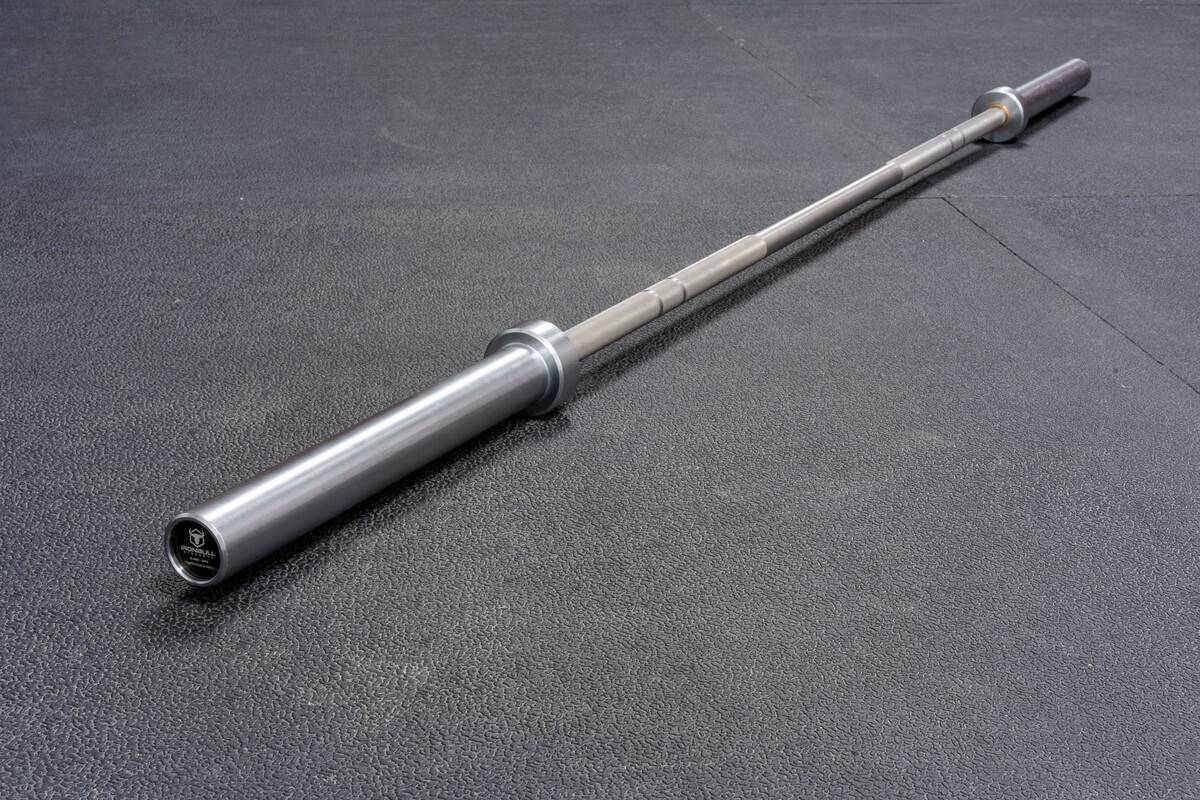
Olympic barbells are popular in gyms worldwide. They typically weigh 44 pounds or 20 kilograms. This weight suits various lifting activities like squats and deadlifts. Olympic barbells are longer and have a higher weight capacity. They are ideal for competitive weightlifting.
Powerlifting Barbells
Powerlifting barbells differ slightly in design and weight. They usually weigh 45 pounds. These barbells are crafted for strength and durability. Powerlifting barbells handle heavy loads. They are perfect for bench presses and squats. Their knurling is often more aggressive for a better grip.
Ez Curl Barbells
EZ curl barbells are designed for arm workouts. They are shorter and lighter than standard barbells. Typically, they weigh around 10 to 15 pounds. Their unique shape reduces strain on wrists and forearms. EZ curl barbells are excellent for bicep and tricep exercises.

Credit: www.reddit.com
Specialty Barbells
Specialty barbells offer unique training benefits for fitness enthusiasts. These barbells differ in design and weight from standard barbells. Knowing their specifics can enhance your workout routine.
Trap Barbells
Trap barbells, also known as hex bars, are hexagonal-shaped bars. They allow users to stand inside the bar, which can reduce strain on the back. A typical trap barbell weighs between 45 and 75 pounds. This varies based on the brand and model.
Safety Squat Barbells
Safety squat barbells feature padded shoulders and a central grip. This design helps with balance during squats. They typically weigh around 60 to 70 pounds. Their unique structure supports better form and comfort.
Swiss Barbells
Swiss barbells, sometimes called multi-grip bars, have several handles. These handles allow for varied grip positions. They usually weigh about 35 to 55 pounds. This barbell is excellent for pressing and rowing exercises.
Barbell Weight Variations
Barbells come in different weights. Understanding these variations is crucial. It helps you choose the right equipment for your workout. Each type of barbell serves a unique purpose. Let’s explore the different types available.
Women’s Barbells
Women’s barbells are lighter than standard barbells. They typically weigh 15 kilograms or 33 pounds. The grip diameter is smaller, making it easier to hold. Designed for female athletes, they suit various strength levels.
Youth Barbells
Youth barbells cater to young lifters. They weigh around 10 kilograms or 22 pounds. The smaller size helps in learning proper lifting techniques. Perfect for beginners, these barbells prevent injury and build confidence.
Technique Barbells
Technique barbells are lightweight and useful for learning. They usually weigh between 5 to 15 kilograms. These barbells are ideal for practicing form and technique. They help lifters focus on the movement without heavy loads.
Factors Affecting Barbell Weight
Various factors influence a gym barbell’s weight. Standard barbells typically weigh 20 kilograms or 44 pounds. Different brands, materials, and designs can slightly alter this weight.
Factors affecting barbell weight are crucial for gym enthusiasts. Understanding these can help in selecting the right equipment. Different barbells weigh differently based on several aspects. Let’s explore these key factors.Material Composition
The material used greatly influences barbell weight. Steel is common due to its durability and strength. Some barbells use chrome or stainless steel. These materials vary in weight. Aluminum barbells are lighter and often used for training. The chosen material impacts overall barbell weight.Barbell Length
Barbell length affects its weight significantly. Standard barbells are typically 7 feet long. Some are shorter, designed for specific workouts. Longer barbells may weigh more due to the extra material used. Shorter ones might be lighter, ideal for compact spaces. Length plays a vital role in determining weight.Sleeve Design
Sleeve design is another factor in barbell weight. Sleeves hold the weight plates. Their construction can vary. Some barbells have thicker sleeves, adding extra weight. Others feature thinner sleeves, making them lighter. The sleeve design not only affects weight but also the barbell’s balance.Choosing The Right Barbell
Selecting the correct barbell is essential for effective workouts. Standard gym barbells usually weigh 44 pounds (20 kilograms). Knowing this helps in planning and achieving fitness goals.
Choosing the right barbell can be a game-changer in your fitness journey. A barbell isn’t just a piece of equipment; it’s a tool that can help you achieve your fitness goals, improve your skills, and fit within your budget. Whether you’re lifting for strength, endurance, or just starting out, selecting the right barbell can make all the difference. So, what should you consider when picking out a barbell? Let’s dive into the details.Fitness Goals
Your fitness goals should guide your choice of barbell. Are you aiming to build muscle mass, increase endurance, or improve your Olympic lifts? If muscle mass is your priority, you might want a barbell with a heavier weight capacity. On the other hand, if you’re looking to enhance endurance, a lighter bar with more reps could be beneficial. Aiming for Olympic lifts? Opt for a barbell with a whip, which means it has a bit of bounce, helping in movements like cleans and snatches.Skill Level
Your skill level is crucial when choosing a barbell. Beginners may find standard barbells more manageable and less intimidating. These typically weigh around 20 kg (44 lbs) and are versatile for a variety of exercises. As your skills advance, you might want to explore specialty barbells. Experienced lifters often seek out barbells tailored for specific lifts, such as powerlifting or weightlifting bars, each designed to withstand different weights and pressures.Budget Considerations
Budget is often a key factor in selecting fitness equipment. Quality barbells can range from affordable to quite pricey. It’s important to balance between price and quality. A cheaper barbell might save you money upfront but could wear out quickly if it’s not durable. Investing in a mid-range barbell often means better quality and longevity. Consider how often you’ll use the barbell and for what types of lifts to ensure you’re making a smart purchase. Choosing the right barbell involves careful consideration of your goals, skills, and budget. Have you ever thought about how the wrong barbell might slow your progress or even cause injury? Take the time to evaluate your needs and make a choice that supports your fitness journey.
Credit: www.reddit.com
Barbell Maintenance Tips
Maintaining a gym barbell is important for its longevity. Proper care ensures safety during workouts. Regular maintenance keeps the barbell in top condition. Let’s explore essential tips for keeping your barbell in great shape.
Cleaning And Care
Clean your barbell after each use. Use a soft brush to remove chalk and sweat. A mild soap solution helps remove stubborn dirt. Dry it thoroughly to prevent rust. Regular cleaning maintains its grip and appearance.
Storage Solutions
Store your barbell in a dry place. Use a rack or wall mount to avoid bending. Keep it away from moisture. A humid environment can cause rust. Proper storage preserves the barbell’s integrity.
Checking For Damage
Inspect your barbell for damage regularly. Look for bends or cracks. Check the sleeves for smooth rotation. A damaged barbell can be unsafe. Regular checks prevent accidents during workouts.

Credit: www.facebook.com
Frequently Asked Questions
How Much Does A Regular Gym Barbell Weigh?
A regular gym barbell typically weighs 20 kilograms, which is about 44 pounds. This weight is standard for Olympic barbells used in most gyms. It’s important for weightlifting enthusiasts to confirm the barbell weight at their gym, as some specialty bars may differ.
Always check before adding weights.
Are All Gym Bars 45 Lbs?
Not all gym bars weigh 45 lbs. Standard Olympic bars are 45 lbs, but other types vary in weight. Curl bars, training bars, and specialty bars often have different weights. Always check the specifications for accurate information.
Are Olympic Bars 55 Pounds?
Yes, standard Olympic bars typically weigh 45 pounds. However, some specialized bars, like the Olympic weightlifting bar, weigh 55 pounds. Always check specifications for accuracy.
How Heavy Is A Gym Ez Bar?
A standard gym EZ bar typically weighs between 10 to 15 pounds (4. 5 to 6. 8 kg). Some variations might weigh more, depending on the manufacturer and design. Always check the specific weight of the EZ bar at your gym for accuracy.
Conclusion
Choosing the right barbell weight is crucial for your workout. Standard barbells usually weigh 45 pounds. Some specialty bars weigh less or more. Consider your fitness level and goals when selecting a barbell. Lighter bars suit beginners or specific exercises.
Heavier bars challenge strength and endurance. Know your limits to avoid injury. Always check the barbell weight before lifting. Understanding barbell types aids in better training. Explore different options to find what works best for you. Remember, progress takes time and patience.
Keep lifting, stay safe, and enjoy your fitness journey.