Dreaming of opening your own gym? You’re not alone.
Many fitness enthusiasts like you are eager to turn their passion into a thriving business. The fitness industry is booming, and there’s never been a better time to make your mark. But where do you start? The journey can seem daunting, filled with questions about location, equipment, and attracting the right clientele.
Imagine the satisfaction of seeing your gym bustling with activity, your clients achieving their fitness goals, and you leading a successful business. We’ll break down the steps you need to take to turn your dream into reality. By the end, you’ll have a clear roadmap to opening your very own gym. Ready to make it happen? Let’s dive in.
Market Research
Starting your own gym is a thrilling venture, but before you can get people through the doors, you need to ensure there’s a demand for your services. Market research is your compass, guiding you to understand the landscape and identify opportunities. It helps you spot gaps in the market and tailor your gym to meet customer needs.
Identify Target Audience
Who are you aiming to serve with your gym? Are they fitness enthusiasts, beginners, or perhaps busy professionals looking for quick workouts? Pinpointing your target audience is crucial. Consider their age, lifestyle, and fitness goals. This will help you create a space that resonates with them and meets their specific needs.
Think about your own fitness journey. What made you commit to working out? Your insights can help you connect with your audience on a personal level, making your gym feel like a community.
Analyze Competitor Landscape
Take a stroll around your neighborhood or search online. What types of gyms already exist? Are they offering unique classes, specialized equipment, or flexible memberships? Note their strengths and weaknesses. This will help you position your gym uniquely.
Consider visiting some of these gyms. Experience their atmosphere and customer service firsthand. What do you like, and what could be improved? Use this knowledge to offer something better and different.
Evaluate Fitness Trends
Fitness trends are ever-evolving. Are people leaning towards high-intensity workouts, yoga, or virtual fitness classes? Keep an eye on popular fitness influencers and blogs. They often set the tone for what’s trending.
Reflect on your personal preferences. Have you noticed any shifts in your workout habits recently? Trends often start with individuals making small changes. Could your gym capitalize on these emerging preferences?
Market research isn’t just about data; it’s about understanding the pulse of your community. What does your community need, and how can you fulfill that? Dive deep into these aspects, and you’ll lay a solid foundation for your gym’s success.

Credit: www.instagram.com
Business Plan Development
Starting a gym involves crafting a detailed business plan. Outline your goals, budget, and location strategy. Plan marketing methods and customer services to attract fitness enthusiasts.
Opening your own gym is an exciting venture, but it’s crucial to start with a solid business plan. This plan will serve as your roadmap, guiding you through the early stages and helping you make informed decisions. It’s your chance to define who you are, what you offer, and how you plan to succeed in a competitive industry.Define Mission And Vision
Your gym’s mission and vision are the foundation of your business identity. Think about what sets your gym apart from others. Is it your commitment to eco-friendly practices, or perhaps a focus on community-building activities? Consider your experiences. Did you ever feel unwelcome in a gym? Use that feeling to create a mission focused on inclusivity. Craft a vision that excites you and others. This clarity will help attract like-minded clients and employees.Set Clear Goals
Goals give your business direction and purpose. Start with specific, measurable targets. Do you want to reach 100 members in the first quarter? Maybe you aim to launch a new class every month. Break down goals into achievable steps. It’s easier to manage and track progress. Ask yourself: What do I want to achieve in one year, and what steps will take me there? Remember, clear goals keep you motivated and focused.Budget And Financial Planning
Budgeting is the backbone of your gym’s success. Begin by listing all expected expenses: rent, equipment, staff salaries, marketing, and utilities. Use a spreadsheet to organize and visualize your budget. Determine how much capital you need and explore funding options. Can you apply for a business loan, or seek investors? Make sure you have a financial cushion for unexpected costs. A well-planned budget prevents overspending and keeps your business healthy. Ultimately, developing a comprehensive business plan is about translating your dreams into reality. Are you ready to start shaping the future of your gym?Legal Requirements
Starting your own gym involves more than finding a good location. You must address the legal requirements to operate smoothly. Understanding these steps ensures your business stays compliant. Let’s explore the essential legal needs for opening a gym.
Business Registration
Registering your business is the first legal step. Choose a business structure like an LLC or corporation. Each structure has different tax and liability implications. Research your state’s specific requirements. File the necessary documents and pay the registration fees. This step legitimizes your gym.
Licenses And Permits
Licenses and permits vary by location. Most gyms need a general business license. Some areas require health and safety permits. Check local regulations for specific requirements. Apply for all necessary permits before opening. Keep them updated to avoid penalties.
Insurance Needs
Insurance protects your gym and clients. Liability insurance covers accidents and injuries. Property insurance protects your equipment and facility. Worker’s compensation insurance is essential if you hire staff. Consult with an insurance agent for guidance. Ensure you have adequate coverage for peace of mind.

Credit: www.fitness-world.in
Location Selection
Choosing the right location for your gym is crucial. Look for areas with high foot traffic and nearby competitors. Consider parking availability and ease of access for members.
When embarking on the journey of opening your own gym, choosing the right location is crucial. A prime location can significantly impact your gym’s success. It affects foot traffic, accessibility, and visibility. Selecting a location involves several critical factors that can make or break your business. Understanding these factors can help you make an informed decision.Assess Accessibility
Accessibility is key to attracting members. Consider how easy it is for potential clients to reach your gym. Think about public transport options nearby. Check if there’s ample parking space. A location that’s easy to find can boost membership. Consider the neighborhood’s walkability. Proximity to residential areas can be beneficial. Ensure the gym is accessible to people of all ages and abilities. Accessibility can drive consistent traffic and memberships.Consider Space Requirements
Your gym needs enough space for equipment and activities. Calculate the square footage needed for workout areas. Think about locker rooms and reception areas. Don’t forget storage space for equipment. Consider future growth when planning space. Ensure there’s room for group classes. A cramped gym can deter clients. Adequate space ensures a comfortable environment. Factor in ceilings height for specific activities. Spaciousness contributes to a pleasant workout experience.Negotiate Lease Terms
Lease terms can affect your gym’s long-term viability. Examine the lease agreement carefully. Understand the terms and conditions. Consider the length of the lease. Short-term leases offer flexibility. Long-term leases provide stability. Discuss rent increases over time. Ensure you have room for expansion. Negotiate for favorable terms. Consider including maintenance and repairs in the lease. Understand the financial implications of the lease. Solid lease terms can safeguard your investment.Design And Equipment
Choosing the right gym design and equipment is crucial. Focus on layout that maximizes space and accessibility. Select equipment that caters to diverse fitness needs and skill levels.
Designing and equipping your gym is like setting the stage for success. The right layout and equipment can create an inviting atmosphere that attracts members and keeps them coming back. Your gym’s design is not just about aesthetics; it’s about functionality and safety too. Let’s dive into how you can create a winning combination of design and equipment.Create Layout Plan
Start by envisioning the space you have. Measure every nook and cranny to understand your gym’s potential. Think about your target audience. Do they need more space for weightlifting or group classes? Create zones for different activities. This helps in managing flow and reducing congestion. For example, have a designated area for cardio machines separate from free weights. Utilize mirrors to make the space feel larger and to help members check their form. Remember my first gym? I underestimated the space needed for stretching and warm-ups. Don’t make the same mistake—plan for enough open space.Select Gym Equipment
Choosing equipment can be overwhelming. Start with the basics: treadmills, bikes, weights, and mats. Quality matters more than quantity. Invest in durable machines that will withstand heavy use. Think about versatility. Machines that offer multiple functions can save space and money. For instance, a cable machine can be used for various exercises, unlike a single-purpose machine. Consider your budget. New equipment can be costly, so explore leasing options or purchasing refurbished machines to keep costs down.Ensure Safety Standards
Safety should be your top priority. Inspect the flooring to prevent slips and falls. Rubber flooring is a popular choice for its durability and shock absorption. Ensure that all equipment is installed correctly. Misplaced machines can lead to accidents and injuries. Regular maintenance checks can prevent malfunctions and extend the life of your equipment. Don’t forget about emergency protocols. Install fire extinguishers and first aid kits in accessible locations. Train your staff to handle emergencies effectively. How can you create a gym that’s not only inviting but also safe and efficient? By focusing on design and equipment, you lay the foundation for a successful gym that meets the needs of your members.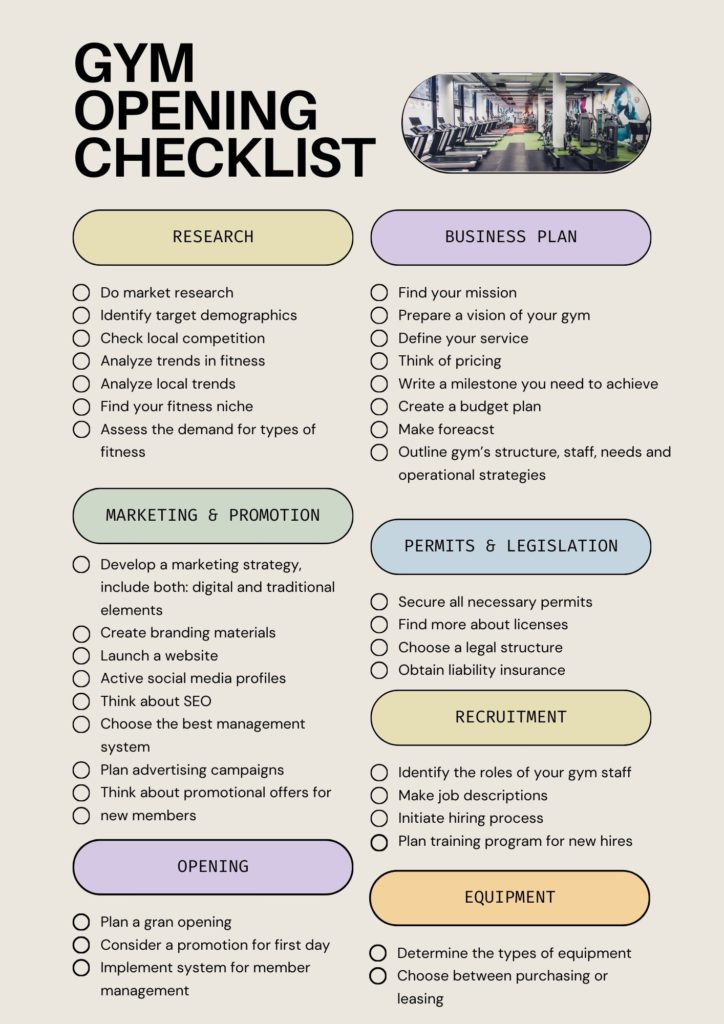
Credit: wod.guru
Staff Recruitment
Opening a gym involves more than just buying equipment. Recruiting the right staff is crucial. The success of your gym depends on skilled and motivated employees. They interact with clients daily, influencing their experience and satisfaction.
Define Roles And Responsibilities
Identify the positions you need. Personal trainers, receptionists, and maintenance staff are essential. Clearly outline what each role entails. This helps potential employees understand expectations. Define skills and qualifications needed for each position.
Interview And Hire
Prepare a list of questions for interviews. Focus on the candidate’s experience and attitude. Assess their passion for fitness. Conduct multiple rounds of interviews if necessary. Check references to ensure reliability.
Training And Development
Invest in training programs for your staff. Provide workshops on customer service and gym safety. Encourage continuous learning. Offer opportunities for professional growth. Regular feedback sessions help staff improve.
Marketing Strategy
Creating a marketing strategy for opening your own gym involves understanding your target audience. Focus on unique services like personal training or specialized classes. Promote through local partnerships and social media to build community interest and loyalty. Keep messages clear and engaging to attract potential members.
Opening your own gym is an exciting venture, but without a solid marketing strategy, attracting members can be challenging. Marketing isn’t just about promoting your gym; it’s about creating a memorable brand that resonates with your target audience. Let’s dive into how you can effectively market your gym and make it stand out in the fitness industry.Brand Identity Creation
Your brand is your gym’s personality. Think about what makes your gym unique. Is it the cutting-edge equipment? The personalized training sessions? Or perhaps the welcoming community atmosphere? Define your brand by choosing a name that reflects your gym’s philosophy. Create a logo that is simple yet impactful. Use colors that evoke energy and health. Don’t forget to craft a compelling mission statement. This will guide all your marketing efforts and ensure consistency across all platforms. Your brand should be something people remember and trust.Social Media Presence
Social media is a powerful tool for gyms. It’s where you can showcase success stories and share workout tips. Are you engaging with your followers regularly? Post content that is relatable and inspiring. Share videos of trainers demonstrating exercises, or offer challenges that followers can participate in. Instagram and Facebook are great platforms to start with. Encourage feedback and respond promptly to comments. This will build a community around your gym and keep your audience engaged. Use social media to give your gym a voice and keep the conversation going.Local Community Engagement
Never underestimate the power of engaging with your local community. How can you make your gym a household name in the neighborhood? Host free workshops or fitness boot camps in local parks. Partner with local businesses for cross-promotions. This increases your visibility and shows that you care about the community. Consider offering discounts for local residents or collaborating with schools for fitness programs. Your involvement in local events can create a loyal customer base that feels connected to your gym. Each of these strategies is a stepping stone to building a thriving gym. What other creative approaches can you think of to market your gym?Membership Plans
Starting your own gym involves creating membership plans that appeal to diverse fitness goals. These plans attract various clients by offering flexible options. Consider including monthly, quarterly, and annual memberships to cater to different preferences and budgets.
When planning to open your own gym, crafting the right membership plans is crucial. This determines how you attract and retain members. A well-structured plan can drive your gym’s success. Let’s delve into key aspects that ensure effective membership plans.Pricing Strategy
Setting the right price is essential. It reflects your gym’s value. Research local competitors to understand market trends. Offer different tiers to cater to varied budgets. For instance, basic, standard, and premium plans. Each tier should offer distinct benefits. This gives members options and flexibility. Pricing should be clear and transparent. Avoid hidden fees. This builds trust and encourages sign-ups.Offer Promotions
Promotions can attract new members. Consider offering a free trial week. This allows potential members to experience your gym. Discounts on first-month memberships work well, too. Partner with local businesses for cross-promotions. For example, collaborate with a nearby health store. This expands your reach and visibility. Highlight these promotions on social media and your website. Keep them time-limited to create urgency.Member Retention Techniques
Retaining members is as important as gaining new ones. Offer personalized training sessions. Engage members with regular fitness challenges. This keeps them motivated and engaged. Create a community atmosphere. Host events or workshops regularly. This builds a sense of belonging. Regularly seek feedback and make improvements. Satisfied members are less likely to leave. Focus on providing excellent customer service. A friendly staff can make a big difference.Operational Management
Operational management is crucial for your gym’s success. It covers everyday activities, ensuring smooth functioning. Proper management enhances customer satisfaction and boosts your reputation. Let’s explore key areas of operational management.
Daily Operations
Daily operations are the backbone of your gym. Start by setting clear opening and closing times. Ensure cleanliness and safety are top priorities. Regularly maintain gym equipment to prevent breakdowns. Schedule staff shifts for optimal coverage. Keep an inventory of supplies needed for daily activities.
Use software for tracking memberships and appointments. It helps in managing time effectively. Monitor energy usage to reduce costs. Create a checklist for daily tasks. This ensures nothing gets missed. Organize classes and trainers’ schedules efficiently. It enhances member satisfaction.
Customer Service Excellence
Customer service excellence builds loyalty and trust. Train staff to greet members warmly. Listen actively to their needs and concerns. Use positive language and maintain a friendly tone. Offer personalized assistance when required. Ensure quick response to queries and complaints.
Encourage feedback for continuous improvement. Implement a loyalty program for long-term members. Host events to engage with the community. Ensure the front desk is attentive and knowledgeable. Regularly review customer service strategies. It helps in delivering exceptional experiences.
Feedback And Improvements
Feedback is vital for growth. Collect feedback through surveys and suggestion boxes. Analyze the data to find common issues. Regularly update gym facilities based on feedback. Implement improvements in services and equipment. Communicate changes to members effectively.
Encourage staff to contribute ideas for improvement. Host regular meetings to discuss feedback. Make adjustments swiftly to address concerns. Keep an open mind to suggestions. Document all improvements and review their impact. Strive for constant enhancement of gym operations.
Growth And Expansion
Starting a gym requires careful planning and investment. Choose a suitable location to attract fitness enthusiasts. Develop a business plan that outlines services, equipment, and marketing strategies to grow your clientele.
Opening your own gym is a thrilling journey. But once the doors are open and the weights are racked, the real adventure begins with growth and expansion. It’s not just about more treadmills or bigger spaces. It’s about strategically scaling your gym to meet the evolving demands of your members, while ensuring your vision remains intact.Scaling Strategies
Scaling isn’t just about physical size. It’s about optimizing your operations to handle more members without sacrificing quality. Consider automating member management and billing processes. Invest in technology that enhances the user experience, like booking classes through an app. Imagine your gym operating seamlessly, allowing you to focus on what truly matters—your members’ satisfaction.New Services And Programs
Expanding services can attract a wider audience. Think about what complements your current offerings. Could introducing a nutrition counseling service or a yoga program enhance your gym’s value? Offering diverse programs can keep your members engaged and draw in new ones. What service would you love to add that aligns with your gym’s ethos?Long-term Vision
Growth is not just about the next month or year—it’s about where you see your gym in five or ten years. Picture your gym as a community hub, a place where members feel at home. Consider partnerships with local businesses or events to integrate your gym into the community. Your long-term vision should guide every decision, ensuring your gym grows in a way that feels authentic and sustainable. Embracing growth and expansion requires thoughtful strategies and a clear vision. What steps will you take today to ensure your gym thrives tomorrow?Frequently Asked Questions
How Much Is It To Open My Own Gym?
Opening a gym typically costs $50,000 to $500,000. Expenses include equipment, rent, insurance, and marketing. Costs vary based on location, gym size, and amenities offered. Research and plan carefully to estimate your total budget accurately.
How Profitable Is Owning Your Own Gym?
Owning a gym can be profitable with proper management, strategic marketing, and a strong client base. Initial costs can be high, but potential earnings vary based on location, services, and membership fees. Successful gyms often diversify income through personal training, classes, and retail sales.
How Do I Open My Own Gym With No Money?
Start by developing a solid business plan. Seek investors or partners who believe in your vision. Consider leasing equipment instead of buying. Use social media for marketing and promotions. Explore government grants or small business loans for funding.
How Much Does It Cost To Open A Basic Gym?
Opening a basic gym costs $50,000 to $150,000. Expenses include equipment, space rental, licenses, and marketing. Budget carefully to cover utilities, insurance, and staff salaries. Consider location and target audience to optimize investment. Start small and scale as membership grows for best financial management.
Conclusion
Starting your own gym is a rewarding journey. You build a community. You inspire health and fitness. It’s a path filled with challenges, but growth awaits. Consider location, equipment, and staff carefully. Plan finances and marketing strategies thoroughly. Stay committed to your vision.
Adapt to changes in industry trends. Listen to your members’ needs. Their feedback guides success. With dedication, your gym can thrive. Create a welcoming space where everyone feels at home. Encourage progress and celebrate achievements. Your efforts will bring positive impacts.
Remember, persistence leads to a thriving gym. Keep pushing forward, and enjoy the journey!