Ever find yourself surrounded by fitness enthusiasts tossing around the term “PR” at your gym and wondering what it actually means? You’re not alone.
PR, or Personal Record, is a pivotal concept in the fitness world, and understanding it can completely transform your workout experience. Imagine the thrill of surpassing your own limits and achieving something you never thought possible. This is what chasing a PR can do for you.
But why is it so important? And how can you harness the power of PRs to fuel your own fitness journey? Keep reading to uncover the secrets behind setting and smashing your personal records, and discover how this simple idea can revolutionize your approach to exercise.
Understanding Pr In Fitness
Understanding Personal Records (PR) in fitness is a game-changer for anyone serious about their gym journey. It’s that exhilarating moment when you push past your limits and set a new benchmark for yourself. Whether you’re lifting weights or running, a PR is a testament to your growth and determination. Let’s dive deeper into what PR truly means and how it can transform your fitness experience.
Definition And Importance
A PR, or Personal Record, is the best performance you’ve achieved in a specific exercise or activity. It’s not just about lifting the heaviest weight or running the fastest mile; it’s about beating your own past performance. This could mean lifting five pounds more than last week or running a few seconds faster.
Setting PRs is crucial because they serve as a tangible measure of your progress. They give you a clear goal to strive for and can motivate you to push harder. Think of each PR as a milestone on your fitness journey, marking your improvement and dedication.
Role In Personal Growth
PRs play a pivotal role in your personal growth by pushing you to exceed your limits. Each time you set a new PR, you prove to yourself that you can do better than before. This fosters a mindset of continuous improvement and builds confidence.
Imagine the feeling of lifting a weight you once thought impossible. That sense of achievement fuels your motivation and propels you towards even bigger goals. PRs challenge you, making workouts exciting and full of purpose.
Have you ever found yourself stuck in a fitness rut? Chasing PRs can be a refreshing way to shake things up. They encourage you to experiment with new strategies and techniques to improve. By focusing on personal records, you turn your gym sessions into opportunities for discovery.
Credit: www.bodybuildingmealplan.com
Tracking Your Pr
Tracking your Personal Record (PR) in the gym is crucial for progress. It helps to measure your strength and improvement over time. Knowing your PR gives motivation and sets clear goals. But how do you track your PR effectively? Let’s explore methods and tools, and how often to update your records.
Methods And Tools
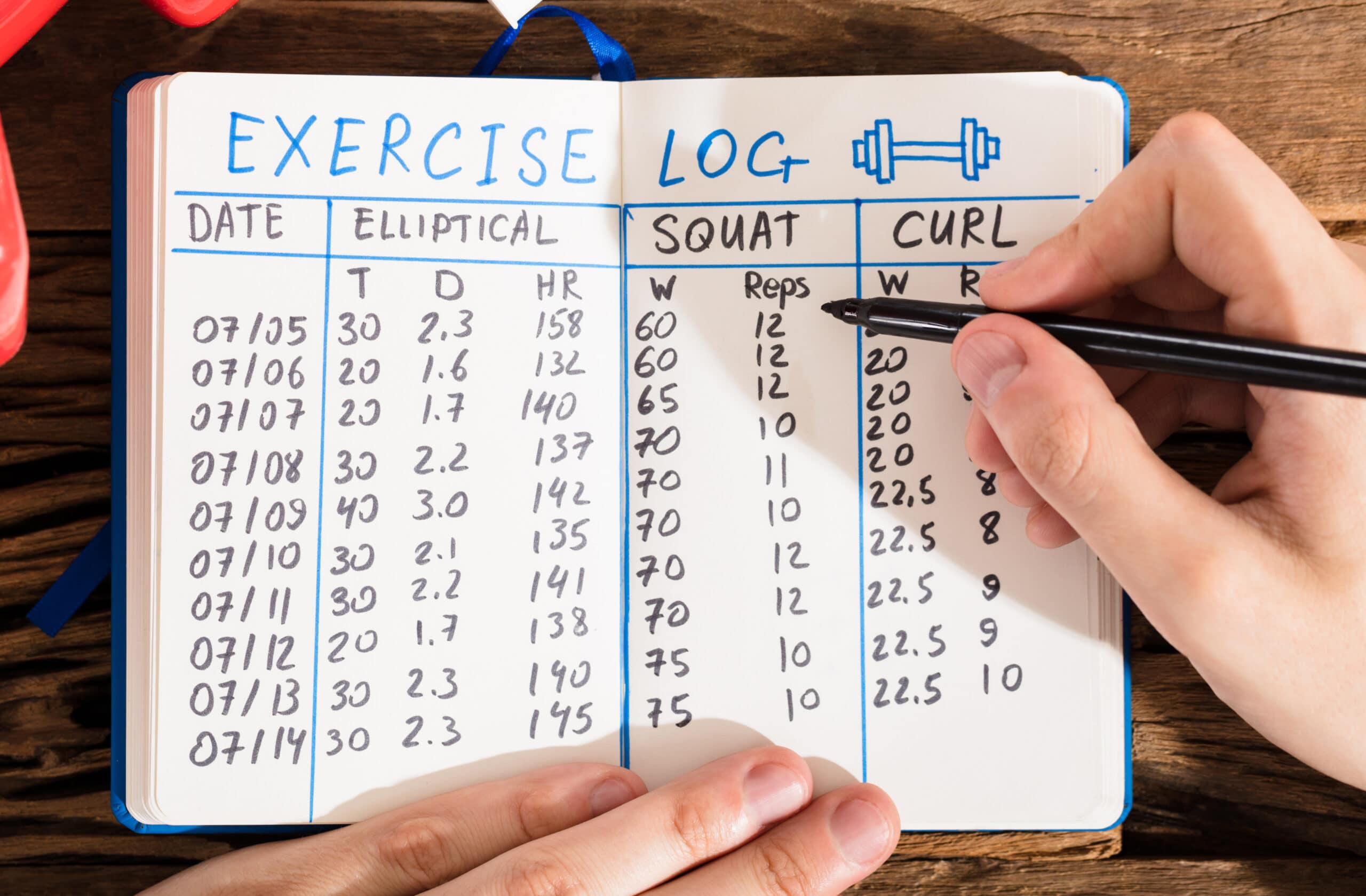
Using a notebook is a traditional method. Write down exercises and weights lifted. This method is simple and cost-effective. Apps provide a digital way to track PRs. Many apps offer features like graphs and history. They can sync with wearable devices for better accuracy. Spreadsheets are useful for detailed tracking. They allow for customization and calculations.
Frequency Of Updates
Update your PR records regularly. Weekly updates keep your data fresh and accurate. Monthly updates allow for broader analysis. Choose a frequency that suits your workout routine. Regular updates help in identifying trends and patterns. They also assist in setting realistic future goals.
Setting Realistic Goals
In gym culture, a PR, or personal record, signifies the best performance an individual achieves in a specific exercise. Establishing realistic goals can guide progress towards achieving new PRs. It involves setting achievable targets that motivate and inspire continuous improvement.
Setting goals in the gym is crucial for tracking your progress and maintaining motivation. However, it’s essential to ensure these goals are realistic. Setting the bar too high can lead to frustration and burnout, while setting it too low might not challenge you enough. Understanding how to set achievable personal records (PRs) can make all the difference.Assessing Current Strength Levels
Before you set your sights on a new PR, know where you stand. Assessing your current strength levels is the first step. This means taking a good look at what you can comfortably lift, push, or pull right now. It’s like a snapshot of your current abilities. You might think you can bench press 200 pounds because it sounds impressive, but can you do it safely and effectively? Consider doing a strength test with weights you are already familiar with. This helps to establish a baseline from which you can grow.Incremental Progress Strategies
Once you know your starting point, focus on incremental improvements. Small, consistent steps lead to significant changes over time. Instead of trying to jump from a 100-pound squat to a 150-pound squat in one week, aim to add 5-10 pounds every few sessions. Perhaps you remember a time when you added just 2.5 pounds to your lifts, and it made all the difference. Those small victories add up and keep you motivated. Think about it: what’s more satisfying—reaching an unrealistic goal and feeling overwhelmed, or steadily achieving smaller goals and feeling accomplished each time? Use a journal to track your progress and celebrate each milestone. What will your next step be?Overcoming Mental Barriers
Breaking personal records (PRs) in the gym isn’t just physical. It requires mental strength too. Overcoming mental barriers can be the toughest part. These barriers can hold you back. They can stop progress. But with the right mindset, you can push through. Let’s explore how to tackle these challenges and succeed.
Building Confidence
Confidence is key in the gym. Without it, doubt creeps in. You might question your abilities. To build confidence, start small. Set realistic goals. Achieve them one by one. Celebrate each success. This builds self-belief. It shows you what you’re capable of. With each goal met, confidence grows. Soon, you’ll tackle bigger challenges.
Managing Fear Of Failure
Fear of failure is common. It can paralyze progress. You might fear not meeting expectations. Or worry about judgment from others. But failure is part of growth. It’s a learning tool. Embrace it instead of fearing it. Focus on what you learn, not the failure itself. Each setback is a step towards your goal. It prepares you for future success.
Training Techniques For Pr
Personal Records (PRs) in the gym are personal best achievements. Reaching a new PR means you have surpassed your previous best. Training techniques play a critical role in achieving these milestones. They help in building strength, endurance, and skill. Let’s explore some effective techniques to help you reach your PR goals.
Progressive Overload
Progressive overload involves gradually increasing the stress on your muscles. This can be done by lifting heavier weights or adding more repetitions. The body adapts to stress, leading to muscle growth. Consistency is key in this approach. Aim to push a bit more each session. It ensures continuous improvement and helps in reaching new PRs.
Recovery And Rest
Recovery and rest are as crucial as the workouts themselves. Muscles need time to repair and grow stronger. Overtraining can lead to injuries and setbacks. Ensure you get enough sleep and rest days. Proper nutrition aids in recovery. Hydration supports muscle function. Listen to your body and give it the care it needs.
Nutrition For Strength Gains
Achieving strength gains requires understanding terms like “PR” or “Personal Record” in the gym. Nutrition plays a key role in helping you reach your PR by providing the energy and nutrients needed for muscle growth and recovery. Eating balanced meals supports your training efforts effectively.
Fueling your body with the right nutrition is key to smashing your personal records (PR) in the gym. Whether you’re lifting weights or performing intense workouts, what you eat plays a significant role in achieving strength gains. Nutrition isn’t just about eating healthy foods; it’s about providing your muscles with what they need to grow and recover. Let’s look at how you can optimize your diet to enhance your strength gains and set new PRs.Essential Macronutrients
Proteins, carbohydrates, and fats are the building blocks of your diet. Each has a unique role in supporting muscle growth and recovery. Protein is crucial for repairing and building muscle tissue. Aim to include sources like chicken, fish, beans, and tofu in your meals. Carbohydrates fuel your workouts, providing the energy needed to push through those last few reps. Whole grains, fruits, and vegetables are excellent choices. Healthy fats, such as those from avocados, nuts, and olive oil, support hormone production, including testosterone, which is important for muscle growth. Are you getting enough of these macronutrients to support your strength goals?Supplements For Performance
Supplements can be a helpful addition to your nutrition plan, but they shouldn’t replace whole foods. Creatine is one of the most researched supplements for enhancing strength and muscle mass. It’s found naturally in foods like red meat and fish but can also be taken as a supplement. Protein powders, like whey or plant-based options, are convenient for meeting your protein needs, especially post-workout when your body is primed for nutrient absorption. Pre-workout supplements can give you an extra boost of energy and focus, but choose wisely and be mindful of their caffeine content. Have you considered how supplements might fit into your nutrition strategy for hitting new PRs? Balancing your diet with the right macronutrients and considering strategic supplement use can set you on the path to achieving your gym goals. Eating smartly and purposefully can give you the edge you need to make significant strength gains.Avoiding Injury
Understanding PR, or personal record, is key to gym success. It represents the heaviest weight you’ve ever lifted. Striving for new PRs can motivate progress. But pushing limits without caution may lead to injuries. Always prioritize proper form and gradual weight increases to stay safe.
In the world of fitness, achieving a Personal Record (PR) is a thrilling milestone. It’s the moment when you lift heavier, run faster, or push your limits further than ever before. However, in the pursuit of these achievements, avoiding injury is crucial. Injuries can sideline you, disrupt your progress, and dampen your enthusiasm. Here’s how you can focus on avoiding injury while chasing your PR in the gym.Proper Form And Technique
Maintaining proper form and technique is your first line of defense against injury. It’s not just about the weight you lift but how you lift it. For example, when squatting, make sure your knees are aligned with your toes and your back is straight. This prevents undue stress on your joints and spine. If you’re unsure about your form, ask a trainer for guidance. They can provide valuable insights and corrections.Listening To Your Body
Your body often knows when it’s pushed to its limit. Listen to the signals it sends. Feeling a sharp pain? That’s a cue to stop and reassess what you’re doing. Discomfort can be a sign of an impending injury. Rest days are essential. They’re not just a break but a part of your growth process. Do you feel exhausted or burnt out? Consider taking a day or two off to recover. In your pursuit of a PR, never ignore what your body is telling you. It’s better to take a step back today to leap forward tomorrow.
Credit: www.tiktok.com
Celebrating Achievements
Achieving a new personal record (PR) in the gym is a moment worth celebrating. It marks progress and hard work. A PR represents the heaviest weight lifted or the best time achieved. It shows growth and motivates further improvement.
Celebrating achievements in the gym isn’t just about hitting a new number on the weights. It’s about acknowledging the hard work, dedication, and persistence that got you there. Every personal record, or PR, is a testament to your progress and a milestone worth celebrating.Recognizing Milestones
Every PR you achieve is a milestone. It’s the result of your sweat, effort, and time. Whether it’s lifting heavier or running faster, each achievement deserves recognition. Acknowledge these milestones by tracking them. Create a simple log or use a fitness app to see your journey. Reflect on how far you’ve come and set new goals. Ask yourself, how does this milestone make you feel? Celebrate the emotions and motivation that come with it. These feelings are powerful drivers for future success.Sharing Success With Community
Sharing your achievements with others can enhance your sense of accomplishment. Post about your PR on social media or tell your gym buddies. You might inspire someone else to push harder. Consider joining a fitness community or group. Share your journey and learn from others. Celebrate each other’s wins, big or small. Have you ever noticed how sharing success creates a ripple effect? Your story might encourage someone else to strive for their PR. It’s a win-win for everyone involved. Celebrating achievements can transform your gym experience. It turns individual success into shared joy and motivation. So, next time you hit a PR, celebrate it with pride and let it fuel your future goals.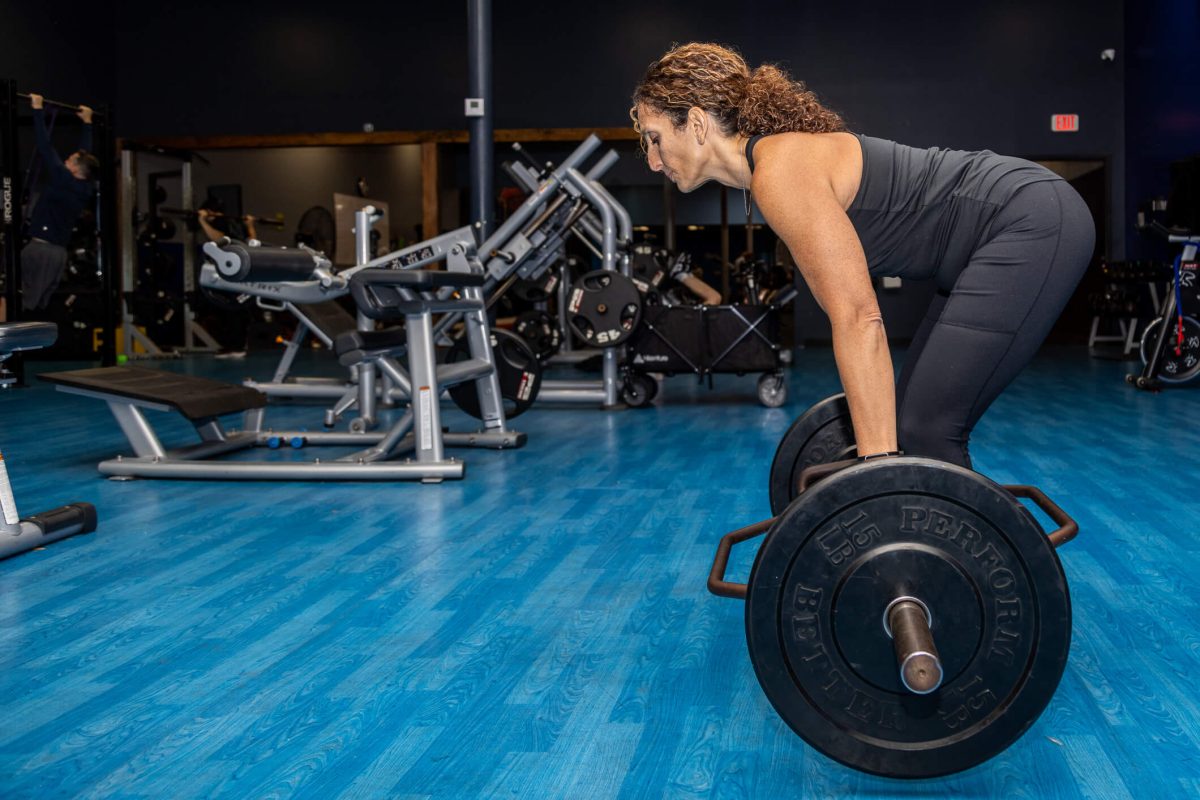
Credit: fitnesscompanyny.com
Frequently Asked Questions
What Does Pr Mean In Gym?
PR in the gym stands for Personal Record. It represents the maximum weight lifted or best performance achieved. Athletes often aim to surpass their PRs, striving for improvement and increased strength. Tracking PRs helps in setting goals and monitoring progress in fitness journeys.
What Does The Term Pr Mean In The Gym?
PR in the gym stands for “Personal Record. ” It refers to achieving your best performance in a particular exercise or lift. Setting a PR indicates progress and improvement in your fitness journey, motivating individuals to push their limits and strive for better results.
How Many Reps For A Pr?
A personal record (PR) usually involves performing one repetition of a weightlifting exercise at maximum effort. For PR attempts in strength training, focus on a single heavy rep. Ensure proper form and safety during lifts to achieve accurate results and prevent injuries.
Is Pr One Rep?
Yes, PR (Personal Record) can refer to one rep. It indicates the maximum weight lifted for one repetition in an exercise.
Conclusion
Achieving a personal record in the gym feels amazing. It shows growth. Every small step counts in your fitness journey. Stay consistent and focused on your goals. Celebrate each milestone, no matter how small. Personal records motivate and challenge you.
They push you to improve. Remember, everyone progresses at their own pace. Don’t compare yourself to others. Embrace your unique journey. Keep pushing your limits, safely and smartly. Listen to your body and rest when needed. With dedication, you’ll see progress over time.
Keep striving for new personal records and enjoy the journey.