Are you wondering how long you should really spend in the gym to achieve your fitness goals? Whether you’re aiming for weight loss, muscle gain, or simply better health, the time you invest in your workouts can make all the difference.
But with so much conflicting advice out there, it can be hard to know what’s best for you. Imagine walking into the gym with a clear plan and the confidence that you’re maximizing your results without wasting a single minute.
That’s exactly what this article will help you achieve. Stick around, and you’ll uncover the sweet spot for your workout duration, tailored to your personal goals and lifestyle. Let’s dive into the science and secrets that will transform your gym time into the most effective part of your day!
Setting Fitness Goals
Determining time spent in the gym depends on individual fitness goals. Beginners might aim for 30-minute sessions, while advanced exercisers may spend an hour. Consistency and listening to your body are key to progress.
Setting fitness goals is a crucial step on your journey to a healthier lifestyle. Whether you’re new to the gym or a seasoned athlete, having clear objectives can significantly impact your motivation and success. Setting the right goals helps you stay focused, track progress, and celebrate achievements along the way.Identifying Objectives
Before diving into workouts, take a moment to identify what you truly want to achieve. Do you want to lose weight, build muscle, or improve endurance? Knowing your objectives helps tailor your gym time to your needs. Think about why you started going to the gym. Is it to feel more confident, improve health, or prepare for a specific event? Your reason is the driving force behind your commitment. A clear objective gives purpose to your workout. It transforms exercises from random routines into targeted efforts.Short-term Vs Long-term Goals
Short-term goals are the stepping stones toward your bigger dreams. These are the goals you aim to achieve in a few weeks or months. They keep you motivated and provide quick wins that boost your confidence. For instance, if your long-term goal is to run a marathon, a short-term goal might be running a 5K within two months. Short-term goals should be realistic and achievable. Long-term goals, on the other hand, are your ultimate fitness aspirations. They may take a year or more to accomplish but offer a sense of fulfillment. Imagine looking back at your journey and seeing how each small goal contributed to your big victory. It’s incredibly satisfying. Balancing short-term and long-term goals ensures you’re consistently progressing while keeping your eyes on the prize. Ask yourself, what short-term goals can support your long-term vision? By setting both types of goals, you create a roadmap that guides your gym sessions. What goals will you set today to shape your fitness future?Determining Workout Duration
Determining the ideal workout duration can be confusing. People often wonder how long they should spend at the gym. Finding the right balance ensures effective workouts without overexertion. It’s crucial to focus on quality rather than quantity when planning gym sessions.
Factors Influencing Time In Gym
Several factors affect workout length. Your fitness goals play a big role. Weight loss might require more cardio. Muscle building could need longer resistance training. Experience also matters. Beginners might need shorter sessions. Advanced athletes can handle longer workouts.
Time availability affects gym duration too. Busy schedules might limit workout time. Setting realistic time frames prevents stress. Energy levels can influence how long you stay. Listen to your body. Don’t push beyond limits.
Balancing Workout Time
Finding balance is key to effective workouts. Too much time can lead to fatigue. Short sessions might not be enough. Consider mixing workout types. Include both cardio and strength training. Alternate intense workouts with lighter ones.
Plan rest days to recharge. They help prevent burnout. Use them to recover muscles and boost energy. Tracking progress aids in time management. Adjust workout duration as needed. Ensure consistent improvement.
Types Of Workout Sessions
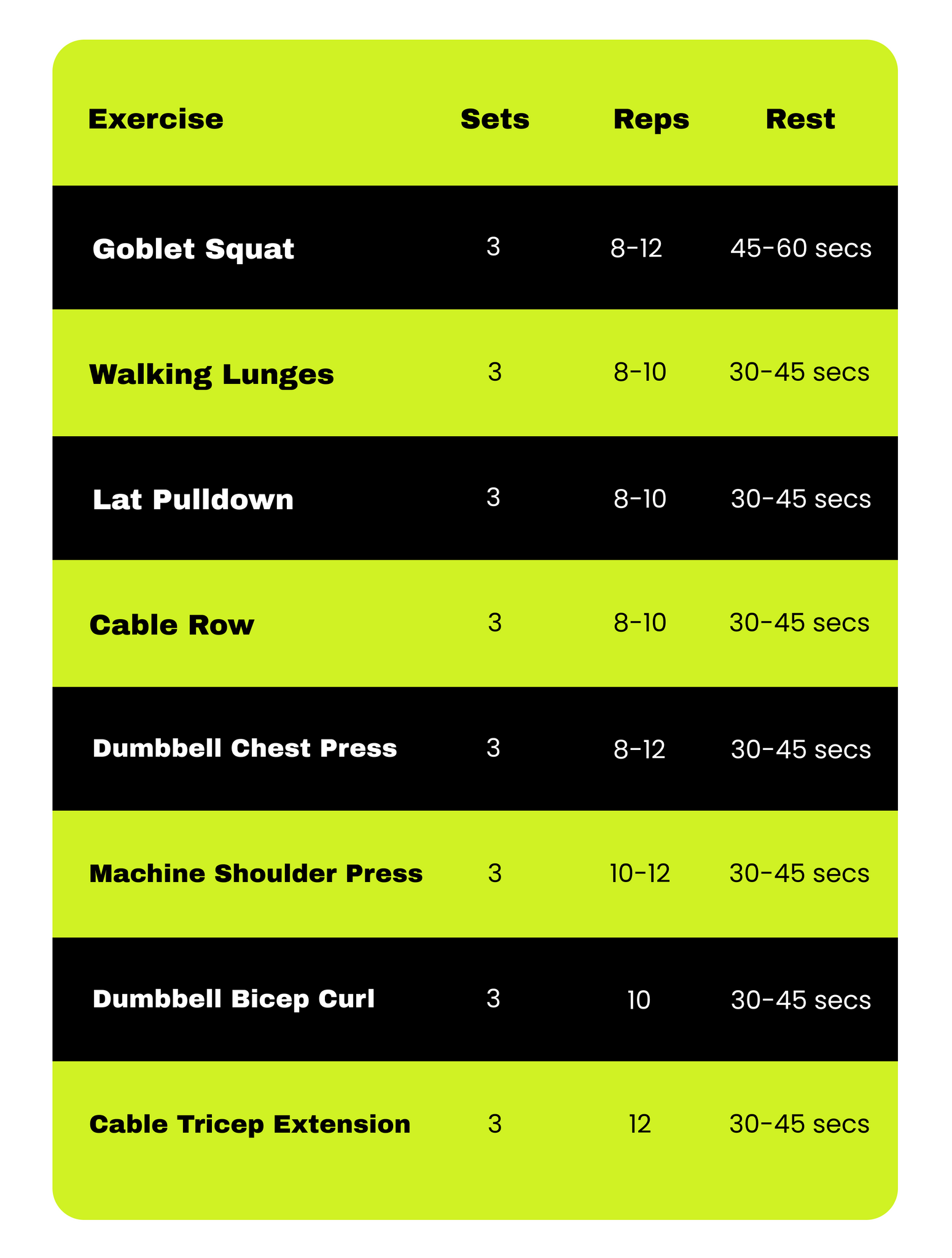
Diverse workout sessions dictate time spent in the gym. Strength training often requires 45 minutes to an hour. Cardio workouts can last 30 minutes, while circuit training might span 20 to 45 minutes. Balancing session types ensures effective fitness routines without overexertion.
When stepping into the gym, the variety of workout sessions can be both exciting and overwhelming. Whether you’re there to build muscle, shed pounds, or simply maintain a healthy lifestyle, understanding the different types of workout sessions can help you achieve your fitness goals more efficiently. Each session has its unique benefits, and knowing which one to choose can make all the difference in your fitness journey.Strength Training
Strength training focuses on building muscle and increasing your strength. You might think of lifting heavy weights, but it can also involve bodyweight exercises like push-ups or squats. Many people find strength training rewarding because you can actually see your progress. When I started lifting, I could only bench press a fraction of what I can now. Over time, seeing the weights increase not only boosted my confidence but also kept me motivated. If you’re new to strength training, consider starting with basic exercises and gradually increasing the weight. Are you ready to see what your body is capable of?Cardio Workouts
Cardio workouts are all about raising your heart rate and improving cardiovascular health. Running, cycling, and even dancing fall under this category. Cardio is excellent for burning calories and improving endurance. I remember my first 5k run; it seemed daunting, but finishing it was incredibly satisfying. You don’t need to run marathons to benefit from cardio. Even a brisk 20-minute walk can make a significant difference. What small changes can you make to add more cardio to your routine?Flexibility And Mobility
Flexibility and mobility workouts focus on keeping your body limber and preventing injury. Yoga and stretching exercises are popular choices here. These workouts might not make you sweat as much as others, but they are crucial for overall health. After years of ignoring flexibility, I faced frequent injuries. Adding just a few minutes of stretching to my routine has drastically improved my performance and reduced pain. If you’re looking to enhance your workouts, don’t overlook flexibility. How flexible are you willing to become to avoid injuries and improve your quality of life? Understanding these types of workout sessions and choosing the right mix can transform your time at the gym. Which session will you try next to take your fitness journey to the next level?
Credit: www.alltimefitness.ca
Creating A Schedule
Deciding how long to spend in the gym depends on your fitness goals. Beginners might start with 30-minute sessions, while experienced individuals may exercise for an hour. Always listen to your body and adjust your schedule to fit your personal needs and progress.
Creating a schedule for your gym routine is essential to achieve your fitness goals. It helps you stay organized and ensures you’re making the most of your time at the gym. But how do you create a schedule that fits your lifestyle and goals? Let’s dive in and explore how you can craft the perfect gym schedule.Weekly Workout Plans
Creating a weekly workout plan is like designing a roadmap to your fitness success. Start by deciding how many days a week you can commit to the gym. If you’re new to working out, aim for two to three days to ease into the routine. Each week, focus on different muscle groups. For instance, you might dedicate Mondays to legs, Wednesdays to arms, and Fridays to core workouts. This variation keeps your workouts exciting and targets all major muscle groups. Don’t forget to include rest days. Your body needs time to recover, and rest is just as important as the workouts themselves. Consider scheduling a rest day in the middle of the week to recharge.Adapting To Lifestyle
Your gym schedule should reflect your lifestyle. If you’re a morning person, plan your workouts early to kickstart your day with energy. On the other hand, if evenings work better for you, that’s perfectly fine. Adapt your gym time to fit your daily routine. Think about your commitments outside the gym. If you have a busy work schedule, maybe shorter, high-intensity workouts during lunch breaks are more feasible. Your gym schedule should complement your life, not complicate it. Consider integrating activities you enjoy. Love dancing? Try a Zumba class. Enjoy running? Include cardio sessions on the treadmill. Adapting your gym schedule to include fun activities can make it more sustainable. Creating a gym schedule is not just about planning workouts. It’s about making fitness a natural part of your lifestyle. What will be your first step in creating a schedule that truly works for you?Maximizing Gym Time
Maximizing your gym time isn’t just about spending hours lifting weights or running on the treadmill. It’s about making every minute count. By focusing on efficient exercise techniques and smartly utilizing your rest periods, you can achieve more in less time. Imagine walking out of the gym feeling accomplished, not exhausted. That’s the goal. Let’s dive into the strategies that can help you make the most of your workouts.
Efficient Exercise Techniques
Effective workouts are not about the quantity of exercises but the quality. Compound movements like squats, deadlifts, and bench presses engage multiple muscle groups at once. This means you’re burning more calories and building strength faster.
Consider adding high-intensity interval training (HIIT) to your routine. These short bursts of intense activity followed by rest can boost your metabolism and improve cardiovascular health. It’s a time-saver without compromising results.
What if you could do more in less time? Supersets, where you perform two exercises back-to-back with little rest, can maximize muscle engagement and save minutes. Try pairing opposing muscle groups, like biceps and triceps, for a balanced workout.
Utilizing Rest Periods
Rest periods are crucial but often misused. The time between sets is perfect for active recovery, such as stretching or light cardio. This keeps your heart rate up and muscles warm without wasting time.
How long should you rest? It depends on your goals. For strength building, aim for 2-3 minutes. For endurance and fat loss, 30-60 seconds is ideal. Tailor your rest to fit your workout intensity.
Ever caught yourself scrolling through your phone during rest? Use this time to mentally prepare for the next set. Visualize your success. This mental focus can enhance performance and keep you motivated.
Maximizing gym time is about smart strategies, not just hard work. By optimizing your exercise techniques and rest periods, you can achieve your fitness goals more efficiently. Have you considered how you could make your workouts more effective? Start with these tips and watch your progress soar.
Monitoring Progress
Monitoring your progress in the gym is crucial for achieving your fitness goals. Whether you’re aiming to lose weight, build muscle, or improve endurance, keeping track of your improvements helps you stay motivated and adapt your workout plans effectively. This section will guide you through practical ways to monitor your progress and ensure you’re on the right track.
Tracking Improvements
Tracking your fitness improvements is like having a roadmap for your journey. Use a journal or a fitness app to note down your workout details. Record the weights you lift, the distance you run, or the time you spend on each exercise.
Seeing your progress over time is incredibly motivating. Have you ever looked back at your first gym session? Compare it with where you are now and celebrate those milestones. You might notice you’re lifting heavier or running longer than before.
Consider setting specific short-term goals. They make tracking easier and give you something tangible to aim for. Imagine aiming to add five more pounds to your bench press every month. That’s a clear marker of improvement you can work towards.
Adjusting Workout Plans
Your body changes as you progress, and so should your workout plans. Sticking to the same routine can lead to a plateau. It’s essential to keep your workouts challenging and engaging.
Every month, review your progress and decide if it’s time for a change. Are your workouts feeling too easy? Increase the intensity or try new exercises. This keeps your muscles guessing and growing.
If you’re struggling with a particular exercise, don’t be afraid to tweak your plan. Maybe it’s a sign you need to focus more on your form or endurance. Adjusting your workout plan is about finding what works best for your body.
Ask yourself: What is my body telling me? Your body provides cues that can guide your adjustments. Listen to them, and you’ll find your workouts more effective and enjoyable.
Avoiding Overtraining
Balancing gym time prevents overtraining and keeps fitness on track. Limit workouts to 45-60 minutes for optimal results. Listen to your body; rest is key to muscle recovery and growth.
Overtraining can be a silent killer of your fitness progress. Many gym enthusiasts believe that more is always better. Yet, this mindset can lead to burnout and injuries. Striking a balance between pushing yourself and knowing when to pull back is crucial. Let’s dive into how you can avoid overtraining and maintain a healthy workout routine.Recognizing Signs Of Fatigue
Fatigue is not just about feeling tired. It’s a signal from your body that it needs rest. You might notice decreased performance in your workouts. Simple exercises feel harder than usual. Perhaps you’re constantly sore or facing minor injuries. Keep an eye on these signs. Ignoring them can lead to bigger problems. Your body needs time to heal and grow stronger. If you’re always exhausted, it’s time to reassess your routine.Importance Of Recovery
Recovery is as important as the workout itself. Without it, your body can’t repair and grow. It’s during rest periods that muscles rebuild and strengthen. Consider scheduling rest days into your weekly plan. Think about what your body truly needs. Are you giving yourself enough time to recover? Simple practices like stretching, hydration, and proper nutrition can aid recovery. Listening to your body is key. Take my own experience: I once pushed myself for weeks without a break. It led to a nagging shoulder injury. This setback taught me the value of rest days. Now, I see them as part of my training, not a break from it. Are you ready to rethink your gym routine? Prioritize recovery to enhance performance. Your body will thank you.
Credit: www.setforset.com
Role Of Nutrition
Understanding the role of nutrition is crucial for gym success. Nutrition fuels your body, aids recovery, and boosts performance. The right food choices can make workouts more effective. They help you build strength and endurance.
Pre And Post Workout Meals
Pre and post workout meals are essential. Eat before workouts to fuel your body. Include carbs for energy and protein for muscle support. After workouts, replenish energy with balanced meals. Protein helps repair muscles. Carbs restore glycogen levels. A banana with yogurt is a great post-workout snack.
Hydration And Supplements
Hydration keeps your body working well. Drink water before, during, and after exercise. It helps maintain performance and prevents fatigue. Supplements can support your diet. Protein powders, creatine, and branched-chain amino acids are popular. Choose supplements wisely. Consult a health professional before use.
Seeking Professional Guidance
Determining gym time can be confusing. Professional guidance helps set realistic goals and suitable workout durations. This ensures effective use of time and prevents overtraining.
Embarking on a fitness journey is an exciting endeavor, but it can also be overwhelming. The gym is full of equipment and routines that might seem unfamiliar. Seeking professional guidance can make this journey smoother and more effective. By enlisting experts, you can tailor your workouts to meet your goals more efficiently and avoid common pitfalls. Let’s dive into how personal trainers and fitness classes can elevate your gym experience.Personal Trainers
Hiring a personal trainer can be a game-changer in your fitness routine. They provide personalized workout plans that cater specifically to your needs and goals. Whether you’re aiming for weight loss, muscle gain, or improving endurance, a trainer can guide you in the right direction. A personal trainer is also a great motivator. They hold you accountable and push you to achieve more than you might on your own. Imagine having someone who knows just when to encourage you to push through that last rep. Moreover, trainers ensure you perform exercises correctly to avoid injuries. Incorrect form can lead to setbacks and long-term damage. A trainer’s expert eye can correct your posture and movements, ensuring you get the most out of your workouts while staying safe.Fitness Classes
Fitness classes offer another fantastic opportunity to seek guidance and enhance your gym experience. These classes range from high-intensity interval training to yoga, providing a variety of options to suit your interests. Participating in a class can introduce you to new workouts and techniques. This diversity helps keep your routine fresh and engaging. Plus, the social aspect can make exercising more enjoyable and less of a chore. Instructors in fitness classes are skilled at demonstrating exercises and ensuring everyone follows along safely. You’ll receive structured guidance, making it easier to learn and improve. Consider trying a class you’ve never done before—who knows, you might discover a new passion! Have you ever felt stuck in your fitness routine? Seeking professional guidance through personal trainers and fitness classes might be the key to unlocking new levels of success in the gym. Why not give it a try and see the difference it can make?
Credit: www.tiktok.com
Frequently Asked Questions
How Long Should You Workout At The Gym?
Aim for 45-60 minutes per gym session. Balance cardio, strength training, and flexibility exercises. Adjust duration based on fitness goals and experience level. Listen to your body and prioritize consistency over duration. Shorter workouts can be effective if time-constrained. Always include warm-up and cool-down periods for optimal results.
What Is The 3/2/1 Rule In Gym?
The 3/2/1 rule in the gym involves performing 3 sets of an exercise, with 2 minutes of rest between sets, and 1 minute of intense effort per set. This helps build strength and endurance efficiently.
Is 2 Hours Too Long To Be In The Gym?
Two hours at the gym can be excessive for some. It depends on personal goals and fitness levels. Balance workout intensity and recovery time for optimal results. Listen to your body and consult a fitness expert if unsure.
How Long Should I Stay At A Gym?
Typically, a gym session should last 45 minutes to an hour. This allows for a balanced workout, including warm-up, exercise, and cool-down. Listen to your body and adjust the duration based on fitness goals and energy levels. Consistency is key for achieving desired results.
Conclusion
Finding the right gym time is key for your fitness journey. Listen to your body. Balance workout duration with rest. Quality beats quantity. Start with shorter sessions if new to exercise. Gradually increase time as you build strength. Consistency matters more than long hours.
Set realistic goals and track progress. Celebrate small victories. Remember, every person is unique. What works for one may not work for another. Patience is crucial. Enjoy your workouts. Stay motivated and focused. Your health and well-being are worth the effort.
Keep moving forward. Your gym time is your personal investment.