Imagine transforming your unused garage space into a personal fitness haven. A place where you can break a sweat, lift weights, or find your inner peace with yoga—all without leaving your home.
The idea of turning your garage into a gym might seem daunting, but it’s more achievable than you think. You’re about to discover how simple and rewarding this transformation can be. Picture yourself saving time and money on gym memberships, while having the freedom to work out whenever you want.
The convenience of having a gym at home can boost your motivation and streamline your fitness routine. Curious about how to make this dream a reality? Stick with us, and you’ll learn the step-by-step process to create a functional and inspiring gym space. Whether you’re a fitness enthusiast or just starting your journey, this guide will equip you with everything you need to know. Ready to unlock the potential of your garage? Keep reading!
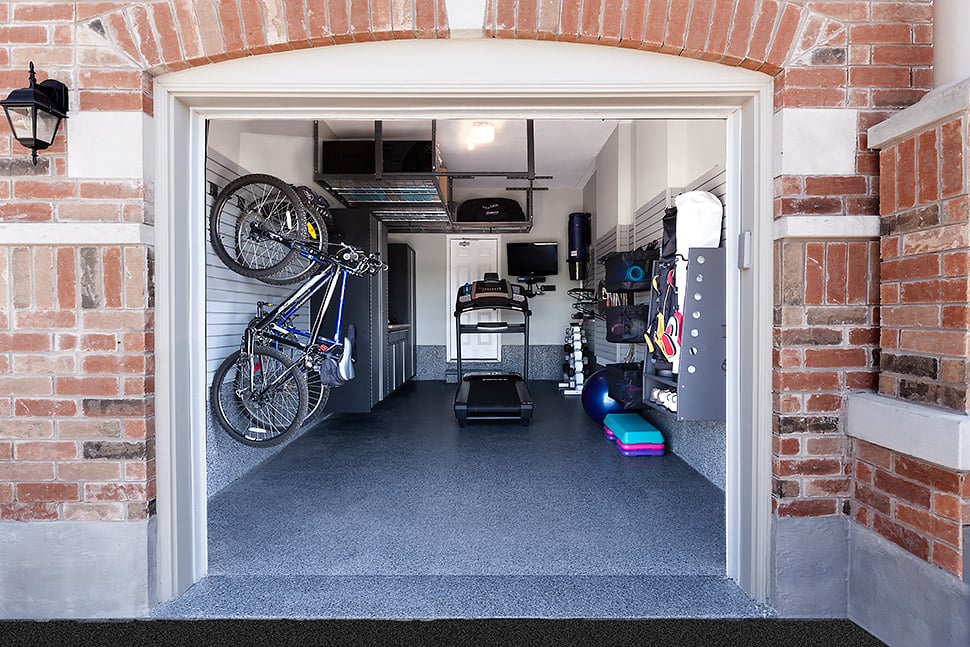
Credit: www.garageliving.com
Planning The Transformation
Transforming your garage into a gym involves careful planning and organization. Start by clearing out unnecessary items to create space. Install rubber flooring for safety and comfort. Choose versatile equipment like dumbbells and resistance bands. Ensure good ventilation and lighting for a pleasant workout environment.
Transforming your garage into a gym is an exciting project that can greatly enhance your fitness journey. It’s not just about moving equipment into the space. It’s about creating a functional and motivating environment tailored to your workout needs. Let’s dive into planning this transformation effectively.Assessing Space And Needs
Start by measuring your garage. Knowing the exact dimensions helps you plan what equipment can fit and how it will be arranged. A treadmill, for instance, might require more space than a set of dumbbells. Think about your fitness goals. Are you into weightlifting or do you prefer cardio exercises? This decision will guide your equipment choices and layout. Remember, the goal is to create a space that motivates you to work out consistently. Consider the current condition of your garage. Is it well-ventilated? Does it need better lighting? These factors play a crucial role in making the space inviting and comfortable for workouts.Setting A Budget
Determine how much you’re willing to spend on this transformation. Your budget will influence the type and quality of equipment you can buy. It’s easy to overspend, so having a clear budget helps you prioritize. Research different equipment options. Sometimes, opting for second-hand equipment can save money without compromising on quality. Check local listings or online marketplaces for deals. Don’t forget about additional costs. Flooring, mirrors, and storage solutions might be necessary to complete your gym. Allocate part of your budget for these essentials to avoid surprises later. Have you ever transformed a space in your home before? If so, you know that planning is key to success. By carefully assessing your space and setting a realistic budget, you set the stage for a gym that you’ll love using every day.Preparing The Garage
Transforming your garage into a gym requires careful planning and organization. Start by clearing out clutter and ensuring adequate space for equipment. Install rubber flooring for safety and add storage solutions for workout gear.
Turning your garage into a gym is a fantastic way to utilize space and bring fitness right into your home. Before you start setting up your workout equipment, it’s crucial to prepare the garage properly. A well-prepared space not only enhances your workout experience but also ensures safety and efficiency. Let’s dive into the essential steps you need to take in preparing your garage for this transformation.Cleaning And Decluttering
Begin by cleaning every nook and cranny of your garage. Dust and dirt can accumulate over time, making the environment less inviting. A thorough sweep and mop can make a huge difference. Think of it as setting a clean slate for your new gym. Next, tackle decluttering. Remove items you no longer need or use. This is a great opportunity to sell, donate, or recycle them. Consider your workout needs. Do you need space for yoga mats or weight benches? Clear out enough room to accommodate these essentials.Ensuring Proper Ventilation
Proper ventilation is key to a comfortable workout environment. Garages can be stuffy and hot, especially in the summer months. Open windows and doors to improve airflow. Consider installing fans or an air conditioning unit for better air circulation. Think about moisture and odors. A well-ventilated space helps prevent mold and keeps the air fresh. Would you enjoy your workouts in a sauna-like atmosphere, or prefer a breezy and cool space? Good ventilation is the answer. As you prepare your garage, keep these steps in mind to create a welcoming and efficient workout area. What’s your vision for your new gym space?Flooring Options
Transform your garage into a gym with the right flooring options. Choose durable materials like rubber or foam mats for comfort and safety. They provide cushioning and noise reduction, perfect for workouts.
Transforming your garage into a gym is an exciting venture that can elevate your fitness routine from the comfort of your home. One crucial aspect you must consider is the flooring. The right flooring not only enhances the aesthetic appeal but also provides safety and comfort while you work out. Let’s dive into some flooring options that are durable and easy to install.Choosing Durable Materials
When choosing flooring for your gym, durability should be a top priority. Rubber flooring is a popular choice because it’s shock-absorbent and resistant to wear and tear. It can withstand heavy equipment and provides good traction, reducing the risk of slips. Foam tiles are another option, especially if you’re looking for something budget-friendly. They’re softer and ideal for exercises like yoga or Pilates. However, they might not hold up well under heavy weights. Consider whether you’ll be dropping weights frequently. In that case, look for thicker rubber tiles or mats to protect both your floor and your equipment. What material suits your workout style best?Installation Tips
Installing gym flooring doesn’t have to be a daunting task. Start by thoroughly cleaning the garage floor to ensure a smooth surface. Dirt or debris can cause uneven installation and wear down your new flooring faster. For rubber tiles, measure your space accurately and cut the tiles to fit perfectly. Use a utility knife for a clean edge. Lay them out in rows, ensuring each tile locks in place before moving to the next. If you’re using roll-out mats, allow them to rest in the garage for a day or two. This helps them adjust to temperature changes and lay flat. Secure them with double-sided tape to prevent movement. Think about adding a protective coating to your flooring for extra durability. Are you ready to take on this DIY challenge?Lighting And Environment
Transforming your garage into a gym requires attention to lighting and environment. Proper lighting elevates your workout experience. It creates an inspiring and safe space. The right environment boosts motivation. It enhances performance. Let’s explore how to achieve this.
Natural Light Solutions
Natural light energizes your workout space. Open the garage door during the day. This allows sunlight to flood in. Use windows to maximize brightness. Install skylights for more natural light. Consider glass doors for enhanced illumination. Natural light reduces reliance on artificial lighting. It provides a mood boost during workouts.
Ambient And Task Lighting
Ambient lighting sets the mood. Choose ceiling lights that offer soft, even illumination. LED lights are energy-efficient. They provide consistent brightness. Task lighting focuses on specific areas. Install adjustable lamps for focused exercises. Use wall-mounted lights for flexibility. Combine both for a balanced atmosphere. Proper lighting minimizes shadows and glare. It ensures visibility and safety.
Equipment Selection
Transforming your garage into a gym requires careful equipment selection. The right gear maximizes space and enhances workouts. Choose equipment that fits your fitness goals and available space. Prioritize quality and versatility to get the most from your home gym.
Essential Gym Gear
Start with the basics. Dumbbells are versatile and easy to store. They help with strength training and are great for beginners. Consider resistance bands too. They offer a full-body workout and are budget-friendly. A sturdy bench is another must-have. It supports various exercises, like bench presses and step-ups. Don’t forget a quality yoga mat for floor exercises and stretching.
Space-saving Equipment
In small garages, space-saving equipment is key. A foldable treadmill can be stored upright when not in use. It provides cardio workouts without occupying much space. Wall-mounted racks help organize weights and accessories. They keep the floor clear and clutter-free. Adjustable dumbbells are also a smart choice. They combine multiple weights into one, saving space and money.
Consider a compact rowing machine. It offers a full-body workout and can be stored vertically. Suspension trainers are another space-efficient option. They use body weight for resistance and can be attached to a door or ceiling.
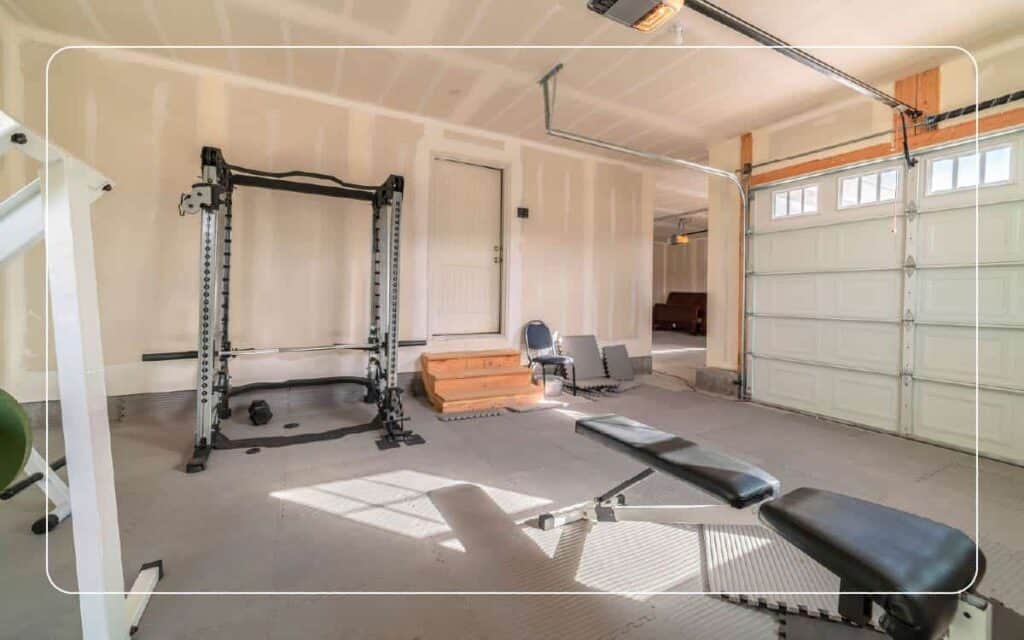
Credit: alansfactoryoutlet.com
Storage Solutions
Transforming your garage into a gym requires smart storage solutions. Proper storage keeps gym equipment organized. It maximizes space, making workouts more enjoyable. Let’s explore ways to store gym accessories efficiently.
Organizing Gym Accessories
Start by categorizing gym accessories. Place weights in bins or racks. Keep yoga mats rolled up in a corner. Use hooks for jump ropes and resistance bands. Label containers to find items easily.
Avoid clutter by storing small items together. Use clear bins to see contents quickly. Arrange items based on workout routines. This saves time and keeps the gym tidy.
Utilizing Vertical Space
Vertical storage frees up floor space. Install shelves on walls to store equipment. Hang bikes and larger items using wall-mounted racks. Use pegboards for smaller accessories.
Add hooks to walls for hanging items. This keeps equipment off the floor. Ensure shelves are strong enough for weights. Proper installation ensures safety.
Vertical storage optimizes space. It allows easy access to gear. Maintaining an organized gym encourages regular workouts.
Safety Measures
Transforming your garage into a gym is an exciting project. Safety should be your top priority. Proper safety measures ensure a safe workout space. This section will cover essential safety guidelines. Follow these steps to keep your gym secure.
Proper Installation
Secure all gym equipment firmly to prevent accidents. Use brackets and mounts for heavy gear like weights and benches. Ensure flooring is non-slip to avoid injuries. Check electrical installations for safety. Proper lighting is crucial to prevent tripping hazards. Regularly inspect equipment for wear and tear.
Emergency Protocols
Prepare for emergencies with a clear plan. Keep a first aid kit accessible. Ensure fire extinguishers are in place and functional. Establish a phone line for emergency calls. Inform family members about safety protocols. Post emergency contact numbers visibly in the gym. Regularly review and update emergency procedures.
Personal Touches
Transforming your garage into a gym is an exciting project. It’s more than just setting up equipment; it’s about creating a personal space. A place that reflects your style and motivates you every day. Adding personal touches makes the space inviting and unique. It can boost your workout mood and help you stick to your fitness goals.
Decorating Ideas
Decorate the walls with your favorite colors or patterns. Bright colors can energize the room, while calm tones can help you focus. Hang inspiring art or posters that make you feel good. Consider adding mirrors. They create an illusion of more space and help you check your form while exercising. Use motivational quotes or decals. They can be a simple yet effective decorative touch.
Motivational Elements
Music can set the right mood for a workout. Install a sound system or use a portable speaker. Create a playlist with songs that pump you up. Good lighting is key. It can change the whole vibe of the gym. Use LED lights to brighten the space and save energy. Add a whiteboard or corkboard. Use it to track progress or pin up achievements. Seeing your goals and achievements can inspire you to keep going.
Maintaining Your Home Gym
Transforming your garage into a personal gym is a fantastic way to stay fit. But maintaining it requires effort. Keeping everything clean and updated ensures your workouts are effective. A well-maintained gym invites you to exercise regularly. Here’s how to keep your home gym in top shape.
Regular Cleaning Routine
Dust settles quickly in a garage. Wipe down equipment often. Sweep floors weekly. Use disinfectant wipes for machines. Clean mats with mild soap and water. This prevents germs and keeps the space fresh.
Updating Equipment
Check equipment regularly for wear and tear. Replace worn-out parts. New gear keeps workouts safe. Invest in versatile equipment. Swap older items for compact versions. This saves space and enhances your gym experience.

Credit: www.garaga.com
Frequently Asked Questions
How Much Does It Cost To Turn A Garage Into A Gym?
Turning a garage into a gym costs between $1,000 and $5,000. Costs vary based on equipment choice, flooring, and insulation. Budget-friendly options include basic weights and mats, while high-end setups with machines and HVAC systems increase expenses. Consider your fitness goals to determine the ideal investment for your personal gym.
Can I Convert My Garage Into A Gym?
Yes, you can convert your garage into a gym. Check local regulations and permits first. Ensure proper ventilation, insulation, and flooring. Invest in essential gym equipment suitable for your space. Consider electrical outlets and lighting for safety and efficiency. Enjoy your new personal workout space!
Can I Start A Gym In My Garage?
Starting a gym in your garage is possible. Check local regulations and ensure safety measures. Invest in essential equipment like weights, mats, and machines. Optimize space for workouts. Consider ventilation and lighting for a comfortable environment. Promote your gym locally and online to attract members.
What Is One Drawback Of Using A Garage As A Home Gym Space?
A drawback of using a garage as a home gym is limited temperature control, making workouts uncomfortable during extreme weather.
Conclusion
Creating a home gym in your garage offers many benefits. It’s convenient and saves time. You control your workout environment. No more crowded gyms. Customizing the space is fun and rewarding. You choose your equipment based on your needs. Budget-friendly options are available.
It’s an investment in your health. You’ll stay motivated to exercise regularly. Consider safety and storage solutions too. Turn that unused space into a fitness haven. Start today and enjoy a healthier lifestyle. Your garage gym awaits!