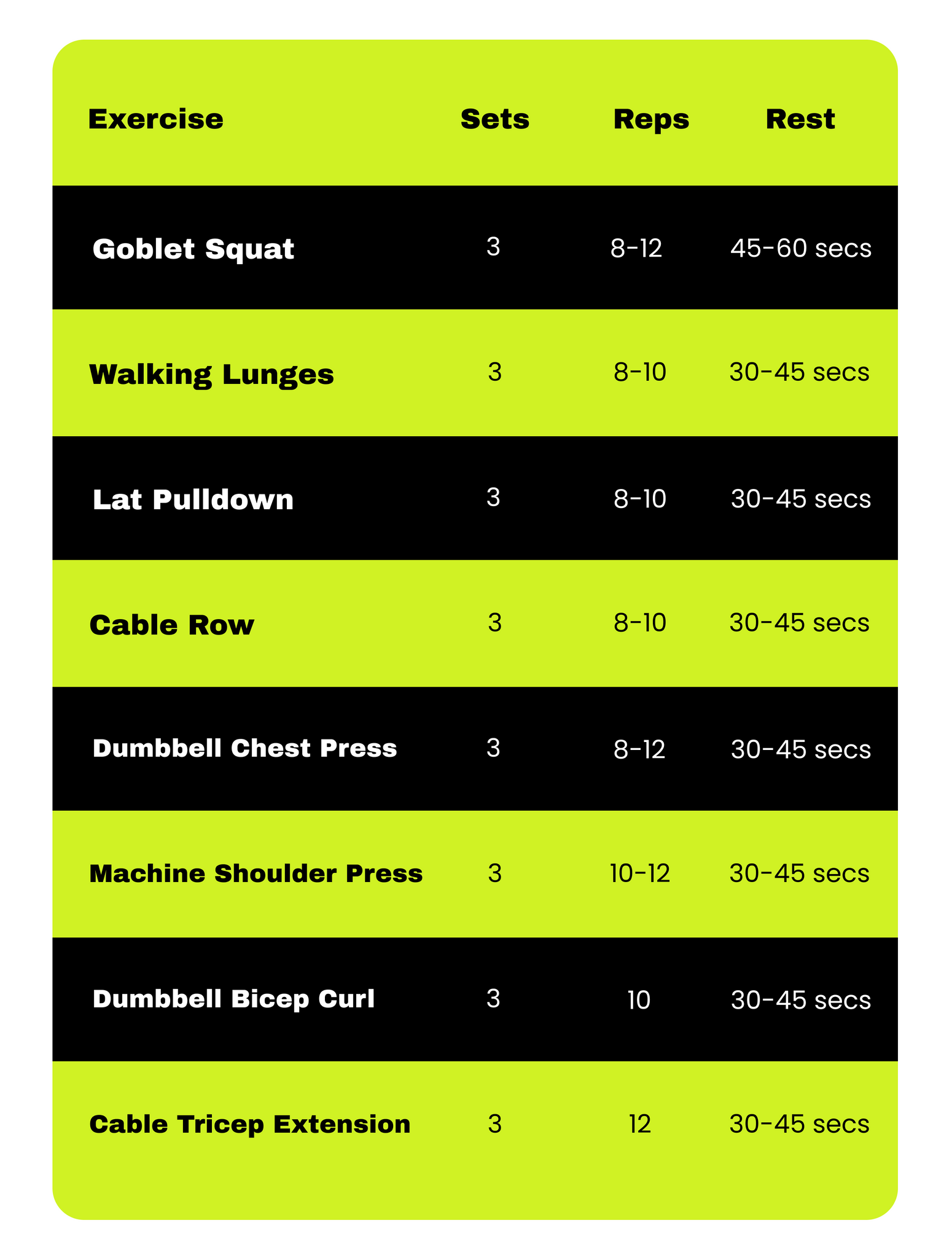
Are you wondering how long you should really spend at the gym to get the best results? You’re not alone.
Whether you’re a fitness newbie or a seasoned gym-goer, finding the right balance between time and effectiveness can be tricky. You might be spending too much time without seeing the results you want, or too little to make a real impact.
The perfect gym session is more than just lifting weights or running on a treadmill. It’s about maximizing your time to reach your fitness goals efficiently. You’ll discover how to tailor your gym sessions to fit your lifestyle and needs, ensuring each minute you spend there is as effective as possible. Stay with us, and learn how to transform your gym time into a powerful tool for success.
Finding Your Fitness Goals
Determining gym time depends on your fitness goals. Beginners might spend 30 minutes focusing on basic exercises. Those aiming for muscle growth could extend sessions to 60 minutes, incorporating strength training. Adjust your schedule based on progress and energy levels.
Finding the right amount of time to spend at the gym can be tricky, especially if you’re not sure what you’re aiming for. Understanding your fitness goals is the first step. Whether you’re looking to lose weight, build muscle, or simply maintain a healthy lifestyle, your objectives will shape your gym routine and time commitment.Defining Your Fitness Ambitions
Begin by identifying what you want to achieve. Are you dreaming of running a marathon, or do you simply want to keep up with your kids at the park? Knowing your destination helps you map out a realistic path. Write down your goals. Seeing them on paper makes them more tangible. Plus, it’s a great way to track progress.Setting Realistic Time Frames
Consider how much time you can reasonably dedicate to the gym. Start small if you’re new to working out. Even 30 minutes a day can make a significant difference. If your schedule is tight, think about what’s feasible. Consistency trumps intensity when it comes to long-term results.Balancing Different Fitness Components
A well-rounded fitness plan includes strength, cardio, and flexibility. Allocate time for each component based on your goals. For instance, if strength is your main focus, dedicate more time to weight training. Don’t neglect other aspects. A balanced approach prevents burnout and keeps workouts exciting.Listening To Your Body
Pay attention to what your body is telling you. Feeling exhausted might mean you need to dial back your routine. On the flip side, if you’re not seeing results, it might be time to up the intensity. Always prioritize rest and recovery. A good night’s sleep and rest days are as crucial as gym hours.Adapting As You Progress
Goals can change over time. Reassess them every few months. Maybe you’re ready to add more gym time or diversify your workouts. Celebrate the small victories. Progress is progress, no matter how minor it seems. How do you see your gym time aligning with your goals? Reflecting on this question can guide you in crafting a workout schedule that truly fits your life and aspirations.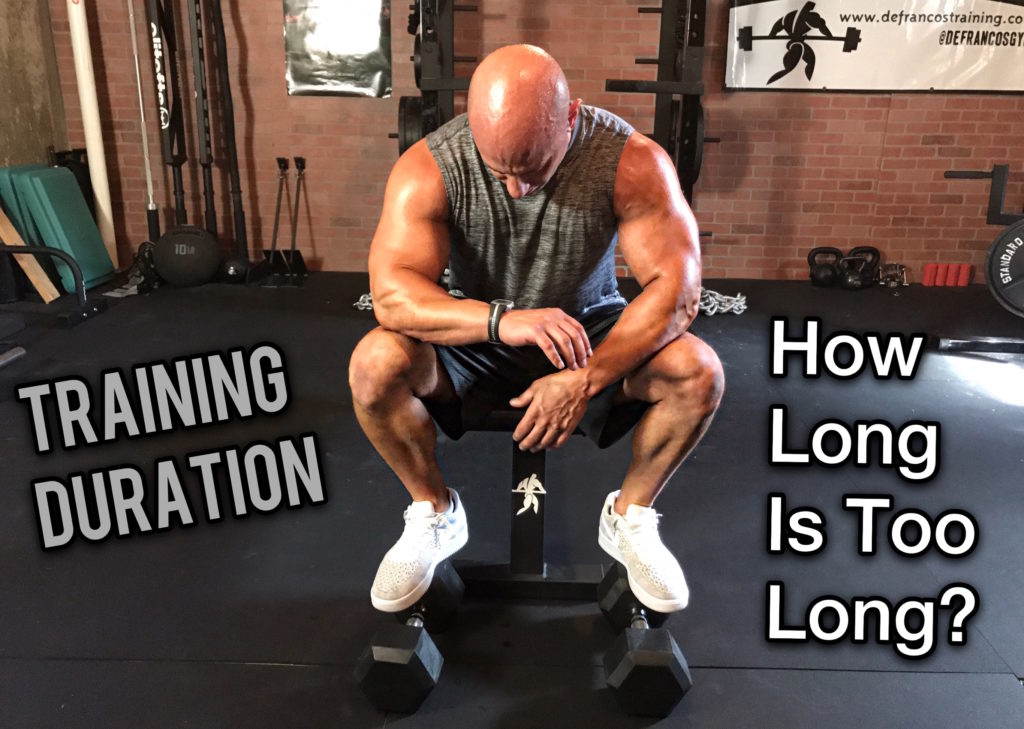
Credit: www.defrancostraining.com
Assessing Your Current Fitness Level
Understanding how long to spend at the gym starts with assessing your current fitness level. This helps tailor workouts to your needs. Everyone’s fitness journey is unique, so it’s crucial to evaluate where you stand.
Understanding Your Baseline
Begin by determining your baseline fitness. This includes evaluating your endurance, strength, and flexibility. Consider any physical activities you do regularly. Are you comfortable jogging or lifting weights? These insights provide a starting point.
Recognizing Physical Limitations
Identify any physical limitations you may have. This might include past injuries or health conditions. These factors can impact your gym routine. Consulting a healthcare professional is wise. They can offer guidance tailored to your specific needs.
Setting Realistic Goals
Once your fitness level is clear, set achievable goals. These should be specific, measurable, and time-bound. If you aim for improvement, make it realistic. Small steps lead to big results over time. Adjust your gym sessions based on these goals.
Tracking Progress
Monitor your progress regularly. This keeps you motivated and focused. Use fitness apps or journals to log your workouts. Note any changes in endurance or strength. Celebrate small victories as you advance.
Types Of Workouts
Different workouts demand varied time commitments. Strength training may need 45 minutes to an hour. Cardio sessions could be shorter, around 30 minutes. Balancing duration ensures effective gym time.
When planning your gym visits, understanding the different types of workouts can help you make the most of your time. Each workout type serves a specific purpose, whether it’s boosting your heart health, building muscle, or improving flexibility. Knowing how to balance these can transform your gym routine from mundane to motivating.Cardio Sessions
Cardio sessions are vital for improving your cardiovascular health and burning calories. You might want to spend 20 to 40 minutes on activities like running, cycling, or rowing. Vary your routine with interval training or steady-state cardio to keep things interesting. Have you ever tried mixing running with walking? It can make a daunting session feel more achievable.Strength Training
Strength training is all about building muscle and increasing strength. Allocate about 30 to 60 minutes for weightlifting or resistance exercises. Focus on different muscle groups on different days to allow recovery and growth. Feeling stuck with your progress? Try adjusting the weight or reps to challenge your muscles.Flexibility And Mobility
Flexibility and mobility workouts help prevent injuries and improve your range of motion. Dedicate 10 to 15 minutes to stretching or yoga exercises, either at the start or end of your workout. Consider how much more relaxed your muscles feel after a good stretch. Do you stretch regularly, or do you skip it? Consistency here can make a big difference. Incorporating these types of workouts into your gym routine can create a balanced fitness plan that meets your personal goals. How much time do you spend on each? Adjust your routine to fit your needs and watch your progress unfold.Ideal Workout Duration
Finding the right workout duration can boost fitness results. Spending too much time can lead to fatigue. Too little might not bring the desired outcomes. Understanding your fitness level is key. Let’s explore the ideal workout duration for different fitness levels.
Beginners
Beginners should aim for 30 to 45 minutes per session. Start with light exercises to build strength. Focus on consistency rather than intensity. Short sessions help prevent injuries. Gradually increase duration as stamina improves. Listen to your body and adjust accordingly.
Intermediate Level
Intermediate athletes can handle 45 to 60 minutes of workout. Include a mix of cardio and strength training. Increase intensity to push limits. Monitor progress and set new goals. Regularly change routines to avoid plateaus. Stay hydrated and rest between sessions.
Advanced Athletes
Advanced athletes often train for 60 to 90 minutes. High-intensity workouts are common. Target specific muscles for better definition. Cross-training can enhance performance. Ensure recovery time to avoid burnout. Nutrition plays a crucial role in sustaining energy. Adapt workouts to meet evolving fitness goals.
Balancing Intensity And Time
Balancing intensity and time is a crucial consideration for anyone looking to maximize their gym sessions. It’s not just about how long you spend working out, but also about how effectively you use that time. Finding the sweet spot between working hard and working smart can lead to better results, more energy, and increased motivation. But how do you achieve this balance? Let’s dive into some practical tips that can help you make the most out of your gym time.
Prioritize Quality Over Quantity
It’s tempting to think that spending hours at the gym will lead to better results. However, focusing on the quality of your workout can be more beneficial. Short, intense sessions can be just as effective as longer ones.
Think about how you can maximize each minute. Consider high-intensity interval training (HIIT) or circuit training as options. These methods keep your heart rate up and burn more calories in a shorter time.
Understand Your Goals
Are you aiming to build muscle, lose weight, or improve endurance? Your goals will dictate how you balance intensity and time. For muscle growth, you might need longer rest periods between sets. For weight loss, shorter and more intense workouts might be ideal.
Knowing your goals will help you tailor your workouts effectively. It ensures you’re not wasting time on exercises that don’t align with your objectives.
Listen To Your Body
Your body is your best guide. It tells you when you’ve pushed too hard or when you need more. Ignoring signs of fatigue can lead to burnout or injury. If you find yourself overly tired, it might be a sign to adjust your workout intensity or duration.
It’s okay to take it easy some days. Consistency is key, but so is ensuring you don’t overdo it. Balance is about knowing when to push and when to rest.
Use Time Wisely
Ever found yourself chatting or scrolling through your phone between sets? These small distractions can eat into your workout time. Set clear goals for each session to stay focused.
Consider using a stopwatch or timer to keep track of rest periods and workout duration. This keeps your session structured and efficient, ensuring you make the most of the time spent at the gym.
Embrace Variety
Doing the same workout repeatedly can lead to a plateau. Mixing things up keeps your body challenged. Try different exercises, vary your routine, and introduce new equipment or techniques.
This not only keeps workouts exciting but also helps in optimizing intensity and time. Your body responds well to variety, encouraging growth and improvement.
Finding the right balance between intensity and time is an ongoing process. Consider what works best for you and make adjustments as needed. What changes can you make today to better balance your workouts?
Importance Of Rest And Recovery
Balancing workout time with rest is crucial for muscle growth and overall health. Spending too long at the gym can lead to fatigue and injuries. Rest days help muscles repair and grow stronger. Remember, quality of exercise matters more than quantity.
Aim for efficient workouts, followed by adequate recovery.
Rest and recovery are vital components of any fitness regimen. You might think spending more hours at the gym equals better results, but without proper rest, your body cannot repair and grow stronger. Balancing workout intensity with adequate rest ensures you maximize gains while minimizing injury risks.Understanding The Role Of Rest Days
Rest days are not just breaks; they are crucial for muscle recovery. During workouts, muscles experience tiny tears. Rest days allow these tears to heal, making your muscles stronger. Skipping rest can lead to fatigue, decreased performance, and even burnout.Signs You Need More Recovery Time
Listening to your body is key. Persistent soreness, irritability, or trouble sleeping might indicate insufficient recovery. Have you noticed declining performance despite consistent workouts? It could be a sign you’re overtraining and need more downtime.The Science Behind Sleep And Muscle Growth
Quality sleep significantly contributes to muscle recovery. Growth hormone, which aids muscle repair, is released during deep sleep. Are you getting enough rest each night? Aim for 7-9 hours to support optimal muscle recovery and growth.Balancing Workout Intensity And Rest
Finding the right balance between intensity and rest is essential. High-intensity workouts might require more recovery time than moderate ones. Consider alternating intense days with lighter activities like yoga or walking to maintain balance.Personal Experience: Learning The Hard Way
I once pushed through weeks of intense workouts without adequate rest, thinking I was invincible. Eventually, my body rebelled with persistent fatigue and a nagging injury. It taught me to value rest as much as workouts, leading to better results.Practical Tips For Effective Recovery
Incorporate active recovery days with activities like stretching or swimming. Stay hydrated and nourish your body with a balanced diet. Are you tracking your rest and recovery as diligently as your workouts? Consider keeping a journal to monitor progress and recovery needs. Recognizing the importance of rest and recovery is crucial for long-term success in your fitness journey. Prioritize rest, and you’ll likely find a more sustainable and rewarding gym experience.Incorporating Variety In Your Routine
Incorporating variety in your workout routine boosts fitness. It keeps gym sessions interesting and effective. Mixing different exercises helps target various muscle groups. This approach prevents boredom and plateaus. You can enjoy working out and achieve better results.
Cardio And Strength Training
Balance cardio and strength exercises. Cardio improves heart health. It burns calories efficiently. Strength training builds muscle. It enhances metabolism. Combining both offers complete body benefits. Each session should include a mix.
Flexibility Exercises
Include flexibility workouts in your routine. Stretching reduces injury risk. It improves posture and movement. Yoga or Pilates are great options. Flexibility exercises enhance recovery. They prepare muscles for more challenging workouts.
High-intensity Interval Training (hiit)
Try HIIT for a quick and effective workout. Short bursts of intense exercise followed by rest. HIIT increases endurance and burns fat. It requires less time at the gym. This method keeps your routine dynamic and challenging.
Functional Movements
Add functional exercises to mimic daily activities. Squats, lunges, and lifts enhance coordination and balance. They improve strength and flexibility. Functional movements are practical and beneficial. They prepare you for real-world tasks.
Rest And Recovery
Don’t forget to rest. Recovery is crucial for muscle growth. It prevents burnout and injury. Schedule rest days in your routine. Adequate sleep and hydration aid recovery. Listening to your body is essential.

Credit: builtforathletes.com
Tips For Staying Motivated
Staying motivated at the gym can be a challenge. Many start with enthusiasm but lose steam. It’s important to keep motivation high to reach fitness goals. Here are some tips to maintain that drive. Follow these strategies to make gym time enjoyable and effective.
Set Clear And Achievable Goals
Define specific fitness goals to work towards. Clear goals provide direction and purpose. Start with small, achievable targets. Gradually increase difficulty as you progress. This helps maintain interest and commitment.
Track Your Progress
Record your workouts and achievements. Use a notebook or app to log activities. Seeing progress can boost motivation. It shows how far you’ve come and keeps you focused.
Create A Reward System
Celebrate milestones with small rewards. Treat yourself after reaching a goal. This positive reinforcement encourages consistency. Choose rewards that support your fitness journey.
Find A Workout Buddy
Partner with a friend to exercise together. A workout buddy can hold you accountable. They provide support and make workouts more fun. Enjoy friendly competition and share achievements.
Mix Up Your Routine
Vary your workouts to prevent boredom. Try new exercises or fitness classes. Changing routines keeps things interesting. It also challenges different muscle groups.
Listen To Music Or Podcasts
Music can energize and motivate during workouts. Create playlists with your favorite songs. Podcasts offer entertainment and distraction. They make time pass quickly while exercising.
Visualize Success
Imagine yourself reaching your fitness goals. Visualization helps build confidence and motivation. Picture the benefits of your hard work. This mental practice keeps you focused and driven.
Monitoring Progress And Adjusting
Monitoring progress at the gym ensures you stay on track with your goals. It helps in identifying what’s working and what isn’t. Adjusting your routine based on progress is key to achieving your fitness objectives. Regular check-ins can make your gym time more effective. Let’s explore how to monitor your progress and make necessary adjustments.
Track Your Workouts
Keep a workout journal. Write down exercises, sets, and reps. Use a fitness app for detailed tracking. Compare your current performance with past records. Notice patterns and improvement areas.
Assess Physical Changes
Take body measurements regularly. Check your weight but don’t rely on it alone. Consider muscle tone and strength gains. Look for changes in endurance and flexibility. Physical changes can be subtle but significant.
Listen To Your Body
Pay attention to how your body feels during workouts. Notice signs of fatigue or pain. Rest if you need to. Overtraining can lead to injuries. Balance intensity with recovery.
Set Realistic Goals
Adjust your goals based on progress. Short-term goals can boost motivation. Long-term goals provide direction. Ensure goals are achievable and challenging. Celebrate small victories along the way.
Seek Professional Guidance
Consult a fitness trainer for personalized advice. Trainers can offer expert insights. They help in refining your gym routine. Consider their input for maximum benefits.
Evaluate And Adapt
Regularly assess your gym routine’s effectiveness. Be open to making changes. Adapt workouts to suit your current fitness level. Keep your routine fresh and engaging. Avoid monotony for better results.
Credit: www.alltimefitness.ca
Frequently Asked Questions
Is 2 Hours At The Gym Enough?
Two hours at the gym can be sufficient for most fitness goals. Focus on varied exercises and proper form. Listen to your body and adjust as needed. Balance workouts with rest and nutrition for optimal results. Consistency is key to achieving fitness objectives effectively.
What Is The 70/30 Rule Gym?
The 70/30 rule in the gym emphasizes that fitness results depend 70% on diet and 30% on exercise. Prioritizing nutrition alongside workouts maximizes effectiveness and helps achieve fitness goals more efficiently. Focus on balanced meals and consistent exercise for optimal health benefits.
How Long Should I Spend A Day In The Gym?
Spend 30 to 60 minutes daily in the gym. Focus on quality workouts, not just time. Listen to your body and adjust intensity. Beginners may start with shorter sessions. Balance with rest days for recovery. Consistency is key for achieving fitness goals.
What Is The 3-3-3 Rule In The Gym?
The 3-3-3 rule involves performing three sets of three different exercises for three minutes each. This technique targets multiple muscle groups, enhancing strength, endurance, and flexibility. It’s ideal for efficient workouts, maximizing benefits within a short period, and keeping the routine dynamic and engaging.
Conclusion
Finding the right gym time is crucial. Balance is key. Listen to your body. Start with manageable sessions. Gradually increase duration. Focus on quality, not just quantity. Ensure workouts fit into your lifestyle. Consistency matters more than time spent. Short, effective workouts can yield great results.
Customize your plan to match goals. Remember, every minute counts. Prioritize safe practices and proper form. Keep it enjoyable. Feel good about progress. Celebrate small victories. Adjust as needed. Stay motivated and patient. Enjoy the journey to fitness. A healthier you is the ultimate reward.