Are you stepping into the world of weightlifting or simply curious about gym equipment? Knowing how much a gym bar weighs is essential for both beginners and seasoned lifters.
Imagine the confidence boost when you walk into the gym and understand exactly what you’re lifting. It’s empowering, isn’t it? This knowledge not only helps you track your progress but also ensures your safety. You’re about to uncover the secrets of gym bar weights, and it’s simpler than you might think.
Let’s dive in, so you can feel more in control of your fitness journey and make informed decisions that benefit your health and strength.
Types Of Gym Bars
Understanding the different types of gym bars is crucial for fitness enthusiasts. Each bar serves a unique purpose and offers distinct benefits. Knowing the weight and design differences can enhance your workout experience. Explore the various options to find the perfect fit for your routine.
Standard Barbells
Standard barbells are the most common gym bars. They typically weigh around 20 pounds. These bars are ideal for beginners and general strength training. Their simple design makes them versatile for various exercises.
Olympic Barbells
Olympic barbells are heavier, weighing 45 pounds. Used in competitive lifting, they offer durability and precision. Their sleeves rotate, reducing wrist strain during lifts. Designed for serious lifters aiming to improve their technique.
Ez Curl Bars
EZ curl bars focus on bicep and tricep exercises. Weighing about 20 pounds, they have a unique shape. The angled grip reduces stress on the wrists. Perfect for those targeting arm muscles.
Trap Bars
Trap bars, also known as hex bars, weigh roughly 45 pounds. They are used for deadlifts and squats. The design allows for a neutral grip, protecting the back. Ideal for lifters wanting to minimize injury risk.
Safety Squat Bars
Safety squat bars weigh approximately 60 pounds. They are designed for squats with added shoulder support. The padded neck and shoulder rests enhance comfort. Suitable for lifters focusing on lower body workouts.

Credit: www.facebook.com
Standard Barbell Weights
Understanding standard barbell weights is crucial for fitness enthusiasts. Knowing the right weight can improve your workout routine. It ensures you lift safely and effectively. Standard barbells come in various types. Each type serves a different purpose. Knowing their weights helps tailor your gym experience.
Men’s Barbell
Men’s barbells are typically heavier. They weigh around 20 kilograms or 44 pounds. This weight is standard in most gyms. It suits a range of exercises. These barbells are designed for strength training. They offer durability and stability.
Women’s Barbell
Women’s barbells are slightly lighter. They weigh about 15 kilograms or 33 pounds. This weight is ideal for many workouts. It provides a balance between challenge and comfort. Women’s barbells have a thinner grip. It makes handling easier.
Youth Barbell
Youth barbells are the lightest. They weigh around 10 kilograms or 22 pounds. These are perfect for young athletes. The lighter weight encourages proper form. It helps build strength gradually. Youth barbells promote safe lifting practices.
Olympic Barbell Specifications
The Olympic barbell is a staple in weightlifting and powerlifting. It is essential for anyone serious about strength training. Understanding its specifications can enhance your workout experience. Knowing the weight, dimensions, and other details ensures proper use and safety.
Weight And Dimensions
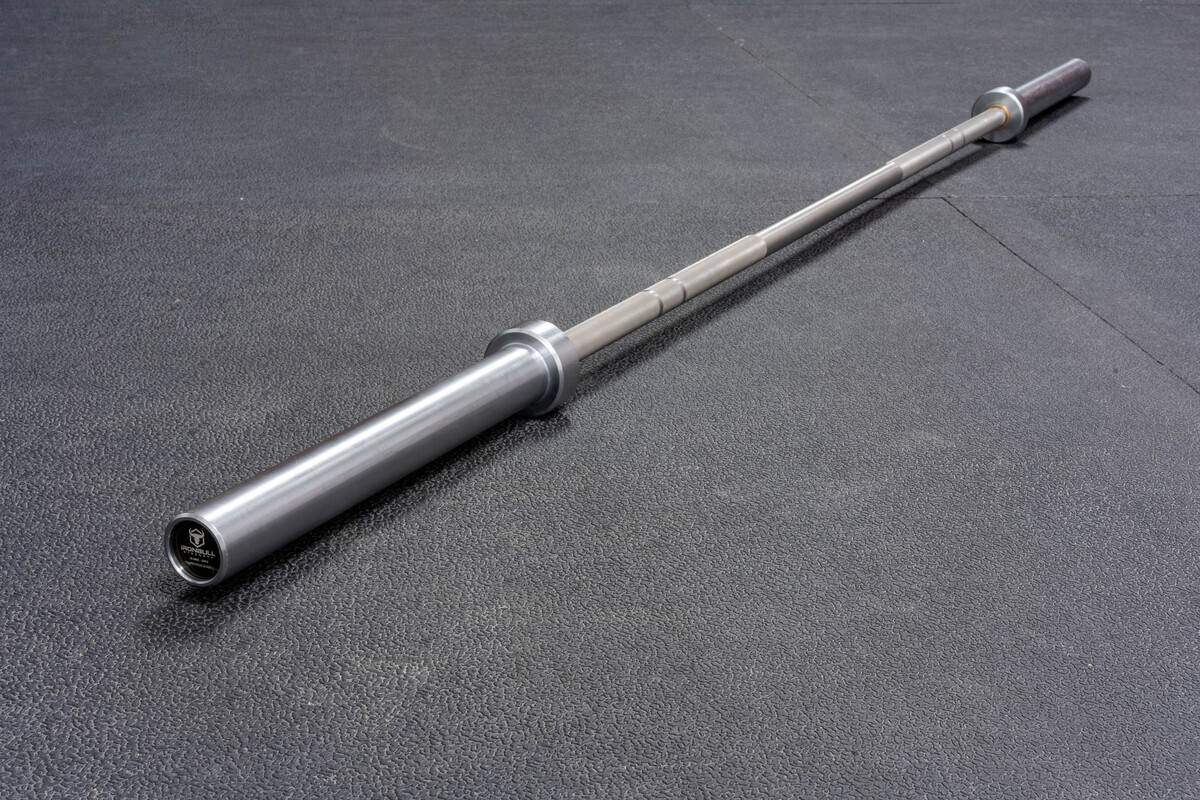
An Olympic barbell typically weighs 20 kilograms or 44 pounds. This standard weight is used in competitions worldwide. The length is usually about 7 feet. The diameter of the grip section is around 28 millimeters. These dimensions suit various exercises and lifts, offering versatility.
Material Composition
The barbell is crafted from high-quality steel. Steel provides durability and strength. A chrome or zinc coating prevents rust and wear. The knurling on the bar ensures a secure grip. Quality material ensures longevity, even with frequent use.
Load Capacity
Olympic barbells can handle substantial weight. They often support up to 1000 pounds. This capacity suits advanced weightlifters. It accommodates heavy lifting safely. The sleeves are designed to hold multiple weight plates. Their strength and construction are crucial for safe lifting.
Credit: ironbullstrength.com
Specialty Bar Weights
Specialty bars add variety to workouts. They target specific muscles and enhance training techniques. These bars differ from standard bars in design and weight. Understanding their weight is crucial for effective training.
Ez Curl Bar Weight
The EZ Curl Bar is popular for arm exercises. Its unique zig-zag shape reduces stress on wrists. Typically, it weighs between 18 to 25 pounds. This makes it lighter than standard bars. Perfect for focused bicep and tricep workouts.
Trap Bar Weight
The Trap Bar is hexagonal in shape. Ideal for deadlifts and shrugs. It balances weight evenly around the body. Its weight ranges from 45 to 65 pounds. This design reduces strain on the lower back. Helps achieve better posture.
Safety Squat Bar Weight
The Safety Squat Bar is padded and has handles. Designed for squats with shoulder support. This bar weighs around 60 to 70 pounds. Helps maintain stability during squats. Provides comfort for the neck and shoulders.
Factors Affecting Bar Weight
Gym bar weight varies due to factors like material, length, and type. Olympic bars usually weigh 20 kilograms. Lighter bars, like those for beginners, are often 15 kilograms or less. Understanding these differences helps in choosing the right bar for your workout needs.
When you walk into a gym, you might notice that the weight of gym bars varies. Understanding the factors affecting bar weight can help you choose the right equipment for your workout. Have you ever wondered why some bars feel heavier than others? It’s not just the weights you add; the bar itself plays a significant role. This section will explore the elements that contribute to the weight of a gym bar.Material Used
The material of a gym bar is a primary factor affecting its weight. Most bars are made from steel, but the quality and type of steel can vary. Higher quality steel often results in a heavier bar. You might find some bars made from aluminum, which are lighter and often used for beginners. Consider the material carefully, as it not only impacts the weight but also the durability of the bar.Bar Length
Bar length is another crucial factor. Longer bars typically weigh more due to the increased amount of material. Think about the standard Olympic bar, which is 7 feet long and weighs around 45 pounds. Shorter bars, like those used in home gyms, are often lighter. If you’re aiming for more stability and weight, a longer bar might be the way to go.Knurling And Finish
Knurling refers to the grip pattern etched into the bar. It might seem minor, but it affects the bar’s weight. A bar with extensive knurling might have slightly more weight due to the additional material. The finish of the bar, such as chrome or black oxide, can also add a bit to the weight. Does the grip pattern on your bar make a difference in your lifting comfort? It’s something worth pondering as you choose your equipment. Understanding these factors can empower you to make informed decisions in your fitness journey. Next time you pick up a gym bar, remember it’s not just about the plates you’re stacking. The bar itself holds secrets that can enhance or challenge your workout.Choosing The Right Bar For Your Workout
Choosing the right gym bar for your workout can make a world of difference in achieving your fitness goals. The weight of a gym bar is crucial, but so are other factors such as comfort, grip, and budget. It’s not just about lifting heavy; it’s about lifting smart. So, how do you choose the right bar that aligns with your workout needs? Let’s break it down.
Fitness Goals
Think about what you want to achieve. Are you looking to build muscle, increase endurance, or improve flexibility? Each goal may require different types of bars.
If you’re aiming for strength training, opt for a bar that can handle heavier weights. A standard Olympic bar, weighing around 45 pounds, is a great choice.
For those focused on endurance or lighter workouts, consider lighter bars like the women’s Olympic bar, weighing approximately 35 pounds.
Comfort And Grip
Comfort and grip are often overlooked but are vital in choosing the right gym bar. A bar with a good grip can prevent slips and injuries.
Check if the bar is knurled. This texture provides better grip. Think of it like holding onto a tree branch that’s easier to grasp because of the rough bark.
Test different bars at your gym. Feel the difference in grip and comfort. A comfortable grip can make your workout more enjoyable and effective.
Budget Considerations
Not all bars are created equal, and neither are their prices. Your budget will play a significant role in your choice.
High-quality bars can be expensive but are worth the investment if you’re serious about weightlifting.
If you’re just starting out, consider more affordable options. You might find great deals on second-hand bars or during sales events.
So, what’s your take? Have you ever felt the difference a good bar can make in your workout? Next time you’re choosing a bar, remember it’s not just about weight—it’s about finding the one that fits you perfectly.
Maintenance And Care For Gym Bars
Gym bars typically weigh between 15 to 45 pounds. Proper maintenance extends their lifespan. Regular cleaning removes sweat and dust. Inspect for rust or damage to ensure safety.
Maintaining and caring for gym bars is crucial to ensure their longevity and functionality. Whether you’re a seasoned gym-goer or just starting out, understanding how to properly maintain your gym equipment will save you money and enhance your workout experience. It’s not just about cleaning; it’s about preserving the integrity of your gear. Neglecting care can lead to unexpected costs, so let’s dive into effective maintenance strategies.Cleaning Routine
Regular cleaning is essential for gym bars. Sweat and chalk can accumulate quickly, causing corrosion. Use a soft cloth to wipe down your bars after each use. A mild detergent mixed with warm water works well for deeper cleans. This prevents rust and keeps your bars looking new. Make it a habit to clean your bars weekly, especially if you use them frequently. This small routine can significantly extend their lifespan.Storage Tips
Proper storage is key to maintaining the quality of your gym bars. Keep them in a dry, cool place to prevent moisture buildup. Moisture is a silent enemy that can cause rust over time. Consider using wall racks or bar holders to keep them off the ground. This not only saves space but also avoids potential damage from accidental knocks. If you’ve ever found a forgotten bar tucked away in a corner, you know the disappointment of discovering rust spots. Avoid this by ensuring your bars are stored correctly.Inspecting For Damage
Routine inspections are vital. Check your gym bars for any signs of wear and tear. Look for bends, cracks, or rust spots. These can compromise safety and performance. Make it a monthly routine to examine your equipment closely. If you spot damage, address it immediately. Sometimes, a little maintenance can prevent a costly replacement. Have you ever started a workout only to realize your bar isn’t safe to use? Regular inspections can help you avoid these frustrating interruptions. Are you taking proactive steps to care for your gym bars? Your effort today will pay off tomorrow.
Credit: www.reddit.com
Frequently Asked Questions
Are All Gym Bars 45 Pounds?
Not all gym bars weigh 45 pounds. Standard Olympic bars are 45 pounds, but other types vary in weight. Curl bars, women’s bars, and specialty bars can weigh less or more. Always check the bar’s weight before use to ensure proper lifting technique and safety.
How Much Does A Gym Bar Weigh?
A standard Olympic gym bar weighs 20 kilograms or 44 pounds. Curl bars typically weigh between 11-18 pounds. Dumbbell bars vary, usually weighing 2-5 pounds. Always check specific bar weight before use to ensure accurate resistance training.
Is The Bar At Planet Fitness 45 Pounds?
Yes, the standard barbell at Planet Fitness weighs 45 pounds. Some locations may have lighter bars, like the Smith machine bar, which can weigh 15 to 20 pounds. Always check the weight of the specific bar you’re using.
How Heavy Is A Fitness Bar?
Fitness bars typically weigh between 15 to 45 pounds. Standard Olympic bars are around 45 pounds. Smaller fitness bars can weigh less, such as 15 or 20 pounds. Always check the bar’s specifications for exact weight. Choose a weight that matches your workout needs and strength level.
Conclusion
Understanding gym bar weights is crucial for effective workouts. Knowing the weight helps you track progress. It aids in setting realistic goals. Different bars have varying weights. Standard bars typically weigh 45 pounds. Lighter bars are available for beginners. Always check the bar’s weight before lifting.
This ensures safety and accuracy. Knowledge about bar weight enhances your gym experience. It makes workouts more efficient. Stay informed and lift wisely. Your fitness journey will benefit greatly. Keep exploring and learning. Happy lifting!