Are you wondering when you or your child can start hitting the gym? Maybe you’ve seen young athletes on social media and are curious about the right age to begin.
Understanding when to start gym workouts is crucial for ensuring safety and maximizing benefits. You’re about to discover the ideal age to start, along with expert insights on how to make the most of your gym experience. By the end of this article, you’ll have a clear picture of how to safely begin a fitness journey, tailored to your age and goals.
Let’s dive in and explore how you can start building a healthy and strong foundation today!
Benefits Of Early Gym Exposure
Early exposure to the gym offers numerous advantages for young people. It lays a foundation for lifelong fitness and wellness. As children start their gym journey, they experience both physical and mental benefits. Developing a routine at a young age helps in cultivating healthy habits. Let’s explore these benefits in detail.
Building Healthy Habits
Going to the gym early helps children form positive habits. Regular exercise becomes part of their daily routine. Kids learn discipline and the importance of consistency. These habits often stick with them into adulthood. It encourages a proactive approach to health and fitness. Starting young makes it easier to maintain these habits later.
Improving Physical Health
Physical health improves significantly with early gym exposure. It enhances strength and flexibility. Children develop better coordination and balance. Regular exercise boosts cardiovascular health. It helps maintain a healthy weight. Active kids are less likely to develop chronic diseases. Their immune systems get stronger, offering better protection.
Boosting Mental Wellbeing
Exercise positively affects mental wellbeing. It reduces stress and anxiety levels. Children feel more relaxed and focused. Physical activity stimulates the production of endorphins. This elevates mood and promotes happiness. Gym routines instill confidence and a sense of achievement. Engaging in group activities fosters social skills and teamwork.

Credit: raisetbar.com
Age Recommendations For Gym Activities
Age recommendations for gym activities help ensure safety and effectiveness. Different age groups have unique needs and abilities. Understanding these can maximize benefits and minimize risks.
Children And Pre-teens
Children can start gym activities at a young age. Focus should be on fun and development rather than competition. Activities like swimming, dancing, and basic gymnastics are ideal. They improve coordination and motor skills. Supervision is crucial for safety.
Teenagers
Teenagers often seek muscle growth and fitness. They can safely use gym equipment with proper guidance. Strength training is beneficial for bone health and muscle development. Ensure they follow a structured program to avoid injury. Balance workouts with enough rest and nutrition.
Young Adults
Young adults have fully developed bodies. They can engage in intense workouts and weightlifting. Setting goals can enhance motivation and performance. It’s vital to maintain a balanced routine. Include cardiovascular, strength, and flexibility exercises. Monitor progress regularly to achieve desired results.
Safety Considerations
Starting gym workouts at a young age can be safe with proper guidance. Kids around 13 can begin with light exercises. Supervision ensures they learn correct techniques, minimizing injury risks.
When considering the appropriate age for children and teenagers to start going to the gym, safety should be a top priority. Young bodies are still developing, and improper gym practices can lead to injuries. Understanding safety considerations helps ensure that their gym experience is both positive and beneficial.Supervised Training
Having a qualified trainer or an experienced adult supervise young gym-goers is crucial. Supervision ensures exercises are done correctly and safely. It also provides guidance and encouragement, making workouts more enjoyable and effective.Proper Technique
Learning the correct technique from the start can prevent injuries and build a strong foundation for future training. Improper form can lead to muscle strains or more serious injuries. Encourage young athletes to focus on mastering technique rather than lifting heavier weights.Equipment Usage
Gym equipment can be intimidating and even dangerous if not used correctly. It’s essential for young gym-goers to receive proper instruction on how to use each machine. Misuse of equipment can result in injuries, but understanding its purpose and correct usage can enhance workout efficiency. Safety in the gym starts with education and awareness. What steps are you taking to ensure a safe and effective workout environment for younger individuals?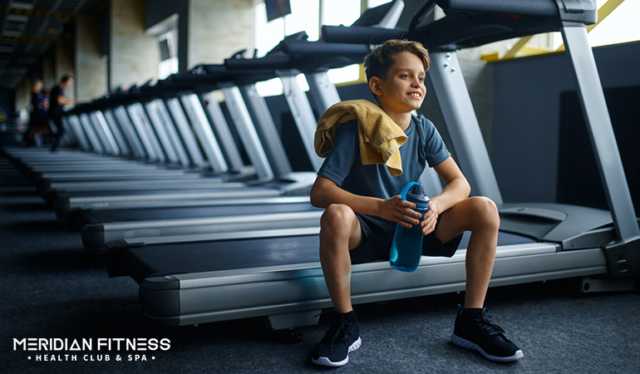
Credit: www.meridian-fitness.co.uk
Customizing Workout Plans By Age
Age plays a key role in gym readiness. Kids can start with light exercises around 7-8 years old. Teenagers benefit from structured workouts to enhance growth and health. Tailoring plans ensures safe and effective fitness journeys for all ages.
Customizing Workout Plans by Age Creating a workout plan tailored to your age can make a huge difference in your fitness journey. Whether you’re a teenager stepping into the gym for the first time or a senior seeking to maintain mobility, each age group has unique needs and strengths. By customizing your routine, you can maximize benefits and minimize risks.Strength Training
Strength training isn’t just for bodybuilders. Young adults can focus on building a solid foundation with bodyweight exercises like push-ups and squats. As you age, incorporating weights can help maintain muscle mass, which naturally declines over time. It’s crucial to listen to your body. When I started lifting weights in my 30s, I realized I couldn’t recover as quickly as I did in my 20s. Adjusting the intensity helped me avoid injuries and keep progressing.Cardio Exercises
Cardio is essential for heart health and endurance. Teens and young adults often benefit from high-intensity workouts like running or cycling, which can also boost metabolism. As you grow older, low-impact exercises such as swimming or brisk walking may be more suitable to protect your joints. Find an activity you enjoy. If you dread running, try dancing or hiking. The key is to keep moving while having fun.Flexibility Routines
Flexibility is often overlooked but vital for overall fitness. Younger individuals can enhance flexibility through dynamic stretching before workouts. As you age, incorporating yoga or Pilates can improve balance and prevent stiffness. I remember my father, who, in his 60s, started a morning stretching routine. He often says it’s the reason he feels more energetic and less prone to injury now than in his 50s. Are you giving enough attention to flexibility in your workout plan? It’s never too late to start incorporating it into your routine. Tailor your exercises to fit your age, and you’ll likely find yourself enjoying the gym more than ever.Role Of Fitness Professionals
Fitness professionals play a crucial role in gym safety. Their guidance ensures that young gym-goers start correctly. They offer tailored advice based on age and fitness level. This helps in building a solid foundation for lifelong fitness.
Guidance For Beginners
Beginners often feel overwhelmed at the gym. A fitness professional can simplify the process. They teach proper exercise techniques. This prevents common mistakes and boosts confidence. Clear instructions help beginners stay focused and motivated.
Monitoring Progress
Tracking progress is vital for all gym users. Fitness professionals help set realistic goals. They monitor improvements and suggest adjustments. This ensures that workouts remain effective. Regular feedback keeps motivation high and achievements within reach.
Preventing Injuries
Injuries can discourage young gym enthusiasts. Fitness professionals emphasize the importance of warm-ups. They teach safe lifting techniques to avoid strains. Correct form is constantly reinforced. This attention to detail reduces the risk of injuries.
Parental Involvement And Encouragement
Parental involvement is key when kids start going to the gym. Parents can guide their children and encourage healthy habits. Supporting fitness goals, creating positive environments, and balancing academics with fitness are crucial. These aspects help children enjoy and benefit from gym experiences.
Supporting Fitness Goals
Children need support to achieve their fitness goals. Parents can set realistic goals and celebrate achievements. This motivates kids to keep going. Encouragement boosts confidence and fosters a love for exercise. Parents can join workouts to show commitment.
Creating A Positive Environment
A positive environment makes gym visits enjoyable. Parents should create a welcoming and stress-free atmosphere. This includes choosing gyms that cater to young people. Ensuring gym staff are friendly and supportive is important. A positive environment promotes regular gym attendance.
Balancing Academics And Fitness
Balancing school and gym time is vital for children. Parents should help manage schedules to avoid conflicts. Prioritizing academics while encouraging gym visits is essential. Parents can set specific times for study and exercise. This balance helps maintain focus on both fitness and education.

Credit: www.tiktok.com
Frequently Asked Questions
Can A 12 Year Old Be In A Gym?
Yes, a 12-year-old can go to the gym with parental supervision. Many gyms offer youth memberships and fitness classes. Always check the gym’s age policies and prioritize safety. Encourage proper guidance from trainers to ensure a healthy workout experience for the child.
Can My 13 Year Old Go To The Gym?
Yes, a 13-year-old can go to the gym, but parental supervision is often required. Check the gym’s age policy. Many gyms offer teen-friendly programs and equipment. It’s important to focus on proper techniques and avoid heavy lifting. Consult a fitness professional to ensure safe exercises for their age group.
Can I Bring My 14-year-old To The Gym?
Check your gym’s age policy. Many gyms allow teenagers aged 14 with parental consent. Supervision might be required. Always confirm with the gym directly.
Can A 12 Year Old Go To The Gym By Himself?
Most gyms require supervision for those under 16. Check specific gym policies for age restrictions and safety guidelines.
Conclusion
Starting gym early builds lifelong healthy habits. Kids as young as seven can start light activities. Teens benefit from strength and endurance training. Adults can join any age, focusing on fitness goals. Always prioritize safety and consult experts. A trainer can guide on proper techniques.
Listen to your body to avoid injuries. Enjoy the journey towards a healthier lifestyle. Regular exercise boosts mental and physical well-being. It’s never too late to begin. Embrace the gym at any age. Remember, fitness is a personal journey. Stay motivated and consistent for best results.