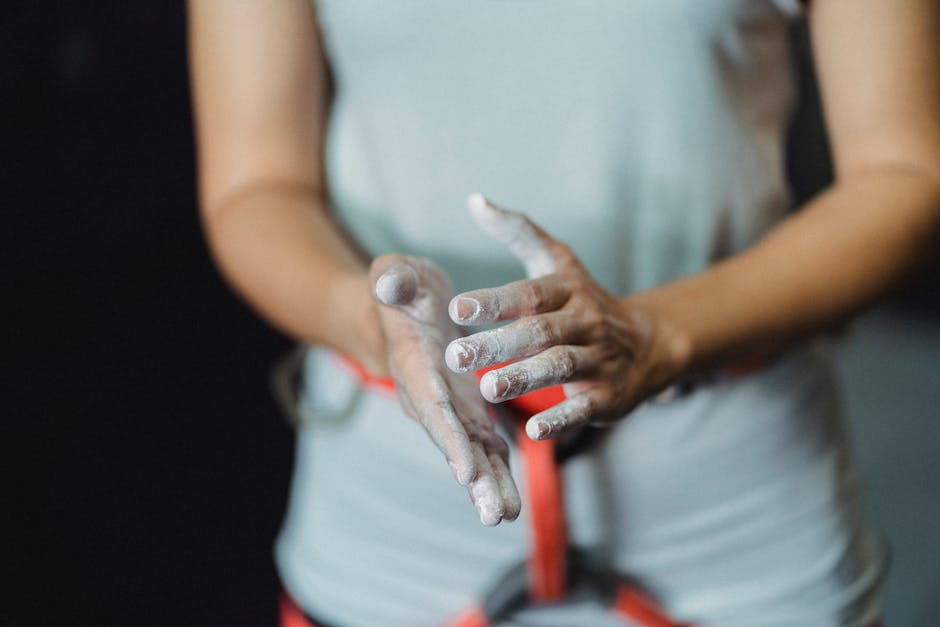
Have you ever wondered about that white powdery substance you see in gyms, used by weightlifters, climbers, and gymnasts alike? That’s gym chalk.
But what exactly is it, and why is it so crucial for your performance? Imagine you’re about to lift heavy weights or tackle a challenging climbing route, and your hands start to sweat. That slick feeling can be not only irritating but also dangerous, as it affects your grip.
Gym chalk is your secret weapon, enhancing your grip and boosting your confidence. By understanding what gym chalk is and how it works, you can elevate your performance and safety in your workouts. Curious to learn more about how this simple tool can make a significant difference in your fitness journey? Keep reading to discover the science behind gym chalk and how it can become an essential part of your exercise routine.

Credit: www.bullrockfitness.com
Gym Chalk Basics
Gym chalk is often overlooked, yet it’s a staple in many athletes’ gear bags. Whether you’re a seasoned lifter or a newcomer to the gym, understanding gym chalk basics can significantly enhance your workout experience. Let’s dive into what gym chalk is made of, the types available, and how it can boost your performance.
Composition And Types
Gym chalk is typically composed of magnesium carbonate. It’s not the same as the chalk you might use on a blackboard. Magnesium carbonate is dry and powdery, perfect for absorbing sweat and improving grip.
There are different types of gym chalk. Loose chalk comes in a powder form, allowing you to apply as much or as little as you need. Chalk blocks are compact and can be broken into smaller pieces. Liquid chalk is a blend of chalk powder and alcohol that dries quickly on your hands, offering a mess-free alternative.
Each type has its pros and cons. Loose chalk can be messy but is easy to control. Blocks are less messy but harder to break down. Liquid chalk is clean but might not offer the same grip as powder. Which type suits your workout style?
Purpose In Workouts
Why do athletes use gym chalk? The primary purpose is to enhance grip. Sweaty palms can lead to slips and reduced effectiveness during lifts or climbs. Chalk helps keep your hands dry and your grip firm.
Using chalk can also boost your confidence. Knowing that your grip is secure allows you to focus on your technique and lift heavier weights safely. It can be a game-changer in achieving your fitness goals.
I remember the first time I used gym chalk during deadlifts. My grip was solid, and I lifted more than I thought possible. Have you ever tried chalk and noticed a difference in your performance?
Grip Strength Enhancement
Do your hands ever slip while lifting weights? You’re not alone. Enhancing grip strength can transform your workout. One often overlooked solution is gym chalk. It’s not just about holding on tighter—it’s about optimizing your performance.
Mechanics Of Grip
Your grip is more complex than you might think. It involves muscles in your fingers, hands, and forearms working together. These muscles must coordinate effectively to maintain a firm hold. When you lift, your grip strength dictates how much weight you can control.
Think of it like this: a strong grip acts like a solid foundation. The firmer your grip, the more stable your lift. When your grip falters, your performance drops. So, improving grip strength should be a priority.
Role Of Chalk In Lifting
Ever noticed how climbers and gymnasts use chalk? It’s not just for show. Chalk enhances grip by reducing sweat and moisture. This simple tool can make a huge difference in your lifting ability. It creates friction between your skin and the bar, allowing you to hold on longer and with more confidence.
Imagine you’re lifting a heavy barbell. Without chalk, your palms might feel slick and uncertain. With chalk, your grip becomes secure. You can focus on your form and power, rather than worrying about slipping.
Have you tried chalk in your routine? If not, you might be missing out on a game-changer. Test it during your next session—observe the difference in your grip strength and control.
It’s a small adjustment with big benefits. You’ll find yourself lifting more weight, with better form. You’ll feel the change, and your progress will reflect it.
Could gym chalk be the key to your next personal best? Give it a shot and see how your grip transforms.
Benefits Of Using Gym Chalk
Gym chalk, often seen as a staple in weightlifting and climbing circles, offers more than just a better grip. By using gym chalk, you can elevate your performance and maintain safety. Here, we delve into the specific benefits that gym chalk brings to your workout routine.
Improved Performance
Ever found your grip slipping during a deadlift or pull-up? Gym chalk can be your secret weapon. It helps keep your hands dry, reducing slippage and allowing you to focus on your technique. This improved grip can lead to better lifts, helping you reach your fitness goals faster.
Safety And Injury Prevention
Safety is paramount in any workout. Gym chalk plays a crucial role in preventing injuries by enhancing grip stability. With a secure hold on weights, the risk of dropping them unexpectedly decreases significantly.
Picture this: during a heavy squat, a momentary slip could lead to a serious mishap. Gym chalk minimizes such risks, allowing you to push your limits safely. Have you ever considered how a simple block of chalk can boost your confidence in the gym?
Incorporating gym chalk into your routine is a simple step towards better performance and safety. Give it a try and experience the difference firsthand. What new personal records could you achieve with this simple addition to your gym bag?
Choosing The Right Chalk
Choosing the right gym chalk can enhance your workout experience. The type of chalk you select affects grip and performance. Different chalk types suit various activities. Understanding these options helps make the best choice.
Powder Vs. Liquid
Powder chalk is traditional and popular among lifters. It gives excellent grip and control. It’s easy to apply, but can be messy. Dust may settle on equipment and clothing.
Liquid chalk is an alternative option. It provides a cleaner experience. It dries quickly and forms a layer on the skin. This reduces dust and mess. Many climbers and gymnasts prefer liquid chalk.
Factors To Consider
Consider the type of activity you perform. Powder chalk is ideal for heavy lifting. Liquid chalk suits climbing and gymnastics. Look at the environment. Powder chalk can create dust in indoor spaces.
Think about skin sensitivity. Some users experience irritation with powder chalk. Liquid chalk may be gentler on the skin. Evaluate convenience and portability. Liquid chalk is easy to carry in a small bottle.
Cost is another factor. Powder chalk often costs less. Liquid chalk may be pricier due to packaging. Choose based on budget and preference. The right choice enhances performance and comfort.
Proper Application Techniques
Gym chalk helps athletes improve their grip by reducing sweat on their hands. Applying it correctly ensures better performance. Start by rubbing a small amount onto your palms. Spread evenly for maximum effect. Avoid using too much to prevent mess.
Proper application techniques for gym chalk can enhance performance and safety. Applying gym chalk correctly ensures better grip and reduces the risk of injury. Let’s dive into some effective steps and common mistakes to avoid.Steps For Effective Use
First, start with clean, dry hands. This helps the chalk stick better. Next, take a small amount of chalk. Rub it evenly on your palms and fingers. Make sure to cover all contact areas. Focus on the base of your fingers and palms. Allow the chalk to set for a few seconds. This ensures it adheres properly. Apply more chalk if needed, especially for high-intensity workouts.Common Mistakes To Avoid
Avoid using too much chalk. Excess chalk can lead to a slippery grip. Do not apply chalk with sweaty hands. This reduces its effectiveness. Avoid neglecting the fingertips. They play a crucial role in grip. Reapply chalk as needed. Ignoring this can lead to grip failure. Lastly, ensure the chalk is spread evenly. Uneven application can cause weak grip points.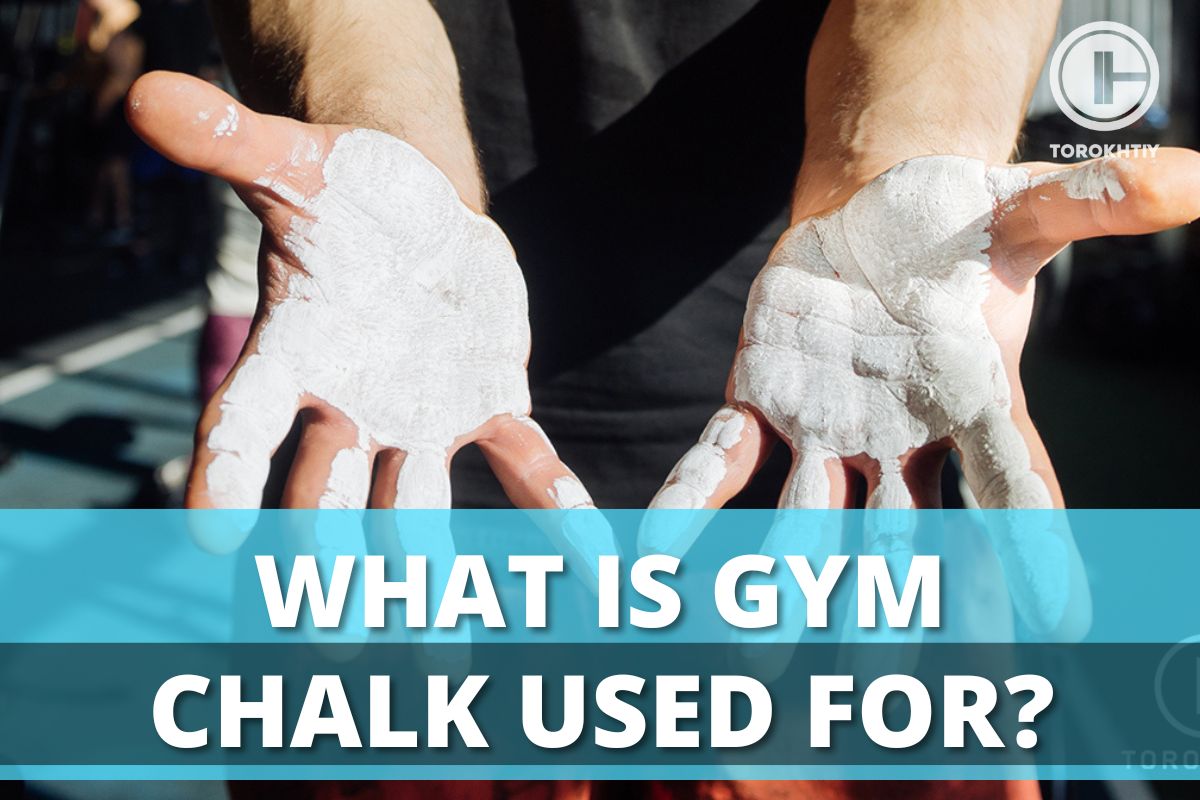
Credit: torokhtiy.com
Environmental And Health Considerations
Gym chalk is an essential tool for many athletes. While it enhances grip and performance, it’s crucial to consider its environmental and health impacts. These aspects influence gym quality and user safety.
Impact On Gym Environment
Chalk dust can accumulate over time. It creates a layer on gym equipment and floors. This buildup affects cleanliness and maintenance. Regular cleaning is necessary to keep facilities tidy.
Excessive chalk use contributes to air pollution indoors. This can lead to poor air quality. Gyms may need better ventilation systems to manage chalk dust.
Skin And Respiratory Safety
Chalk can be harsh on the skin. Prolonged contact may cause dryness or irritation. Users should wash hands after use to prevent skin issues.
Inhaling chalk dust poses respiratory risks. It may irritate the lungs and throat. It’s advisable to use chalk in moderation and ensure proper air circulation.
Consider alternatives like liquid chalk for reduced dust exposure. These options offer similar benefits without compromising safety.
Alternatives To Gym Chalk
Gym chalk is used by athletes to improve grip during workouts. It helps absorb moisture and reduce slipping. Alternatives include liquid chalk, which dries quickly, and grip gloves, offering additional support and protection.
Alternatives to gym chalk are gaining popularity among fitness enthusiasts. Whether you’re lifting weights, rock climbing, or doing gymnastics, maintaining a strong grip is essential. Some find traditional gym chalk messy or inconvenient. If you’re looking for a cleaner or more effective option, you’re in luck. There are several alternatives that can help you achieve the same grip enhancement without the dust and hassle.Grip Aids And Accessories
Grip aids and accessories are game-changers in the fitness world. Liquid chalk, for instance, comes in a convenient bottle and dries quickly on your hands. It provides a clean grip without the cloud of dust. Wrist wraps and grip pads can also enhance your hold on gym equipment. They’re easy to use and can be reused multiple times. If you’re someone who needs extra support, these accessories can offer added stability and comfort. Imagine you’re in the middle of an intense workout, and your grip starts to fail. Instead of reaching for the chalk, you grab your trusty grip pad. It sticks perfectly, and you power through your set without missing a beat. These aids not only improve performance but also boost confidence.Comparison With Chalk
How do these alternatives stack up against traditional gym chalk? Liquid chalk tends to last longer on the hands, reducing the need for frequent reapplication. This can be a lifesaver during extended workout sessions. Plus, it’s often more acceptable in gyms that frown upon dust. On the other hand, traditional chalk can provide a stronger grip for very sweaty hands. It’s also cheaper and accessible, often available in bulk. But if you’re prone to allergies or want to avoid the mess, alternatives like liquid chalk or grip pads are worth considering. Think about your own fitness routine and environment. Does your gym allow chalk, or do you find yourself needing a cleaner option? By understanding the benefits and drawbacks of each alternative, you can make an informed choice that enhances your workout experience.
Credit: markdegrasse.com
Frequently Asked Questions
What Is The Difference Between Gym Chalk And Regular Chalk?
Gym chalk absorbs moisture and improves grip for lifting weights. Regular chalk is used for writing or drawing. Gym chalk is usually made from magnesium carbonate, while regular chalk contains calcium carbonate. Gym chalk’s powdery texture is designed for athletic use, unlike the smooth texture of regular chalk.
Why Do Gymnasts Eat Gym Chalk?
Gymnasts don’t eat gym chalk; they use it to improve grip and reduce moisture on their hands. Chalk helps prevent slipping on apparatus like bars and rings, enhancing performance and safety. It’s crucial for maintaining control during complex moves and routines in gymnastics training and competitions.
Is Gym Chalk Safe?
Gym chalk is generally safe for use. It improves grip and reduces moisture. Ensure good ventilation to avoid inhaling excess dust. Use it in moderation to prevent skin dryness or irritation. Always choose high-quality chalk for the best results and minimal risk.
Does Gym Chalk Make A Difference?
Gym chalk improves grip by reducing moisture on hands. It enhances lifting performance and prevents slipping. Ideal for weightlifting, climbing, and gymnastics. Users experience better control and confidence during workouts. It’s a simple yet effective tool for anyone seeking improved grip and safety in physical activities.
Conclusion
Gym chalk helps grip and improves performance during workouts. It’s simple. It’s effective. Athletes and gym-goers benefit from its use. Chalk reduces slips and enhances safety. It’s a small tool with big advantages. Easy to carry, easy to use. It’s part of many fitness routines.
Chalk is reliable. It sticks to hands and helps with lifting. Many gyms offer chalk for their members. Affordable and accessible. Try gym chalk if you want better grip. Your workout experience can improve. It’s worth a try.