
Are you curious about how to enhance your Mediterranean diet with the right kind of bread? You’re in the right place.
Choosing the perfect bread can elevate your meals, adding both flavor and nutritional value. Imagine biting into a slice that not only complements your dishes but also aligns seamlessly with your health goals. This is more than just a dietary choice; it’s a way to enrich your lifestyle.
By understanding which bread suits your Mediterranean diet best, you can make every meal an indulgence that fuels your body and satisfies your taste buds. Ready to discover which bread can transform your Mediterranean diet into a culinary delight? Let’s dive in and explore your delicious options.
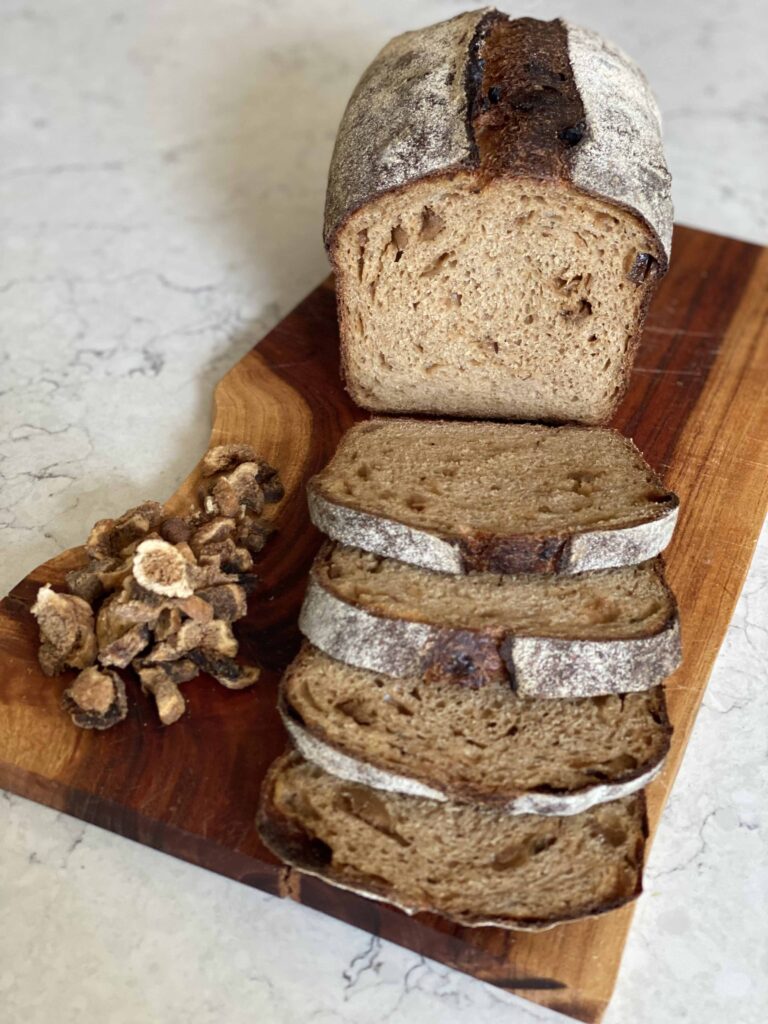
Credit: valleyfig.com
Mediterranean Diet Essentials
The Mediterranean diet is more than just a meal plan; it’s a lifestyle rooted in tradition, flavor, and simplicity. It emphasizes whole foods, healthy fats, and fresh produce. Bread plays a crucial role, serving as a staple in meals that unite families and friends. But what kind of bread fits this vibrant dietary pattern?
What Makes Bread Essential In The Mediterranean Diet?
Bread is a cornerstone of Mediterranean meals. It’s often used to scoop up dips, accompany soups, or simply enjoyed with a drizzle of olive oil. The focus is on whole grains, which pack more nutrients and fibers. Whole grain bread supports your digestive health and keeps you fuller longer.
Choosing The Right Bread: Whole Grains Are Key
Whole grain bread is not just a healthier choice; it’s a delicious one too. Imagine the hearty texture and nutty flavor that complements every bite. Look for labels that say 100% whole grain or whole wheat. These options have less sugar and unhealthy fats compared to refined breads.
Why Is Sourdough A Popular Choice?
Sourdough has gained popularity in recent years, and for good reason. Its fermentation process aids digestion and lends a unique tangy taste. I remember my first bite of homemade sourdough in a small Greek village—it was unforgettable. It’s a bread that brings people together, encouraging you to savor each moment.
How Can You Add More Variety To Your Bread Choices?
Variety adds excitement to your meals. Try integrating multigrain or rye bread into your diet. These options not only taste great but also enhance nutritional benefits. Experiment with different breads to find what you enjoy most. What new flavor will you discover next?
Pairing Bread With Mediterranean Meals
The magic of Mediterranean bread lies in its pairing with vibrant dishes. Picture a slice of crusty bread with creamy hummus or alongside a fresh tomato salad. Bread complements and enhances the flavors of your meal. What will you pair with your next loaf?
Embrace the essence of the Mediterranean diet by choosing the right bread. It’s a simple change that can bring a world of flavor and health benefits to your table. What kind of bread will you choose today?
Benefits Of Bread In The Diet
Bread plays a vital role in the Mediterranean diet. It’s not just a staple, but a source of nutrition. Including bread can offer various benefits to your diet. Let’s explore how.
Rich In Essential Nutrients
Bread provides essential nutrients for the body. Whole-grain bread contains vitamins, minerals, and fiber. These elements support overall health. They aid in digestion and boost energy levels.
Supports Heart Health
Whole-grain bread can support heart health. It contains fiber that helps lower cholesterol. Eating whole-grain bread reduces the risk of heart disease. It’s a heart-friendly choice.
Helps In Weight Management
Bread can aid in weight management. Whole-grain options are filling. They keep you full for longer. This helps control appetite and weight.
Boosts Energy Levels
Bread is a great energy source. Carbohydrates in bread provide quick energy. This is perfect for an active lifestyle.
Improves Digestive Health
Whole-grain bread improves digestive health. It contains fiber that supports digestion. Fiber helps maintain a healthy gut. It prevents constipation and other digestive issues.
Versatile And Delicious
Bread is versatile and delicious. It pairs well with many dishes. Enjoy it with olive oil, hummus, or fresh vegetables. It enhances the flavors of meals.
Whole Grain Bread Options
Whole grain bread is perfect for the Mediterranean diet, offering fiber and nutrients. Choose options like whole wheat, spelt, or rye. These breads are healthy and tasty, fitting well into balanced meals.
Whole grain bread is a staple in the Mediterranean diet. Its rich flavors and health benefits make it a favorite. Choosing the right bread can enhance your diet experience. Whole grain options provide essential nutrients and support a balanced lifestyle. This makes them a top choice for many.Nutritional Benefits
Whole grain bread is rich in fiber. It aids digestion and keeps you full longer. This bread type supports heart health. It can help reduce cholesterol levels. Whole grains provide vitamins and minerals. These include B vitamins, iron, and magnesium. They play a role in maintaining energy levels and overall well-being.Popular Choices
There are several whole grain bread options. Whole wheat bread is common and widely loved. It contains the entire grain kernel. Rye bread is another popular choice. It offers a unique flavor and dense texture. Multigrain bread includes various whole grains. It provides diverse flavors and nutrients. These options make the Mediterranean diet both delicious and nutritious.Sourdough Bread
Sourdough bread fits well in the Mediterranean diet. Its natural fermentation process enhances digestibility and flavor. Rich in nutrients, it complements the diet’s focus on wholesome foods.
Sourdough Bread has been gaining popularity on the Mediterranean diet due to its unique flavor and health benefits. Known for its crunchy crust and soft inside, sourdough is not just delicious, but also good for you. Ever wondered why this bread is a favorite among health enthusiasts?Fermentation Process
The magic of sourdough lies in its fermentation process. Unlike regular bread, sourdough uses naturally occurring yeast and bacteria. This makes the bread rise slowly and develop its distinct taste. This process also breaks down gluten, making it easier to digest. If you ever felt bloated after eating bread, sourdough might be your solution. The fermentation creates lactic acid, which gives sourdough its tangy flavor. This acid also helps preserve the bread, giving it a longer shelf life. Have you ever noticed how sourdough stays fresh for days?Health Advantages
Sourdough bread is rich in nutrients. It contains higher levels of vitamins and minerals compared to other breads. Eating sourdough can boost your intake of iron, selenium, and B vitamins. The bread’s low glycemic index means it won’t spike your blood sugar. This is crucial for maintaining energy levels throughout the day. Do you often feel hungry shortly after eating? Sourdough might keep you fuller for longer. Sourdough also promotes gut health. The fermentation process produces prebiotics, which feed good bacteria in your gut. A healthy gut can improve digestion and enhance immunity. Isn’t it incredible how a simple bread can support your health in so many ways? Incorporating sourdough into your Mediterranean diet can be a delicious and healthy choice. Next time you’re at the bakery, why not pick up a loaf and enjoy the benefits firsthand?Pita Bread
Pita bread is a staple in the Mediterranean diet, offering a soft and chewy texture. Its versatility makes it perfect for wraps, sandwiches, or as a side with hummus. Made from whole wheat flour, it provides essential nutrients and complements a healthy lifestyle.
Pita bread is a staple in the Mediterranean diet. Its soft, pocket-like structure makes it incredibly versatile. If you’re looking to enjoy a slice of Mediterranean life, pita bread is a delightful starting point. The beauty of pita lies in its simplicity and adaptability, fitting seamlessly into various meal types without overwhelming other flavors.Traditional Varieties
Pita bread comes in several traditional varieties. The most common is the classic round pita, which you often see in stores and restaurants. Some regions offer thicker versions, which are perfect for scooping up hearty dips like hummus. Another popular type is the whole wheat pita, which offers a nuttier flavor and extra fiber. This option is perfect for those who are more health-conscious. You might find pita sprinkled with sesame or nigella seeds, adding a unique twist to its taste.Usage In Meals
Pita bread is incredibly flexible in its usage. Have you ever tried using it as a base for a Mediterranean-style pizza? Simply add toppings like olives, feta cheese, and tomatoes, then bake it for a quick, delicious meal. You can also transform pita into a vehicle for savory fillings. Stuff it with grilled veggies or lean proteins like chicken or fish. This makes for a quick and nutritious meal, perfect for busy days. Don’t forget about pita’s role in breakfast. Toasted pita with a spread of avocado or a sprinkle of za’atar spice can be a refreshing start to your day. How do you like to incorporate pita bread into your meals?Ezekiel Bread
Ezekiel Bread is a nutritious choice for the Mediterranean diet. Made from sprouted grains, it offers more nutrients. Its high fiber content supports digestion and keeps you full longer.
Ezekiel Bread is a unique and nutritious choice for those following the Mediterranean Diet. Known for its wholesome ingredients, this bread is crafted from sprouted whole grains and legumes, making it a nutrient-dense option. It’s not just any bread; it’s a bread that offers a variety of health benefits, making your meals both delicious and nutritious.Sprouted Grains Benefits
Sprouted grains in Ezekiel Bread provide a wealth of benefits. During sprouting, grains break down starches, making them easier to digest. This process increases the availability of nutrients, such as B vitamins, vitamin C, and amino acids. Eating sprouted grains can also help manage blood sugar levels. They have a lower glycemic index compared to refined grains. This means they release glucose more slowly into your bloodstream. Have you noticed feeling fuller after eating sprouted grains? That’s because they are high in fiber. This can aid in weight management and improve your digestive health.Comparison With Other Breads
How does Ezekiel Bread stack up against other breads? Let’s take a closer look. – Whole Wheat Bread: Often made from refined flour, whole wheat bread lacks the nutrient density of Ezekiel Bread. While it contains some fiber, it doesn’t offer the same level of digestibility or nutritional benefits as sprouted grains. – White Bread: This type is typically void of fiber and essential nutrients, as it’s made from refined flour. It can cause quick spikes in blood sugar, unlike the steady release from Ezekiel Bread. – Multigrain Bread: Although it may sound healthy, multigrain bread can be misleading. Not all grains used are whole or sprouted, and sometimes it contains added sugars or preservatives. Choosing Ezekiel Bread over these options could enhance your Mediterranean Diet experience. It’s a small change that can make a big difference in your health journey. Have you ever tried Ezekiel Bread, or do you have a favorite way to enjoy it? Share your thoughts in the comments below.Focaccia Bread
Focaccia bread is a delightful staple in the Mediterranean diet. Its origins trace back to ancient Italy, where it was a popular flatbread. Focaccia is known for its soft, airy texture and rich olive oil flavor. This bread serves as a versatile base for many dishes. Its simplicity makes it a favorite among bread lovers. Let’s dive into the delightful world of focaccia.
Flavor Variations
Focaccia offers a range of delicious flavor variations. Traditional focaccia is topped with rosemary and sea salt. Some prefer adding olives or sun-dried tomatoes for extra zest. Cheese lovers might enjoy a sprinkle of Parmesan or mozzarella. For a sweet twist, try focaccia with figs or honey. These variations cater to different taste preferences. Experimenting with toppings can be fun and rewarding. Each flavor brings a unique touch to your meal.
Pairing With Mediterranean Dishes
Focaccia pairs wonderfully with Mediterranean dishes. Its soft texture complements hearty stews and soups. Dipping it in olive oil or balsamic vinegar enhances its taste. It serves as a great accompaniment to fresh salads. Pair it with dishes like hummus, baba ghanoush, or tzatziki. Focaccia can also be a base for sandwiches. Use it with roasted vegetables, chicken, or feta cheese. Its versatility makes it a kitchen favorite.
Flatbreads In Mediterranean Cuisine
Flatbreads are a staple in Mediterranean cuisine, offering versatility and simplicity. Options like pita, lavash, and focaccia complement the Mediterranean diet beautifully. Their light texture pairs well with fresh vegetables, olive oil, and lean proteins, enhancing the flavor profile of this heart-healthy eating plan.
Flatbreads play a vital role in Mediterranean cuisine. They offer a delightful taste and texture. These breads are versatile and pair well with many dishes. From wraps to dips, flatbreads enhance any meal. Let’s explore the regional variations and cultural significance of flatbreads in Mediterranean cuisine.Regional Variations
Flatbreads differ across the Mediterranean region. In Greece, you’ll find pita bread. It’s soft and perfect for gyros or souvlaki. In Turkey, lavash is popular. Thin and pliable, it’s ideal for wraps. Italy offers piadina, a flatbread that’s slightly thicker. Each region adds its unique touch. The ingredients and baking methods vary, offering distinct flavors.Cultural Significance
Flatbreads hold cultural importance in the Mediterranean. They symbolize hospitality and community. Sharing bread with others is a cherished tradition. In many cultures, bread accompanies every meal. It’s more than just food; it’s a part of life. Flatbreads connect people, bringing them together. They represent history, tradition, and unity in the Mediterranean.Gluten-free Bread Alternatives
The Mediterranean diet is renowned for its heart-healthy benefits, emphasizing whole grains, fruits, vegetables, and lean proteins. But what if you’re following a gluten-free lifestyle? Can you still enjoy the Mediterranean way of eating? Absolutely! Gluten-free bread alternatives can seamlessly fit into your diet, offering variety without sacrificing flavor or nutrition.
Suitable Options
Finding the right gluten-free bread can be a game-changer. Imagine biting into a slice that’s not only soft and flavorful but also complements your Mediterranean meals perfectly. Options like almond flour bread, chickpea bread, and quinoa bread are excellent choices. These breads are rich in fiber and protein, making them great companions to your diet.
Consider almond flour bread for its nutty taste and dense texture. Chickpea bread is another fantastic choice—it’s high in protein and pairs beautifully with hummus or olive tapenade. Quinoa bread, with its earthy flavor, adds a unique twist to your Mediterranean experience. Each of these options brings a distinct taste, enhancing your meals.
Impact On Diet
Switching to gluten-free bread can have a significant impact on your diet. You might notice an increase in energy and better digestion. These breads are often lighter on the stomach, helping you feel more comfortable after meals. Plus, they can introduce new nutrients into your diet, diversifying your nutrient intake.
But here’s the catch: it’s crucial to ensure these breads don’t contain additives or excessive sugars. Always check the label for any hidden ingredients that might sabotage your health goals. A clean ingredient list means you’re nourishing your body with wholesome foods.
Have you ever tried a new bread and felt it changed your entire meal experience? You’re not alone. Many people find that switching to gluten-free alternatives enhances the flavors in their meals, making each bite more enjoyable. So, what kind of bread are you going to try next on your Mediterranean journey?

Credit: wildgrain.com
Credit: www.mediterraneanliving.com
Frequently Asked Questions
What Is The Best Bread For Mediterranean Diet?
Whole grain breads are best for the Mediterranean diet. They are rich in fiber and nutrients. Choose options like whole wheat, spelt, or barley bread. These types support heart health and help maintain a balanced diet. Avoid refined breads for optimal benefits.
Can I Eat Pita Bread On Mediterranean Diet?
Yes, you can eat pita bread on the Mediterranean diet. Opt for whole grain pita whenever possible. Whole grain pita provides more fiber and nutrients than the refined version. It’s a staple in Mediterranean cuisine and pairs well with hummus and vegetables.
Is Sourdough Bread Suitable For Mediterranean Diet?
Sourdough bread is suitable for the Mediterranean diet. It is made through a natural fermentation process. This makes it easier to digest and enhances its nutrient availability. Choose whole grain sourdough for added health benefits. It offers a delicious, tangy flavor.
Are There Gluten-free Bread Options For Mediterranean Diet?
Yes, there are gluten-free bread options suitable for the Mediterranean diet. Consider breads made from almond, quinoa, or buckwheat flour. These options offer essential nutrients and fit well within the diet guidelines. Always check labels for whole food ingredients.
Conclusion
Choosing the right bread enriches a Mediterranean diet. Whole grain or sourdough options are ideal. They offer nutrients and enhance meals. Avoid refined bread for better health. Experiment with flavors and textures. Bread like pita or focaccia adds variety. Remember to enjoy in moderation.
Balance is key in any diet. A mindful choice supports your wellness journey. Savor each bite and benefit from the Mediterranean lifestyle.