Dreaming of opening your own CrossFit gym? You’re not alone.
Many fitness enthusiasts like you are eager to transform their passion into a thriving business. But before you dive into this exciting venture, it’s crucial to understand the costs involved. Knowing what to expect financially can make or break your dream.
Imagine being fully prepared, with every financial detail laid out, avoiding unexpected surprises. Sounds reassuring, right? We’ll explore the costs of opening a CrossFit gym, breaking down each expense so you can plan wisely and confidently take the next step in your fitness journey. Curious to know if your dream is within reach? Keep reading to discover the financial roadmap to your very own CrossFit gym.
Initial Planning
Initial Planning Determining the cost to open a CrossFit gym involves assessing equipment, location, and licensing expenses. Consider initial investments and ongoing operational costs. Carefully budget for marketing and staffing to ensure smooth operations.
Embarking on the journey to open a CrossFit gym is both exciting and daunting. The initial planning phase is crucial, setting the foundation for your success. It’s not just about finding a space and getting equipment; it’s about understanding your market, choosing the right location, and creating a business plan that aligns with your vision.Market Research
Market research is your first step. It helps you understand the demand for a CrossFit gym in your area. Are there other gyms nearby, and what do they offer? Consider the demographics of your target market. Are there enough potential clients to sustain your business? A friend of mine opened his gym in a college town and focused on student memberships, which worked wonders. Identify your competition. Not just other CrossFit gyms, but all fitness centers in the area. What makes yours different? This insight will guide your pricing, services, and marketing strategies.Location Selection
Choosing the right location can make or break your gym. You need a place that’s accessible and visible to your target audience. Think about proximity to residential areas or business districts where potential clients live or work. Consider the space requirements for your equipment and classes. CrossFit gyms need open areas for workouts. A small, cramped location might limit what you can offer. Check the local regulations and zoning laws. Some areas have restrictions on gym operations. My first choice for a gym location fell through because of zoning issues. It taught me to check these details early on. Initial planning is about laying the groundwork for a successful venture. Have you considered what unique value your CrossFit gym will bring to the community?Legal Requirements
Understanding legal requirements is crucial when opening a CrossFit gym. Costs can vary widely based on location and compliance needs, including permits, insurance, and adherence to local regulations. Proper budgeting ensures smooth operations from the start.
Opening a CrossFit gym involves several legal requirements. Understanding these helps avoid legal issues and ensures smooth operations. Legal requirements can differ based on your location, so thorough research is crucial.Licensing And Permits
Obtaining the right licenses is essential. You need a business license to operate legally. Check with local authorities for specific requirements. Building permits may be necessary if renovations are planned. Health permits ensure your facility meets hygiene standards. Zoning permits confirm the location is suitable for a gym. Be prepared to submit detailed plans and pay fees.Insurance Needs
Insurance protects your business from potential liabilities. General liability insurance covers accidents on the premises. Property insurance secures equipment against damage or theft. Consider professional liability insurance for coaching mistakes. Workers’ compensation insurance is required if you employ staff. Choose an insurance plan that suits your gym’s needs. Consult with an insurance professional for guidance.Facility Costs
Opening a CrossFit gym involves costs like rent, equipment, and utilities. These can range from $30,000 to $100,000, depending on location and size. Careful budgeting is crucial.
Opening a CrossFit gym can be a thrilling venture, but understanding the facility costs is crucial for success. The physical space where your gym operates is the backbone of your business. Whether you’re leasing or purchasing a property, renovating it to fit your vision, or simply making it functional, each decision impacts your bottom line. Let’s dive into the key aspects of facility costs that you need to consider.Lease Or Purchase
The first big decision is whether to lease or purchase your facility. Leasing allows you flexibility with less upfront investment. You can test the waters without a huge financial commitment. However, leases can come with restrictions. You might face limits on renovations or have to deal with annual rent increases. Purchasing a property offers stability and control. You can design the gym exactly how you envision it. But buying is a major investment. It requires significant capital and involves long-term commitments. Consider your budget and long-term goals carefully. Evaluate your location options. A prime spot might attract more members but will likely cost more. Can your budget handle it?Renovation Expenses
Once you’ve secured a space, it’s time for renovations. Creating a functional and inviting gym environment is essential. Renovation costs can vary widely depending on the condition of the space and your design plans. Think about the flooring. CrossFit gyms need durable flooring to withstand heavy equipment and intense workouts. Quality flooring is an investment that pays off in longevity. Lighting and ventilation are other key areas. Bright, airy spaces are more inviting and safer. You might need new windows or skylights. Factor in costs for HVAC systems to ensure proper air circulation. Consider equipment storage solutions. Proper storage maximizes space and enhances safety. Don’t forget about branding. A well-designed gym reflects your brand and attracts members. How will you make your gym stand out? What’s your vision for the gym, and how much are you willing to invest in it? Balancing costs with quality is crucial.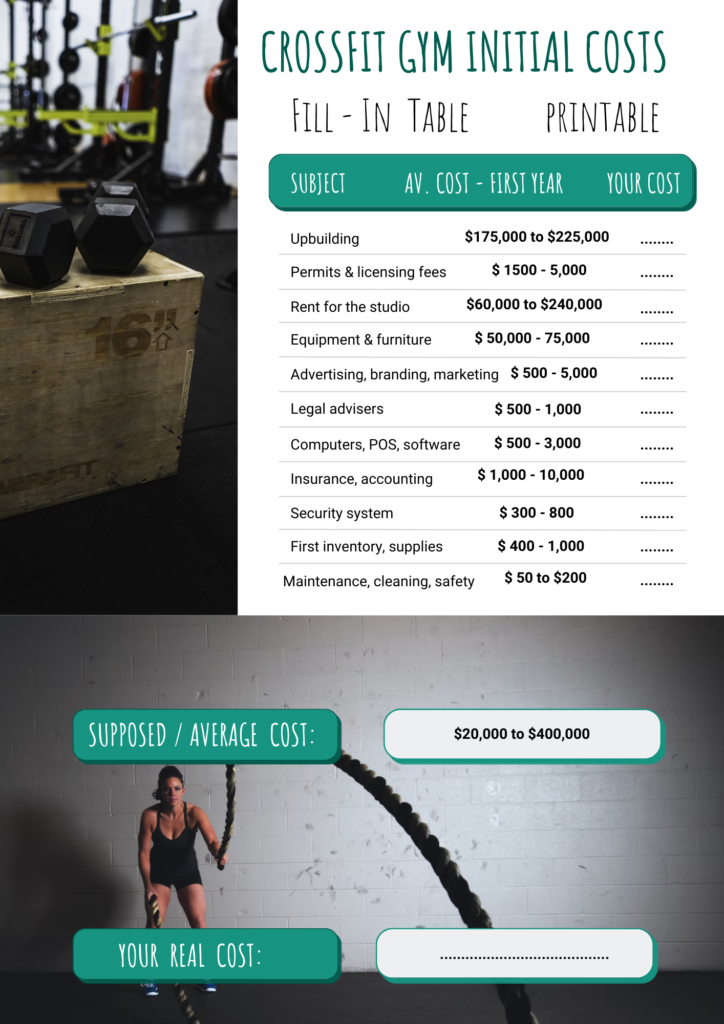
Credit: wod.guru
Equipment Investment
Opening a Crossfit gym involves several costs. Equipment investment can range from $20,000 to $50,000, depending on quality and quantity. Essentials include barbells, kettlebells, and flooring, all vital for a functional setup.
Opening a CrossFit gym is a thrilling venture, but understanding the costs is crucial for success. One significant aspect of your budget will be the equipment investment. This section will help you navigate the essentials and optional additions for your gym, ensuring you make smart choices without breaking the bank.Essential Gear
Starting with essential gear is fundamental. You need to ensure your CrossFit gym is equipped with the basics that cater to a wide range of workouts. Barbells and Plates: These are the cornerstone of any CrossFit gym. Investing in durable barbells and bumper plates is non-negotiable. They will be used daily for various lifts and workouts. Kettlebells and Dumbbells: These versatile tools are essential for strength and conditioning. Opt for a range of weights to accommodate different fitness levels. Pull-up Bars and Rigs: These are crucial for bodyweight exercises like pull-ups and muscle-ups. A sturdy rig can also support other equipment like gymnastic rings. Rowing Machines: Cardio is a key component of CrossFit, and rowing machines are a staple for high-intensity workouts. Flooring: High-quality rubber flooring is essential for safety and durability. It protects your equipment and provides a safe environment for members.Optional Additions
Once you have the basics covered, consider optional additions that enhance the experience for your members. Medicine Balls and Slam Balls: These are great for dynamic exercises and core workouts. They add variety to your training programs. Battle Ropes: These are perfect for intense cardio sessions. They engage multiple muscle groups and boost cardiovascular endurance. Assault Bikes: These bikes offer intense workouts and are excellent for interval training. They can be a great addition if your budget allows. Plyometric Boxes: These are used for jumping exercises and can be used in various workouts to improve agility and strength. Sandbags: These versatile tools are excellent for functional strength training. They mimic real-world lifting and carrying tasks. Think about the experience you want to offer. Are these optional additions worth the extra investment for your target audience? By carefully selecting your equipment, you can create a dynamic and engaging environment that keeps members coming back for more. Remember, the right equipment not only attracts new members but also retains them by providing diverse and challenging workouts.Staffing Expenses
Opening a CrossFit gym involves various expenses, with staffing costs being a significant factor. Hiring skilled trainers and staff members typically accounts for a considerable portion of the budget, impacting overall profitability and service quality.
Opening a CrossFit gym is a thrilling venture, but understanding the staffing expenses is crucial to your financial planning. Staffing is one of the most important investments you’ll make. It directly impacts your gym’s atmosphere and the quality of experience your clients receive. Let’s break down the key components of staffing expenses: trainer salaries and administrative costs.Trainer Salaries
The heart of your CrossFit gym lies in your trainers. Their skill and passion can elevate your gym’s reputation. Trainer salaries vary significantly based on experience and certifications. A certified CrossFit coach with several years of experience might command a higher salary, while a newly certified trainer may start with a lower pay rate. Consider whether you’ll hire trainers full-time or part-time. This decision can affect your budget substantially. Do you want to offer attractive salaries to retain top talent or start with a lean team?Administrative Costs
Behind the scenes, administrative tasks keep your gym running smoothly. From membership management to scheduling classes, these tasks are essential. You might need to hire administrative staff or invest in software solutions to streamline operations. Salaries for administrative positions can vary, but typically range from entry-level to experienced professionals. Think about whether you want to handle administrative tasks yourself initially or delegate them. How much are you willing to invest to ensure efficient operations? Staffing expenses demand careful consideration. They are not just a financial burden but a strategic investment in your gym’s success. What staffing strategy aligns with your vision for your CrossFit gym?
Credit: gymdesk.com
Operational Costs
Opening a CrossFit gym involves significant operational costs. These include leasing space, purchasing equipment, and securing licenses. Monthly expenses such as utilities, staff salaries, and insurance also add up.
Opening a CrossFit gym involves various operational costs that impact your budget. These costs ensure the gym runs smoothly and attracts members. Understanding these expenses helps in planning and maintaining the business.Utilities And Maintenance
Utilities are essential for daily operations. These include electricity, water, and heating. Each of these affects your monthly expenses. Efficient equipment can lower utility bills. Regular maintenance prevents unexpected repairs. This keeps equipment in good condition. Allocate funds for routine inspections. This ensures safety and functionality.Marketing And Advertising
Marketing is crucial for attracting new clients. Investing in advertising builds brand awareness. Social media platforms are effective for reaching potential members. Create engaging content to showcase your gym’s unique features. Local advertising targets the community. Flyers and posters can be distributed in nearby areas. Online ads can target specific demographics. Budget wisely for these campaigns.Membership Pricing
Opening a Crossfit gym involves various costs, including equipment, space rent, and insurance. Membership pricing can range widely, usually between $100 to $200 monthly. Understanding these expenses helps in setting competitive membership fees.
Membership Pricing is crucial for a CrossFit gym’s success. Setting competitive rates attracts members and ensures sustainability. Understanding different pricing models and discount strategies can make a significant difference.Pricing Models
CrossFit gyms often adopt various pricing structures. Monthly memberships offer stability. Members pay a fixed amount each month. This model is popular for consistent income. Some gyms use tiered pricing. Different tiers provide varied access levels. Basic tiers offer limited classes. Premium tiers include unlimited classes and personal coaching. Drop-in rates cater to casual visitors. They pay per class without long-term commitment.Discount Strategies
Discounts can boost membership enrollment. Early bird discounts reward timely sign-ups. They create urgency and attract quick decisions. Group discounts encourage friends to join together. This builds a community feel. Student discounts target younger demographics. They offer affordable options for students. Referral discounts incentivize current members. They bring friends and receive rewards. Seasonal promotions align with special events. Holidays and summer breaks are ideal times.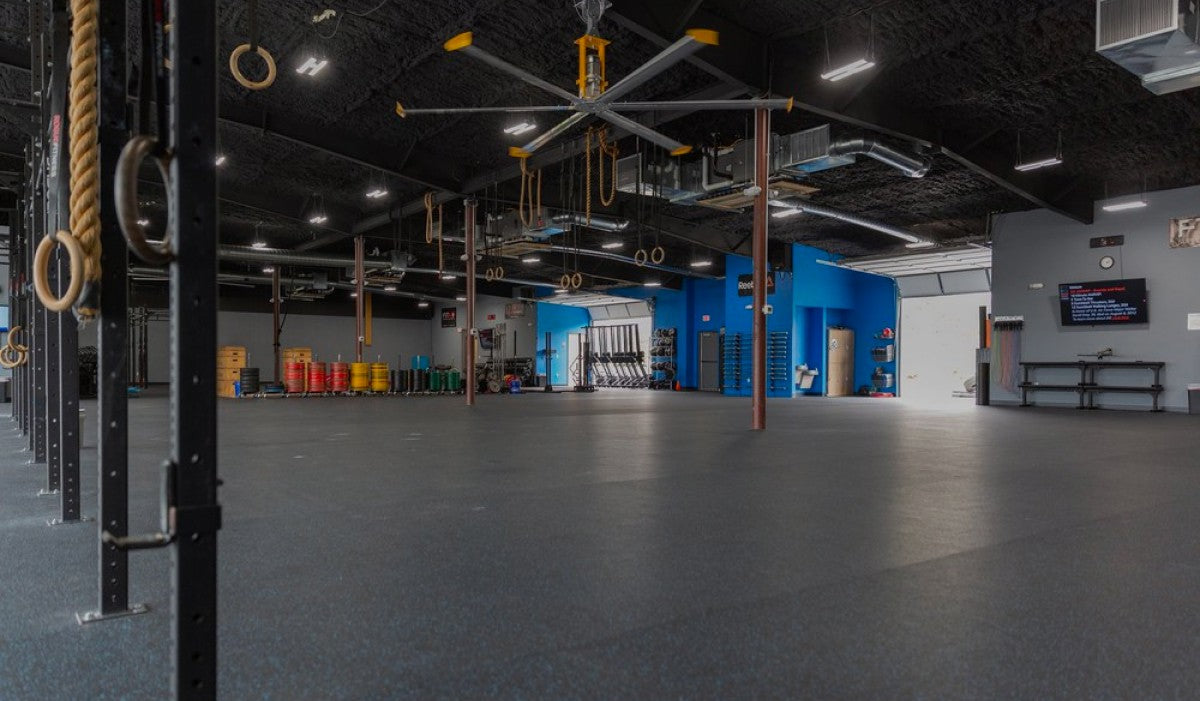
Credit: ironbullstrength.com
Financial Projections
Estimating costs is vital when opening a Crossfit gym. Expect expenses for equipment, rent, insurance, and staff salaries. Proper financial projections ensure a clear understanding of potential investments needed to establish your gym successfully.
Opening a CrossFit gym is an exciting endeavor. However, understanding financial projections is crucial to ensure your gym is profitable. Knowing your financial landscape enables you to make informed decisions and set realistic goals. Let’s dive into some key financial aspects you need to consider.Break-even Analysis
Determining your break-even point helps you understand when your gym will start generating profit. It’s essential to calculate your fixed and variable costs accurately. Fixed costs include rent, utilities, and salaries, while variable costs cover equipment maintenance and marketing. Once you have these figures, assess how many memberships you need to sell to cover your expenses. Imagine you aim for 50 members monthly to break even. How will you attract and retain them? Consider offering introductory classes or referral discounts. Understanding your break-even point guides your marketing strategies and pricing models.Profit Margins
Profit margins reveal how much money you keep after covering expenses. It’s vital to maintain healthy margins for your business’s sustainability. Start by setting competitive membership fees while ensuring value for your clients. What additional services can you offer to boost income? Personal training sessions or nutrition workshops could be viable options. Optimize your expenses without compromising quality. Reevaluate vendor contracts and negotiate better deals. Engage your members by enhancing their experience, which encourages renewals and referrals. Are there ways to streamline operations? Every improvement boosts your profit margins, making your gym more resilient. By focusing on financial projections, you pave the way for your gym’s success. Addressing these areas with diligence and creativity ensures your CrossFit gym thrives in a competitive market. Are you ready to take on the challenge?Frequently Asked Questions
Is Owning A Crossfit Gym Profitable?
Owning a CrossFit gym can be profitable with proper management, a strong community, and effective marketing. Profitability depends on location, membership rates, and operational costs. Successful gyms focus on quality coaching, member retention, and unique offerings to stand out. Careful planning and dedication drive profitability in this competitive industry.
How Much Money Does It Take To Open A Crossfit Gym?
Opening a CrossFit gym typically costs between $20,000 and $50,000. Expenses include equipment, rent, insurance, and licensing fees. Location and gym size greatly influence costs. Careful budgeting and planning are crucial for success.
How Much Does A Crossfit Gym Cost To Buy?
Buying a CrossFit gym can cost between $20,000 to $100,000. Costs vary based on location, size, equipment, and branding. Initial investments include gym space, equipment, and CrossFit affiliation fees. It’s crucial to research thoroughly to understand all financial commitments involved.
How Much Does The Crossfit Open Cost?
The CrossFit Open costs $20 for individual participants. It’s an annual event where athletes worldwide compete. Pricing may vary for affiliate gyms hosting events, so check with your local CrossFit affiliate for specific fees. Registration typically opens a few months before the competition starts.
Conclusion
Starting a CrossFit gym involves various costs. Equipment, rent, and licenses top the list. Location affects expenses significantly. Urban areas often have higher rent. Equipment quality impacts initial investment. Budget for marketing and staff salaries. Compare different suppliers for the best deals.
Plan finances carefully to avoid overspending. A detailed business plan helps track expenses. Understanding these costs leads to better decisions. It ensures a successful CrossFit gym launch.