Ever found yourself wondering just how much that barbell weighs when you hit the gym? You’re not alone.
Knowing the weight of the bar is crucial for anyone wanting to track their lifting progress accurately or set personal records. But here’s the kicker: not all bars are created equal. Dive into this article, and you’ll discover the secrets behind the various barbell weights, which will empower you to lift smarter and with more confidence.
Whether you’re a seasoned lifter or a gym newbie, understanding this fundamental detail can transform your workout experience. Ready to lift your knowledge to new heights? Let’s get started!
Credit: ironbullstrength.com
Standard Barbell Weight
Walking into a gym, you might wonder about the weight of the barbell that you’re about to lift. The standard barbell weight varies depending on its type and purpose. Understanding these differences is essential for tracking your progress and ensuring you’re lifting safely. Let’s delve into the specifics of these barbells.
Olympic Barbell Specifications
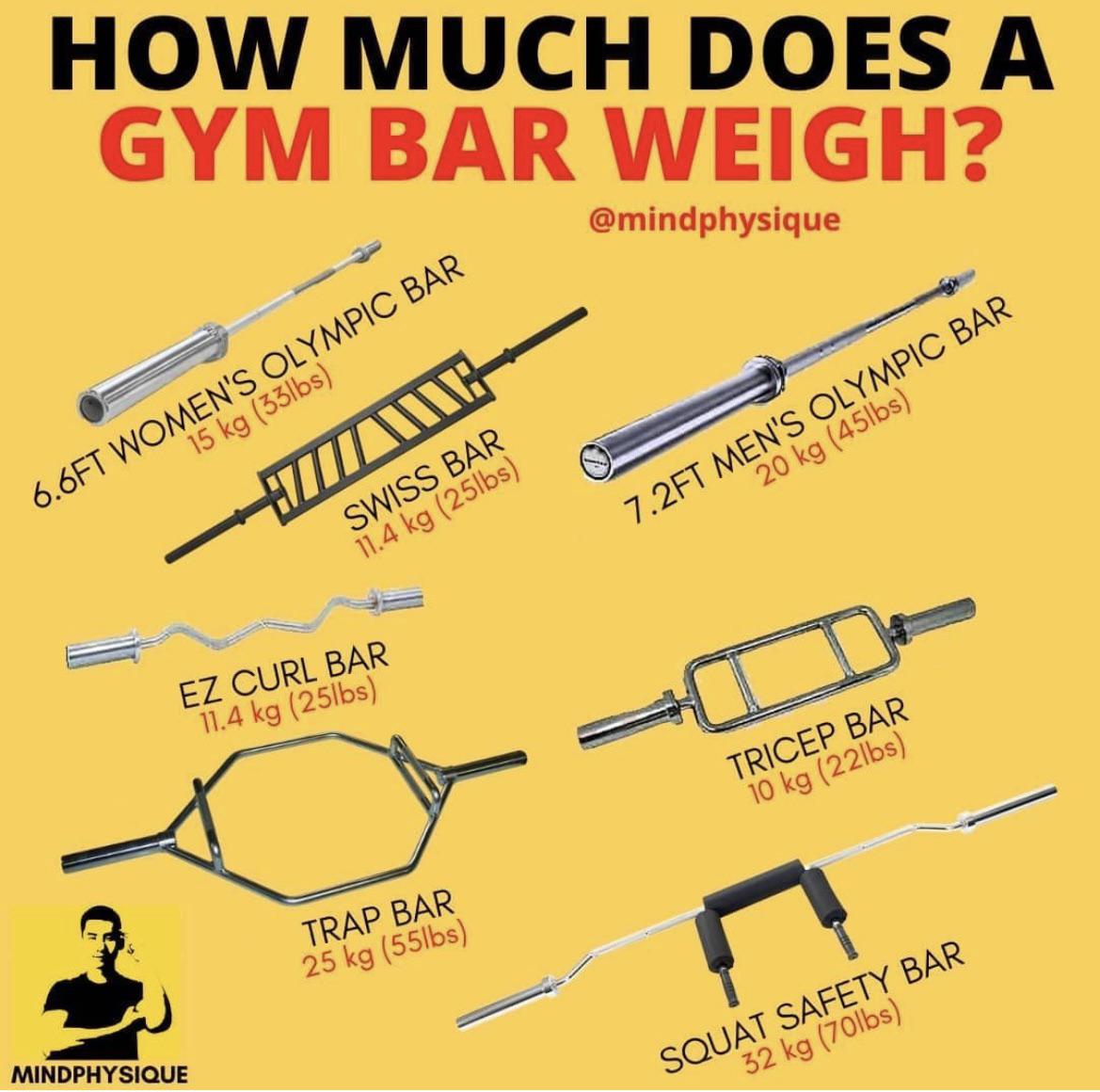
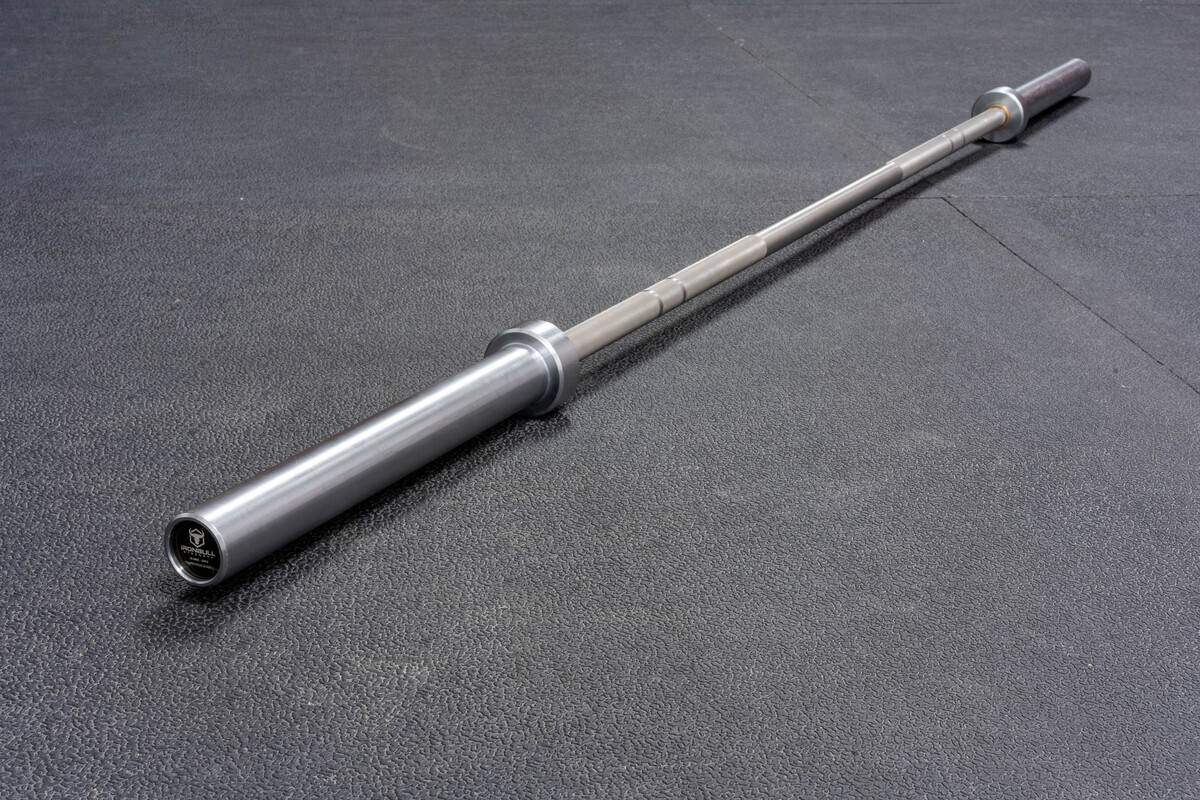
Olympic barbells are the gold standard in weightlifting. They typically weigh 20 kilograms (about 44 pounds) for men and 15 kilograms (around 33 pounds) for women. These barbells are designed for competitive lifting and feature specific dimensions. The men’s bar is about 2.2 meters long, while the women’s bar is slightly shorter at 2.01 meters.
Have you ever noticed the whip or flexibility in these bars? This characteristic allows Olympic lifters to utilize momentum effectively during lifts. The sleeves of the barbell rotate to reduce torque on the lifter’s wrists and allow for smoother lifts. Next time you grip an Olympic barbell, appreciate the engineering that goes into its design.
Powerlifting Barbell Features
Powerlifting barbells, although similar in appearance, have distinct features tailored for heavy lifting. These barbells also weigh 20 kilograms (44 pounds), but their design focuses on stiffness and durability. Unlike Olympic bars, powerlifting bars have less whip, which provides stability for squats, bench presses, and deadlifts.
Ever wondered why these bars have aggressive knurling? It ensures a firm grip during heavy lifts, reducing the risk of slipping. The center knurling on a powerlifting bar helps with stability during squats. Consider this when choosing a bar for your next workout—your grip and stability can make all the difference.
Understanding barbell weights and their specific features can elevate your lifting experience. Next time you step into the gym, take a moment to choose the bar that aligns with your goals. Which bar will you choose to challenge yourself today?

Credit: www.reddit.com
Specialized Barbells
When you walk into a gym, the variety of barbells can be overwhelming. While standard barbells are well-known, specialized barbells offer unique benefits and challenges. Understanding their weights can enhance your training and help you reach your fitness goals more efficiently.
Curl Bar Weight
The curl bar is a favorite for targeting the biceps and triceps. Typically, these bars weigh between 15 to 25 pounds. They have a unique zigzag shape which eases wrist tension during curls. This design is perfect if you experience discomfort with straight bars. Adding the curl bar to your routine can diversify your upper body workouts.
Trap Bar Variations
Trap bars, also known as hex bars, are popular for deadlifts. The standard trap bar usually weighs around 45 pounds, similar to a traditional barbell. However, there are heavier versions available, some weighing up to 75 pounds. Using a trap bar can shift the weight distribution, providing a more comfortable lift for many athletes. Have you tried using one to see if it improves your lifting form?
Safety Squat Bar Details
The safety squat bar stands out with its padded harness and angled grips. Weighing approximately 60 to 70 pounds, it’s heavier than a standard barbell. The design encourages better posture and reduces shoulder strain during squats. This bar is a game-changer if you’re looking to protect your joints while lifting. Have you considered it for your leg day routine?
Barbell Weight For Beginners
When stepping into a gym for the first time, the sheer variety of weights and equipment can be overwhelming. One of the most crucial pieces is the barbell, but how much does it actually weigh? Understanding the weight of the barbell is essential for beginners looking to embark on a safe and effective fitness journey. Let’s break down the essentials of barbell weight and how you can choose the right one for your workout.
Choosing The Right Bar
As a beginner, your focus should be on selecting a barbell that suits your strength level and fitness goals. Standard gym barbells typically weigh around 45 pounds (20 kg). However, there are lighter options available, such as technique bars that weigh 15 pounds (7 kg). These are perfect for those new to weightlifting and help you perfect your form without risking injury.
Consider the exercises you plan to perform. If you’re focusing on compound movements like squats or deadlifts, a standard barbell is your best choice. For those interested in Olympic lifts, a women’s Olympic bar weighing 33 pounds (15 kg) might be more suitable.
Adjusting To Gym Equipment
Once you’ve chosen your barbell, it’s time to get comfortable with using it. Start with lighter weights to master your technique. You might feel tempted to load up the bar, but remember: safety first. Proper form will lead to better results and prevent injuries.
Don’t hesitate to ask for guidance from trainers or experienced lifters. They can offer valuable tips and even demonstrate exercises to ensure you’re lifting correctly. Take your time; every repetition counts towards building your strength and confidence.
Have you ever found yourself questioning the weight of a bar? Understanding and choosing the right barbell can set the foundation for a rewarding fitness journey. Prioritize safety, and soon you’ll be lifting like a pro.

Credit: www.reddit.com
Factors Influencing Bar Weight
Understanding bar weight at the gym involves knowing different types. Olympic bars typically weigh 45 pounds, while standard bars can range from 15 to 35 pounds. Specialty bars, like curl or hex bars, offer varied weights and uses, impacting workout routines and goals.
Understanding the weight of a gym bar is crucial for optimizing your workout. Different factors influence how much a bar weighs, and knowing these can help you choose the right equipment for your fitness goals. Let’s explore these aspects to enhance your gym experience.Material Composition
The type of material used in a bar’s construction significantly impacts its weight. Most gym bars are made from steel due to its durability and strength. However, the quality and density of the steel can vary, leading to differences in weight. Some bars may incorporate other materials like aluminum, particularly in bars designed for beginners or those needing a lighter option. Have you ever considered how the material choice might affect your lifting performance?Bar Length And Diameter
The length and diameter of a bar are pivotal in determining its weight. Standard Olympic bars typically measure about 7 feet long, while shorter bars, like those used for curl exercises, are significantly lighter. A thicker diameter can also add weight, influencing how you grip and lift. If you’ve ever struggled with gripping a bar, it might be worth checking if a smaller diameter fits better with your hand size. Understanding these factors helps in selecting the bar that aligns with your strength and comfort level. Next time you hit the gym, notice how these details can tailor your workout to perfection.Importance Of Knowing Bar Weight
Understanding the weight of the barbell at the gym is more important than you might think. Whether you’re a seasoned lifter or just starting your fitness journey, knowing exactly what you’re lifting helps tailor your workouts to your goals. It ensures that you’re not only lifting the right amount for your strength level but also tracking your progress accurately. Imagine pushing yourself to new limits, only to realize you’ve been miscalculating your lifts all along. Wouldn’t that be frustrating?
Impact On Workout Routine
Knowing the weight of the bar is crucial for planning your workout routine. Different exercises require different weights, and the bar’s weight plays a significant role in the total load. When you know the bar’s weight, you can adjust the plates accordingly and ensure you’re lifting the right amount. This knowledge prevents you from overloading or underloading, optimizing your gains and reducing the risk of injury.
Imagine you’re aiming to lift 100kg, and the bar itself weighs 20kg. Without this knowledge, you might add plates assuming the bar is lighter, resulting in a heavier lift than intended. This could lead to poor form or even injury. Understanding the bar’s weight helps you make informed decisions about your workout intensity.
Ensuring Accurate Tracking
Tracking your fitness progress is essential for improvement, and knowing the bar weight is a key part of this. Accurate tracking means knowing exactly how much you’re lifting each session. This allows you to set realistic goals, monitor your growth, and make necessary adjustments. Without knowing the bar’s weight, your tracking can be off, hindering your progress.
Consider creating a workout log that includes the bar weight alongside the plates. This ensures you’re recording the true weight you’re lifting, allowing for precise tracking over time. With accurate records, you can reflect on your achievements and plan future workouts strategically.
Have you ever wondered why some days feel more challenging than others, even when the plates seem the same? It could be the bar’s weight throwing off your calculations. By knowing the bar’s weight, you eliminate this variable, ensuring each session is truly reflective of your efforts.
Tips For Verifying Bar Weight
Checking the weight of gym bars is essential. Always look for weight markings on the barbell. If unsure, ask a gym staff member for confirmation.
Verifying the weight of a bar at the gym is crucial. Knowing the exact weight helps with accurate workout plans. Here are some simple tips to ensure you have the right information.Consulting Gym Staff
Gym staff are knowledgeable about equipment. They can confirm the bar’s weight. Approach them politely. Ask about the specific bar you are using. They might offer additional tips on using it safely. Always rely on their expertise for accurate information.Using Weighing Scales
A weighing scale provides the most precise measurement. Place the bar on the scale carefully. Ensure it’s balanced and doesn’t roll off. Note the weight displayed. This method is straightforward and reliable. Make sure to use a scale meant for heavy weights. It ensures accuracy and safety.Frequently Asked Questions
How Much Does A Bar Weigh For A Gym?
A standard Olympic barbell in a gym typically weighs 20 kilograms (44 pounds). Some bars, like women’s Olympic bars, weigh 15 kilograms (33 pounds). Smaller bars, such as curl bars, can weigh between 5 to 15 kilograms (11 to 33 pounds).
Always check the bar’s specifications for accurate weight.
Are All Gym Bars 45 Pounds?
Not all gym bars weigh 45 pounds. Standard Olympic bars are 45 pounds, but others vary in weight. Curl bars, training bars, and specialty bars can be lighter or heavier. Always check the specific bar’s weight before use.
Is The Bar At Planet Fitness 45 Pounds?
Yes, the standard barbell at Planet Fitness typically weighs 45 pounds. Some locations may have lighter bars. Always check with staff for confirmation.
How To Tell How Much A Bar Weighs At The Gym?
Check the bar’s end for weight markings, often printed or engraved. Standard Olympic bars weigh 45 pounds (20 kg). Smaller bars, like curl bars, weigh less. Verify with gym staff if unsure. Always confirm the type of bar for accurate weight assessment.
Conclusion
Understanding bar weight at the gym helps plan workouts better. Different bars have different weights. Standard bars weigh around 45 pounds. Curl bars might weigh less. Some specialty bars are heavier. Always check the weight before lifting. This ensures safe and effective training.
Knowing bar weight helps track progress. It also prevents injuries. Stay informed and lift smart. Knowledge empowers your fitness journey. The right bar can make a big difference. Happy lifting at the gym!