Are you considering upgrading your gym’s flooring but unsure about the costs involved? You’re not alone.
Choosing the right gym floor is a critical decision that impacts not only your budget but also the safety and performance of everyone who uses the space. Imagine this: a sleek, durable surface that enhances athletic performance and reduces injury risk.
Doesn’t that sound appealing? But before you make your decision, it’s crucial to understand the financial investment required. We’ll break down the costs of a new gym floor, so you can make an informed choice that fits your needs and budget. Let’s dive into the details and find out how much a new gym floor really costs.
Factors Influencing Gym Floor Costs
Understanding the costs of a new gym floor can be complex. Several factors impact the final price. From material choices to installation processes, each element plays a role. The square footage of the space also affects the total cost. Let’s delve into these factors for a clearer picture.
Material Choices
The type of material chosen greatly impacts gym floor costs. Hardwood is often more expensive than rubber or vinyl. Each material has its own benefits and price range. Hardwood offers durability and a classic look. Rubber provides excellent shock absorption. Vinyl is affordable and easy to maintain. Consider the gym’s purpose and budget when choosing materials.
Installation Process
The installation process can vary based on the material. Some floors require professional installation. Others might be suitable for DIY. Professional installation adds to the cost but ensures quality. DIY options can save money but may lack precision. The complexity of the installation can affect the timeline and price.
Square Footage
Square footage directly influences the total cost. Larger areas will require more materials. This results in higher expenses. Calculating the exact square footage helps in budget planning. It’s crucial to measure accurately before making any decisions. This ensures you purchase the right amount of material and avoid wastage.
Types Of Gym Flooring
Exploring gym flooring options reveals varied costs based on material choices. Rubber, vinyl, and foam offer different price points and durability. Consider installation fees and maintenance to determine the overall expense of a new gym floor.
When you’re considering a new gym floor, the variety of flooring options might surprise you. Each type offers unique benefits tailored to different needs, whether you’re creating a basketball court or a yoga studio. Understanding these choices can help you make the best decision for your gym space. Let’s dive into some popular types of gym flooring.Wood Flooring
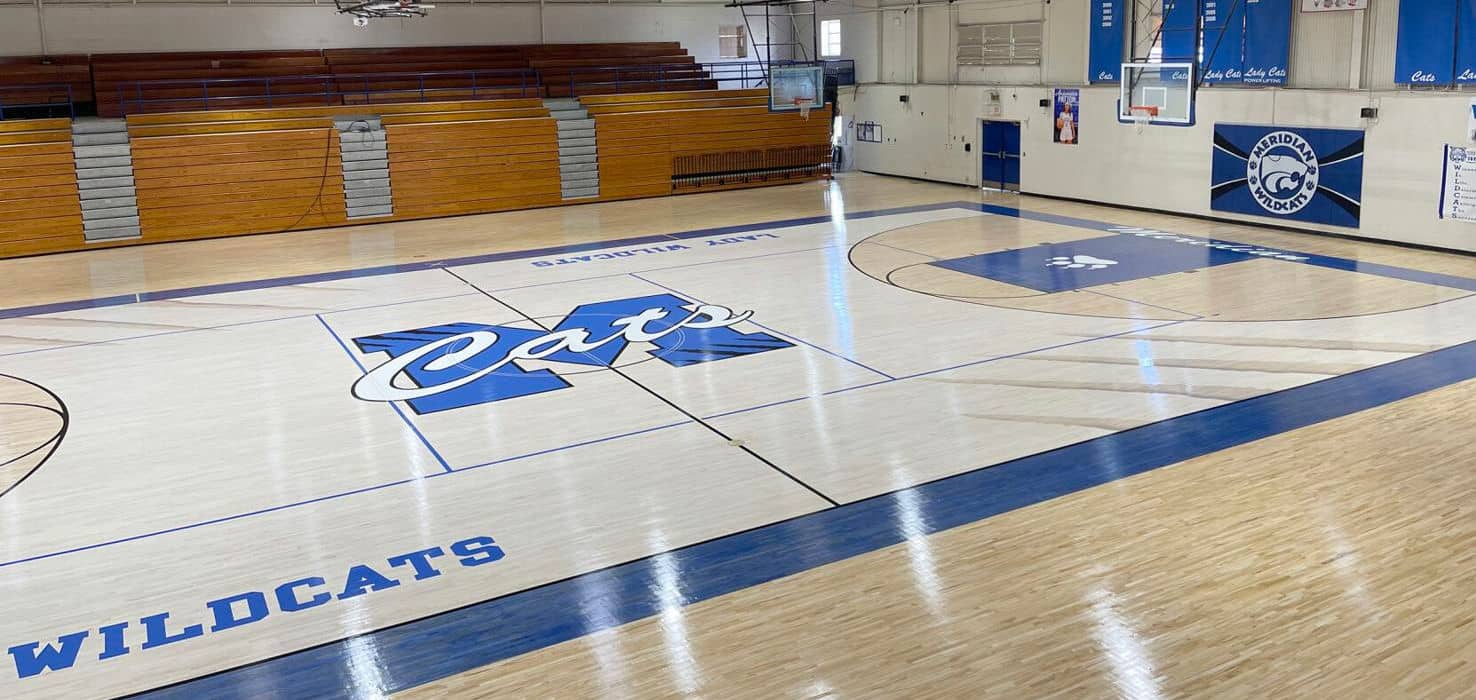
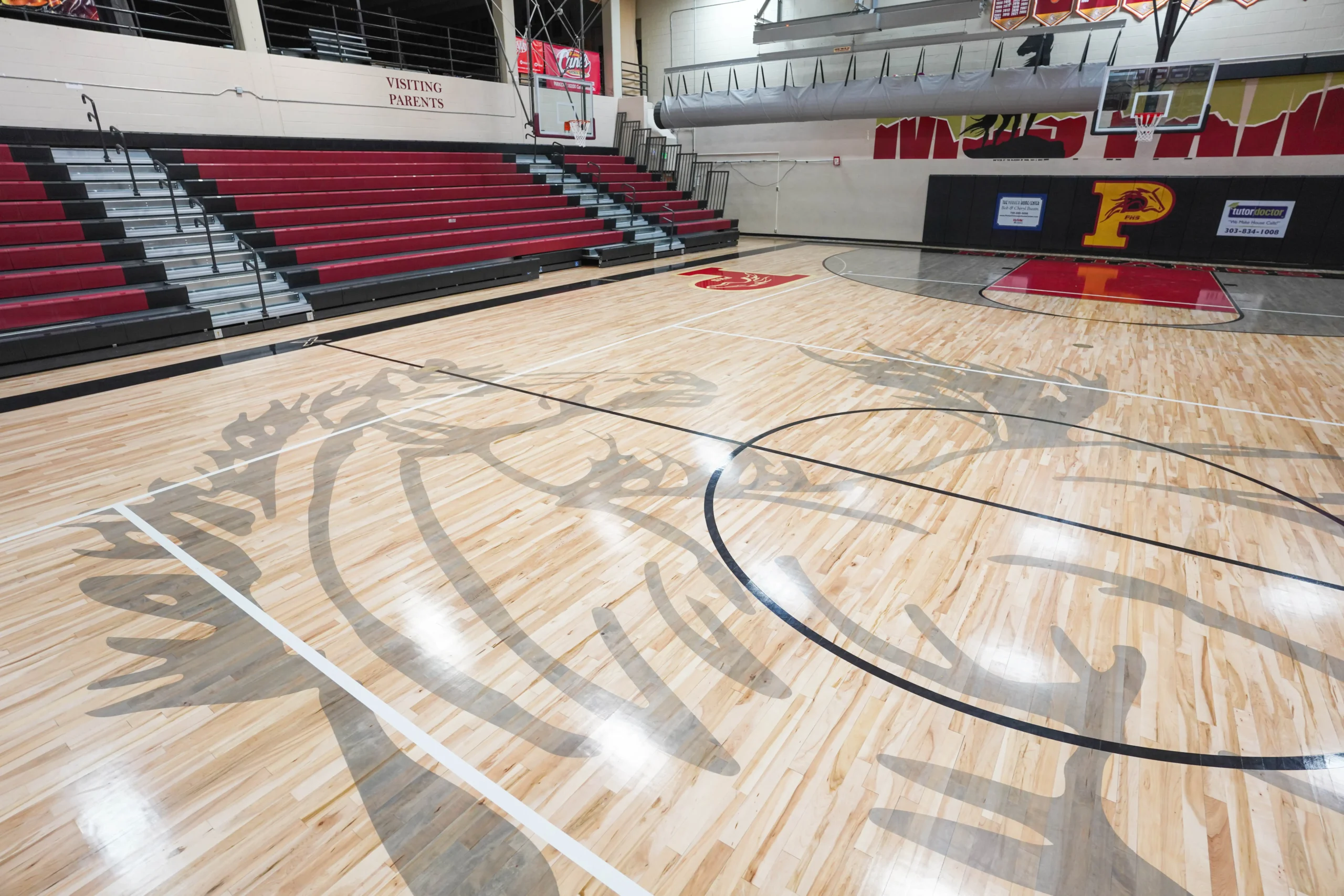
Wood flooring is often the go-to for sports like basketball and volleyball. It’s known for its durability and performance-enhancing qualities. The natural aesthetic of wood adds a touch of elegance to any gym. However, it requires regular maintenance to keep it looking pristine. Consider if the classic look and feel of wood align with your gym’s vibe.Rubber Flooring
Rubber flooring is popular for weight rooms and fitness centers. Its durability and shock absorption are perfect for high-impact activities. The ease of installation and maintenance make it a practical choice. Plus, it’s available in various colors and textures, allowing you to customize the look. Have you thought about how its resilience might benefit your space?Vinyl Flooring
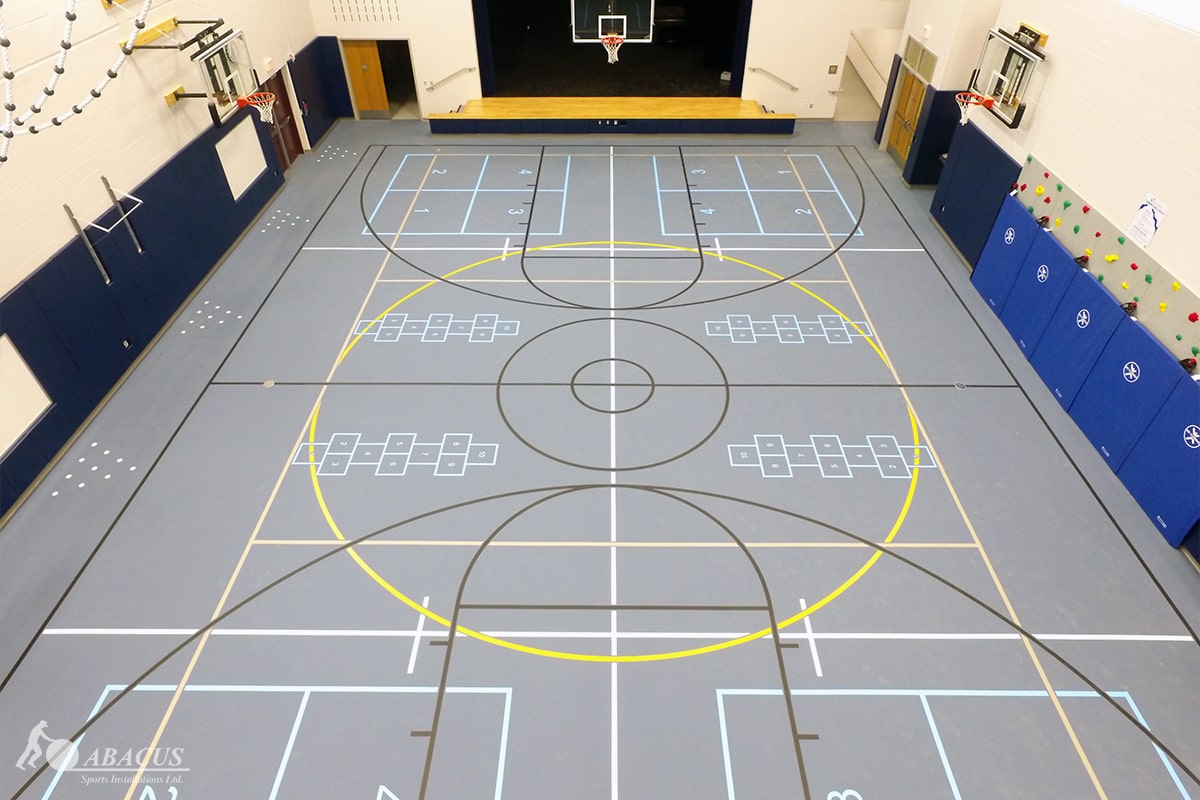
Vinyl flooring offers versatility and affordability. It’s resistant to moisture, making it ideal for areas where sweat and spills are common. With a range of styles, it can mimic wood or tile, providing aesthetic flexibility without breaking the bank. It’s worth considering if you’re looking for a cost-effective solution that doesn’t compromise on style.Foam Flooring
Foam flooring is perfect for areas requiring extra cushioning, like yoga or martial arts spaces. Its soft texture provides comfort and safety, reducing the risk of injury. Installation is straightforward, often using interlocking tiles for quick setup. If safety is a top priority, foam might be your best bet. How important is comfort in your gym design?Budgeting For Gym Floor Installation
Installing a new gym floor can cost between $3 and $12 per square foot. Material choice impacts the price significantly. Consider additional costs for preparation and installation services.
Budgeting for gym floor installation involves understanding various costs. A gym floor is a significant investment. Planning helps prevent unexpected expenses. Careful budgeting ensures you stay within financial limits.Cost Estimation
Estimating costs starts with measuring the gym’s size. Larger areas require more materials. Different flooring types vary in price. Rubber floors often cost more than vinyl. Installation fees can also differ. Professional installers charge based on complexity. Always ask for detailed quotes. Compare prices from different suppliers.Hidden Expenses
Some costs might surprise you. Delivery fees can add up quickly. Floor preparation might require additional work. Old flooring removal is often an extra charge. Maintenance costs should be considered. High-quality floors may reduce long-term expenses. Ensure warranty and service details are clear.Financing Options
Financing helps spread out payments. Many suppliers offer installment plans. Consider leasing if budgets are tight. Loans can ease initial financial pressure. Check interest rates before committing. Look for flexible payment options. Always read the terms carefully.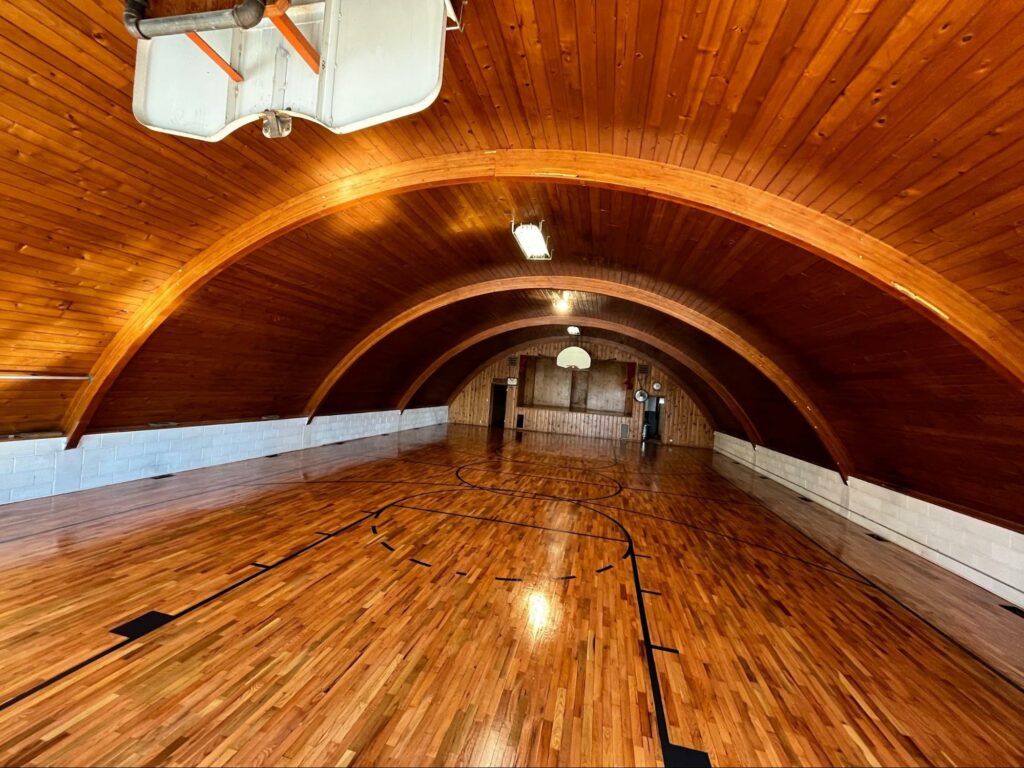
Credit: westernsportfloors.com
Comparing Costs: Commercial Vs. Home Gym
Choosing the right gym floor involves understanding cost differences. Commercial and home gyms have unique needs and price points. The cost often depends on specific factors. These factors include size, usage frequency, and durability requirements. Each aspect can significantly affect your budget.
Size Differences
Commercial gyms typically cover larger areas. They need more materials and labor, increasing costs. Home gyms usually occupy smaller spaces. This reduces material needs, making them more budget-friendly. Consider your gym’s size to estimate flooring expenses accurately.
Usage Frequency
Commercial gyms face high foot traffic daily. This constant use requires more robust flooring solutions. High-traffic areas might need frequent replacements, impacting costs. Home gyms have less frequent use. This means floors last longer, reducing long-term costs.
Durability Needs
Durability is crucial for gym floors. Commercial gyms demand high durability to withstand heavy equipment and frequent use. This need increases the initial investment. Home gyms might not require such heavy-duty materials. This can make them more cost-effective.
Cost-saving Tips For Gym Floors
When planning to install a new gym floor, budgeting can be a challenge. Fortunately, there are several cost-saving strategies to help you manage expenses without compromising quality. Whether you’re considering a DIY approach or selecting budget-friendly materials, these tips can make a significant difference. Let’s dive into how you can save money on your gym flooring.
Diy Installation
Installing the gym floor yourself can be a major cost saver. If you’re handy and have some experience with home projects, this can significantly reduce labor costs. You might be surprised at how much you can accomplish with a few friends and the right tools.
Consider renting equipment instead of buying it. This could be a more economical choice, especially if you don’t expect to use the tools regularly. The savings from DIY installation can be substantial, but ensure you understand the complexity of the project before diving in.
Choosing Affordable Materials
The choice of materials can greatly impact overall costs. While high-end options might be tempting, there are budget-friendly materials that offer durability and aesthetic appeal. Look into rubber or vinyl flooring, which are often cheaper alternatives to hardwood.
Check for discounts or deals on bulk purchases. Buying larger quantities might lower the price per square foot, saving you money in the long run. Also, consider reaching out to manufacturers directly for potential savings.
Long-term Maintenance Savings
Investing in low-maintenance materials can lead to significant savings over time. Flooring that requires less upkeep reduces the need for frequent repairs or replacements. Think about how much you might save with fewer maintenance hassles.
Regular cleaning and occasional professional inspections can prolong the lifespan of your gym floor. While maintenance may seem like an added expense, it ensures your floor remains in top shape, saving you money on major fixes.
Have you thought about how these strategies could apply to your gym project? Implementing just one cost-saving tip could make a big difference in your budget. Consider these practical ideas to keep your gym flooring project affordable and efficient.
Credit: brocllc.com
Where To Purchase Gym Flooring
Purchasing gym flooring can feel overwhelming. Yet, finding the right source simplifies this task. Consider various options based on your needs and budget. Explore local suppliers, online retailers, and wholesale options.
Local Suppliers
Local suppliers offer the chance to see flooring samples. Visit their showrooms to assess quality and texture firsthand. Many suppliers also provide installation services. This can save you time and effort. Local suppliers often have knowledgeable staff. They can guide you through the selection process.
Online Retailers
Online retailers provide a wide range of gym flooring choices. You can compare prices and styles easily. Many websites offer customer reviews. These reviews help in making informed decisions. Some online retailers provide free shipping or discounts. This can lower overall costs. Ensure you read return policies before purchasing.
Wholesale Options
Wholesale options are ideal for large gym projects. Buying in bulk often reduces the price per square foot. Wholesalers may offer custom orders to fit your gym’s needs. You might need a business license to purchase from some wholesalers. Check the requirements before you proceed. Wholesalers usually have a large inventory. This ensures you find the right product quickly.
Trends In Gym Flooring Costs
When planning to install a new gym floor, understanding the latest trends in gym flooring costs can help you make informed decisions. The market has evolved significantly, with a range of options catering to different needs and budgets. Let’s dive into what’s shaping the pricing landscape of gym flooring today.
Eco-friendly Options
Eco-friendly gym flooring options are gaining traction as more people prioritize sustainability. Materials like recycled rubber and bamboo are not only environmentally friendly but also durable. While these options can be slightly more expensive initially, they offer long-term savings through durability and reduced maintenance costs.
Imagine walking into a gym where the flooring feels good underfoot, knowing it hasn’t harmed the planet. Wouldn’t that add an extra layer of motivation to your workout?
Technological Innovations
Innovations in technology have brought smart gym floors to the forefront. These floors can track activity, provide interactive feedback, and even adjust their cushioning levels. Such advanced features might come at a premium price, but they offer unique benefits like injury prevention and enhanced performance tracking.
If you’re a tech enthusiast, investing in a smart gym floor could transform your workout experience. Wouldn’t it be fascinating to have a floor that interacts with you?
Market Demand
Market demand plays a crucial role in determining gym flooring costs. High demand for certain materials or designs can drive up prices. Conversely, when new materials are introduced and gain popularity, they can offer competitive pricing.
Have you ever noticed how trendy designs seem to cost more? It’s all about supply and demand dynamics. Understanding these trends can help you choose a floor that fits your budget without compromising on style or quality.
Credit: www.abacussports.com
Frequently Asked Questions
How Much Does It Cost To Redo A Gym Floor?
Redoing a gym floor typically costs between $3 to $10 per square foot. Factors affecting cost include material choice, labor, and gym size. Hardwood floors tend to be more expensive compared to vinyl or rubber options. Always get multiple quotes to ensure competitive pricing and quality service.
How Much Does It Cost To Build A Gym Floor?
The cost to build a gym floor typically ranges from $3 to $8 per square foot. Factors like materials, design, and labor impact the total price. High-end flooring options may increase expenses. Always consider maintenance and durability when selecting materials for long-term savings.
How Much Does It Cost To Replace An Entire Floor?
Replacing an entire floor costs $1,500 to $10,000, depending on materials, labor, and room size. Hardwood floors typically cost more, while vinyl or laminate options are cheaper. Hiring experienced professionals ensures quality installation and can affect the overall cost. Always get multiple quotes to compare prices.
How Much Does A New Basketball Gym Floor Cost?
A new basketball gym floor typically costs between $50,000 and $100,000. Price varies based on material and size. Hardwood floors are more expensive but durable. Installation costs can add to the total expense. Always consider maintenance and long-term investment benefits when budgeting.
Conclusion
Estimating gym floor costs involves several factors. Material choice matters most. Wood, rubber, or vinyl each have unique prices. Installation fees vary too. Professional service adds to the total. Maintenance costs should be considered. Quality often requires investment. Budget carefully to avoid surprises.
Research local suppliers for competitive rates. Compare options for best deals. A well-planned budget leads to satisfactory results. New gym floors enhance safety and performance. They create an inviting space for workouts. Evaluate your needs and make informed choices. A wise decision ensures long-term satisfaction.