Are you wondering if your gym membership could lighten your tax load? You’re not alone.
Many people are curious whether they can transform their fitness expenses into tax deductions. Imagine the satisfaction of knowing that your commitment to staying healthy could also be financially rewarding. But how does it work, and are you eligible? Understanding the intricate dance between tax laws and personal expenses can be daunting.
But don’t worry, we’re about to break it down for you. Stick around to discover if your trips to the gym can indeed provide a beneficial boost to your tax return. This could be the financial insight you’ve been waiting for.
Tax Deductible Expenses
Understanding tax deductible expenses can save you money. These expenses lower your taxable income. This means you pay less in taxes. Knowing what you can deduct is crucial.
What Are Tax Deductible Expenses?
Tax deductible expenses are costs you can subtract from your gross income. This reduces your total taxable income. Common deductions include mortgage interest and medical expenses. But not all expenses qualify.
Can Gym Memberships Be Tax Deductible?
Generally, gym memberships are not tax deductible. They are considered personal expenses. Yet, there are exceptions. If prescribed by a doctor for a medical condition, it may qualify.
Medical Expenses And Gym Deductions
Some gym costs can be medical expenses. This applies if your doctor prescribes it for a health condition. For example, obesity or hypertension. Keep all receipts and doctor’s notes.
Business-related Gym Deductions
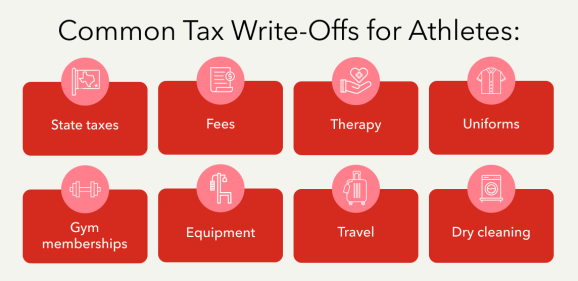
In rare cases, a gym membership can be a business expense. This is true for jobs requiring a certain fitness level. Think of personal trainers or professional athletes. Ensure you have documentation to support this.
How To Claim A Gym Deduction
To claim gym deductions, itemize your tax return. Use Schedule A for medical expenses. Ensure all documentation is accurate and complete. This will help avoid issues with the IRS.

Credit: www.simplimd.com
Personal Vs Business Expenses
Determining the deductibility of gym memberships hinges on their business relevance. Personal expenses typically aren’t deductible. Only if a gym membership is essential for your profession or business can it be considered a business expense and potentially written off on taxes.
Understanding the distinction between personal and business expenses is crucial when it comes to tax deductions. This differentiation can significantly impact your tax return and potential savings. While gym memberships primarily fall under personal expenses, there are specific scenarios where they might be considered business-related.Personal Expenses
Gym memberships are typically regarded as personal expenses. They contribute to your overall health and wellness, which is not directly linked to your job performance or business operations. Since the IRS usually doesn’t allow deductions for personal health, claiming a gym membership as a tax write-off might not fly unless there’s a clear business justification.Business Expenses
Can a gym membership ever qualify as a business expense? Yes, but under very specific circumstances. If you’re in a profession where your physical fitness is directly tied to your job performance or business success, you might have a case. For example, personal trainers or fitness influencers might argue that their gym membership is a necessary business expense. This classification requires compelling evidence that the membership is essential for business activities, not just personal benefit.Combining Personal And Business Use
What if your gym membership serves both personal and business purposes? This scenario can get tricky, but it’s worth exploring. You might be able to allocate a portion of the membership cost as a business expense if you can demonstrate the split in usage. Documenting how much time is spent on business-related activities versus personal use can be key here.Keep Accurate Records
Whatever path you choose, maintaining detailed records is vital. Proper documentation can make or break your claim in the eyes of the IRS. Receipts, logs of gym visits, and notes on business activities performed can support your case. Ask yourself: Is the effort of tracking and justifying worth the potential tax benefit?Consult A Tax Professional
Given the complexity of tax laws, consulting a tax professional can provide clarity. They can offer tailored advice based on your specific situation and ensure compliance with IRS regulations. A tax advisor might uncover other deductions or strategies that benefit your financial health. Wouldn’t it be reassuring to have expert guidance when navigating the tricky waters of tax deductions?Medical Expense Deductions
Medical expense deductions can help reduce your taxable income. These deductions cover various health-related costs, including treatments and equipment. But can gym memberships qualify? The answer lies in specific circumstances and documentation. Let’s explore how gym memberships might fit into medical expense deductions.
Qualifying Medical Conditions
Gym memberships may be deductible if prescribed for specific medical conditions. Not every gym membership qualifies; it must be medically necessary. Conditions like obesity or cardiovascular disease might require exercise as treatment. Your doctor must document this necessity for tax purposes.
Documentation Required
Proper documentation is crucial for claiming gym memberships as a deduction. Obtain a written prescription from your healthcare provider. This should specify the need for exercise to treat your condition. Keep records of payments made for the gym membership. Ensure receipts and invoices are organized and available for tax filing.
Without proper documentation, your deduction claim might be rejected. Always consult a tax professional to understand specific requirements. They can guide you through the process, ensuring compliance with tax regulations.
Business Use And Gym Membership
Have you ever wondered if your gym membership could actually be a deductible business expense? It might sound too good to be true, but in certain situations, it just might be possible. Let’s dive into the specifics of how gym memberships could potentially fit into business use, starting with those who are self-employed and then moving on to employee benefits.
Self-employed Individuals
If you are self-employed, you have the flexibility to claim a wider range of deductions. However, there are strict guidelines to follow. Your gym membership must be directly related to your business for it to be deductible.
Consider a personal trainer who needs to maintain physical fitness as part of their service offering. In this scenario, the gym membership could be seen as a necessary business expense. But, would the same rule apply to a freelance writer? Likely not, unless they are writing a fitness column.
Ask yourself, “Does this expense directly contribute to my ability to generate income?” If the answer is yes, keep detailed records and consult a tax professional to ensure compliance.
Employee Benefits
For employees, writing off a gym membership isn’t straightforward. However, some companies offer gym memberships as part of their employee benefits package. In these cases, the employer can deduct the expense, not the employee.
Employers often provide gym memberships to promote employee wellness, which can lead to increased productivity and reduced healthcare costs. If your employer offers this perk, it’s a win-win for both parties.
Is your company considering adding gym memberships to their benefits? It’s worth discussing with your HR department. It not only boosts morale but also could result in healthier and happier employees.
Understanding these nuances can help you identify opportunities for tax savings or encourage conversations with your employer about potential benefits. Always remember to consult with a tax professional to understand your specific situation better.
Legal Limitations
Understanding the legal limitations of writing off gym memberships on your taxes is crucial before you consider adding it to your deductions. While the idea of reducing your taxable income through gym expenses might sound appealing, the reality is that there are strict guidelines governing this deduction. Let’s explore the specifics and clear up some common misconceptions.
Irs Regulations
The IRS doesn’t typically allow individuals to deduct gym memberships as a personal expense on their taxes. The rationale is simple: gym memberships are considered personal expenses related to maintaining your general health, rather than a business or medical necessity. However, there are exceptions if you can prove it’s vital for a diagnosed medical condition.
For instance, if your doctor prescribes a fitness regimen as part of a treatment plan for a specific illness or injury, you might qualify for deductions under medical expenses. But remember, these deductions are subject to strict criteria and must be documented thoroughly. Are you prepared to demonstrate the medical necessity of your gym membership?
Common Misconceptions
Many people mistakenly believe that because gym memberships promote health, they automatically qualify for tax deductions. This assumption is incorrect and can lead to trouble with the IRS. It’s crucial to differentiate between general health expenses and medically necessary treatments.
Another misconception is that business owners can deduct gym memberships as a business expense. Unless the membership is explicitly tied to a business necessity, like maintaining physical standards for certain professions, it’s not deductible. Have you ever considered how your gym expenses might be viewed by the IRS?
In the realm of taxes, it’s easy to blur the lines between personal and professional expenses. Always ensure you have a clear understanding of what’s allowable to avoid unexpected surprises during tax season.
Record-keeping Tips
When pondering whether you can write off your gym membership on your taxes, meticulous record-keeping becomes essential. Understanding the nuances of tracking your expenses and organizing receipts could be your key to maximizing deductions. Let’s dive into some practical tips to ensure your fitness endeavors are financially rewarding.
Tracking Expenses
Start by creating a dedicated spreadsheet or using apps designed for expense tracking. This will help you monitor each payment made towards your gym membership.
Consistency is crucial. Update your records regularly to reflect monthly or annual payments. This ensures you have an accurate account of your expenses come tax season.
Consider categorizing your expenses. Is your gym membership related to a medical condition or necessary for a specific profession? Identifying the purpose can be beneficial for potential deductions.
Organizing Receipts
Receipts are your proof of purchase, so keeping them organized is a must. Use digital tools to scan and store copies of all your gym-related receipts.
Establish a filing system—whether digital or physical—that allows easy retrieval. Tagging receipts with relevant keywords such as “gym membership” or “fitness expenses” can streamline this process.
Regularly review your receipts to ensure they are intact and legible. If you notice fading or damage, make a digital copy immediately to prevent loss of information.
Engage in this practice throughout the year, not just when tax time rolls around. You’ll thank yourself when deductions become easier to claim.
Consulting Tax Professionals
Understanding tax deductions can be tricky. Many wonder if they can write off gym memberships. Consulting tax professionals can offer clarity. They provide insights tailored to individual circumstances.
Benefits Of Expert Advice
Tax professionals understand the tax code deeply. Their expertise can identify potential deductions. You gain peace of mind knowing your taxes are accurate. They can help you avoid common mistakes. This saves time and reduces stress during tax season.
Finding The Right Advisor
Selecting a tax advisor is crucial. Look for someone with experience in your field. Check their credentials and past client reviews. A good advisor listens and communicates clearly. They should explain complex terms in simple language. Ensure their fee structure is transparent.

Credit: relayfi.com
Credit: blog.turbotax.intuit.com
Frequently Asked Questions
Can A Gym Membership Be Written Off On Taxes?
Gym memberships are generally not tax-deductible. Exceptions include if used for medical reasons prescribed by a doctor. Always consult a tax professional for accurate guidance regarding your specific situation.
Can I Claim My Gym Fees?
Gym fees are typically not tax-deductible for individuals. Exceptions may apply for specific business expenses or medical prescriptions. Consult a tax professional for guidance on your situation.
What Memberships Are Tax Deductible?
Certain professional memberships and union dues are tax deductible if related to your work. Verify if the membership is necessary for your job and meets IRS guidelines. Always consult a tax professional to ensure eligibility and compliance with current tax laws.
Is Gym Membership Tax Deductible?
Gym memberships are generally not tax deductible for most individuals. However, if you use the gym for a business purpose, like fitness training for professional athletes, you may qualify for deductions. Always consult a tax professional to understand specific eligibility criteria.
Conclusion
Deciding on writing off gym memberships requires careful consideration. Tax laws can be complex. Check if your gym expenses qualify as a business deduction. Consult with a tax professional for guidance. This ensures you make informed decisions. Remember, gym memberships often don’t qualify for personal tax deductions.
But, exceptions exist for specific professions or conditions. Keep all related documents organized. This helps if you need to prove your claim. Always stay updated on tax regulations. This helps in avoiding potential issues. Understanding these rules keeps you compliant and informed.