Have you ever wondered how much time you should actually spend at the gym? You’re not alone.
Many people ask themselves this question, hoping to find the sweet spot between enough exercise and overdoing it. Whether you’re a fitness newbie or a seasoned gym-goer, knowing the right amount of time to invest in your workouts can make all the difference in achieving your goals.
Imagine maximizing your results, feeling more energetic, and avoiding burnout—all by simply managing your gym time effectively. Intrigued? Let’s dive into the details and discover the perfect gym duration for you.
Optimal Gym Time
Finding the optimal gym time can be a game-changer in your fitness journey. It’s not just about how long you spend at the gym, but how effectively you use your time. Striking the right balance between duration and intensity can help you make the most of each workout, ensuring you achieve your fitness goals without burning out.
Balancing Duration And Intensity
It’s easy to think that spending hours at the gym is the key to success. However, the reality is that a shorter, more intense workout can often be more beneficial. Think about the last time you pushed yourself in a short session. You likely felt more accomplished and energized than after a long, drawn-out workout.
Consider workouts like high-intensity interval training (HIIT), which pack a punch in just 30 minutes. These sessions are designed to maximize your time and effort, giving you the best results in the shortest amount of time. Are you optimizing your time, or just going through the motions?
Quality Over Quantity
Spending hours at the gym doesn’t guarantee better results. What’s important is the quality of your workout. How many times have you seen people at the gym looking at their phones or chatting instead of focusing on their routines?
Quality workouts mean being present and mindful about each exercise. Focus on form, breathing, and muscle engagement to make each rep count. You might surprise yourself with how effective a focused 45-minute workout can be compared to a lackluster two-hour session.
Remember, your body responds to the effort you put in, not just the time spent. Would you rather have a powerful, efficient workout or a long, uneventful one?
Setting Fitness Goals
Setting fitness goals is like mapping out a journey. It’s crucial to know where you’re headed and how long it might take to get there. Without clear goals, your time at the gym can feel aimless, making it harder to stay motivated. So, how do you create effective fitness goals that keep you engaged and excited?
Personalized Objectives
Your fitness goals should be unique to you. Think about what you truly want to achieve. Is it losing weight, building muscle, or improving endurance? Tailor your objectives to match your personal desires and current fitness level. A friend might thrive on intense cardio, but if weight training is your passion, focus on that.
Consider setting both short-term and long-term goals. Short-term goals help maintain momentum, while long-term goals offer a vision of what you can achieve. Imagine the satisfaction of hitting your target weight after weeks of dedication.
Tracking Progress
Tracking your progress is essential for staying motivated and adjusting your routine. Whether you prefer apps, journals, or spreadsheets, find a method that suits you. Recording your workouts, measurements, and achievements can illuminate your path and highlight your improvements.
Celebrate small victories to keep your spirits high. Every increase in weight lifted or mile run is a step forward. If you find yourself plateauing, revisit your goals and tweak your strategies. Are there exercises you enjoy more than others? Focus on those to reignite your enthusiasm.
What is your favorite way to track progress? Share your methods with friends or online communities to exchange tips and encouragement.
Effective Workout Plans
Crafting an effective workout plan can transform your gym experience. It balances strength, cardio, and rest. This helps you make the most of your time. Finding the right mix is key. It boosts your energy and fitness levels. Let’s explore the essentials of a good workout plan.
Strength Training Essentials
Strength training builds muscle and burns calories. It includes exercises like squats and push-ups. These target different muscle groups. Use weights for added resistance. This increases muscle growth. Aim for two to three sessions weekly. Keep workouts short and intense. Rest between sets for recovery.
Cardiovascular Workouts
Cardio keeps your heart healthy and improves endurance. Activities like running and cycling work well. Choose exercises you enjoy. This makes staying consistent easier. Aim for at least 150 minutes weekly. Mix steady-paced and high-intensity workouts. This boosts heart rate and burns fat. Find a rhythm that suits you. Consistency is key for results.
Incorporating Rest Days
Balancing gym time with rest days is crucial for muscle recovery and growth. It prevents burnout and reduces injury risks. Listen to your body and enjoy a day off to recharge.
Incorporating rest days into your gym routine can be the secret ingredient for better results and a healthier lifestyle. You might think more gym time equals quicker gains, but the truth is, your muscles need time to recover. Rest days are not just a luxury—they’re a necessity for achieving your fitness goals.Importance Of Recovery
Giving your body a break is crucial for muscle recovery and growth. When you lift weights or engage in high-intensity workouts, you create tiny tears in your muscle fibers. Rest days allow these fibers to repair and grow stronger. Ignoring rest can lead to fatigue, injuries, and burnout. Have you ever found yourself dragging through a workout, unable to lift what you usually can? Your body might be begging for a day off. Scheduling rest days can also improve your mental health. Taking time away from the gym can reduce stress and anxiety, helping you return stronger and more focused.Avoiding Overtraining
Overtraining can sabotage your progress and lead to setbacks. It’s tempting to push yourself, but more isn’t always better. Your body needs time to adapt to the stress of workouts. Signs of overtraining include persistent fatigue, irritability, and decreased performance. If your usual routine feels harder than before, consider adding an extra rest day. Think about quality over quantity. A well-rested body performs better, so prioritize effective workouts over endless hours at the gym. Aim for balance and listen to your body’s signals. How often do you give yourself the gift of rest?Time Management Strategies
Finding the right time management strategies can transform your gym routine from chaotic to efficient. Whether you’re a gym newbie or a seasoned athlete, knowing how to allocate your time wisely can make a significant difference. Let’s dive into some practical tactics that ensure you make the most of every minute at the gym.
Planning Your Gym Schedule
Start by identifying the best time for you to hit the gym. Is it early in the morning or late in the evening? Consider your daily energy peaks and schedule workouts when you’re most alert.
Once you pick a time, stick to it. Consistency helps build a habit. Use calendar apps to set reminders and block out gym time as if it were a critical meeting.
Think about the classes or equipment you want to use. Check the gym schedule and avoid peak hours to save time waiting for machines.
Efficient Use Of Gym Time
Set clear goals for each session. Are you focusing on cardio, strength, or flexibility today? Knowing your objective will streamline your workout.
Mix up your routine to avoid wasting time. Circuit training combines different exercises and minimizes downtime. You’ll keep your heart rate up and maximize calorie burn.
Consider using workout apps or videos as guides. These can provide structure and ensure you’re not just wandering from one machine to another.
Finally, minimize distractions. Keep your phone on silent and resist the urge to scroll through social media. Your gym time is for you—make it count.
Have you ever found yourself spending more time chatting than lifting? Stay focused on your goals to maintain gym efficiency. What strategies do you employ to keep your gym sessions effective?
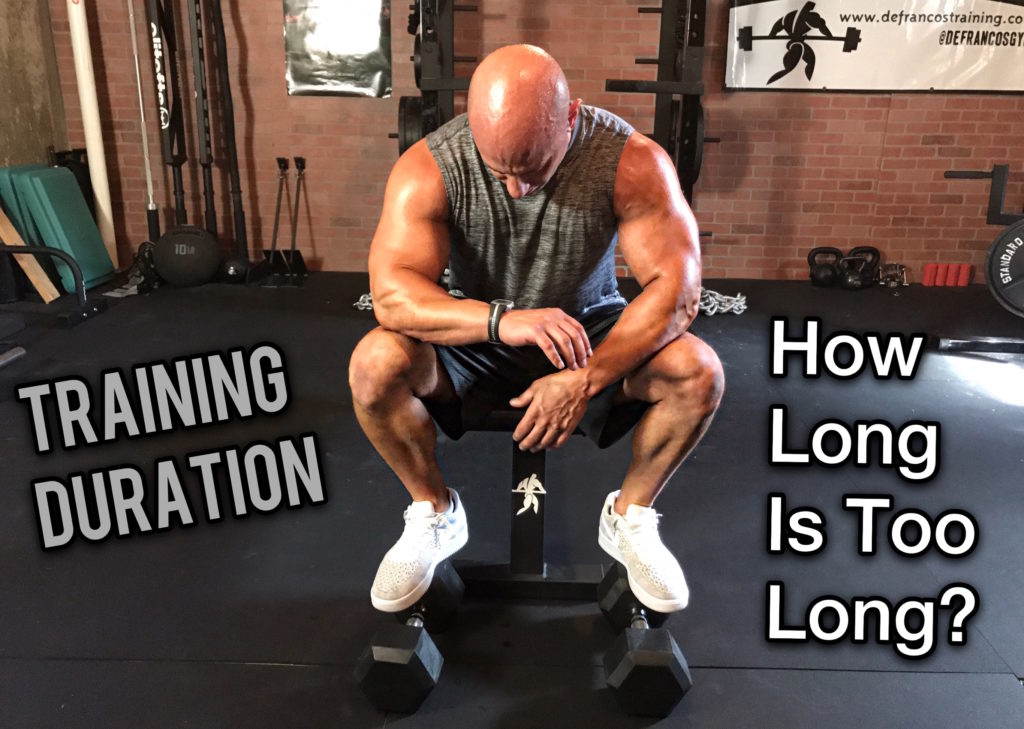
Credit: www.defrancostraining.com
Utilizing Technology
In today’s digital age, technology has become an integral part of our fitness journey, helping us optimize our gym time. Whether you’re aiming to track your progress or find new workout routines, technology offers tools that can enhance your experience. But how can you make the most out of these technological advancements?
Fitness Apps And Trackers
Fitness apps and trackers have revolutionized the way we approach workouts. They allow you to monitor your heart rate, calories burned, and even your sleep patterns. Imagine being able to review your workout stats instantly—it’s like having a personal trainer in your pocket. Have you ever wondered how much progress you’ve made in the past month? These apps provide insights that can be a game-changer for staying motivated and adjusting your routine.
Consider using apps like MyFitnessPal for nutrition guidance or Strava for tracking your runs and cycling sessions. For those who thrive on competition, apps like Fitbit offer community challenges that can push you to new limits. Is there a specific goal you’re aiming for? With the plethora of apps available, you’re bound to find one that fits your needs and helps you achieve your targets.
Online Resources
Online resources have opened up a world of knowledge at our fingertips. From YouTube workout tutorials to professional blogs, there’s no shortage of information to help you make the most of your gym time. Have you ever felt stuck in a workout rut? A quick search can introduce you to new exercises and techniques that keep things fresh and exciting.
- Websites like Bodybuilding.com offer detailed workout plans and nutrition tips.
- YouTube channels such as FitnessBlender provide free video workouts for all levels.
- Online forums can be a great place to share experiences and gain insights from fellow fitness enthusiasts.
Don’t underestimate the power of community. Engaging with online platforms can provide a sense of camaraderie and support, which is especially beneficial if you find gym sessions solitary. Are there online communities you can join to enhance your fitness journey?
Finding Motivation
Finding motivation to spend time at the gym can be challenging. Many people struggle to maintain consistency. The key lies in understanding what drives you. This section explores strategies to ignite and sustain motivation.
Overcoming Gym Fatigue
Gym fatigue is common but can be overcome. Recognize signs like exhaustion or lack of enthusiasm. Shorten workouts or change routines to keep interest alive. Incorporate fun activities like dance or sports. Mix cardio with strength training to vary intensity and avoid boredom.
Rest is crucial. Ensure adequate sleep and rest days. Listen to your body. Hydrate and nourish with balanced meals. Energy levels will improve. Motivation will follow.
Building A Support System
A strong support system boosts motivation. Connect with friends who share fitness goals. Workout buddies keep you accountable. Share progress and challenges. Celebrate achievements together. Join fitness classes or groups. Community support encourages perseverance.
Online forums and social media can offer inspiration. Follow fitness influencers for tips and encouragement. Share your journey. Feedback and support from others can keep you motivated.

Credit: www.instagram.com
Credit: www.facebook.com
Frequently Asked Questions
What Is The 3-3-3 Rule In The Gym?
The 3-3-3 rule in the gym involves three sets of three exercises, performed three times a week. This approach helps build muscle, increase strength, and improve overall fitness efficiently. Each session targets different muscle groups, ensuring balanced development and preventing workout monotony.
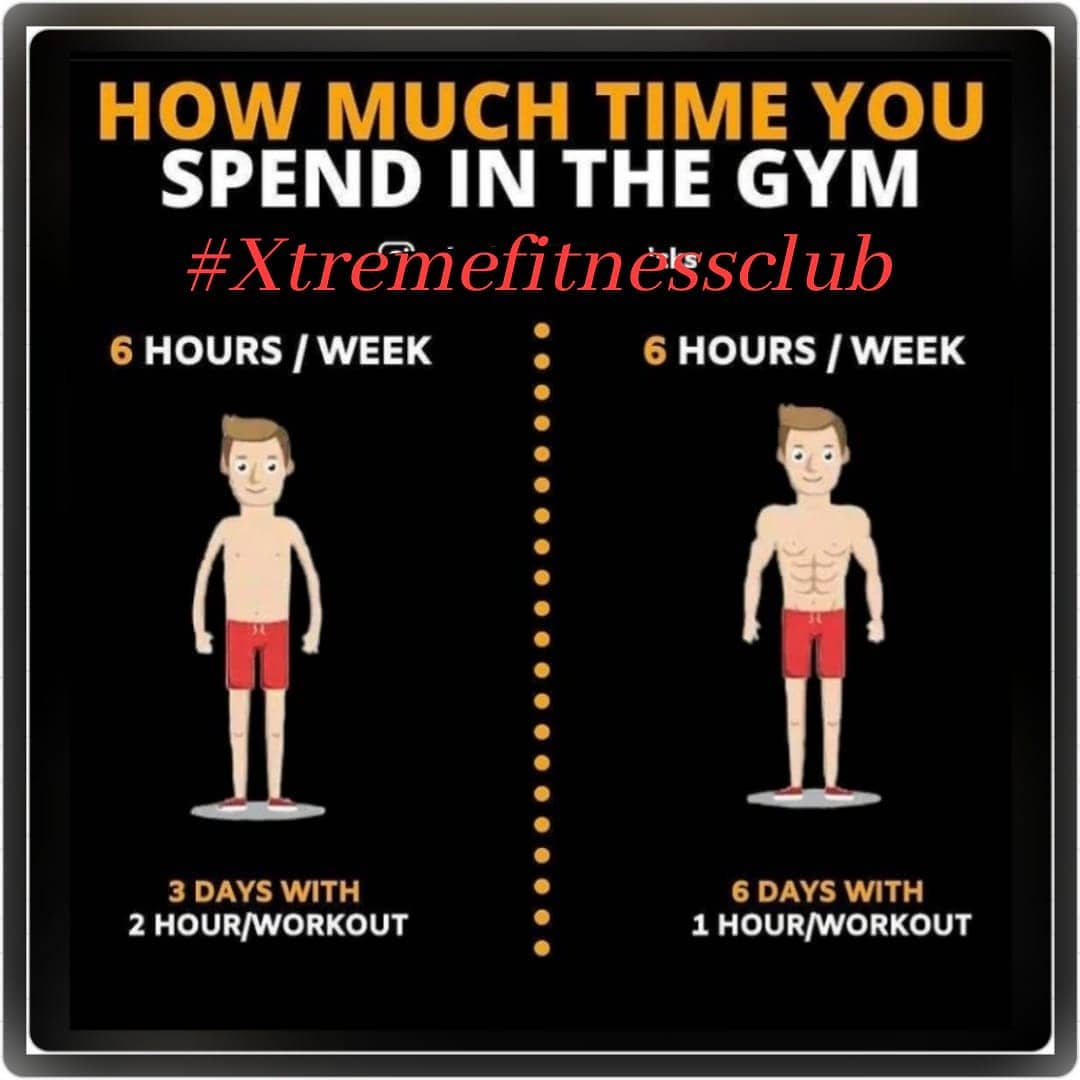
Is 2 Hours In The Gym Too Much?
Two hours at the gym might be excessive for beginners. Tailor workouts to your fitness level and goals. Prioritize quality over quantity and ensure proper rest and nutrition. Listen to your body and adjust accordingly. Consult a fitness professional for personalized advice.
How Long Should I Stay At A Gym?
Stay at the gym for 45 minutes to an hour. This duration balances effective workouts and prevents fatigue. Adjust based on personal fitness goals and energy levels. Consistency is key for progress.
Is 1 Hour At The Gym Enough?
Yes, 1 hour at the gym can be enough. It depends on your fitness goals and workout intensity. Focus on a balanced routine, including strength, cardio, and flexibility exercises. Consistency and proper technique are crucial for effective results. Listen to your body and adjust your workout as needed.
Conclusion
Finding the right gym time depends on your goals. Some prefer short, intense sessions. Others enjoy longer, steady workouts. Consistency matters most. Listen to your body. Adjust your routine as needed. Rest is important too. Avoid overtraining. Stay hydrated and eat well.
Each person is different. Discover what works best for you. Track your progress. Celebrate small victories. Keep a balanced approach. Exercise should be enjoyable, not a chore. Make it part of your lifestyle. Stay motivated and focused. Enjoy the journey to better health.