Have you ever wondered how some people achieve remarkable weight loss transformations and maintain their results? The secret often lies in the bariatric diet.
If you’re curious about what exactly a bariatric diet is and how it can impact your life, you’re in the right place. Imagine being able to enjoy meals that not only support your weight loss goals but also nourish your body in the best possible way.
This isn’t just another fad diet; it’s a tailored nutritional plan designed to meet your unique needs and help you lead a healthier lifestyle. Keep reading to discover how the bariatric diet could be the key to unlocking your health potential and transforming your relationship with food.
Credit: surgery.wustl.edu
Bariatric Surgery Basics
Bariatric surgery offers a path to weight loss for many individuals. It’s not a magic solution, but a tool that helps reduce weight. This surgery involves altering the digestive system to limit food intake. Patients need to understand its importance and effects. Preparing for bariatric surgery requires specific diets and lifestyle changes.
Understanding bariatric surgery is crucial for those considering it. It requires medical guidance and a commitment to health changes. This surgery helps in reducing weight-related health issues. Proper knowledge ensures safer outcomes and long-term success. Let’s explore key aspects of the surgery.
What Happens During Bariatric Surgery?
During bariatric surgery, the stomach size is reduced. Surgeons make the stomach smaller to limit food intake. This change helps patients feel full with less food. It assists in weight loss by altering digestion. Different types of bariatric surgeries exist, such as gastric bypass and sleeve gastrectomy.
Why Is Bariatric Surgery Important?
Bariatric surgery is vital for managing obesity. It reduces health risks associated with being overweight. Conditions like diabetes and heart disease improve after surgery. Patients experience better health and increased energy. Weight loss boosts confidence and quality of life.
Preparing For Bariatric Surgery
Preparation involves a specialized bariatric diet. Patients follow strict dietary guidelines before surgery. This diet reduces complications and aids recovery. It includes high protein and low carbohydrate foods. Preparing mentally and physically is also essential. Support from family and professionals is beneficial.
Credit: www.stmaryshealthcaresystem.org
Purpose Of The Bariatric Diet
The bariatric diet plays a crucial role in weight loss surgery. It supports the body’s transition before and after surgery. This diet helps in healing, weight loss, and maintaining nutrition.
It’s not just about eating less. It’s about eating smart. The diet ensures you get vital nutrients while shedding pounds.
Understanding Nutritional Needs
Nutritional needs change after bariatric surgery. The body absorbs fewer nutrients. The diet compensates for this loss. It provides essential vitamins and minerals.
Ensuring Safe Weight Loss
Rapid weight loss can harm the body. The bariatric diet manages weight loss safely. It balances calorie intake with nutritional needs.
Promoting Healing And Recovery
After surgery, healing is vital. The diet aids recovery. It provides the nutrients needed for tissue repair and energy.
Facilitating Long-term Weight Management
Weight management is a lifelong journey. The diet teaches healthy eating habits. It reduces the risk of regaining weight.
Pre-surgery Dietary Changes
Preparing for bariatric surgery involves important dietary changes. These changes help your body adjust and prepare for the surgery. A well-planned diet can improve surgical outcomes and recovery.
Nutritional Assessments
Before surgery, a nutritional assessment is essential. It evaluates your current eating habits. Understanding what you eat helps tailor your diet plan. Dieticians assess vitamin levels and food intake. They look for deficiencies to address. This assessment guides necessary dietary adjustments. It sets a foundation for healthy eating post-surgery.
Liquid Diet Requirements
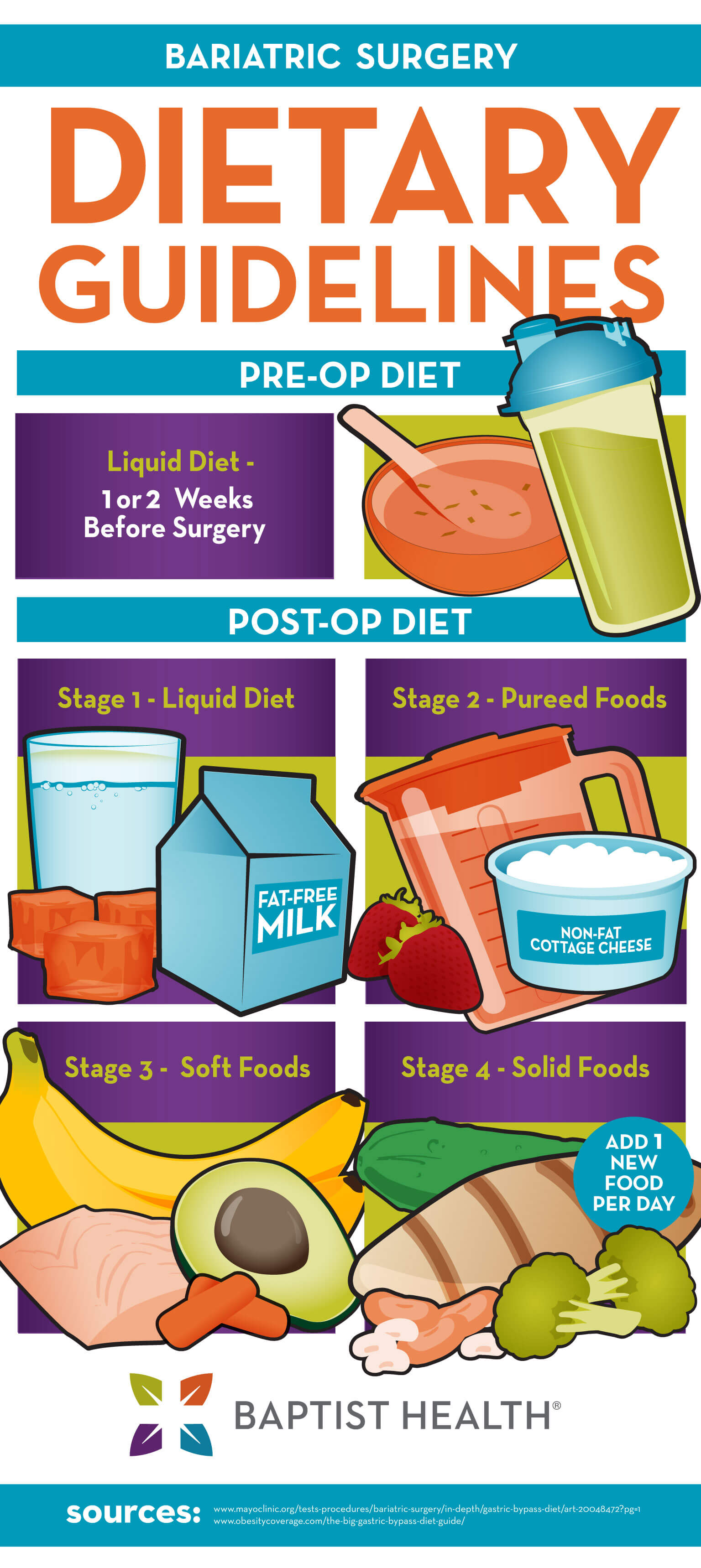
The pre-surgery phase often includes a liquid diet. This diet helps shrink the liver, making surgery safer. It usually consists of protein shakes and clear liquids. Limiting solid food intake is crucial. Following liquid diet guidelines ensures your body is ready for surgery. This diet requires discipline but benefits health.
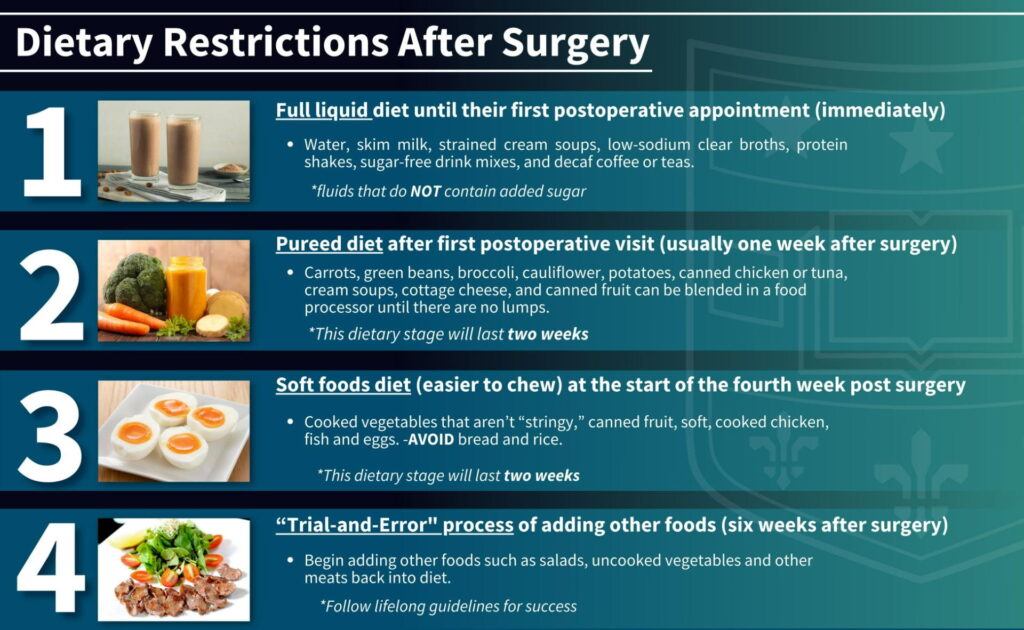
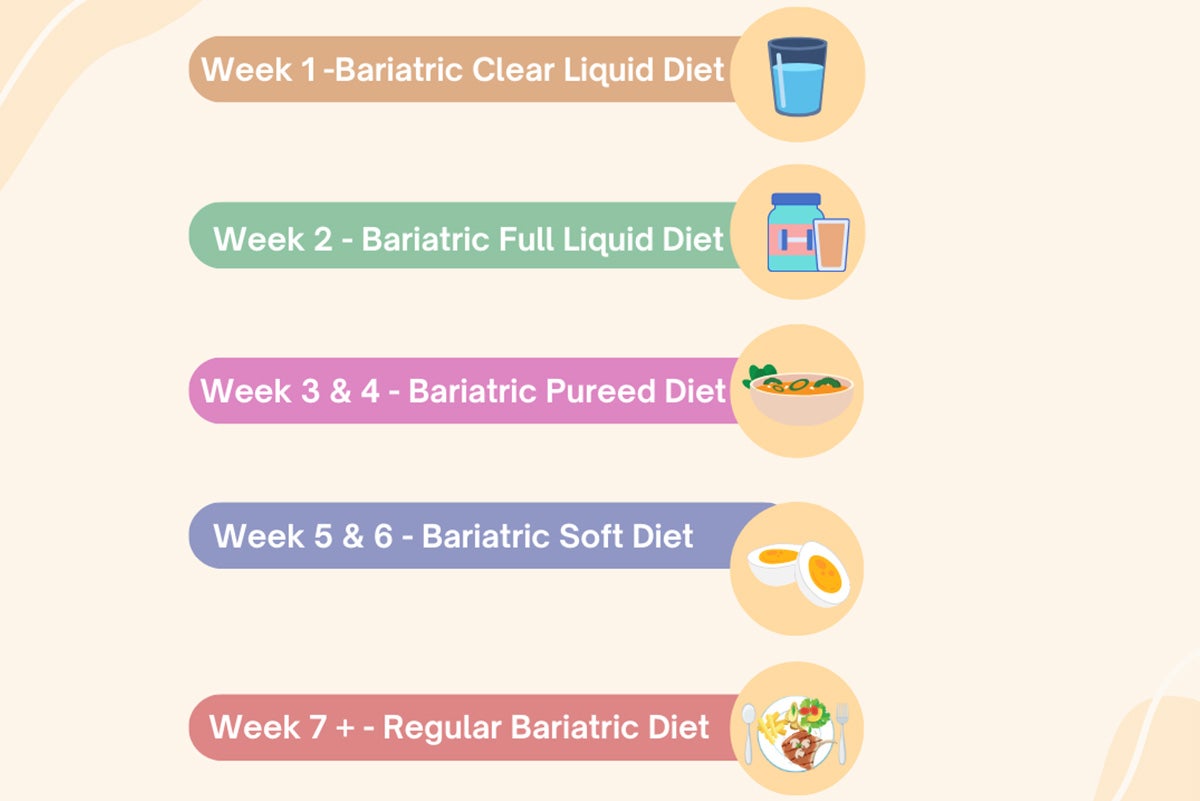
Post-surgery Diet Stages
Embarking on a bariatric journey is a life-changing decision, and understanding the post-surgery diet stages is crucial for your success. These stages are meticulously designed to help your body heal and adjust to its new normal. Let’s dive into each phase, offering you practical insights and tips to make this transition smoother.
Liquid Phase
The initial stage after your surgery is the liquid phase. This phase is all about ensuring your stomach heals without stress. You will consume clear liquids like broth and sugar-free gelatin. Imagine sipping on warm broth that soothes your new stomach. While this phase might seem challenging, it is temporary and essential for your recovery. Remember to take small sips and avoid gulping to prevent discomfort. Have you thought about how small sips could make such a big difference?
Pureed Foods
Next comes the pureed foods stage. This is where you start to feel a bit more normal. Foods are blended to a smooth consistency—think apple sauce or mashed potatoes. A personal tip: experiment with flavors to keep your meals exciting and satisfying. Are you ready to rediscover the joy of different tastes?
Soft Foods
The soft foods stage allows you to introduce more variety into your diet. Foods should be tender and easy to chew. You might find joy in scrambled eggs or soft-cooked vegetables. This stage can be exciting as you explore more textures and flavors. Chew thoroughly to ease digestion and enjoy each bite. What new soft food will you try first?
Solid Foods
Finally, you reach the solid foods stage. Here, you gradually reintroduce regular foods into your diet. Focus on high-protein options to support your nutrition goals. Grilled chicken or fish could become your new best friends. It’s crucial to listen to your body and recognize fullness cues. Have you considered how mindful eating can transform your relationship with food?
Throughout these stages, patience and perseverance are your best allies. Each step is a building block towards a healthier lifestyle. Embrace this journey with an open mind, and celebrate your progress along the way. What are you looking forward to most on this journey?
Nutritional Guidelines
The bariatric diet is crucial for those who have undergone weight loss surgery. Following nutritional guidelines helps maximize weight loss and maintain health. Understanding these guidelines is essential for a successful post-surgery journey.
Protein Intake
Protein is vital after bariatric surgery. It aids in muscle preservation and enhances healing. Patients should aim to consume 60-80 grams of protein daily. Sources include lean meats, eggs, and dairy products. Protein shakes and bars are convenient options. Monitoring protein intake ensures nutritional needs are met.
Vitamins And Supplements
Vitamins and minerals are critical for post-surgery health. Bariatric patients often need supplements due to decreased food intake. Common supplements include vitamin B12, calcium, and iron. Regular blood tests can assess deficiencies. Taking prescribed supplements supports overall well-being and prevents malnutrition.
Hydration
Staying hydrated is key for recovery and overall health. Bariatric patients should drink 64 ounces of fluids daily. Water is the best choice. Avoid sugary and carbonated drinks. Sip fluids slowly throughout the day. Proper hydration aids digestion and prevents dehydration.
Foods To Avoid
The bariatric diet focuses on foods that support weight loss surgery success. Avoid high-sugar and high-fat foods for better results. Choose lean proteins, vegetables, and whole grains to maintain health and promote recovery.
When embarking on a bariatric diet, understanding which foods to avoid is crucial for success. The journey to a healthier life involves more than just eating less; it requires making smart food choices. By eliminating certain foods from your diet, you can enhance weight loss and achieve better health outcomes. This section will guide you through the foods that should be avoided to ensure your bariatric diet is effective and sustainable.1. Sugary Foods And Drinks
Sugar can sabotage your weight loss efforts. After bariatric surgery, your stomach can only handle small amounts of food, so filling it with sugary items offers little nutritional value. Cakes, candies, and sodas are not only high in calories but can also lead to dumping syndrome, a common side effect post-surgery. Instead, focus on natural sweetness from fruits in moderation.2. Processed And Fast Foods
Processed foods often contain unhealthy fats and excessive sodium. Fast foods are convenient but offer little nutrition, making them a poor choice for a bariatric diet. A close friend of mine once shared her struggle with fast food cravings post-surgery. She found success by preparing healthier home-cooked meals ahead of time, ensuring she had better options readily available.3. Carbonated Beverages
Carbonated drinks can cause discomfort and bloating. They may stretch your new stomach pouch, slowing down your progress. Consider this: Is that fizzy drink worth the setback? Opt for water, herbal teas, or flavored water without carbonation to stay hydrated without the risks.4. High-fat Foods
High-fat foods can be difficult to digest after bariatric surgery. Items like fried foods, fatty cuts of meat, and full-fat dairy can lead to digestive issues and stall weight loss. Choosing lean proteins like chicken or fish can help you meet your nutritional needs without the added fat.5. Bread, Rice, And Pasta
These starchy foods can expand in your stomach, causing discomfort and blocking nutrient absorption. Many find that even small amounts can be challenging post-surgery. Have you tried cauliflower rice or zoodles? These alternatives offer similar textures with fewer carbs and more nutrients.6. Alcohol
Alcohol is high in empty calories and can be absorbed more quickly after surgery, leading to quicker intoxication. This can not only impact your weight loss but also lead to unsafe situations. If you choose to drink, do so cautiously and in moderation. Avoiding these foods is a step towards a successful bariatric journey. Each choice you make should align with your health goals. Always remember, your new diet is a tool for a healthier you. Are you ready to make those changes?Meal Planning Tips
Meal planning for a bariatric diet involves thoughtful choices. It’s crucial to focus on portion control and balanced meals. These tips ensure a successful journey. Eating right plays a key role in recovery and weight maintenance.
Portion Control
Portion control is vital in a bariatric diet. Smaller meals help manage hunger and digestion. Use smaller plates to avoid overeating. Measure food portions carefully. This keeps calorie intake low and manageable. Eat slowly and savor each bite. This helps recognize fullness before overeating.
Balanced Meals
Balanced meals provide essential nutrients. Incorporate lean proteins, like chicken and fish. Add colorful vegetables for vitamins and fiber. Choose whole grains over refined ones. This offers sustained energy throughout the day. Healthy fats, like avocados and nuts, support heart health. Hydration is important too. Drink plenty of water between meals.
Credit: www.baptisthealth.com
Common Challenges
The bariatric diet helps people who undergo weight loss surgery. It aims to promote healthy eating habits and sustainable weight loss. While many see benefits, challenges can arise that may affect progress.
Plateau Periods
Plateaus happen during weight loss journeys. The body adjusts to new eating habits. This can slow weight loss progress. It might be frustrating, but it is normal. Staying committed during these periods is crucial. Adjusting the diet can help overcome plateaus. Consulting with a nutritionist might provide new strategies.
Social Situations
Social events can pose challenges for those on a bariatric diet. Parties and gatherings often include tempting foods. It’s easy to feel left out or pressured to eat. Planning ahead can reduce anxiety. Bringing your own healthy snacks is one solution. Communication with friends and family is important. Explain your dietary needs to find support.
Long-term Dietary Habits
After bariatric surgery, maintaining long-term dietary habits is crucial. It’s a journey to sustain weight loss. These habits help improve your overall health. A bariatric diet is not just a short-term plan. It’s a lifelong commitment to a healthier lifestyle. Understanding these habits is key to your success.
Protein Intake
Protein is vital for your body. It aids in healing after surgery. It also supports muscle mass. Include lean meats, fish, or eggs in your meals. Plant-based proteins are also a good choice. Make protein your priority in each meal.
Hydration
Staying hydrated is essential for your body. Drink plenty of water throughout the day. Avoid drinking during meals. This helps in proper digestion. Limit sugary and carbonated drinks. They can cause discomfort and extra calories.
Portion Control
Small portions are key for bariatric patients. Your stomach capacity is reduced. Eating large portions can cause discomfort. Use small plates to control serving sizes. Eat slowly and chew thoroughly. This helps in proper digestion.
Mindful Eating
Be aware of your eating habits. Pay attention to hunger and fullness cues. Avoid distractions like TV during meals. Focus on your food and savor each bite. This practice helps prevent overeating.
Regular Meal Planning
Plan your meals ahead of time. This reduces the chances of unhealthy choices. Prepare balanced meals with proteins, vegetables, and healthy fats. Keep healthy snacks available. This helps avoid impulse eating.
Frequently Asked Questions
What Is A Typical Bariatric Diet?
A typical bariatric diet includes high-protein, low-fat foods. Patients consume small, frequent meals and avoid sugary or carbonated drinks. Hydration is crucial, with a focus on water. Supplements like vitamins and minerals are often necessary. Gradual reintroduction of certain foods helps in adjusting post-surgery.
Can I Do A Bariatric Diet Without Surgery?
Yes, you can follow a bariatric diet without surgery. Focus on high-protein, low-carb meals, small portions, and hydration. Consult a healthcare professional for personalized guidance. This approach can help with weight management and overall health improvement.
What Is The 2 Week Bariatric Reset Diet?
The 2-week bariatric reset diet involves consuming high-protein, low-carb meals to shrink the stomach. It helps restore post-surgery restriction and promotes weight loss. Focus on hydration and nutrient-dense foods like lean meats, vegetables, and protein shakes. Always consult a healthcare professional before starting the diet.
At What Weight Are You Considered Bariatric?
Bariatric criteria often depend on BMI rather than weight. Typically, a BMI of 30 or higher is considered. For some procedures, a BMI of 40 or above may be required. Always consult a healthcare professional for personalized advice.
Conclusion
A bariatric diet supports weight loss and health. It focuses on balanced nutrition. Protein is crucial for muscle preservation. Adequate hydration is equally important. This diet requires commitment and discipline. It helps avoid nutritional deficiencies. Regular follow-ups with a healthcare provider ensure success.
Adjustments may be needed over time. Patience is key to adapting to new habits. A bariatric diet can transform health positively. It empowers healthier living choices. Start small. Progress over time. Embrace the journey towards better well-being.