You’re feeling under the weather, and a cold has made its unwelcome appearance. Yet, your dedication to fitness makes you wonder, “Should I go to the gym with a cold?”
It’s a question many of us face, torn between the drive to stick to our workout routine and the need to let our bodies heal. Before you make a decision, it’s crucial to weigh the pros and cons. After all, your health and well-being are at stake.
We’ll explore the potential risks and benefits of exercising while sick, helping you make an informed choice. Dive in, and discover what really matters when it comes to working out with a cold.
Symptoms Of A Common Cold
The common cold can disrupt daily routines. Understanding symptoms helps decide on gym visits. Each cold varies, but some signs are universal. Let’s explore these symptoms to make informed choices.
Recognizing Early Signs
Early signs of a cold include a runny nose and sore throat. Sneezing and coughing often follow. These symptoms might appear mild at first. Pay attention to any body aches or headaches. They signal the onset of a cold. Early recognition helps manage the spread of germs.
Severity Levels
Colds have varying severity levels. Mild cases involve minor congestion and fatigue. Moderate colds might include a low-grade fever. Severe symptoms can lead to significant discomfort. This includes high fever and persistent fatigue. Understanding severity helps in making gym decisions. Always consider your energy levels and rest needs.
Impact On Physical Performance
Deciding to hit the gym with a cold can affect your workout. Your physical performance might not be at its peak. Understanding how a cold impacts energy, strength, and endurance is crucial. Let’s explore these aspects to guide your decision.
Energy Levels
Energy levels drop significantly during a cold. Your body uses energy to fight the infection. You may feel sluggish and tired. Workouts can drain you further, leaving you more exhausted.
Strength And Endurance
Strength can decrease when you’re unwell. Lifting weights might feel tougher than usual. Your muscles can lack power and stamina.
Endurance also suffers. Long workouts may seem impossible. Shortness of breath and fatigue are common symptoms. These can limit your exercise duration and intensity.
Health Risks Of Exercising While Sick
When you’re feeling under the weather, heading to the gym might seem like a way to shake off the blues. But is pushing through a workout when sick really the best choice for your health? Exercising while sick can pose serious health risks that could potentially worsen your condition.
Immune System Strain
Your immune system works overtime when you’re sick. Every sneeze and cough is a sign that your body is battling against invaders. Adding exercise to the mix might seem harmless, but it can actually strain your already overworked immune system. When you exercise, your body needs energy to fuel those movements, energy that could otherwise be used to combat your illness.
Think of it this way: your body’s trying to heal, and hitting the gym might just slow down that process. Have you ever felt more exhausted after a workout when you’re sick? That’s your body telling you it’s struggling to balance healing and physical exertion.
Potential For Complications
Pushing through workouts with a cold isn’t just about feeling tired; it can lead to more severe health issues. Exercising while sick can exacerbate symptoms like fever, fatigue, and dehydration, potentially leading to more serious complications. Imagine trying to lift weights while your body is dehydrated — not a great idea, right?
Moreover, intense exercise can stress the heart and lungs, especially if your illness involves respiratory issues. Have you ever considered how a simple cold could escalate into bronchitis or pneumonia? It’s a risk worth considering before you lace up your sneakers.
So, should you go to the gym with a cold? Your health should always come first. Listen to your body and weigh the risks before making that decision. What’s more important, a temporary workout or long-term health?

Credit: www.thegymgroup.com
Contagion Concerns
Heading to the gym with a cold raises concerns about spreading germs. Exercising while sick might feel tempting, but it could impact others. Understanding contagion concerns helps you make informed choices. Consider how your presence might affect the gym environment.
Spreading Germs
Gyms are high-traffic areas, making them prone to germ spread. Shared equipment like weights and mats can harbor bacteria. Coughing or sneezing spreads germs into the air. These germs can land on surfaces others touch. This increases the risk of others catching your cold.
Impact On Gym Environment
A cold can disrupt the gym environment. Sick individuals may not clean equipment properly. This negligence leaves germs for the next user. Staff might need extra time to sanitize, affecting gym efficiency. A healthy environment is vital for everyone’s workout experience.
When To Skip The Gym
Deciding whether to hit the gym or rest when you have a cold can be tricky. Exercise is vital for maintaining good health, but pushing your body when it’s not at its best might do more harm than good. Understanding when it’s okay to workout and when you should skip the gym is crucial for a speedy recovery.
Signs You Should Rest
Listen to your body. If you’re experiencing severe symptoms like a fever, chest congestion, or fatigue, it’s best to stay home. These signs indicate that your body needs rest to fight off the illness.
Even mild symptoms such as a runny nose and mild cough can be taxing if you’re feeling drained. Consider the severity of your symptoms and choose rest over a workout if your energy levels are low.
Remember, pushing yourself too hard when you’re not well can prolong your recovery time. It’s better to take a short break now than to prolong your illness.
Alternatives To Gym Workouts
If you’re feeling up to it but still want to avoid the gym, there are gentle alternatives. Light stretching or yoga can be beneficial without being too taxing on your body.
Consider taking a leisurely walk outside if the weather permits. Fresh air and sunshine can boost your mood and help clear your head.
At-home workouts with minimal equipment can also be effective. Try a short session focusing on bodyweight exercises to maintain activity without overexerting yourself.
Have you considered meditation or breathing exercises? They can help reduce stress and promote recovery, offering a different kind of benefit than physical exercise.
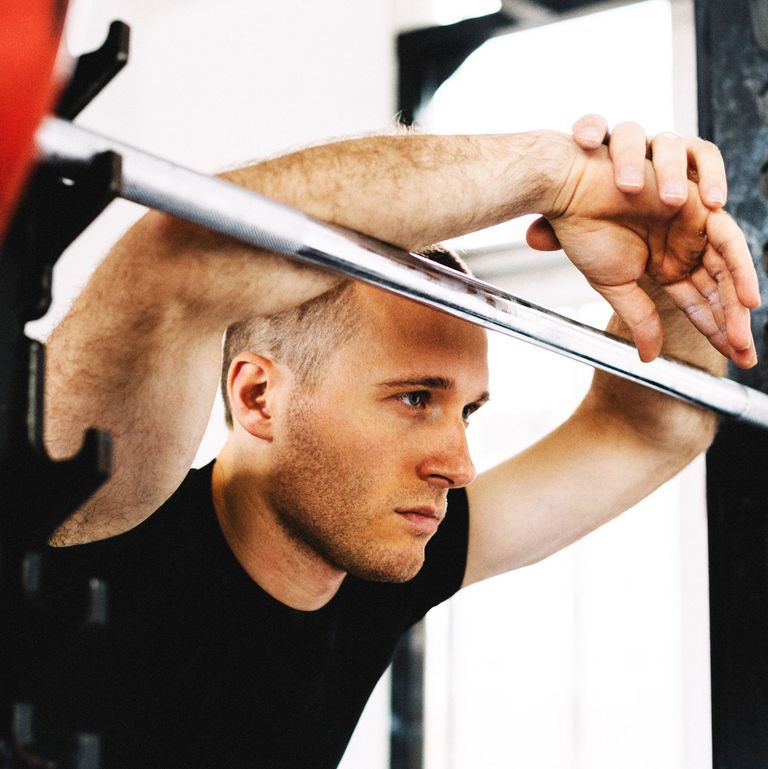
Credit: www.menshealth.com
Precautions If You Decide To Go
Deciding to hit the gym with a cold can be a tricky choice. While exercise can sometimes boost your immune system, it can also be risky if your symptoms are severe. If you choose to go, it’s crucial to take precautions to protect yourself and others. Let’s explore some key measures you can take to ensure a safer workout environment.
Hygiene Practices
Maintaining cleanliness is your first line of defense. Carry a pack of antibacterial wipes and a small bottle of hand sanitizer. Wipe down equipment before and after use, even if it seems clean.
Keep tissues handy to cover your mouth and nose when sneezing or coughing. Dispose of them immediately. Imagine if everyone did their part—how much healthier would gym environments be?
Don’t forget to wash your hands frequently with soap and water, especially after touching shared surfaces. This simple step can significantly reduce germ transmission.
Modifying Your Routine
When you’re not feeling your best, consider adjusting your workout intensity. Swap high-intensity sessions for lighter exercises like walking or gentle yoga. Your body needs energy to fight off illness, and over-exerting might prolong your recovery.
Are you usually a fan of group classes? It might be wise to skip them temporarily to avoid spreading germs. Opt for solo workouts or exercises that allow more space between you and others.
Listen to your body’s signals. If you feel dizzy or overly fatigued, it’s okay to cut your workout short. Prioritize rest when your body demands it—sometimes, that’s the most beneficial workout you can give yourself.
Recovery And Returning To Exercise
Thinking about hitting the gym with a cold? Rest might be a better choice. Exercise can worsen symptoms and delay recovery.
Recovering from a cold requires patience and care. Jumping back into intense workouts too soon can hinder your healing. Your body needs time to regain strength. Easing into exercise helps prevent setbacks. Listen to your body and adjust your routine as needed.Gradual Reintroduction
Start with light activities like walking or stretching. These exercises keep your body moving without overexertion. Increase intensity slowly. Consider low-impact workouts such as yoga or swimming. These options help build endurance without stress. Avoid heavy lifting or high-intensity training at first. Allow your body to adapt to the renewed activity level.Monitoring Your Health
Pay attention to your body’s signals. Notice any signs of fatigue or discomfort. If symptoms worsen, take a break. Rest is crucial for full recovery. Keep track of hydration and nutrition. Proper hydration aids in recovery and boosts your energy levels. Nutritious meals support your immune system. If uncertainty about your health remains, consult a healthcare professional. They can provide guidance on when to resume regular workouts.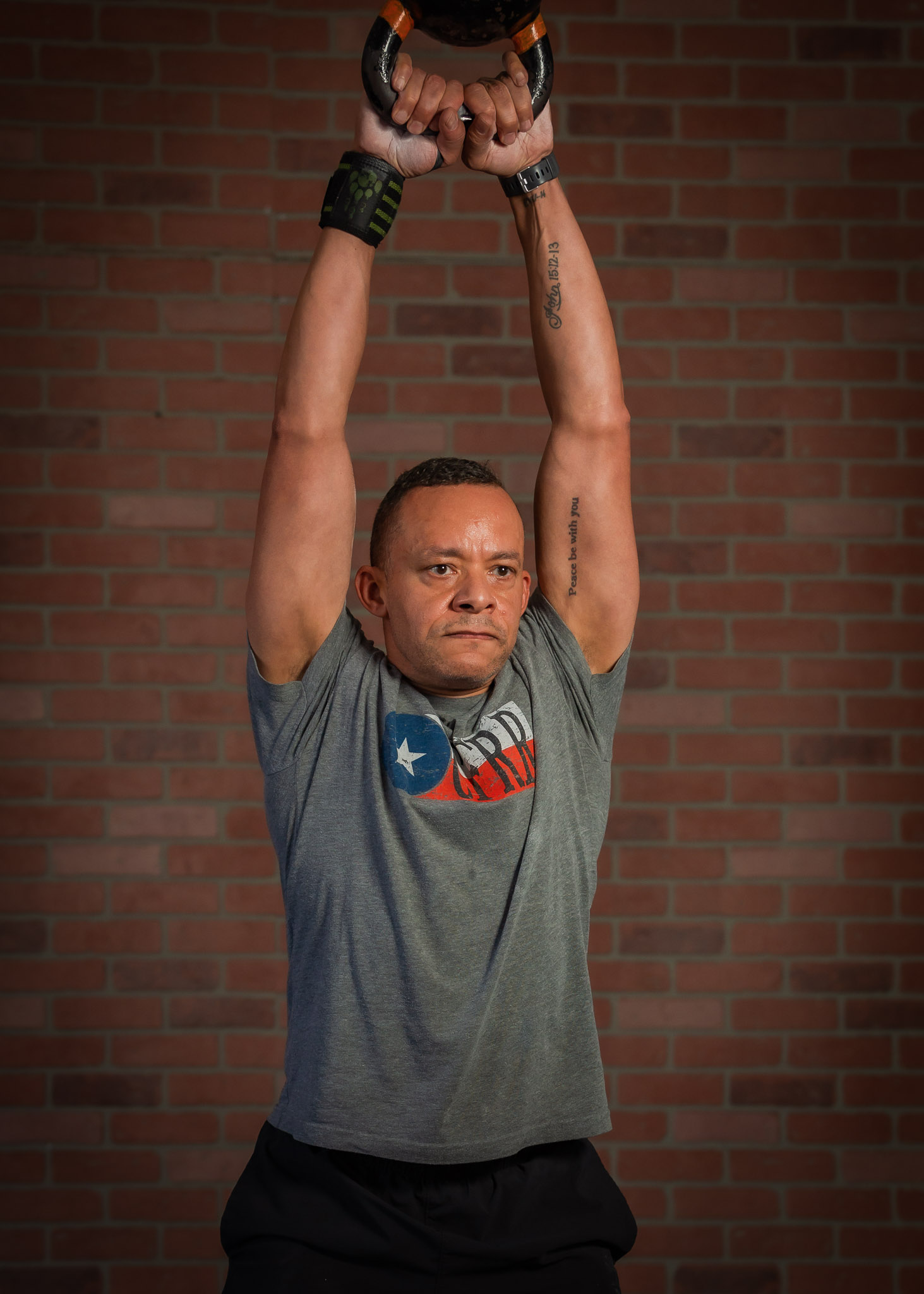
Credit: crossfitroundrocktx.com
Frequently Asked Questions
Is It Okay To Go To The Gym If We Have A Cold?
It’s usually best to rest and recover when you have a cold. Exercising might worsen symptoms and delay recovery. Listen to your body and consider light activities like walking if you feel up to it. Always prioritize health and consult a doctor if unsure.
Is It Better To Rest Or Exercise With A Cold?
Rest is typically better for a cold, aiding recovery and preventing worsening symptoms. Light exercise may help if symptoms are mild and above the neck, like a sore throat. Always listen to your body and prioritize rest when needed. Consult a doctor if unsure.
Can Exercise Sweat Out A Cold?
Exercise does not cure a cold, nor can you sweat it out. Rest helps recovery. Light activity may boost mood. Always consult a healthcare professional if symptoms worsen.
Is It Better To Stay In Or Go Out With A Cold?
Staying indoors is better when you have a cold. Rest helps the body recover faster. Avoid spreading germs by limiting contact with others. Drink fluids and keep warm to aid recovery. If necessary, consult a healthcare professional for advice.
Conclusion
Deciding whether to hit the gym with a cold requires thought. Listen to your body. Rest might be your best move. Exercise can worsen symptoms if you’re not careful. Light activity may help if symptoms are mild. Hydration and proper nutrition are crucial.
Skipping the gym when needed is okay. Health should always come first. Consider alternatives like home workouts. Short walks can be beneficial too. Always prioritize recovery over routine. Consult a doctor if you’re unsure. Your health is your most important asset.
Keep it protected. Stay informed and make smart choices.