Are you wondering when the right time is to start hitting the gym? You’re not alone.
Many people, just like you, are eager to embrace a healthier lifestyle but aren’t sure at what age it’s appropriate to begin. Maybe you’re a parent curious about when your child can safely start or perhaps you’re a teenager ready to dive into the world of fitness.
The answer to this question isn’t just a number; it’s about understanding your body, your goals, and how to make the most of your workouts. By the end of this article, you’ll have a clear idea of when and how you or your loved ones can start benefiting from gym workouts. So, if you’re ready to unlock the secrets to starting your fitness journey safely and effectively, keep reading. Your future self will thank you!

Credit: www.instagram.com
Benefits Of Early Fitness
Starting gym workouts early boosts physical health and builds discipline. Kids as young as 12 can benefit. Proper guidance ensures safety and encourages a lifelong fitness habit.
Embarking on a fitness journey at a young age can be a game-changer for lifelong health and wellness. Starting early not only sets the foundation for a healthy lifestyle but also brings about a plethora of benefits that can enhance your physical and mental well-being. Imagine the advantages of having strength, flexibility, and resilience as you grow older. Let’s explore how early fitness can transform your life.Physical Health Advantages
Engaging in regular exercise from a young age helps build strong muscles and bones. This can lead to improved posture and prevent injuries as you grow. Imagine playing your favorite sport with agility and strength, making every move count. Early fitness routines also boost your metabolism. A faster metabolism means you burn calories more efficiently, helping maintain a healthy weight. Picture feeling energetic and active, no matter how busy your day gets.Mental Well-being Boost
Exercise is a powerful tool for mental health. It releases endorphins, the feel-good hormones, which can alleviate stress and anxiety. Think about the clarity and calmness you could achieve after a good workout session. Starting fitness young also instills discipline and boosts self-esteem. Accomplishing fitness goals can make you confident in other areas of life too. How would your daily interactions change if you felt more assured and self-reliant? By embracing early fitness, you are not just enhancing your body but nurturing your mind too. What small step can you take today to kickstart this journey?Age Recommendations
Embarking on a fitness journey can be exciting, but knowing the right age to start can be crucial for a healthy experience. Age recommendations for gym activities vary widely and are influenced by factors like physical development and emotional maturity. Let’s explore how these recommendations differ across age groups.
Children And Pre-teens
Children as young as six can begin engaging in gym activities, but these should focus on fun and developing coordination rather than lifting weights. Think jumping, running, and playful exercises. Encouraging kids to enjoy physical activity builds a positive association with fitness early on.
Consider enrolling your child in group classes that emphasize teamwork and social interaction. Activities like swimming or gymnastics offer great options for this age group. What better way to foster a love for fitness than through play?
Teens And Young Adults
Teens can start incorporating more structured gym routines as their bodies mature. Strength training becomes a viable option, but supervision is key to prevent injury. Begin with lighter weights and focus on form.
As a teenager, I found weightlifting intimidating initially. Joining a gym with friends made it less daunting and more enjoyable. Group fitness classes can be a great way to stay motivated and learn new techniques.
Adults And Seniors
For adults, the gym provides a chance to maintain health and manage stress. Tailor your workouts to fit your lifestyle and goals, whether it’s building muscle or staying active. Consistency is more important than intensity.
Seniors should prioritize exercises that enhance mobility and balance. Activities like yoga or resistance training can be beneficial. It’s never too late to start, but listen to your body and adjust your routine as needed.
Have you considered how your gym routine might evolve as you age? With each stage of life, the gym offers new possibilities to stay healthy and vibrant.
Gym Safety For Young Users
Children can start gym activities at age 13, with proper supervision and safety measures. Focus on exercises appropriate for their age and physical development. Encourage safe practices to prevent injuries and promote a healthy gym experience.
Gym safety is crucial for young users. It ensures they have a positive experience. A safe environment helps them develop a lifelong love for fitness. It also prevents injuries and builds confidence. Young gym-goers need guidance to navigate this new space effectively.Supervised Workouts
Supervised workouts are essential for young users. An experienced trainer can guide them. They ensure that exercises are done correctly. Supervision helps in maintaining proper form. It also encourages young users to stay motivated. Parents can also play a role in supervision. They can observe and support their child’s progress. A familiar face boosts confidence in young gym-goers.Proper Equipment Use
Understanding equipment use is vital for safety. Young users need to learn how machines work. Proper instructions prevent accidents and injuries. It’s important to start with easy machines. Gradually, they can move to more complex equipment. Trainers should demonstrate correct usage. They can explain the purpose of each machine. Clear guidance helps young users feel comfortable. It also ensures they get the most from their workouts.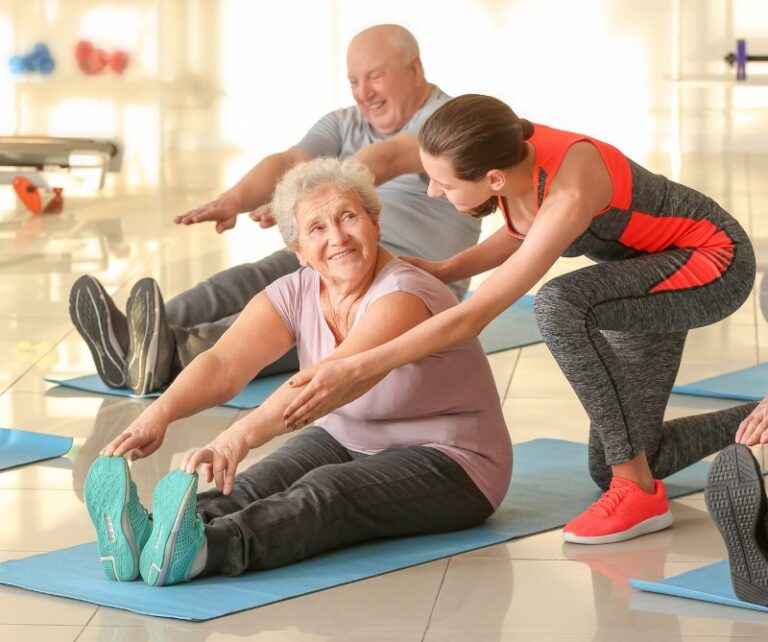
Credit: gymgear.com
Choosing The Right Gym
Choosing the right gym is crucial for young fitness enthusiasts. It ensures a safe and supportive environment. The gym should cater to the needs of children and teens. Facilities and programs tailored for youth make all the difference. They encourage healthy habits and a positive experience.
Kid-friendly Facilities
Kid-friendly gyms offer special equipment. Smaller weights and machines are designed for young users. These facilities prioritize safety and comfort. They have soft mats and cushioned surfaces. Bright colors and engaging designs make workouts enjoyable. Staff are trained to supervise and assist young gym-goers.
Clean and hygienic spaces are essential. Parents feel assured about their children’s well-being. Gyms with kid-friendly facilities often include play areas. These spaces allow children to relax. Parents can workout knowing their kids are happy and safe.
Youth Programs
Structured youth programs are vital. They guide young members in their fitness journey. Programs often include classes for different age groups. Activities are tailored to suit varying skill levels. Trained instructors ensure participants learn safely and effectively.
Group classes foster teamwork and motivation. Children and teens make friends and enjoy exercising together. Programs might include dance, martial arts, or sports conditioning. These activities build strength and improve coordination. Parents can choose programs that fit their child’s interests.
Regular evaluations help track progress. Instructors provide feedback and encouragement. Youth programs often highlight achievements, boosting confidence. Young members feel accomplished and eager to continue. Consistent participation leads to lifelong healthy habits.
Developing A Routine
Starting a gym routine at a young age can build lifelong habits. It’s important to approach it with the right mindset. Developing a routine helps maintain consistency and progress. This process involves setting goals and balancing commitments.
Setting Realistic Goals
Begin with simple, achievable goals. Young gym-goers should focus on learning exercises. Gradually, they can increase intensity and complexity. Goals should align with personal interests and fitness levels. Celebrating small victories keeps motivation high.
Balancing School And Exercise
Balancing schoolwork and exercise is crucial. A structured plan helps manage time effectively. Set specific times for workouts and homework. Consistency creates a balanced routine. Physical activity can enhance focus and performance in school.
Common Concerns
Many parents worry about sending their children to the gym. They want to ensure their kids’ safety and well-being. Concerns often revolve around growth and injury risks. It’s important to address these issues clearly and accurately.
Growth And Development
Young bodies are still growing. Parents worry exercise might affect growth plates. Weightlifting raises questions about bone development. It’s crucial to understand the impact of physical activity on growth. Experts agree moderate exercise supports healthy development. Proper guidance ensures safety and benefits.
Injury Prevention
Injuries are a common concern for young gym-goers. Proper technique reduces injury risk. Supervision is key to safe workouts. Many gyms offer classes for young athletes. These classes focus on safe practices. Wearing the right gear also helps prevent injuries. It’s important to teach kids about body awareness. Understanding their limits is crucial for safety.
Parental Involvement
Embarking on a fitness journey at a young age can be a rewarding experience, but parental involvement is crucial to ensure safety and motivation. Parents can play a vital role in guiding their children through the initial stages of gym workouts. Your support can help instill healthy habits and keep them motivated to reach their fitness goals.
Supporting Fitness Goals
As a parent, your encouragement can make a big difference. Discuss fitness goals with your child and help them set realistic targets. Do they want to build strength, improve endurance, or just stay active? Knowing their goals can help you guide them in choosing the right exercises.
Consider joining them for gym sessions or fitness classes. This not only boosts their confidence but also strengthens your bond. Sharing these moments can create a sense of accountability and keep them motivated.
Monitoring Progress
Tracking progress is essential to keep your child engaged. Encourage them to keep a journal of their workouts, noting down improvements in strength, stamina, or technique. You can review this together and celebrate their achievements, no matter how small.
Are there areas where they struggle? Identify these and discuss strategies to overcome them. Perhaps adjusting their workout routine or trying new exercises could make a difference. Your involvement in these discussions can reassure them that they’re not alone in their fitness journey.
Regularly check in with them about their feelings towards their gym experience. Are they enjoying it? What challenges do they face? Your interest and support can help them navigate these emotions and stay committed.
Motivation And Engagement
Starting gym workouts can be exciting for teenagers, typically around the age of 14 or 15. It’s important to focus on proper guidance and safety, ensuring motivation and engagement remain high for a healthy fitness journey.
Engaging young gym-goers requires tapping into their natural motivation and engagement. For many, the gym can seem intimidating. Creating a positive atmosphere is key. Young people thrive on excitement and variety. Keeping workouts interesting can maintain enthusiasm. Here are some ways to achieve that.Making Exercise Fun
Exercise should be enjoyable, not a chore. Introduce activities that feel more like play. Group classes can be great for social interaction. Dance or martial arts classes offer variety. These activities provide both exercise and enjoyment. Incorporate games into routines. Friendly competitions can boost motivation. This approach keeps young gym-goers looking forward to each session.Tracking Achievements
Progress tracking is motivating. Set small, achievable goals. Celebrate these milestones. Use a simple journal or app. Record workouts and improvements. Visual progress boosts confidence and commitment. Encourage young gym-goers to reflect on their journey. Acknowledging growth keeps engagement high. Each achievement fuels the desire to continue.Credit: www.yahoo.com
Frequently Asked Questions
Can My 12 Year Old Go To The Gym?
Yes, a 12-year-old can go to the gym with parental supervision. Check the gym’s age policy first. Many gyms offer youth programs. Ensure they use equipment safely and focus on age-appropriate exercises. Always prioritize safety and consult a fitness professional or pediatrician if needed.
Can I Take A 13 Year Old To The Gym?
Yes, a 13-year-old can go to the gym. Many gyms offer youth memberships or programs. Always check age restrictions and guidelines. Ensure they are supervised and use age-appropriate equipment. Encouraging safe and supervised exercise benefits their physical development and health.
Consult with gym staff for advice on suitable activities.
Can A 12 Year Old Go To The Gym By Himself?
A 12-year-old can go to the gym alone, but it depends on the gym’s age policy. Parents should check rules and ensure safety. Supervision or a fitness program for kids might be necessary. Always prioritize safety and proper guidance.
Can I Start A Gym At 14?
Yes, you can start a gym routine at 14. Focus on bodyweight exercises and proper form. Consult a fitness professional for guidance. Prioritize safety, avoid heavy weights, and maintain a balanced diet. Consistency and patience are key to building a healthy foundation.
Always listen to your body and stay hydrated.
Conclusion
Starting gym workouts at a young age has many benefits. Kids develop healthy habits early. Exercise boosts both physical and mental growth. Parents should ensure their child’s gym activities are safe. Proper guidance is crucial. Each child is unique; readiness varies.
Listen to your child’s needs and interest. Encourage, but don’t push too hard. Regular check-ins with a fitness expert help. This ensures the right approach. Remember, a positive experience builds lifelong fitness love. Keep it fun and safe for them.
A happy gym-goer stays active longer.