Are you curious about the carnivore diet and how it might affect your body? You’ve probably heard about ketosis and its potential benefits.
But can you achieve ketosis by strictly eating meat? This question could change the way you think about nutrition and dieting. Imagine unlocking a new level of energy and mental clarity, all through a simple dietary shift. We’ll dive into whether the carnivore diet can actually put you in ketosis and what that means for you.
Get ready to discover insights that could transform your health journey.
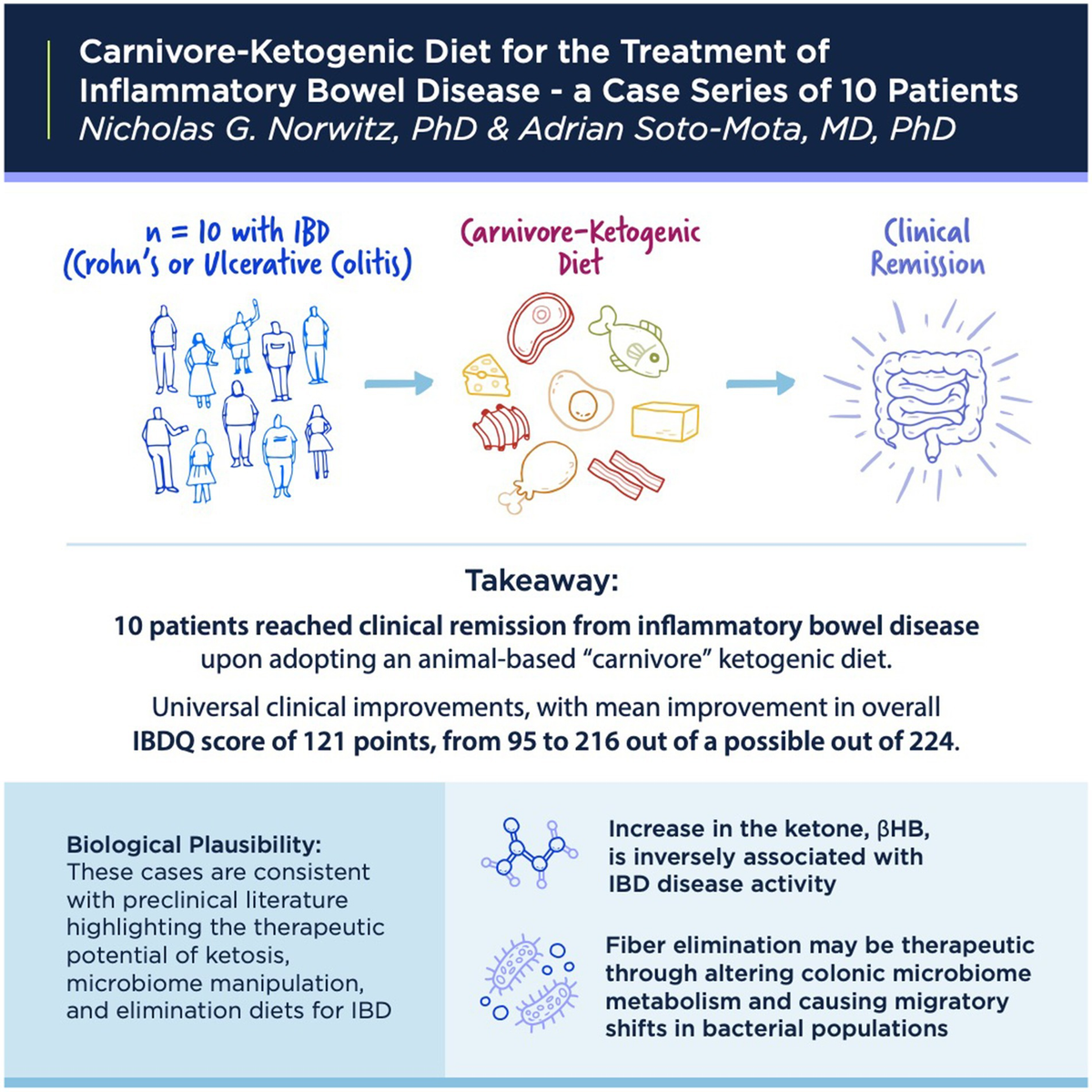
Credit: www.frontiersin.org
Carnivore Diet Basics
Welcome to the intriguing world of the Carnivore Diet! If you’ve been hearing whispers about this meat-centric way of eating, you’re not alone. People are curious if consuming only animal products can indeed kickstart ketosis, that fat-burning state often associated with the ketogenic diet. Before we unravel that mystery, let’s dive into the basics of the Carnivore Diet.
What It Involves
The Carnivore Diet is as straightforward as it gets—eat meat and animal products. Imagine a meal plan where steak, bacon, and eggs are your daily staples. No counting carbs, no worrying about sugar content, just pure protein and fat. This simplicity can be liberating, especially if you’ve ever felt overwhelmed by diet restrictions. But it also requires a significant shift in mindset and lifestyle.
Is this diet for everyone? Not quite. It demands dedication and a serious love for meat. You’ll ditch fruits, vegetables, grains, and anything plant-based. Think about your current eating habits—could you embrace a plate that’s 100% animal-based?
Foods Allowed
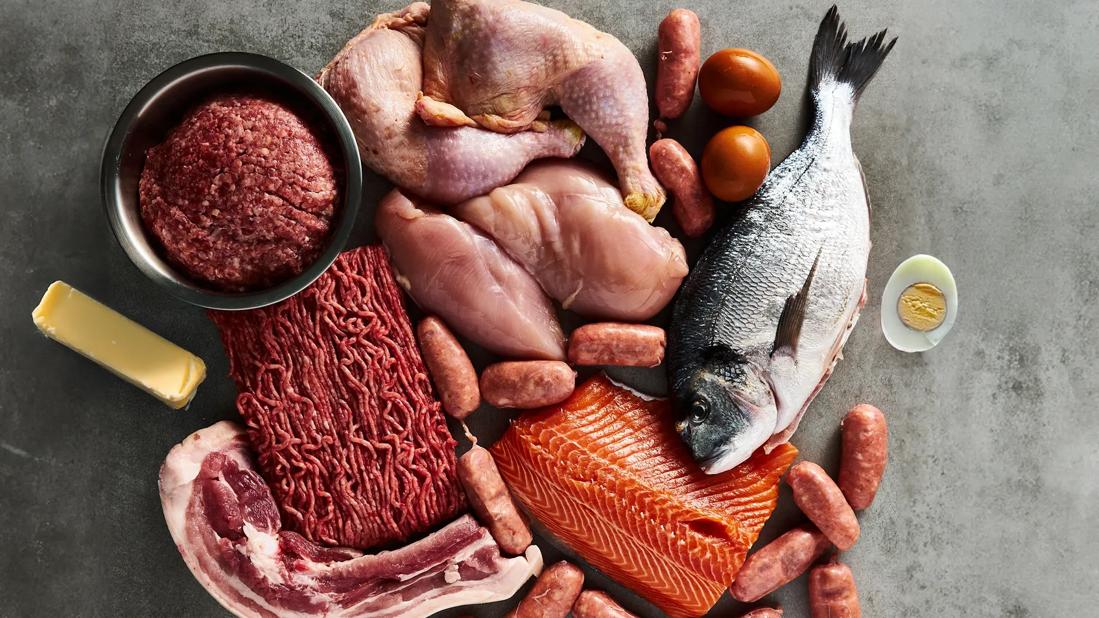
If you decide to try the Carnivore Diet, your grocery list will look a bit different. You’ll focus on beef, pork, chicken, lamb, and fish. Dairy products like cheese and butter are generally acceptable, providing another source of fat and flavor.
- Meats: Steak, lamb chops, chicken thighs
- Seafood: Salmon, shrimp, tuna
- Dairy: Cheese, butter, heavy cream
- Eggs: A versatile staple
Think about how you can creatively prepare meals with just these items. Grilled, roasted, or seared—meat can be the star of your plate in endless ways. But can you find joy in this restrictive menu?
Potential Benefits
The Carnivore Diet might offer some unexpected benefits. Many followers report improved mental clarity and increased energy levels. Some people experience weight loss without the need for calorie counting.
Could it be the elimination of carbs that boosts your mood and focus? Or perhaps the high-fat content keeps you fuller longer? Every person is different, and results can vary. But if you’re struggling with energy dips or brain fog, this diet might be worth considering.
Are you ready to explore how your body reacts to a pure meat diet? It could be an enlightening journey, but it’s crucial to listen to your body and consult with a healthcare professional.
So, what do you think? Could the Carnivore Diet be your next culinary adventure, or is it a step too far from your current lifestyle? Your thoughts could lead to a new path in your health journey.
Understanding Ketosis
The Carnivore Diet can lead to ketosis by limiting carbohydrates and increasing fat intake. Consuming only animal products may push the body to burn fat for energy. This metabolic state is known as ketosis.
Understanding ketosis might seem daunting, but it can be quite straightforward. This metabolic state is a big buzzword in health circles, especially among those exploring low-carb diets like the Carnivore Diet. The question often arises: does this diet naturally lead you into ketosis?Ketosis Defined
Ketosis occurs when your body switches its primary fuel source from carbohydrates to fats. This happens when you severely limit carb intake, prompting the liver to produce ketones from stored fat. These ketones become the main energy source, effectively replacing glucose. Think of it as your body tapping into its backup power supply. It’s a state our ancestors likely experienced regularly due to scarce food resources. Ketosis is not the same as ketoacidosis, which is a dangerous condition often associated with diabetes.How Ketosis Works
To enter ketosis, your carb intake generally needs to be below 50 grams per day. This can vary depending on individual body types and activity levels. On the Carnivore Diet, which primarily consists of animal products, you naturally consume fewer carbs. Your body starts breaking down fat stores into fatty acids and ketones, which then circulate in the bloodstream. This metabolic shift usually takes about 2-4 days after carb restriction. You might notice increased energy and mental clarity once your body adapts to this new fuel source.Health Implications
Ketosis can offer various health benefits, including potential weight loss and improved blood sugar control. For those with insulin resistance or type 2 diabetes, this can be particularly beneficial. However, not everyone experiences ketosis the same way. Some may experience the “keto flu,” which includes symptoms like fatigue and headaches as your body adjusts. It’s important to stay hydrated and maintain electrolyte balance to mitigate these effects. Before diving into a diet that promotes ketosis, consider your health goals and current medical conditions. Would the benefits outweigh any potential downsides for you? Always consult with a healthcare professional to ensure it’s a safe choice for your lifestyle.Carnivore Diet And Ketosis Connection
The Carnivore Diet, which emphasizes consuming only animal products, has sparked interest in its potential to induce ketosis. Ketosis is a metabolic state where your body uses fat as its primary fuel source instead of carbohydrates. While the Carnivore Diet shares similarities with the Keto Diet, its approach to achieving ketosis differs. Understanding the connection between the Carnivore Diet and ketosis can help you make informed choices about your diet.
Mechanisms Behind Ketosis
Ketosis occurs when your body depletes its glycogen stores, prompting it to burn fat for energy. This is achieved by significantly reducing carbohydrate intake. On the Carnivore Diet, the absence of carbs forces your body into ketosis naturally.
Animal products, especially fatty cuts, provide ample fuel for ketosis. Think about how bacon or ribeye steak can become your energy source. As your body adapts, it becomes efficient at burning fat.
Ever noticed increased energy on a meat-heavy meal? That’s your body tapping into ketones, the alternative fuel produced during ketosis.
Differences From Keto Diet
The Keto Diet allows certain carbs, while the Carnivore Diet eliminates them completely. This makes the Carnivore Diet a stricter path to ketosis. You won’t find yourself calculating net carbs or worrying about hidden sugars.
On Keto, you might indulge in berries or nuts; on Carnivore, it’s strictly meat, fish, and animal fats. This means fewer variables to manage but requires more discipline.
Are you ready for a no-carb challenge? The Carnivore Diet might push your limits but can also simplify your dietary choices.
Typical Ketosis Induction
Reaching ketosis on the Carnivore Diet can happen relatively quickly. Some people report entering ketosis within days due to the extreme carb restriction. Consider starting with a fatty piece of salmon or a juicy steak to kick off your ketosis journey.
Tracking your ketone levels can provide insight into your body’s progress. Ketone strips or meters can be useful tools to monitor your state of ketosis.
Have you ever wondered how your body would react to a diet change so drastic? Your energy levels and mental clarity might surprise you.
Exploring the Carnivore Diet’s impact on ketosis can offer new perspectives on energy and health. Are you ready to find out how your body adapts when carbs are off the menu?
Scientific Evidence
Scientific evidence explores if the carnivore diet can trigger ketosis. Eating mostly meat might lead to ketone production. This happens when the body uses fat for energy instead of carbs.
Embarking on the carnivore diet might make you wonder about its effects on ketosis. Does cutting out carbs entirely and focusing solely on animal products push your body into this fat-burning state? While the carnivore diet might seem straightforward, the science behind its impact on ketosis is intriguing and multifaceted. Let’s dive into the scientific evidence to understand better how this diet influences ketosis.Research Findings
Scientific studies provide a window into the body’s response to a carnivore diet. Research shows that when you consume only animal products, your carbohydrate intake drops to nearly zero. This drastic reduction often leads to ketosis, where your body uses fat for energy instead of carbs. However, the transition isn’t always smooth. A study from the Journal of Nutrition highlighted that individual responses vary. Some people enter ketosis within days, while others take longer. Have you noticed how your body reacts when you change your diet? It could be a fascinating experiment to try.Case Studies
Case studies offer real-life insights into the carnivore diet’s effect on ketosis. Participants in a dietary study reported diverse experiences. One participant noted increased energy levels and mental clarity after reaching ketosis. Another shared that their body took longer to adapt but eventually found a new balance. These stories are a testament to the diet’s unique impact on each individual. If you decide to try the carnivore diet, your experience might add to this growing body of personal accounts. How will your body react, and what changes will you notice?Expert Opinions
Nutritionists and dietitians offer valuable perspectives on the carnivore diet’s role in ketosis. Dr. Sarah Smith, a nutrition expert, suggests that the absence of carbs naturally pushes the body into ketosis. She emphasizes the importance of monitoring your body’s signals. Experts like Dr. Smith also highlight potential risks. They advise keeping an eye on cholesterol levels and kidney function. Have you considered consulting an expert before making significant dietary changes? Their guidance can be crucial in navigating the carnivore diet safely. Ultimately, whether the carnivore diet puts you in ketosis depends on various factors, including your body’s unique response and health status. Are you ready to explore this dietary path and discover how it affects you personally?Health Considerations
The carnivore diet focuses on consuming only animal products. This diet may lead to ketosis, a metabolic state. Understanding the health implications is crucial. Let’s explore important health factors to consider.
Nutritional Balance
Eating only meat can lack essential nutrients. Vegetables and fruits provide vitamins and fiber. These are absent in the carnivore diet. Consider supplements to balance nutrition.
Potential Risks
The diet may increase cholesterol levels. High protein intake can strain the kidneys. Some people may experience digestive issues. Always monitor your health closely.
Who Should Avoid
Individuals with kidney problems should avoid this diet. Pregnant women need a balanced diet, not just meat. Those with heart issues should be cautious. Consult a doctor before starting the carnivore diet.
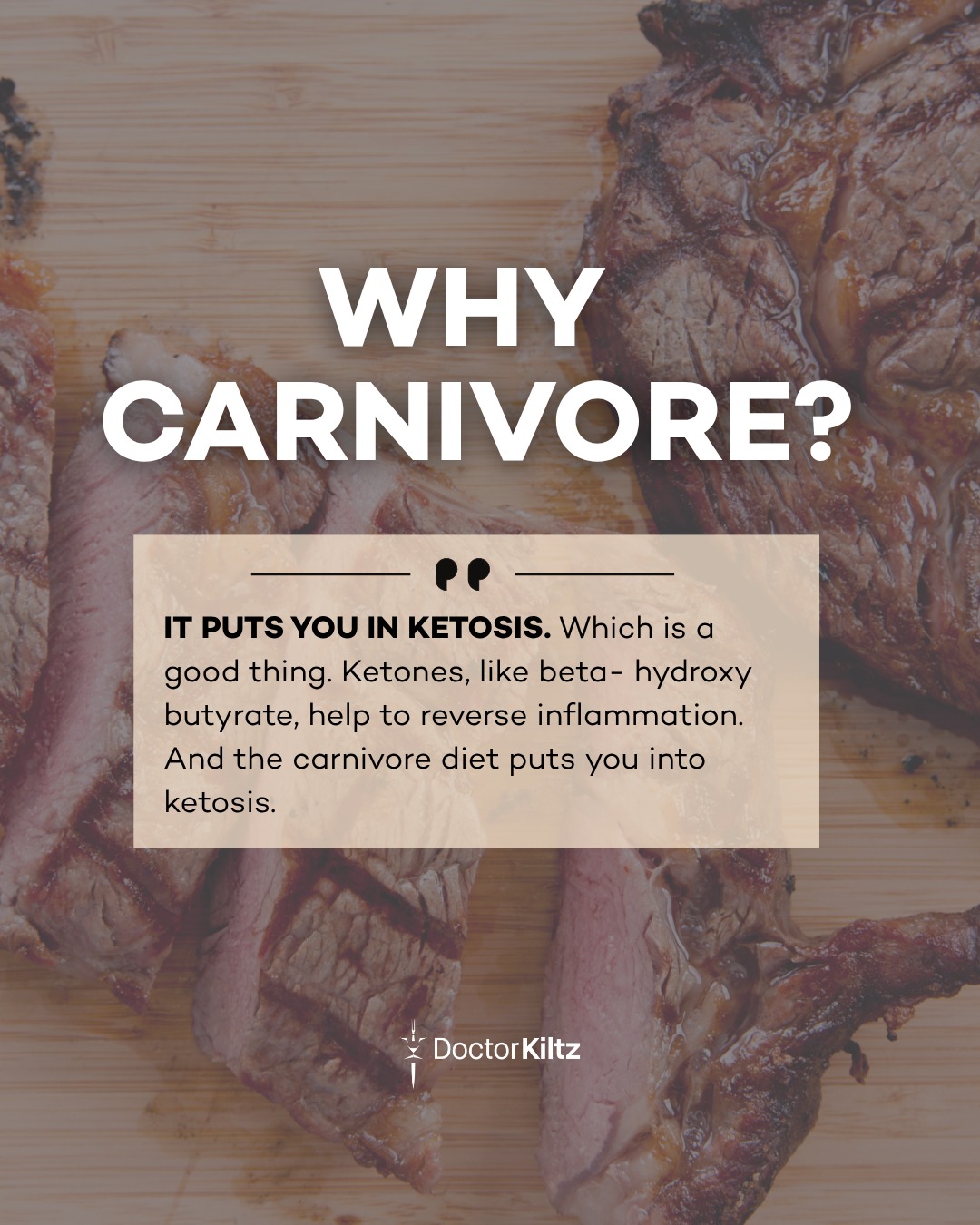
Credit: www.facebook.com
Practical Tips For Trying The Diet
Exploring the carnivore diet might lead to ketosis due to its zero-carb approach. Eating only animal products can trigger fat burning, similar to ketogenic diets. Monitoring your body’s response helps in understanding its impact on ketosis and overall health.
Embarking on the carnivore diet can be both exciting and challenging. This diet, primarily consisting of meat and animal products, might also put you into ketosis—a metabolic state where your body burns fat for fuel instead of carbohydrates. To make the most of this high-protein, low-carb lifestyle, you’ll need some practical tips to ease your transition and keep you on track. This section will cover transitioning to the carnivore diet, monitoring your ketosis levels, and addressing common challenges you may face along the way.Transitioning To Carnivore
Switching to a carnivore diet can be quite a shift if you’re used to a more varied menu. Start by slowly reducing your carbohydrate intake. This helps your body adjust without causing drastic energy slumps. Consider planning your meals in advance. Having a menu ready can prevent impulsive food choices. Focus on variety within your meat choices to keep meals interesting. Have you ever tried documenting how your body reacts during this transition? Keeping a food diary can help you pinpoint which foods make you feel best. It can also help you identify any food sensitivities.Monitoring Ketosis
Measuring ketosis is essential to know if you’re on the right track. You can use urine strips, blood meters, or breath analyzers. Each method has its own level of accuracy and cost. Are you wondering how often to check your ketone levels? Daily checks can provide insights into how different foods affect your ketosis. Over time, you’ll recognize patterns and know what works best for you. Remember, while monitoring is crucial, don’t let it become an obsession. Your energy levels and well-being are equally important indicators of success.Common Challenges
Sticking to any diet comes with its hurdles. You might face cravings for carbs or social pressure to eat differently. Preparing responses to common questions can help you stay committed. Hydration is often overlooked. A carnivore diet can lead to dehydration, so make sure to drink plenty of water. Electrolyte supplements can also be beneficial. How do you handle meal boredom? Experiment with different cooking methods and spices to keep your meals exciting. Sharing recipes with a community can provide new inspiration and support. By addressing these practical aspects, you’re setting yourself up for success on the carnivore diet. Remember, it’s a personal journey, and what’s most important is how you feel.Comparing Diets
Comparing diets often brings the Carnivore Diet and Keto Diet into focus. Both promise weight loss and health benefits. Yet, they operate differently in the body. Let’s dive into how these diets stack up against each other. We’ll also explore other low-carb diets and their long-term viability.
Carnivore Vs. Keto
The Carnivore Diet includes only animal products. Meat, fish, eggs, and dairy. It’s strict, with zero carbs. Many believe it naturally leads to ketosis. The Keto Diet allows more variety. It includes fats, proteins, and low-carb veggies. Keto requires limiting carbs to reach ketosis. Both diets aim to burn fat instead of carbs for energy. But, the approach differs significantly.
Other Low-carb Diets
Low-carb diets come in various forms. Atkins, Paleo, and South Beach are popular choices. These diets allow more carbs than Carnivore or Keto. They focus on reducing carbs, not eliminating them. Each offers unique health benefits. They also differ in flexibility and food choices.
Long-term Viability
Long-term success varies between these diets. The Carnivore Diet can be restrictive. Some find it hard to maintain. Keto offers more food choices. It may be easier for long-term adherence. Other low-carb diets provide flexibility. They often lead to sustainable lifestyle changes. Choosing the right diet depends on personal preference and health goals.
Credit: health.clevelandclinic.org
Frequently Asked Questions
How Long Does It Take To Go Into Ketosis On A Carnivore Diet?
Entering ketosis on a carnivore diet typically takes 2 to 4 days. Individual results may vary based on metabolism, activity level, and carbohydrate intake prior to starting the diet. Drinking water and maintaining consistency can help speed up the process.
What Is Ketosis In The Carnivore Diet?
Ketosis is a metabolic state where the body burns fat for fuel. The carnivore diet, which is high in fat and protein, can induce ketosis. This occurs when carb intake is minimal, prompting the liver to produce ketones. These ketones then supply energy to the brain and muscles.
How Does The Carnivore Diet Affect Ketosis?
The carnivore diet promotes ketosis by minimizing carb intake. With reduced carbs, the body shifts to burning fat. This process generates ketones, which serve as an alternative energy source. Many adherents report increased energy and mental clarity when in ketosis on this diet.
Can Everyone Achieve Ketosis On The Carnivore Diet?
Not everyone enters ketosis easily on the carnivore diet. Factors like individual metabolism and activity levels influence ketosis. Some may require adjustments in fat intake or meal timing to achieve ketosis. Monitoring ketone levels can help determine if dietary changes are needed.
Conclusion
Exploring the carnivore diet’s link to ketosis offers intriguing insights. This diet focuses on animal products. Many followers experience ketosis benefits. Fat burning. Increased energy. Mental clarity. Not everyone reaches ketosis, though. Individual responses differ. Factors like activity level and metabolism play roles.
Eating habits matter too. To know if you’re in ketosis, consider testing. Blood or urine tests help confirm. Tracking ketone levels can guide your journey. The carnivore diet might suit you. Or not. Listen to your body. Consult health professionals for tailored advice.
Stay informed. Make choices that support your health goals.