Are you curious about what fuels your body best? Wondering if there’s a way to combine the benefits of various diets without missing out on your favorite foods?
Enter the omnivore diet—a balanced approach that invites you to enjoy a diverse range of foods while meeting your nutritional needs. This eating plan doesn’t just focus on what you consume; it’s about embracing variety and making conscious choices. Imagine savoring the juiciest steak, the freshest vegetables, and the ripest fruits, all while maintaining a healthy lifestyle.
Intrigued yet? As you read on, you’ll discover how the omnivore diet can transform your eating habits, offering flexibility and nourishment without the guilt. Let’s dive into how this versatile diet can be your blueprint for a healthier, more satisfying life.
Credit: www.facebook.com
Omnivore Diet Basics
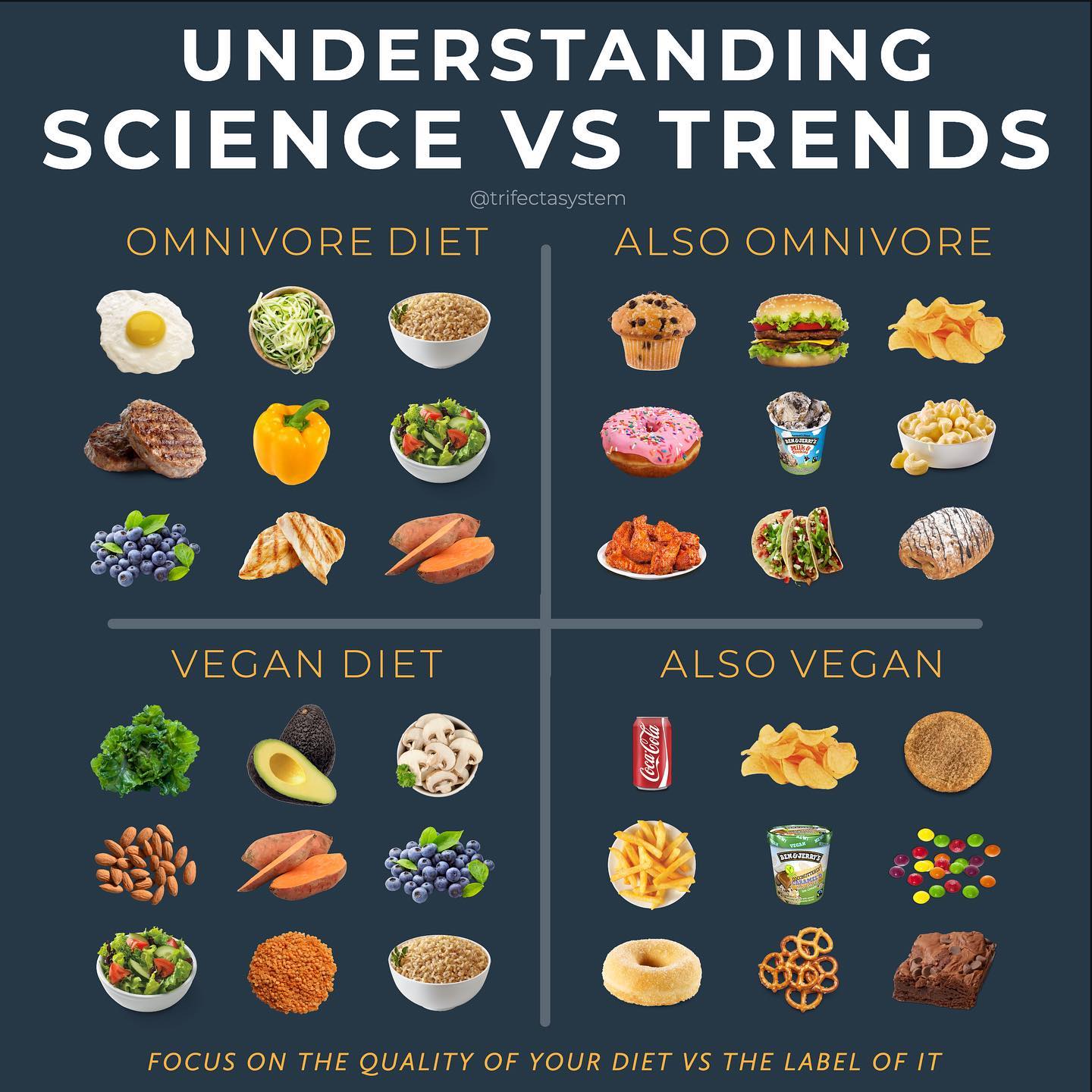
Understanding the omnivore diet begins with knowing its basics. This diet is flexible, allowing a wide variety of foods. It’s neither strict nor limiting. Many find it easy to follow. It includes both plant and animal-based foods, making it diverse.
Definition And Principles
The omnivore diet involves eating both plants and animals. It offers flexibility in food choices. The main principle is balance. Eating a variety from different food groups ensures nutrition. It supports consuming whole, unprocessed foods. This approach aims for a balanced intake of nutrients.
Common Foods Included
An omnivore diet includes fruits and vegetables. Lean meats like chicken and fish are common. Whole grains such as rice and oats are staples. Dairy products like milk and cheese are part of it. Legumes, nuts, and seeds add variety. This diet also allows occasional treats. It can include sweets or fried foods in moderation.
Benefits Of An Omnivore Diet
An omnivore diet includes both plant and animal foods. It offers a balanced intake of nutrients. This diet supports energy levels and overall health by providing a variety of vitamins and minerals.
The omnivore diet is a balanced approach to eating that includes both plant-based and animal-based foods. This flexibility offers numerous benefits that can enhance your health and lifestyle. By embracing the omnivore diet, you can enjoy a wide variety of nutrients, adaptable eating habits, and greater accessibility to diverse food options. Let’s explore some of the key benefits of following an omnivore diet.Nutritional Diversity
The omnivore diet provides a broad spectrum of nutrients essential for good health. Including both plant and animal foods ensures you get a mix of vitamins, minerals, proteins, and fats. For example, while leafy greens supply vitamins like A and C, meat and fish are excellent sources of protein and B vitamins. This nutritional diversity can lead to better overall health and energy levels. Have you ever felt more energetic after a balanced meal that includes all food groups? That’s the power of nutritional diversity in action.Flexibility And Accessibility
One of the greatest advantages of the omnivore diet is its flexibility. You can choose foods based on availability, personal preference, and dietary needs. Whether you’re dining out or cooking at home, there’s always something on the menu for you. This adaptability means you can easily adjust your diet to include seasonal foods, which are often fresher and more nutrient-rich. Imagine having the freedom to enjoy a fresh salad in the summer and a hearty stew in the winter, all while maintaining a balanced diet. Additionally, the omnivore diet is accessible to many people. Most grocery stores carry a wide range of foods suitable for omnivores, making it easier for you to maintain this diet without much hassle. Have you ever considered how limiting a restrictive diet can be in social situations or while traveling? The omnivore diet allows you to enjoy meals with friends and family without feeling left out.Challenges And Considerations
Balancing plant and animal foods poses challenges for the omnivore diet. Finding sustainable sources of protein matters. Ethical considerations in food choices also play a role.
Embarking on an omnivore diet can bring a variety of challenges and considerations to the table. While it offers the flexibility to enjoy a wide range of foods, it also invites you to think critically about the impact of your choices. From ethical dilemmas to health concerns, navigating this diet requires a thoughtful approach. How do these choices affect the world and your body? Here’s a closer look.Ethical And Environmental Concerns
Choosing to eat an omnivore diet means consuming both plant and animal products. This choice often leads to ethical questions. You might wonder about the treatment of animals in the food industry. How are they raised? Are they kept in humane conditions? Environmental impact is another key consideration. Animal farming can lead to deforestation, water pollution, and greenhouse gas emissions. These factors contribute to climate change. Are you comfortable with the environmental footprint your diet leaves behind? Making informed choices can help. Supporting local farms that follow ethical practices can mitigate some concerns. By educating yourself, you can align your diet with your values.Health Implications
An omnivore diet offers diverse nutrients, but it also demands balance. Consuming too much red meat can lead to health issues, like heart disease. On the other hand, neglecting protein intake might result in fatigue or muscle loss. Consider how different foods affect your body. You might notice that dairy causes discomfort or certain meats make you sluggish. Paying attention to these signals can help you adjust your diet for better health. Variety is key. Including fruits, vegetables, lean meats, and whole grains can provide the nutrients you need. Keep an eye on portion sizes and strive for moderation. This approach can help prevent potential health risks. Navigating an omnivore diet is a personal journey. Reflect on your values and listen to your body’s needs. How will you balance ethical concerns with health implications?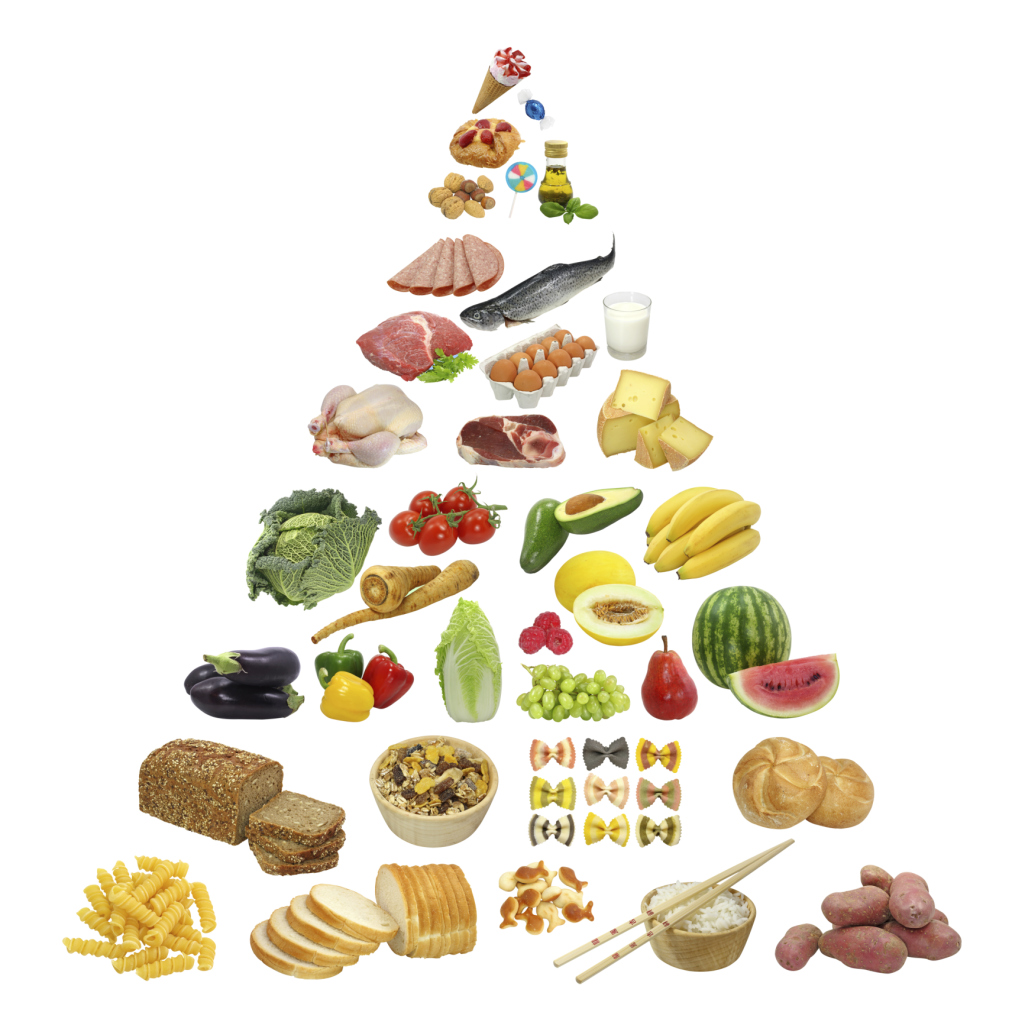
Credit: www.livestrong.com
Balancing Nutrition
The omnivore diet includes a variety of foods, both plant and animal-based. It provides a balanced intake of nutrients. This diet supports a healthy lifestyle by ensuring essential vitamins and proteins.
Balancing nutrition in an omnivore diet is essential for optimal health. This diet includes both plant and animal-based foods. It provides a diverse range of nutrients. Managing this variety ensures your body gets everything it needs. A balanced approach helps maintain energy levels, supports immune function, and promotes overall well-being. Understanding how to balance these foods is key to benefiting from an omnivore diet.Key Nutrients To Focus On
Protein is vital for muscle repair. Animal sources like chicken and fish offer high-quality protein. Plant sources like beans and lentils also provide protein. They come with added fiber benefits. Vitamins and minerals from fruits and vegetables are crucial. Vitamin C boosts immunity. Leafy greens are rich in iron. Healthy fats are another important component. Avocados and nuts provide heart-friendly fats. Omega-3s from fish support brain health.Strategies For A Balanced Plate
Start with portion control. Keep half your plate filled with vegetables. They add color and nutrients. Include a quarter of lean protein like chicken or tofu. The other quarter can be whole grains. Brown rice or quinoa are great options. Add healthy fats sparingly. Drizzle olive oil on salads or add a few nuts. Mixing textures and colors makes meals appealing. Rotate foods to avoid boredom. This ensures varied nutrient intake. Planning meals ahead can help maintain balance.Omnivore Diet In Different Cultures
The omnivore diet involves eating both plant and animal foods. It’s a common diet worldwide, influencing various cultures. People adapt the omnivore diet based on local resources and traditions. This adaptability makes it unique and diverse across the globe.
Global Dietary Patterns
Dietary patterns vary greatly worldwide. In Asia, rice and fish are staples. In Europe, bread and meat are common. In Africa, grains and vegetables dominate meals. Each region incorporates local ingredients into their diet. This diversity shows the flexibility of the omnivore diet.
Cultural Influences On Food Choices
Cultures shape how people choose their foods. Traditions dictate meal types and ingredients. Religious beliefs also play a role in food choices. Some avoid certain meats or foods due to cultural practices. Availability of ingredients influences local diets too. This cultural variety enriches the omnivore diet experience.

Credit: andreavanderwoude.com
Adapting The Omnivore Diet
The omnivore diet includes both plants and animals. It offers a balanced approach to nutrition. People can enjoy a wide variety of foods. This diet supports a healthy lifestyle by providing essential nutrients. Perfect for those seeking flexibility in their eating habits.
Adapting the Omnivore Diet can be a rewarding journey that aligns with your personal health goals and lifestyle choices. This diet is all about variety, embracing both plant-based and animal-based foods. It offers flexibility and can cater to diverse nutritional needs. But how do you make it work for you? Let’s break it down.Personal Health Goals
Your health objectives are crucial in shaping your omnivore diet. Are you aiming to lose weight, build muscle, or simply maintain a balanced lifestyle? Each goal requires a different approach. If weight loss is your focus, consider portion control and balance. A mix of lean proteins, whole grains, and plenty of vegetables can keep you full without excess calories. If you’re building muscle, protein-rich foods like eggs, chicken, and legumes become essential. Understanding your body’s needs can help tailor your diet. Do you need more energy for workouts or better sleep quality? Listening to your body’s signals will guide your choices.Lifestyle And Dietary Preferences
Your daily routine influences how you adapt the omnivore diet. Are you always on the go, or do you have time for meal prep? Quick meals can include smoothies with spinach and protein powder or a turkey sandwich with whole-grain bread. Dietary preferences also play a significant role. If you love seafood, integrate fish like salmon for omega-3 benefits. Prefer plant-based meals? Focus on beans and lentils for protein. Think about your cultural or ethical considerations. Maybe you want to eat sustainably sourced meats or increase local produce in your diet. Reflect on what’s meaningful to you and make adjustments accordingly. Adapting the omnivore diet is a personal journey. What steps will you take to make it your own?Future Of Omnivore Diet
The future of the omnivore diet looks promising and diverse. As more people embrace balanced eating, this diet gains popularity. The omnivore diet includes both plant and animal foods. This balance offers flexibility and variety, appealing to many. Let’s explore the future trends and impacts shaping this dietary choice.
Trends In Food Industry
The food industry continually evolves with changing consumer preferences. One trend is the rise in sustainable food choices. Many seek environmentally friendly options in their omnivore diet. This includes choosing ethically sourced meat and organic produce. Another trend is the fusion of different cuisines. People enjoy trying new flavors and dishes. The omnivore diet easily adapts to these culinary explorations.
Impact Of Dietary Research
Dietary research greatly influences food choices. Studies highlight the benefits of a balanced diet. This research supports the omnivore diet’s health advantages. It can provide essential nutrients from diverse food sources. Research also focuses on reducing processed foods. Emphasizing whole foods is key for a healthy lifestyle. The omnivore diet can adapt to these findings. People are more informed about making healthier choices. They seek diets that offer both nutrition and satisfaction.
Frequently Asked Questions
What Do You Eat On An Omnivore Diet?
An omnivore diet includes both plant-based and animal-based foods. You can eat fruits, vegetables, grains, meats, fish, dairy, and eggs. This diet offers diverse nutrients and flexibility in meal planning, making it suitable for many preferences and lifestyles. Balance and variety are key to a healthy omnivore diet.
Is Omnivore Diet Healthy?
An omnivore diet can be healthy when balanced. It includes a variety of nutrients from plants and animals. Focus on lean proteins, whole grains, fruits, and vegetables. Limit processed foods and unhealthy fats for optimal health benefits. Consult a nutritionist for personalized advice.
What Is The Difference Between A Carnivore Diet And An Omnivore Diet?
A carnivore diet includes only animal-based foods, excluding plants. An omnivore diet consists of both animal and plant-based foods.
Why Is The Omnivore Diet The Best?
The omnivore diet offers diverse nutrients from both plants and animals. It supports balanced nutrition and flexibility. Eating various foods helps meet essential vitamins and minerals needs, promoting overall health. This diet is adaptable, catering to different tastes and dietary requirements, making it an appealing choice for many.
Conclusion
An omnivore diet offers a diverse and balanced eating plan. It includes fruits, vegetables, grains, and proteins from both plants and animals. This variety ensures essential nutrients for good health. Choosing quality sources is important. Prioritize fresh and whole foods.
Reduce processed items for better nutrition. An omnivore diet can suit different tastes and needs. It’s flexible and easy to adapt. Remember to listen to your body. Find what works best for you. A balanced diet supports overall well-being and energy.
Enjoy exploring different foods and flavors. Stay informed and make mindful choices for a healthier lifestyle.