Have you ever wondered if swapping your meals for liquids could be the secret to shedding those extra pounds? The idea of sipping your way to a slimmer you might sound tempting, especially when life gets busy and convenience becomes a priority.
But can you really lose weight on a liquid diet, or is it just another fleeting trend? Before you dive into a sea of smoothies and shakes, it’s crucial to understand how this approach impacts your body and mind. You’ll discover the truths, myths, and potential benefits of a liquid diet for weight loss.
Get ready to uncover insights that might just change the way you think about dieting. Your curiosity and health deserve it.
Liquid Diet Basics
Embarking on a liquid diet journey can be both exciting and challenging. Liquid diets, often designed for short-term use, revolve around consuming primarily liquids for meals. They promise quick weight loss, but understanding their basics is crucial before diving in. You might wonder: Can this approach really work for you?
Types Of Liquid Diets
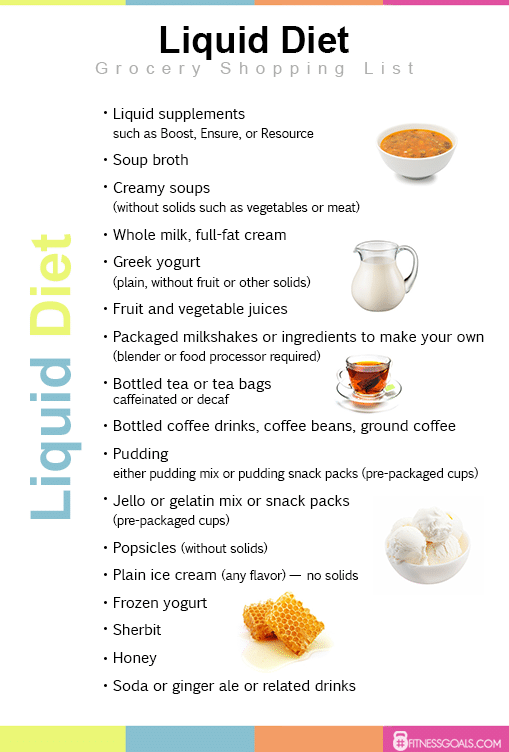
Liquid diets come in various forms, each with unique characteristics. Meal replacement shakesare popular, offering balanced nutrients in a convenient format. They are often used by busy individuals seeking weight management.
Juice cleanses are another option, focusing on fruit and vegetable juices. These can be refreshing but may lack protein and essential fats. Broth-based dietsemphasize soups and broths, providing hydration and warmth.
Medical liquid diets are designed for specific health conditions and should only be followed under professional guidance. Consider what fits your lifestyle and goals.
Nutritional Composition
Liquid diets vary greatly in nutritional content. Some are rich in protein, essential for preserving muscle mass during weight loss. Others may focus on carbohydrates for quick energy.
Fat content can be low, which might affect satiety. Vitamins and minerals are crucial for overall health, but some liquid diets might lack diversity in these nutrients.
It’s important to read labels and understand what your chosen liquid diet offers. You don’t want to sacrifice nutrition for convenience, do you?
Before jumping into any liquid diet, consider your daily nutritional needs. Will you get enough fiber, or will you need supplements? Think about how you can balance your diet to ensure your body gets everything it needs.

Credit: squatwolf.com
Weight Loss Potential
Exploring liquid diets can offer weight loss potential by reducing calorie intake and promoting quick results. These diets typically consist of juices, soups, and smoothies, providing essential nutrients while minimizing solid food consumption.
Embarking on a liquid diet can be a quick way to shed pounds, but what’s the real weight loss potential? This approach involves replacing meals with liquids, often leading to a significant reduction in calorie intake. Yet, the journey isn’t as straightforward as it seems. Let’s explore how this method impacts your body’s weight loss mechanisms.Caloric Deficit Mechanism
A liquid diet primarily induces weight loss through a caloric deficit. By consuming fewer calories than your body needs, you naturally start to lose weight. Consider the case of Sarah, who swapped her usual meals for smoothies and soups. She found herself consuming around 1,200 calories daily, compared to her regular 2,000. This shift led to noticeable weight loss within weeks. But is it sustainable for you? While the numbers on the scale might drop quickly, the real challenge lies in maintaining this deficit without feeling deprived. How do you balance nutrition and satisfaction while sticking to liquids?Metabolic Rate Impact
Another critical factor is how a liquid diet affects your metabolic rate. Initially, you might experience a boost in metabolism as your body adapts to fewer calories. However, over time, there’s a risk your metabolism could slow down. Let’s take the example of John, who after a month on a liquid diet, noticed his energy levels plummeting. His body had adjusted to the reduced calorie intake by conserving energy, which slowed his metabolism. Are you prepared for these potential changes? It’s essential to consider the long-term effects on your metabolism. Will your body respond by burning fewer calories at rest? These are important questions to ponder before committing to a liquid diet for weight loss. Understanding both the caloric deficit mechanism and the metabolic rate impact can help you make informed decisions about whether a liquid diet is right for your weight loss goals.Effective Strategies
Embarking on a liquid diet can be challenging. Effective strategies are crucial for success. They help ensure you get the necessary nutrients while losing weight. Focus on nutrient-rich options and balance macro and micronutrients.
Choosing Nutrient-rich Options
Select liquids packed with vitamins and minerals. Fresh vegetable juices are excellent choices. They provide essential nutrients and keep you energized. Consider protein shakes with added greens. They offer a balanced mix of proteins and vitamins. Choose broths made from lean meats and vegetables. These are low in calories but rich in flavor and nutrients. Avoid sugary drinks that offer empty calories. Opt for smoothies with natural ingredients and no added sugars.
Balancing Macro And Micronutrients
Ensure your liquid diet includes a balance of macronutrients. Protein, fats, and carbohydrates are essential. Protein supports muscle health and helps you feel full longer. Healthy fats, like those in avocados, provide energy. Carbohydrates from fruits and vegetables give you vital fuel. Micronutrients are equally important. Vitamins and minerals play a key role in health. They support immune function and energy levels. Include a variety of juices and broths to cover your needs. A balanced approach prevents deficiencies and promotes weight loss.

Credit: www.youtube.com
Benefits And Risks
Exploring the benefits and risks of a liquid diet can be enlightening. This dietary approach often involves consuming liquids like juices, smoothies, or broths. People sometimes choose it for rapid weight loss or detoxification. Yet, it’s important to understand both the advantages and potential drawbacks.
Short-term Benefits
Liquid diets can lead to quick weight loss. By reducing calorie intake, the body burns stored fat. This process may help shed pounds rapidly. Some people find liquid diets convenient. Preparing liquids can be faster than cooking meals. Liquids may be easier to digest. Digestive systems get a rest from processing solid foods.
Potential Health Risks
Liquid diets may lack essential nutrients. Solid foods provide fiber, vitamins, and minerals. Missing these can affect health over time. Relying only on liquids can lead to muscle loss. Protein intake might be insufficient, causing muscle degradation. Some people experience fatigue or dizziness. Low-calorie intake can decrease energy levels. Liquid diets can trigger hunger or cravings. Solid food absence might increase the desire to eat.
Incorporating Exercise
Embarking on a liquid diet journey to lose weight can be challenging. Exercise plays a crucial role in achieving desired results. Physical activity boosts metabolism. It helps maintain muscle mass. It also improves overall well-being. Choosing the right exercises matters. The body requires energy while on a liquid diet. Suitable exercises ensure you stay on track without overexertion.
Types Of Suitable Exercises
While on a liquid diet, low-impact exercises are ideal. Walking is a gentle way to burn calories. It keeps the heart healthy. Yoga is another excellent option. It enhances flexibility and mental peace. Swimming offers a full-body workout. It is easy on the joints. Pilates strengthens core muscles. It improves posture and balance. These exercises complement a liquid diet effectively.
Hydration Considerations
Staying hydrated is essential during exercise. The body loses fluids through sweat. Drinking water replenishes these lost fluids. It prevents dehydration. Liquid diets may already include plenty of fluids. But extra water intake is necessary during workouts. Monitor your body’s signals. Drink before, during, and after exercise. It keeps energy levels stable. It also ensures optimal performance.
Credit: nmi.edu
Sustainability Challenges
Choosing a liquid diet for weight loss might seem straightforward. Yet, sustaining it poses significant challenges. Many find it difficult to stick to only liquids. The body craves variety and solid foods. This can lead to feelings of deprivation. Such feelings often result in reverting to old habits. Let’s explore some key sustainability challenges.
Transitioning To Solid Foods
Transitioning back to solid foods can be tricky. The digestive system adjusts to liquid intake. Once reintroducing solids, the body might react. Some experience discomfort or digestive issues. This transition needs careful planning. Start with easily digestible foods. Gradually increase the variety and complexity. This helps the body adapt smoothly.
Maintaining Long-term Health
Long-term health requires a balanced diet. Liquid diets often lack essential nutrients. Vitamins and minerals might be insufficient. This can lead to deficiencies over time. Ensuring nutritional balance is crucial. Supplementation might be necessary for some. Regular health check-ups can also help. Monitoring ensures that nutritional needs are met.
Expert Tips
Embarking on a liquid diet for weight loss can be challenging. Expert tips can make the journey smoother and more effective. Guidance from professionals can help balance nutritional needs and weight loss goals. Here are some crucial tips from experts to consider.
Consulting A Nutritionist
Always consult a nutritionist before starting a liquid diet. They ensure your diet includes essential nutrients. This helps prevent deficiencies while losing weight. A nutritionist can tailor the diet to your specific needs. Personalized advice enhances the diet’s effectiveness and safety.
Monitoring Progress
Regularly monitor your progress during the liquid diet. Keep a journal of your weight changes and how you feel. This helps track improvements and identify issues early. Adjustments can be made based on the recorded data. Monitoring helps maintain motivation and achieve better results.
Frequently Asked Questions
How Much Weight Do You Lose On A Liquid Diet?
Weight loss on a liquid diet varies by individual. Generally, people lose 1-3 pounds weekly. Results depend on calorie intake, metabolism, and diet duration. Consulting a healthcare professional before starting is advisable for safety.
Will Going On A Liquid Diet Help You Lose Weight?
A liquid diet can lead to short-term weight loss by reducing calorie intake. It’s not sustainable long-term. Nutrient deficiencies may occur without proper planning. Always consult a healthcare professional before starting any diet. A balanced diet and regular exercise remain the healthiest weight loss strategies.
What Is A Liquid Diet For Weight Loss?
A liquid diet involves consuming only liquids, like smoothies and soups. It’s often used for short-term weight loss. Liquids can be easier to digest and may help control calorie intake. However, it’s crucial to ensure nutritional balance and consult a healthcare professional before starting.
Can You Lose Weight Quickly On A Liquid Diet?
Yes, liquid diets can lead to quick weight loss. They restrict calorie intake significantly, often resulting in rapid results. However, weight loss may include water and muscle loss, not just fat. Long-term success requires a balanced diet and lifestyle changes.
Conclusion
A liquid diet can help with weight loss. It’s important to choose nutritious liquids. This keeps you healthy while losing weight. Remember to monitor your body’s response. Listen to your hunger cues. Incorporate a variety of liquids. You might miss solid foods.
That’s normal. Balance is key for success. Talk to a healthcare professional. They can guide your journey safely. Explore options like smoothies and soups. These can be satisfying and healthy. Make sure to stay hydrated. Water is crucial. Consider this diet as a short-term solution.
Long-term health requires a balanced approach.