Have you ever wondered when diet soda first hit the shelves? Maybe you’ve sipped on a can of your favorite diet cola and pondered its origins.
You’re not alone. Understanding when diet soda was invented can open a fascinating window into how our consumption habits have evolved over time. This isn’t just a tale of fizzy drinks; it’s a story intertwined with health trends, scientific breakthroughs, and consumer demands.
By the end of this article, you’ll uncover the intriguing history of diet soda and discover why it became a staple in so many households around the world. Get ready to quench your curiosity and delve into a refreshing timeline that will change the way you think about your next can of soda.
Early Beginnings
The journey of diet soda began with the desire for healthier choices. People wanted options that were low in calories but still satisfying. This led to the creation of diet soda, a beverage that promised less sugar without losing flavor.
In the 1950s, the first diet soda entered the market. It was a time when health concerns started gaining traction. People were more aware of their sugar intake. The initial product was meant for diabetics who needed low-sugar drinks. It soon became popular with the general public. The demand grew as more people wanted healthier options.
The First Diet Soda
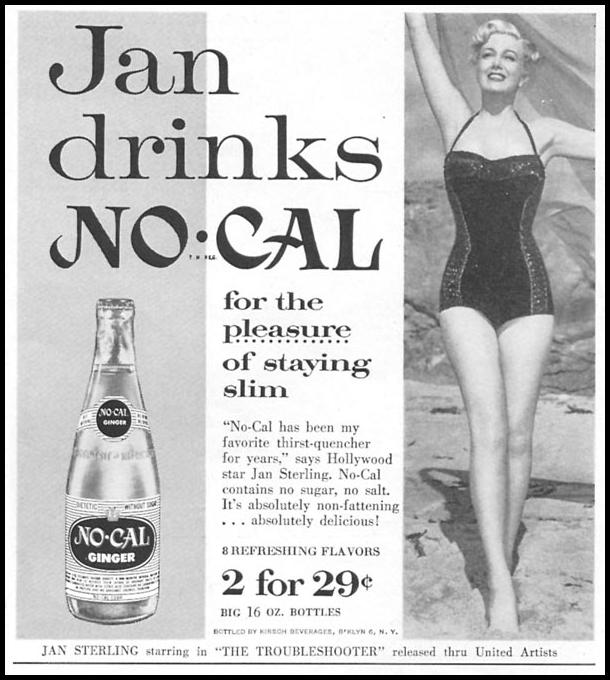
No-Cal was the pioneer in diet soda. It was introduced by Hyman Kirsch in 1952. He was a businessman who wanted to provide a sugar-free drink. The drink used cyclamate as a sweetener. It was sold in Brooklyn, New York. No-Cal targeted those who wanted a low-calorie choice. It laid the foundation for future diet drinks.
Impact On The Beverage Industry
The introduction of diet soda changed the beverage industry. It opened doors for new products and innovations. Companies began experimenting with different sweeteners. They aimed to cater to health-conscious consumers. This led to a variety of choices in the market. Diet soda became a staple in many households. It showed that people cared about their health and diet.
Consumer Demand And Evolution
As consumer demand increased, companies adapted. They developed more flavors and options. The focus was on taste and health benefits. Diet soda evolved over the years, offering diverse choices. This shift changed how beverages were perceived. It highlighted the importance of health in consumer choices.
Rise Of Sugar-free Beverages
Diet soda first appeared in the 1950s. This innovation catered to health-conscious consumers. It paved the way for today’s sugar-free beverage market.
The Rise of Sugar-Free Beverages is a fascinating journey that mirrors our evolving lifestyle choices and health priorities. As our awareness of sugar’s impact on our health grew, so did the demand for alternatives. This shift not only transformed how we consume beverages but also how companies innovate and market their products.Early Beginnings Of Diet Soda
Diet soda was born out of necessity and ingenuity. In the 1950s, the first sugar-free soda, No-Cal, was introduced by Hyman Kirsch. It targeted diabetics and those needing to limit sugar intake, marking a pivotal moment in the beverage industry.Changing Consumer Preferences
As health consciousness increased, so did the demand for sugar-free options. People began to scrutinize labels more closely, seeking beverages that aligned with their desire for fewer calories. This trend prompted companies to expand their product lines to include more diet options.Major Brands Enter The Market
Coca-Cola and Pepsi quickly recognized the potential of sugar-free drinks. In 1963, Coca-Cola launched Tab, followed by Diet Pepsi in 1964. These major players helped diet soda become mainstream, making it a staple in households across the globe.Impact Of Marketing On Sugar-free Beverages
Advertising played a crucial role in diet soda’s popularity. Clever marketing campaigns focused on themes like fitness and lifestyle, resonating with a wide audience. Brands used slogans and celebrity endorsements to connect with consumers, emphasizing the benefits of sugar-free choices.Consumer Health Trends Today
Today, the sugar-free market continues to evolve. With the rise of keto and low-carb diets, consumers are more mindful of their sugar intake than ever before. You might find yourself choosing a diet soda not just for weight management, but for overall wellness. Have you ever paused to think about how your beverage choices reflect your lifestyle? The evolution of diet soda is a testament to the power of informed decisions and the changing landscape of consumer needs.The Birth Of No-cal
In the mid-20th century, a new trend emerged in the beverage industry. A drink that promised the flavor of soda without the calories. This was the birth of diet soda. Its introduction marked a turning point for those watching their waistlines. Among the pioneers was No-Cal, a drink designed for diabetics and calorie-conscious individuals.
The Emergence Of No-cal
No-Cal was introduced in 1952 by Hyman Kirsch. He aimed to provide a tasty option for diabetics. His creation was a sugar-free ginger ale. It quickly gained popularity among those seeking low-calorie options. The drink’s success paved the way for other diet sodas.
Why No-cal Gained Popularity
No-Cal offered a solution during a time of dietary awareness. People were becoming more conscious of their calorie intake. The demand for healthier beverages was rising. No-Cal met this demand by offering a guilt-free indulgence. It appealed to both diabetics and the health-conscious.
The Role Of Artificial Sweeteners
No-Cal used cyclamate as its primary sweetener. This artificial sweetener was crucial in creating a sugar-free product. It provided the sweetness without the calories. This innovation was key to No-Cal’s early success. Cyclamate’s use continued until it faced health-related scrutiny.
Impact On The Beverage Industry
No-Cal’s introduction had a lasting impact. It opened the door for other diet sodas. Companies recognized the growing market for low-calorie drinks. This led to a boom in diet soda offerings. No-Cal’s success demonstrated the potential of sugar-free beverages. Its legacy continues in today’s diet soda market.
Credit: exploredallashistory.com
Introduction Of Diet Rite
Diet Rite introduced the world to diet soda in 1958. This innovation offered a sugar-free alternative for those seeking healthier beverage options. Its creation marked a significant shift in the beverage industry, catering to health-conscious consumers.
Diet soda has become a staple for many people looking to enjoy the taste of soda without the calories. But have you ever wondered when the first diet soda was introduced? Let’s travel back to the 1950s, a time when the idea of a calorie-free soda was revolutionary. Diet Rite was the first diet soda to hit the market, and its introduction marked a significant shift in the beverage industry. This was not just a new product; it was a new way of thinking about what we drink.The Birth Of A Game-changer
Diet Rite was introduced in 1958 by the Royal Crown Cola Company. It was the first diet soda available on a national scale. Before Diet Rite, there were no real options for those looking to enjoy soda without sugar. Its introduction offered a new choice for people with dietary restrictions or those simply wanting to cut back on sugar.Why Diet Rite Was Revolutionary
Imagine walking into a grocery store in the late 1950s. Shelves filled with sugary drinks, and then you spot something different. Diet Rite wasn’t just about fewer calories; it was about offering an alternative. This soda opened the door for people to enjoy what they love without compromise. It allowed people to maintain a healthier lifestyle while still enjoying their favorite flavors.How Did People React?
The introduction of Diet Rite received mixed reactions. Some were skeptical about the taste, while others were excited about a guilt-free treat. Personal experience: My grandmother often mentioned how her friends were hesitant at first but quickly grew to love the new taste. It was like finding a hidden treasure that everyone wanted to try.The Impact On The Beverage Industry
Diet Rite paved the way for many other diet sodas. After its success, other companies quickly followed suit, creating their own versions. This innovation led to an explosion of diet options. Today, you can find diet versions of almost any soda, thanks to the trail Diet Rite blazed.What Can You Learn From Diet Rite’s Success?
Diet Rite’s success teaches us the power of innovation and understanding consumer needs. It shows that listening to what people want can lead to groundbreaking products. Have you ever thought about a product that could be improved? Perhaps you have an idea that can change the way people think about everyday items.Conclusion: A Lesson In Innovation
Diet Rite was more than just a new soda; it was a new way of thinking about health and enjoyment. It teaches the importance of offering choices and adapting to consumer desires. Next time you sip a diet soda, think about how it all started with Diet Rite. The next big idea could be yours.Impact Of Artificial Sweeteners
Artificial sweeteners have played a significant role in diet soda’s history. These sweeteners mimic sugar’s taste without the calories. Understanding their impact is crucial for those who consume diet sodas. Let’s explore how these sweeteners affect health and consumer choices.
Health Effects Of Artificial Sweeteners
Artificial sweeteners are low in calories. This attracts many health-conscious consumers. People use them to reduce sugar intake. Yet, there are concerns about their safety. Some studies link them to health issues. These include headaches and digestive problems.
Despite concerns, the FDA approves several sweeteners. Aspartame, sucralose, and saccharin are common in diet sodas. They provide sweetness without raising blood sugar levels. This benefits people with diabetes.
Consumer Preferences And Trends
Consumer preferences have changed over the years. Many people choose diet sodas to cut sugar. Others prefer them for weight management. Artificial sweeteners make this possible. They allow people to enjoy sweet drinks without the guilt.
Trends show a growing demand for healthier options. More people are aware of sugar’s effects. They seek alternatives that fit their lifestyle. Diet sodas with artificial sweeteners meet this demand.
Environmental Impact Of Artificial Sweeteners
Artificial sweeteners affect the environment too. They end up in water systems. This happens through human waste. Some studies show they harm aquatic life. Sweeteners are not fully removed by wastewater treatment.
Researchers continue to study their environmental effects. The goal is to find solutions. Reducing environmental impact is important. Consumers and companies must work together.
Artificial Sweeteners And Public Perception
Public perception of artificial sweeteners varies. Some people trust them. Others worry about potential risks. Media reports often influence opinions. Conflicting studies add to the confusion.
Education is key to understanding. Knowing the facts helps consumers make informed choices. Transparency from manufacturers is important too.
Credit: americanhistory.si.edu
Cultural Shift In The 1960s
The 1960s marked a significant change in societal norms. People began to focus on health. This was a decade full of innovation and change. The rise of diet soda played a role in this shift. It offered a new choice for health-conscious individuals.
During this time, the public’s awareness of diet grew. Low-calorie options became popular. This demand led to new food and drink products. Diet soda met the need for healthier choices.
Introduction Of The First Diet Soda
The first diet soda hit shelves in 1952. It was called “No-Cal.” Originally, it was created for diabetics. Soon, it gained popularity among the general public. By the 1960s, diet soda sales soared.
Diet Soda And The Health Movement
The health movement of the 1960s influenced many. People wanted to eat better and stay fit. Diet soda provided a calorie-free alternative to regular soda. This made it attractive to those watching their weight.
Advertising And Popular Culture
Advertising played a big role in diet soda’s success. Companies marketed it as a healthier choice. Celebrities endorsed these drinks, boosting their appeal. Diet soda became a symbol of the modern lifestyle.
Impact On Society
Diet soda changed how people thought about drinks. It showed that taste and health could go together. This shift in thinking influenced future food and beverage trends. The 1960s cultural shift paved the way for today’s health-conscious world.
Competition And Market Expansion
Diet soda was first introduced to the market in 1952. It emerged as a response to consumer demand for healthier beverage options. This innovative drink quickly gained popularity, sparking competition and expanding market opportunities for beverage companies.
The invention of diet soda introduced a new frontier in the beverage industry, leading to intense competition and a rapidly expanding market. As diet drinks gained popularity, soft drink companies scrambled to capture the growing demand for low-calorie alternatives. This competition spurred innovation and diversity in product offerings, reshaping consumer preferences and market dynamics.Competition Among Major Brands
In the early days, only a few brands ventured into the diet soda market. However, as sales began to soar, major players like Coca-Cola and Pepsi launched their own versions. Coca-Cola introduced Tab in 1963, while Pepsi followed with Diet Pepsi in 1964. These brands didn’t just compete on taste but also on marketing strategies. You might remember seeing vibrant advertisements promising a guilt-free indulgence. This fierce rivalry pushed each company to innovate and improve their formulations continually.Expansion Of Product Lines
As the market for diet sodas expanded, so did the variety of flavors and products. Companies began to offer diverse options, such as caffeine-free and flavored varieties, to cater to different tastes. The introduction of products like Diet Coke in 1982 showed a shift towards creating sub-brands that stood on their own. This expansion wasn’t just limited to flavors. Packaging also evolved, with sleek cans and bottles designed to appeal to health-conscious consumers. Have you ever noticed how a simple change in packaging can make a product more appealing?Impact On Consumer Choice
The competition among brands and the expansion of product lines transformed the way consumers made choices. With more options available, people began to explore different diet sodas to find their perfect match. This variety encouraged customers to try new flavors, creating a dynamic and ever-changing market landscape. You might have found yourself switching loyalties from one brand to another, driven by curiosity and taste preferences. This constant exploration by consumers forced companies to stay on their toes, always innovating to retain their customer base.Challenges And Opportunities
The expansion of the diet soda market wasn’t without its challenges. Health concerns about artificial sweeteners and consumer skepticism posed hurdles for companies. Yet, these challenges also presented opportunities for brands to innovate and address these issues. Companies began investing in research to develop better-tasting and healthier alternatives. This ongoing quest for improvement not only helped overcome obstacles but also opened new avenues for growth. What changes have you noticed in the diet soda industry over the years? The story of diet soda’s competition and market expansion is a fascinating example of how consumer demand can drive innovation and change. As you sip your next diet soda, think about the journey it took to land in your hands.Evolution Of Diet Soda Flavors
Diet soda was invented in the 1950s, marking a shift in beverage options. Early flavors focused on classic tastes like cola and lemon-lime. Over time, variety expanded, introducing cherry, vanilla, and more, catering to diverse preferences.
The journey of diet soda flavors is a fascinating tale of innovation and consumer demand. Initially, diet sodas were created to cater to those seeking a sugar-free alternative. Over time, as consumer tastes evolved, so did the variety of flavors, transforming the market from simple choices to a diverse palette that caters to every taste bud.Initial Flavors: A Simple Beginning
When diet sodas first hit the shelves, the options were limited. Classic flavors like cola and lemon-lime were among the first to be introduced. The focus was on maintaining the familiar taste of regular sodas while reducing sugar content.The Rise Of Fruity Flavors
As companies sought to expand their market, fruity flavors began to appear. Flavors like cherry, orange, and grape offered a refreshing twist to the traditional soda experience. These options attracted a younger audience looking for something different.Experimentation With Exotic Flavors
Diet soda makers didn’t stop at just the basic fruits. Over time, more exotic options like mango, pomegranate, and kiwi emerged. These flavors catered to adventurous consumers eager for unique taste experiences.Seasonal And Limited Edition Flavors
To keep the market excited, brands introduced seasonal and limited edition flavors. Think about the excitement of trying a pumpkin spice diet soda in the fall. These special editions create buzz and encourage consumers to try new tastes.Health-conscious Innovations
As health trends gained traction, so did the demand for healthier diet soda options. Brands responded with flavors infused with vitamins or antioxidants. This shift not only appealed to health-conscious individuals but also expanded the diet soda’s appeal to a broader audience.Interactive Flavor Development
Have you ever voted for a new soda flavor? Some brands engage their consumers in the flavor development process. This interaction not only builds a community around the brand but also ensures that new flavors align with consumer preferences. The evolution of diet soda flavors reflects a broader trend of personalization in consumer products. Have you ever tried creating your own soda mix using different flavors? This playful experimentation is what keeps the world of diet soda exciting and ever-evolving. What flavor would you love to see next?Health Debates And Public Perception
Diet soda’s invention dates back to the 1950s, sparking debates about its health impacts. Public perception fluctuates, with concerns over artificial sweeteners and potential health risks. Despite controversies, diet soda remains popular among those seeking low-calorie alternatives.
Diet soda has been a topic of debate since its invention. People often discuss its impact on health. Some praise it as a sugar-free option. Others question its safety. Public perception of diet soda varies widely. It sparks conversations about health and well-being.Health Concerns Around Artificial Sweeteners
Artificial sweeteners are a major concern. Critics worry about their long-term effects. Studies have shown mixed results. Some research suggests potential health risks. Others find no significant harm. This inconsistency fuels debate. Consumers are left uncertain. They wonder if diet soda is safe.Weight Management And Metabolic Effects
Diet soda promises fewer calories. People choose it for weight management. But some studies raise doubts. They suggest diet soda affects metabolism. This could hinder weight loss efforts. These findings surprise many consumers. They rethink their beverage choices.Dental Health Implications
Sugary sodas are known to harm teeth. Diet soda claims to be better. It contains no sugar, reducing cavity risk. But acidity levels remain high. Acidity can erode tooth enamel. Dental experts advise caution. Regular consumption might still impact dental health.Public Perception And Marketing Influence
Marketing plays a big role in public perception. Brands highlight the benefits of diet soda. They promote it as a healthy alternative. Consumers are influenced by these messages. Some believe diet soda is healthy. Others remain skeptical. They rely on scientific evidence instead.Environmental Concerns
Diet soda packaging raises environmental concerns. Plastic waste is a major issue. Consumers are increasingly eco-conscious. They seek sustainable options. Brands face pressure to innovate. They must balance health benefits with environmental responsibility.Diet Soda Today
Diet soda has transformed since its invention. Once a niche product, it’s now a staple in many households. Modern diet sodas cater to health-conscious consumers. They offer flavors and options that appeal to a wide audience. Let’s explore the world of diet soda today.
Ingredients And Sweeteners
Today’s diet sodas use various sweeteners. Aspartame, sucralose, and stevia are common choices. These sweeteners provide sweetness without calories. Manufacturers often combine them for a balanced taste. This helps mimic the flavor of regular sodas.
Flavors And Varieties
The market offers a vast array of flavors. Classic cola remains popular. But fruit flavors are gaining ground. Lemon, lime, and berry are fan favorites. Some brands even offer exotic flavors. Diet soda is no longer limited to just cola.
Health Considerations
Many people choose diet soda for health reasons. It offers a calorie-free alternative to sugary drinks. This is appealing for those watching their sugar intake. Yet, some remain skeptical about artificial sweeteners. Research continues on their long-term effects.
Market Trends
Diet soda sales fluctuate with consumer trends. Health trends influence buying habits. Many brands now offer “natural” diet options. These use plant-based sweeteners like stevia. The market constantly adapts to consumer preferences.
Environmental Impact
Packaging and waste are concerns for soda brands. Many now focus on eco-friendly packaging. Recyclable and biodegradable options are more common. This shift reflects growing environmental awareness. Consumers support brands with sustainable practices.
Credit: www.coca-colacompany.com
Frequently Asked Questions
When Did Diet Soda Become Popular?
Diet soda gained popularity in the 1960s. Consumers wanted low-calorie alternatives to regular sodas. Brands like Tab and Diet Pepsi led the trend. The introduction of artificial sweeteners fueled its growth. Diet soda quickly became a staple in the beverage industry.
Did Diet Pepsi Or Diet Coke Come First?
Diet Pepsi was launched in 1964. Diet Coke came later in 1982. Diet Pepsi came first.
What Was The Diet Soda In The 70s?
The popular diet soda in the 70s was Tab, introduced by Coca-Cola in 1963. It used saccharin as a sweetener. Another was Diet Pepsi, launched in 1964, which gained popularity quickly. Both targeted calorie-conscious consumers and became iconic diet soda options during the decade.
What Was The First Diet Soda In The Us?
Diet Rite was the first diet soda in the US, introduced in 1958 by the Royal Crown Cola Company. It gained popularity as a sugar-free alternative to regular sodas. Diet Rite paved the way for the diet soda market, leading to more options for consumers seeking low-calorie beverages.
Conclusion
Diet soda has a fascinating history. It started in the early 1950s. People loved the idea of fewer calories. Diet soda offered a new choice for health-conscious individuals. It grew in popularity over the years. Many brands now offer their own versions.
It’s clear that diet soda made an impact. Health concerns continue to spark debates today. Consumers still enjoy the variety. Diet soda remains a popular option worldwide. Its invention marked a significant shift. Refreshing, tasty, and low-calorie. Diet soda’s story is ongoing.
Who knows what the future holds for this fizzy favorite?