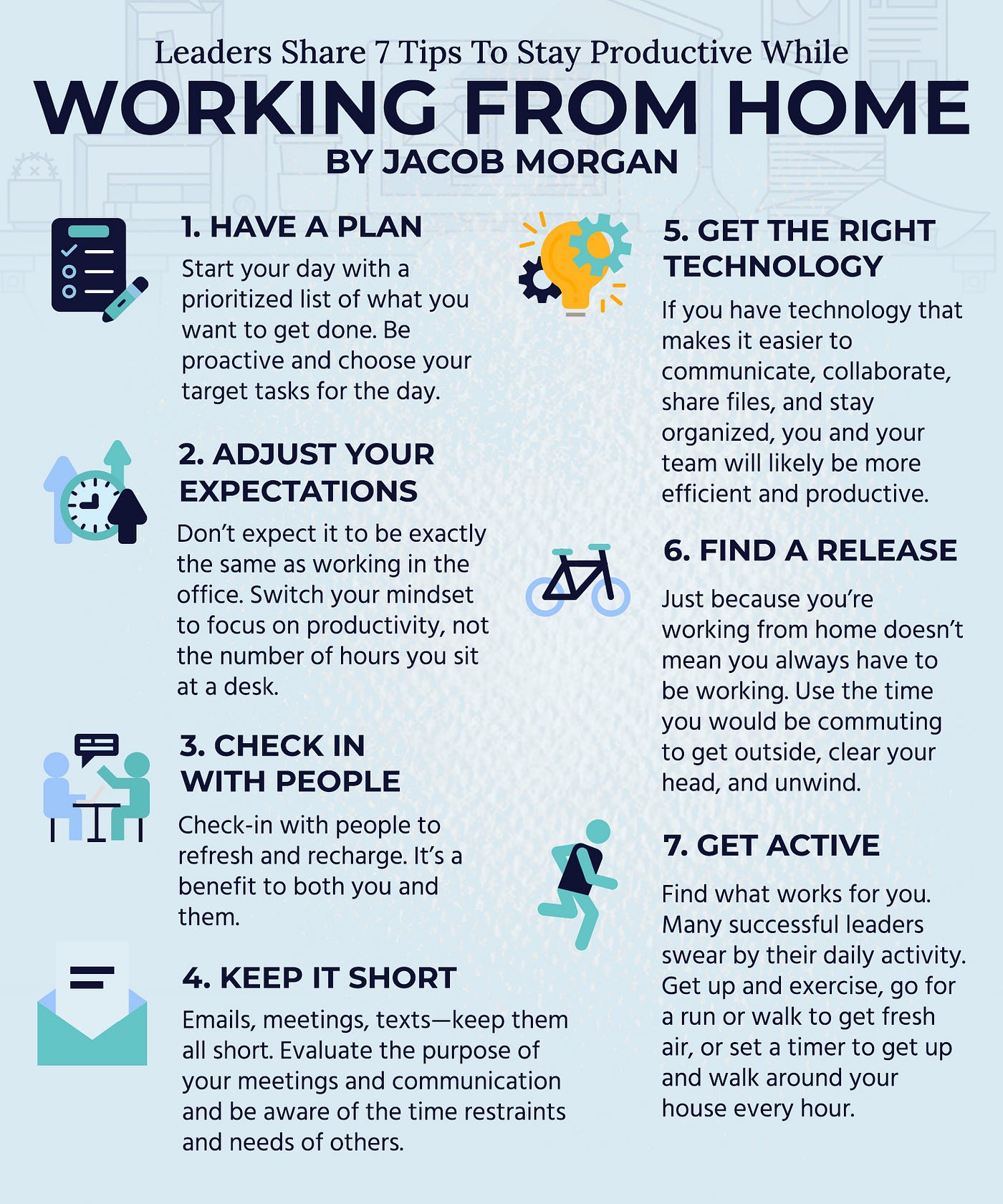
Working from home can feel like a dream come true, but it also brings its own set of challenges for your mental health. You might find yourself feeling isolated, stressed, or struggling to keep a clear boundary between work and personal life.
If this sounds familiar, you’re not alone—and the good news is, there are simple, effective ways to protect your mind and boost your well-being every day. Keep reading to discover practical mental health tips that will help you stay balanced, focused, and happier while working from home.
Your peace of mind is just a few changes away.
Creating A Productive Workspace
Creating a productive workspace at home is essential for maintaining good mental health while working remotely. It shapes how you focus, manage stress, and separate work from personal life. Getting your workspace right can make a huge difference in your daily mood and output.
Choosing The Right Location
Your workspace location sets the tone for your workday. Ideally, pick a spot with natural light to boost your energy and mood. If you don’t have a dedicated room, even a quiet corner can work well.
Think about noise levels. Can you hear distractions easily? If yes, try noise-cancelling headphones or soft background music to help you concentrate. Have you noticed how working near a window refreshes your mind?
Minimizing Distractions
Distractions are productivity killers and can increase stress. Identify what pulls your attention away—social media, household chores, or noisy family members. Keep your phone on silent or in another room during deep work sessions.
Create boundaries with those around you. Clear communication about your work hours helps reduce interruptions. You might find a “do not disturb” sign useful. How often do you find yourself drifting off because of little distractions?
Ergonomic Setup
Your body will thank you for a comfortable, supportive workspace. Invest in a good chair that supports your back and keeps your posture upright. Position your screen at eye level to avoid neck strain.
Small changes like using a separate keyboard or mouse can reduce wrist pain. Stretch regularly to keep your muscles relaxed. Have you noticed how physical discomfort affects your focus and mood?
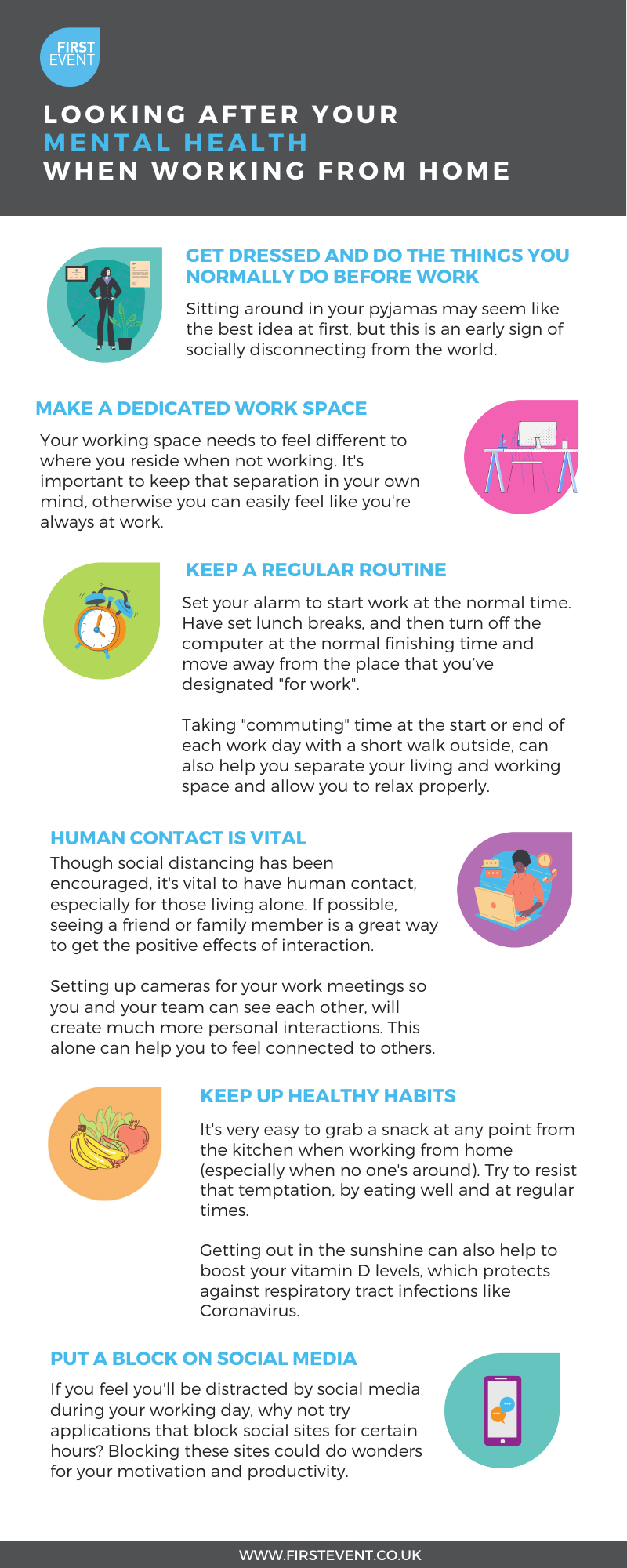
Credit: medium.com
Establishing A Routine
Establishing a routine is key to maintaining mental health while working from home. It creates structure and helps separate work from personal life. A clear routine reduces stress and boosts productivity. It also makes the day feel more balanced and manageable.
Setting Clear Work Hours
Define specific start and end times for your workday. Stick to these hours to avoid overworking. Use an alarm or calendar reminder to signal when to begin and finish. This helps your mind switch between work and rest modes. Clear hours give your day a natural rhythm.
Incorporating Breaks
Take short breaks every hour or so. Stand up, stretch, or walk around for a few minutes. Breaks refresh your mind and body. They prevent burnout and improve focus. Use breaks to breathe deeply or do light exercises. Regular pauses make work less tiring.
Balancing Work And Personal Time
Separate work tasks from personal activities. Avoid checking emails or messages after work hours. Spend time on hobbies, family, or relaxation. This balance helps reduce stress and improves overall mood. Create a clear end to your workday and enjoy your free time fully.
Managing Stress And Anxiety
Managing stress and anxiety while working from home can be challenging. The blurred lines between work and personal life often create pressure that is hard to shake off. Finding effective ways to calm your mind is essential for maintaining your mental health and staying productive.
Mindfulness Practices
Mindfulness helps you stay present and focused, reducing feelings of overwhelm. Try setting aside just five minutes daily to notice your surroundings, your breath, or even your thoughts without judgment. This simple habit can create a mental pause that refreshes your perspective.
Have you ever caught yourself stressing over emails late at night? Mindfulness can interrupt that cycle by grounding you in the moment. Even a short walk outside while paying attention to your steps and breath can ease anxiety and clear your head.
Breathing Exercises
Breathing exercises are quick tools you can use anytime stress builds up. Deep, slow breaths activate your body’s relaxation response and lower your heart rate. Try inhaling for four seconds, holding for four, and exhaling for six—a pattern known to calm nerves effectively.
One day, I felt overwhelmed with back-to-back meetings. Taking a two-minute breathing break helped me regain focus and avoid burnout. Can you imagine how often you could reset your mood just by changing your breath?
Seeking Professional Help
Sometimes, stress and anxiety become too much to handle alone. Speaking with a mental health professional can provide tailored strategies and support. Therapy or counseling sessions, even virtually, offer a safe space to explore your feelings without judgment.
Don’t hesitate to reach out if you notice persistent anxiety affecting your daily work and life balance. What could happen if you gave yourself permission to ask for help and prioritize your mental well-being?
Staying Connected
Staying connected is vital for good mental health while working from home. Isolation can lead to stress and loneliness. Keeping in touch with colleagues and friends helps maintain a sense of community. It also supports motivation and reduces feelings of being alone. Simple actions can build strong connections despite physical distance.
Virtual Socializing
Virtual socializing brings people together through video calls and chats. Schedule regular video meetings to chat casually. Join online group activities like games or coffee breaks. These moments create informal spaces to share feelings and laugh. They help break the monotony of work and build bonds.
Regular Check-ins
Regular check-ins with team members keep communication open. Managers should ask about work progress and personal well-being. Colleagues can set up daily or weekly calls to share updates. Checking in shows care and support. It reduces misunderstandings and builds trust.
Collaborative Tools
Collaborative tools improve teamwork and connection. Use apps like Slack, Microsoft Teams, or Google Workspace. These tools allow easy sharing of ideas and files. They encourage quick conversations and group discussions. Using such tools helps everyone feel involved and connected.
Maintaining Physical Health
Maintaining physical health is essential for mental well-being while working from home. Staying active and eating well supports focus and energy levels. Good sleep helps the mind recover and stay sharp.
Exercise Routines
Regular exercise reduces stress and boosts mood. Short workouts break up long sitting periods. Simple activities like stretching or walking improve circulation. Set a daily routine to stay consistent. Even 10 minutes can make a difference.
Healthy Eating Habits
Balanced meals fuel both body and mind. Choose whole foods like fruits, vegetables, and grains. Avoid too much sugar or processed snacks. Drink water often to stay hydrated. Plan meals to prevent unhealthy snacking during work.
Sleep Hygiene
Good sleep strengthens mental focus and emotional health. Keep a regular bedtime and wake-up time. Avoid screens at least 30 minutes before bed. Create a calm and dark sleep space. Limit caffeine and heavy meals before sleeping.
Enhancing Focus And Concentration
Enhancing focus and concentration is key to staying productive while working from home. Distractions are everywhere, and they can easily pull your attention away. Creating a clear plan and using smart strategies can help maintain your mental clarity.
Small changes in how you manage your time and tasks can make a big difference. Choosing the right tools and techniques helps you stay on track and reduces stress.
Time Management Techniques
Break your work into short, focused sessions. Use timers to remind you to take regular breaks. This prevents burnout and keeps your mind fresh.
- Set specific start and end times for tasks.
- Use a daily schedule or planner.
- Limit multitasking to improve concentration.
Task Prioritization
List tasks by importance and urgency. Complete high-priority tasks first to avoid last-minute pressure.
- Focus on one task at a time.
- Break complex tasks into smaller steps.
- Review and adjust your priorities daily.
Using Technology Wisely
Choose apps and tools that support your work without causing distractions. Turn off non-essential notifications during work periods.
- Use website blockers to avoid social media.
- Organize digital files for quick access.
- Keep your workspace and desktop clutter-free.
Fostering Work-life Balance
Fostering work-life balance is vital for good mental health while working from home. It helps keep stress low and focus high. Clear separation between work and personal time creates calm and energy. This balance improves productivity and overall happiness.
Setting Boundaries
Set clear work hours and stick to them. Let family or housemates know your schedule. Create a dedicated workspace that feels separate from your living area. Avoid checking work emails or messages outside these hours. Boundaries protect your time and help switch off from work stress.
Unplugging After Work
Turn off work devices once your day ends. Avoid work calls or emails in free time. Use this time to relax and recharge. Try simple activities like reading or taking a walk. Unplugging helps your brain rest and reduces burnout risks.
Engaging In Hobbies
Find hobbies that bring joy and calm. It could be gardening, drawing, cooking, or playing music. Hobbies shift your mind away from work tasks. They improve mood and boost creativity. Make time for hobbies regularly to keep balance and mental peace.

Credit: www.facebook.com

Credit: farrahbrittany.com
Frequently Asked Questions
How Can I Manage Stress While Working From Home?
To manage stress, create a daily routine and take regular breaks. Practice deep breathing or meditation. Stay connected with colleagues to reduce isolation and maintain a healthy work-life balance.
What Are Effective Ways To Stay Motivated Remotely?
Set clear goals and prioritize tasks daily. Use a dedicated workspace free from distractions. Celebrate small wins and maintain regular communication with your team for motivation.
How Do I Maintain Mental Health During Remote Work?
Maintain a balanced schedule including work, exercise, and relaxation. Limit screen time and engage in hobbies. Reach out for support when feeling overwhelmed or isolated.
How Important Is A Workspace For Mental Health?
A dedicated workspace helps separate work and personal life. It reduces distractions and improves focus, positively impacting mental well-being and productivity.
Conclusion
Working from home can be good and hard at the same time. Taking breaks helps clear your mind and reduce stress. Keep a routine to stay focused and calm. Talk to friends or family when you feel lonely. Move your body to feel better and stay healthy.
Small steps can improve your mental health every day. Remember, you are not alone in this. Try these tips and see what works best for you. Your well-being matters most, so take care of it.