
Feeling overwhelmed by schoolwork, deadlines, or social pressures? You’re not alone.
Taking care of your mental health is just as important as studying for exams. Imagine having simple, effective ways to boost your mood, focus better, and handle stress without feeling drained. This article will share practical mental health tips tailored just for you, helping you stay balanced and confident throughout your student life.
Keep reading to discover easy changes that can make a big difference in how you feel every day.
Balancing Academic And Personal Life
Balancing academic responsibilities with your personal life can feel like walking a tightrope. It’s easy to get overwhelmed when coursework, deadlines, social events, and self-care all demand your attention. Finding a balance isn’t about perfect harmony every day, but about making choices that keep you mentally healthy and productive over time.
Setting Realistic Goals
Setting goals that fit your actual time and energy is key. Break big projects into smaller steps you can handle daily. This way, progress feels manageable, not crushing.
Think about what you truly need to achieve each week. Does every assignment require a perfect score, or is passing enough? Adjust your goals to avoid burnout and keep motivation high.
Time Management Techniques
Good time management gives you control over your day and reduces stress. Try using a planner or digital calendar to block out study time, breaks, and personal activities.
Use the Pomodoro Technique: study for 25 minutes, then take a 5-minute break. This keeps your mind fresh and focused. You might be surprised how much you can get done in short bursts.
Prioritizing Self-care
Self-care isn’t a luxury; it’s a necessity. Make sure to schedule activities that recharge you, like exercise, hobbies, or simply resting.
Ask yourself: Are you sleeping enough? Eating well? Taking time away from screens? These small habits directly affect your mood and concentration.
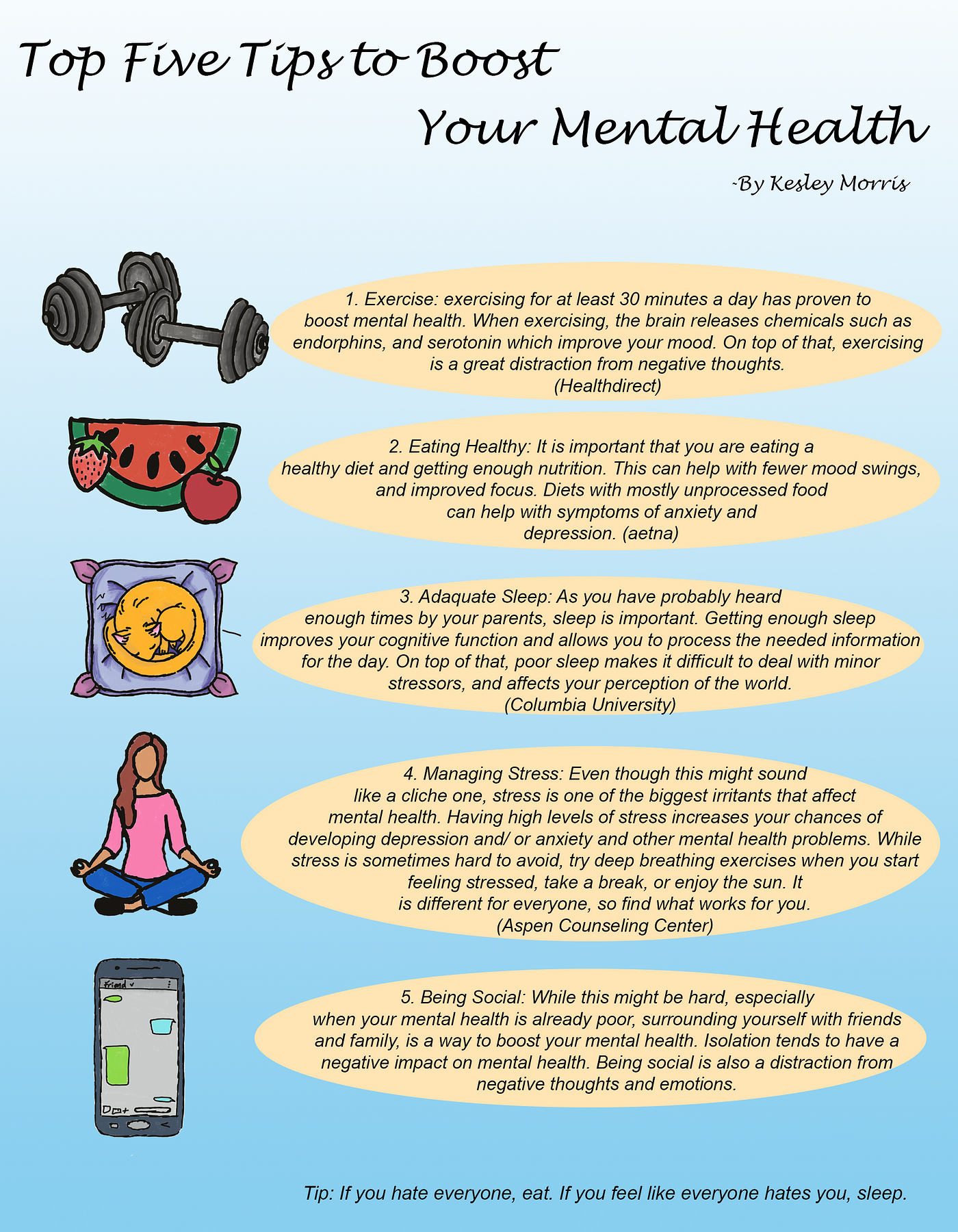
Credit: medium.com
Building Resilience
Building resilience helps students handle tough times and bounce back stronger. It boosts mental strength and supports overall well-being. Resilience grows through practice and positive habits.
Developing A Growth Mindset
A growth mindset means believing abilities can improve with effort. Students learn from mistakes instead of fearing failure. This mindset encourages trying new things and staying motivated.
- Focus on learning, not just grades.
- See challenges as chances to grow.
- Use “yet” to stay positive, like “I can’t do this yet.”
Coping With Stress And Anxiety
Stress and anxiety affect many students during school years. Managing these feelings is key to staying resilient. Simple habits can calm the mind and body.
- Practice deep breathing exercises daily.
- Take short breaks during study sessions.
- Talk to friends, family, or counselors.
Embracing Challenges
Challenges are part of learning and growth. Facing them builds confidence and resilience. Students should welcome challenges as opportunities to improve.
- Set small, clear goals for difficult tasks.
- Celebrate progress, no matter how small.
- Remember that effort leads to success over time.
Effective Study Habits
Effective study habits are key to maintaining both your academic performance and mental well-being. How you approach studying can either reduce stress or add to it. Developing habits that keep you focused and motivated helps you learn better while feeling more in control of your workload.
Creating A Productive Environment
Your study space affects how well you concentrate. Choose a quiet spot with good lighting where distractions are minimal. Keep your desk tidy and only have study materials within reach to avoid unnecessary interruptions.
Think about your personal preferences too. Some students focus best with soft background music, while others need complete silence. Adjust your environment until it feels comfortable but not too relaxed, so you stay alert.
Active Learning Strategies
Reading passively rarely helps you remember information. Try explaining concepts out loud or teaching them to someone else. Writing summaries in your own words deepens understanding and highlights areas needing more attention.
Use tools like flashcards, mind maps, or quizzes to engage different parts of your brain. These strategies make study sessions more interactive and less monotonous. Have you tried turning your notes into questions and answering them? It’s a great way to test your knowledge actively.
Avoiding Procrastination
Procrastination often hides behind small distractions or unclear goals. Break your study tasks into small, specific chunks and set short deadlines for each. This makes starting less overwhelming and keeps you moving forward.
Use timers to work in focused bursts, such as 25 minutes of study followed by a 5-minute break. This technique, often called the Pomodoro method, helps maintain energy and prevents burnout. What small step can you take right now to begin your next study session?

Credit: x.com
Social Connections
Social connections play a vital role in maintaining mental health for students. Building strong bonds helps reduce feelings of loneliness and stress. Friends and peers provide emotional support during tough times. Being part of a community creates a sense of belonging and security.
Cultivating Supportive Relationships
Focus on building trust with classmates and friends. Share your thoughts and listen to others with care. Supportive relationships boost confidence and reduce anxiety. Spend time with people who encourage your growth and well-being. Avoid relationships that drain your energy or cause stress.
Engaging In Extracurricular Activities
Join clubs, sports, or hobby groups to meet new people. Activities help develop skills and create fun memories. Being involved provides a break from academic pressure. It connects you with others who share your interests. Regular participation improves mood and builds social skills.
Seeking Help When Needed
Reach out to counselors, teachers, or trusted adults if feeling overwhelmed. Asking for help is a sign of strength, not weakness. Professional support offers tools to manage stress and emotions. Talking openly reduces the burden of mental challenges. Never hesitate to seek help early to stay balanced.
Healthy Lifestyle Choices
Healthy lifestyle choices strongly support mental health. Students face many pressures daily. Simple habits can ease stress and improve mood. Good nutrition, regular exercise, quality sleep, and mindfulness help maintain balance. These choices build resilience and focus, making study time more effective.
Nutrition And Physical Activity
Eating balanced meals fuels the brain and body. Choose fruits, vegetables, whole grains, and lean proteins. Avoid too much sugar and junk food. Drink water to stay hydrated. Physical activity releases feel-good chemicals. Aim for at least 30 minutes of exercise most days. Walking, cycling, or dancing are great options.
Sleep Hygiene
Sleep restores energy and sharpens concentration. Try to keep a regular bedtime and wake-up time. Create a calm, dark, and quiet sleep space. Avoid screens an hour before sleeping. Limit caffeine and heavy meals late in the day. Good sleep helps manage emotions and improves memory.
Mindfulness And Relaxation Techniques
Mindfulness means paying attention to the present moment. It reduces anxiety and increases calmness. Simple breathing exercises or short meditation sessions work well. Try deep breaths or focus on your senses. Relaxation techniques like stretching or listening to soft music also help. These practices refresh the mind and body.
Utilizing Campus Resources
Campus resources offer valuable support for students facing mental health challenges. These services provide a safe space and helpful tools to manage stress. Accessing them can improve well-being and academic success. Many students do not realize how much help is available on campus.
Taking time to explore these resources can ease pressure. It also connects students with professionals and peers who understand their struggles. Using campus support can build resilience and boost confidence.
Counseling Services
Counseling services provide confidential help for mental health issues. Licensed counselors listen and offer guidance tailored to each student. They help with anxiety, depression, stress, and personal problems.
Sessions are free or low-cost for enrolled students. Some centers also offer group therapy and crisis support. Students can schedule appointments online or by phone. These services create a safe place to share feelings and find solutions.
Academic Support Centers
Academic support centers assist with study skills and time management. They offer tutoring, workshops, and resources to improve learning. Struggles with coursework often increase stress and anxiety.
Getting help from these centers can reduce pressure and boost grades. Staff work closely with students to create personalized plans. This support helps balance academic demands and mental health.
Peer Support Networks
Peer support networks connect students with others facing similar challenges. These groups provide understanding, friendship, and encouragement. Sharing experiences can reduce feelings of isolation.
Many campuses have peer-led support groups and clubs. Members meet regularly to talk and support one another. Being part of a community helps build strength and hope.

Credit: www.nationaleatingdisorders.org
Frequently Asked Questions
How Can Students Manage Stress Effectively?
Students can manage stress by practicing mindfulness, exercising regularly, and maintaining a balanced routine. Time management and seeking support from friends or counselors also help reduce stress and improve mental health.
What Are Simple Daily Habits For Better Student Mental Health?
Daily habits like sufficient sleep, healthy eating, and regular physical activity boost mental health. Taking breaks, staying hydrated, and practicing gratitude can also improve focus and emotional well-being.
When Should Students Seek Professional Mental Health Help?
Students should seek professional help if they experience persistent sadness, anxiety, or difficulty concentrating. Early intervention can prevent worsening symptoms and promote recovery through counseling or therapy.
How Does Social Connection Impact Student Mental Health?
Social connections provide emotional support, reduce feelings of loneliness, and improve resilience. Engaging with peers and participating in group activities can enhance students’ overall mental well-being.
Conclusion
Taking care of your mental health helps you study and live better. Small steps make a big difference every day. Talk to friends, rest well, and ask for help if needed. Remember, feeling stressed is normal, but you can manage it.
Keep practicing healthy habits to stay strong and focused. Your mind matters as much as your grades. Stay kind to yourself and keep trying. Mental health is a journey, not a race. Keep going, and you will feel better.