Feeling overwhelmed or stressed is something many teenagers face, but it doesn’t have to control your life. You deserve to feel calm, confident, and in charge of your emotions.
This article is packed with simple, practical mental health tips that you can start using right now. Whether you’re dealing with school pressure, social challenges, or just need ways to boost your mood, these easy steps can make a real difference.
Keep reading to discover how small changes in your daily routine can help you feel stronger and happier every day.
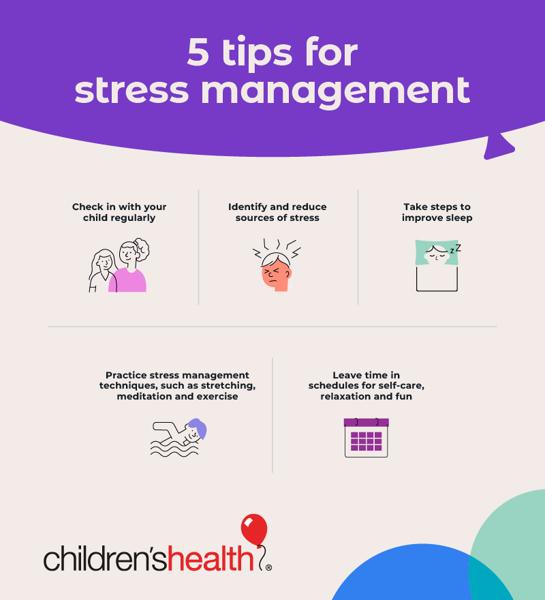
Credit: www.childrens.com
Building A Support System
Building a support system is vital for teenagers facing mental health challenges. Support systems provide comfort, understanding, and strength. They create safe spaces to share feelings and reduce loneliness. Having people who listen can make a big difference in tough times.
Connecting With Family
Family members often offer the first support. Talking with parents or siblings can bring relief. Sharing small thoughts helps build trust and understanding. Family can offer advice and encouragement. Spending time together strengthens emotional bonds. Simple activities like meals or walks create chances to connect.
Finding Trustworthy Friends
Friends play a key role in mental well-being. Choose friends who listen without judging. True friends respect feelings and offer support. Join clubs or groups to meet like-minded peers. Friends can share similar experiences and advice. Building friendships takes time but is worth the effort.
Seeking Professional Help
Professionals provide expert guidance for mental health. Therapists, counselors, or school psychologists can help. They offer tools to manage stress and emotions. Talking to a professional is a sign of strength. Confidential sessions create a safe place to express thoughts. Getting help early can prevent problems from growing.
Managing Stress Effectively
Managing stress is important for teenagers to stay healthy and happy. Stress can affect your mood, sleep, and school work. Learning how to handle stress helps you feel calm and more in control. Simple changes in daily habits can make a big difference.
Recognizing Stressors
Knowing what causes stress is the first step to managing it. Stressors can be school tests, social pressure, or family problems. Notice when you feel tense or worried. Write down what makes you stressed. This helps you understand your feelings better.
Practicing Relaxation Techniques
Relaxation helps your body and mind feel better. Try deep breathing by slowly inhaling and exhaling. Meditation or quiet time can clear your mind. Listening to calm music or doing light stretching also helps reduce stress.
Balancing School And Leisure
It is important to have time for both study and fun. Plan your day to include breaks and hobbies. Playing sports, reading, or hanging out with friends refreshes your mind. A good balance keeps stress low and energy high.
Healthy Lifestyle Choices
Choosing a healthy lifestyle can make a big difference in how you feel every day. Small changes in what you eat, how much you sleep, and how active you are can improve your mood and help you handle stress better. Let’s look at some key areas that impact your mental health and see how you can make smart choices.
Nutrition And Mental Health
Your brain needs good fuel to work well. Eating balanced meals with plenty of fruits, vegetables, whole grains, and lean proteins supports your mood and focus.
Have you noticed how you feel after eating sugary snacks or fast food? Often, these foods cause quick energy spikes followed by crashes that leave you feeling tired or irritable.
Try adding foods rich in omega-3s like salmon or walnuts, and don’t forget to drink enough water. These simple changes can help you feel calmer and more alert.
The Importance Of Sleep
Sleep is not just about rest; it’s when your brain processes emotions and memories. Missing out on sleep can make it harder to concentrate and handle your feelings.
Do you feel cranky or overwhelmed after a bad night’s sleep? That’s because your brain didn’t get the chance to recharge properly.
Aim for 8-10 hours of sleep each night and try to keep a regular bedtime. Turning off screens an hour before bed can help you fall asleep faster and wake up refreshed.
Physical Activity Benefits
Moving your body isn’t just good for your muscles; it also boosts your mood. Exercise releases chemicals like endorphins that reduce stress and make you feel happier.
You don’t need to run a marathon. Even a daily walk, dancing to your favorite songs, or playing a sport with friends can lift your spirits.
Think about how you feel after being active—more energetic and positive? Making physical activity a habit can help you manage anxiety and improve your overall mental health.
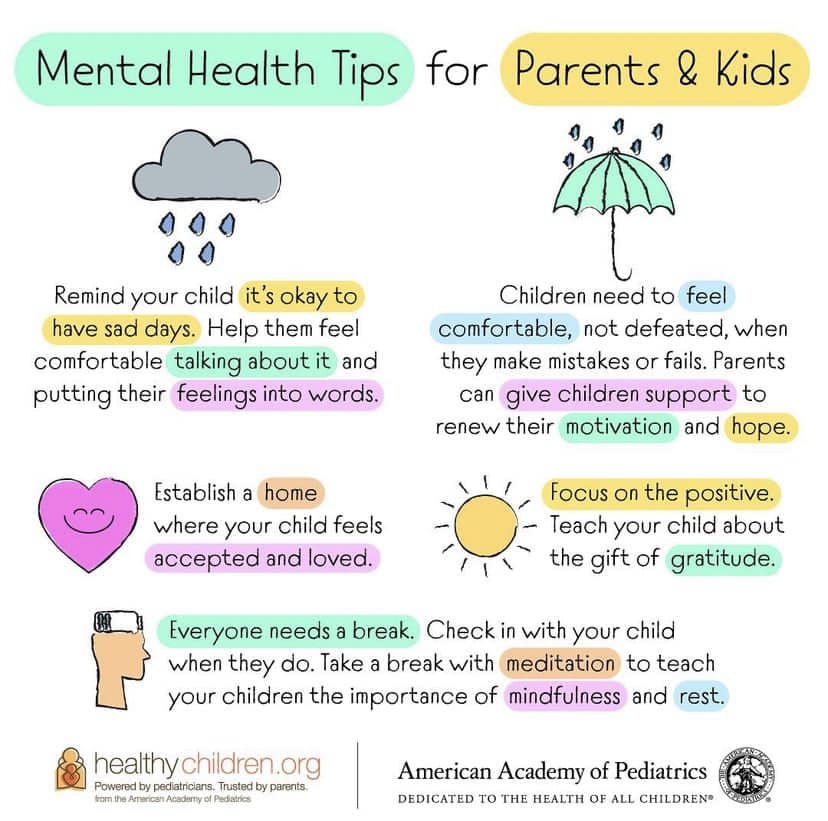
Credit: m.facebook.com
Mindfulness And Meditation
Mindfulness and meditation help teenagers manage stress and improve focus. These practices teach awareness of thoughts and feelings without judgment. They create calm moments amid daily pressures. Practicing mindfulness and meditation can boost emotional health and support better decision-making.
Simple Mindfulness Exercises
- Focus on your breathing. Take slow, deep breaths.
- Notice sounds around you. Pay attention to each one.
- Observe your body sensations. Feel your feet on the ground.
- Try a mindful walk. Walk slowly and notice each step.
- Use a five-senses check. Name things you see, hear, smell, touch, and taste.
Benefits Of Meditation
- Reduces feelings of anxiety and stress.
- Improves concentration and memory.
- Enhances emotional control and patience.
- Promotes better sleep quality.
- Builds a positive outlook on life.
Incorporating Mindfulness Daily
Set aside a few minutes each day for mindfulness. Choose a quiet spot. Sit comfortably and focus on your breath. Use reminders like phone alarms or sticky notes. Practice during daily activities like eating or walking. Consistency helps build a calming habit.
Digital Wellbeing
Digital wellbeing means using technology in ways that help, not harm, your mind. Teens spend a lot of time online for school, fun, and chatting with friends. This can be good, but too much screen time or negative content can hurt mental health. Learning to manage technology wisely is key to feeling better every day.
Setting Boundaries With Technology
Set clear limits on phone and computer use. Too much screen time can cause stress and sleep problems. Try these tips:
- Turn off devices at least one hour before bed.
- Use apps to track and limit daily screen time.
- Create phone-free zones, like the dinner table.
- Take breaks during long study or gaming sessions.
Boundaries help you focus and reduce anxiety from constant notifications.
Social Media And Self-esteem
Social media shows only highlights of others’ lives. This can make you feel less happy or confident. Remember:
- People share good moments, not struggles.
- Comparing yourself to others is unfair and untrue.
- Follow positive accounts that inspire and support you.
- Limit time on platforms that make you feel bad.
Focus on your strengths and real friendships offline.
Finding Balance Online
Balance means using technology for fun and learning without losing real-life connections. Try to:
- Spend time outdoors or with family and friends daily.
- Mix online activities with hobbies like reading or sports.
- Listen to your feelings—step away if you feel upset.
- Use technology to learn new skills or explore interests.
Healthy balance keeps your mind fresh and happy.
Building Resilience
Building resilience is key to maintaining good mental health as a teenager. It helps you bounce back from setbacks and face daily challenges with strength. Strengthening your resilience means you become better at handling stress and pressure without losing your balance.
Coping With Failure
Failure can feel overwhelming, but it’s a natural part of learning and growing. When you don’t succeed at something, try to pause and ask yourself what you can learn from the experience. Instead of focusing on what went wrong, focus on what you can do differently next time.
Think about a time you didn’t do well on a test. Did you review your mistakes and ask for help? That small step can turn failure into a powerful lesson. How do you usually react when things don’t go your way?
Developing A Positive Outlook
Your mindset shapes how you see challenges. Try to focus on small wins each day—these add up and build confidence. Surround yourself with people who encourage and support you, and make a habit of reminding yourself of your strengths.
You don’t need to be positive all the time, but choosing to see possibilities instead of problems can change your mental state. What’s one positive thought you can tell yourself when you’re feeling down?
Learning From Challenges
Every challenge teaches something new about your abilities and limits. Reflect on tough moments and identify what helped you get through them. This reflection makes you stronger and better prepared for future obstacles.
Ask yourself, “What did I learn about myself in this situation?” If you find it hard to answer, try writing down your thoughts. How might seeing challenges as opportunities change the way you handle them?
Creative Outlets For Expression
Creative outlets help teenagers express feelings they cannot say in words. These activities provide a safe space to explore emotions and reduce stress. Engaging in creative tasks also boosts confidence and improves mental clarity. Teens find relief in expressing themselves through art, music, or writing. Trying new hobbies can open doors to discovering hidden talents and interests.
Art And Music Therapy
Art and music let teens show emotions without speaking. Drawing, painting, or playing an instrument helps release tension. These activities improve mood and calm the mind. Creating art or music allows teens to focus on the present. This focus can reduce anxiety and negative thoughts.
Writing As A Tool For Healing
Writing helps teens understand their feelings better. Journals, poems, or stories provide a private place to express thoughts. Writing daily can improve self-awareness and emotional control. Putting feelings on paper often brings relief and peace. It also helps organize confusing emotions into clear ideas.
Exploring New Hobbies
Trying new hobbies gives teens a break from stress. Hobbies like gardening, cooking, or sports bring joy and energy. Learning new skills builds self-esteem and a sense of achievement. Hobbies also encourage social connections and teamwork. These activities create happy moments and improve overall well-being.

Credit: www.instagram.com
Peer Pressure And Self-identity
Peer pressure can heavily influence how you see yourself during your teenage years. It’s easy to lose track of who you really are when trying to fit in. Understanding the relationship between peer pressure and self-identity helps you make choices that feel right to you, not just those that please others.
Dealing With Peer Pressure
Peer pressure often pushes you to do things you might not want to do. Saying “no” can feel hard, especially if you fear losing friends. You can practice simple responses like, “I’m not into that,” or “I’d rather do something else.”
Think about why you want to say yes or no. Is it because you truly want to, or because you want to be accepted? Reflecting on this can give you more control over your decisions.
Embracing Individuality
Your uniqueness is your strength. You don’t have to dress, speak, or act like everyone else. What makes you different can become your best quality.
Try picking one thing you love about yourself and share it with a friend. This small step helps build confidence and shows others the real you. What’s one thing about yourself you’re proud of?
Strengthening Self-esteem
Self-esteem grows when you treat yourself kindly and recognize your worth. Avoid comparing yourself to others—it only lowers your confidence. Instead, focus on your achievements, no matter how small they seem.
Make a list of things you’ve done well this week. Seeing your progress in writing helps your mind believe in your abilities. How can you celebrate your strengths today?
Frequently Asked Questions
What Are Effective Mental Health Tips For Teenagers?
Effective tips include regular exercise, balanced diet, enough sleep, and open communication. Teens should practice mindfulness and limit screen time to reduce stress.
How Can Teenagers Manage Stress And Anxiety Better?
Teens can manage stress by practicing deep breathing, journaling, and engaging in hobbies. Seeking support from friends or counselors also helps.
Why Is Sleep Important For Teenage Mental Health?
Sleep restores brain function, improves mood, and boosts concentration. Lack of sleep increases anxiety and depression risks in teenagers.
How Can Teenagers Build Resilience For Mental Well-being?
Building resilience involves setting goals, staying positive, learning from failures, and seeking help when needed. Strong social connections also enhance resilience.
Conclusion
Taking care of mental health is very important for teenagers. Small daily habits can bring big changes. Talking to friends, family, or a counselor helps a lot. Always find time to relax and enjoy hobbies. Remember, feeling stressed or sad is normal sometimes.
Asking for help shows strength, not weakness. Keep trying different ways to feel better. Mental health matters every single day. Stay kind to yourself and keep moving forward.