Your health is your most valuable asset. Yet, with busy days and endless distractions, it’s easy to forget the simple habits that keep you feeling strong and energized.
What if small, easy changes could boost your mood, increase your energy, and protect you from illness? This article will show you practical, healthy habits that fit into your daily life without stress or overwhelm. Keep reading to discover how you can take control of your health and start feeling your best every day.
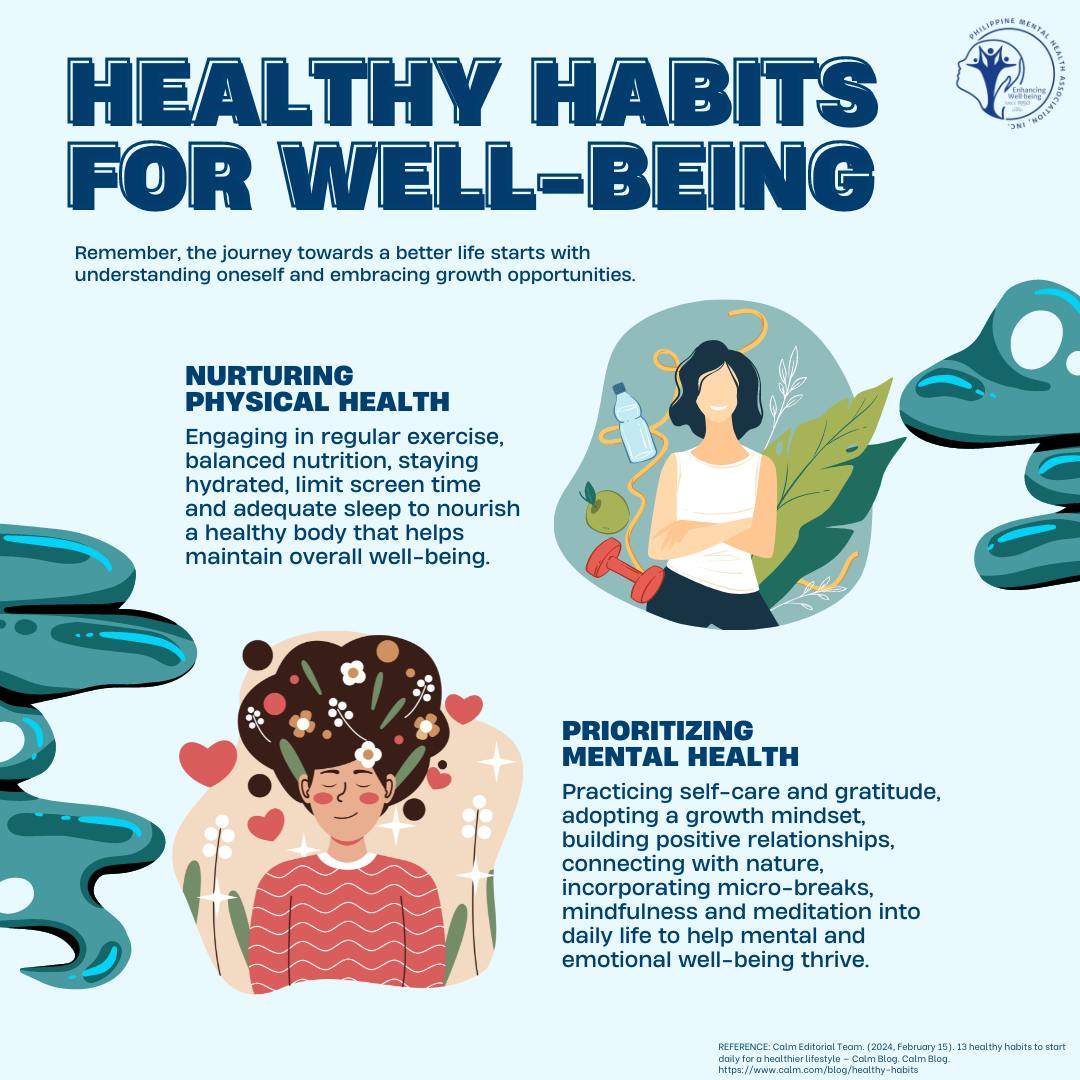
Credit: www.facebook.com
Balanced Nutrition
Balanced nutrition is the foundation of good health. It provides the body with essential nutrients and energy. Choosing the right foods supports growth, repair, and overall well-being. A healthy diet improves mood and boosts immunity. It is important to eat a variety of foods to get all necessary vitamins and minerals.
Choosing Whole Foods
Whole foods are natural and less processed. They contain more nutrients than packaged options. Fresh fruits, vegetables, whole grains, nuts, and seeds are excellent choices. Whole foods help maintain stable energy levels. They also aid digestion and reduce disease risk. Avoid foods with added sugars, artificial colors, and preservatives.
Importance Of Hydration
Water is vital for the body’s functions. It keeps cells hydrated and helps flush out toxins. Drinking enough water improves concentration and energy. It supports digestion and regulates body temperature. Aim to drink at least eight glasses daily. Replace sugary drinks with water or herbal teas.
Mindful Eating Practices
Mindful eating means paying full attention to food. It involves eating slowly and enjoying each bite. This practice helps recognize hunger and fullness signals. Mindful eating reduces overeating and promotes better digestion. Focus on flavors, textures, and smells during meals. Avoid distractions like phones or TV while eating.
Regular Physical Activity
Regular physical activity is a key part of maintaining your health. It boosts your energy, improves your mood, and helps keep your body strong. Finding ways to move that fit into your life can make exercise feel less like a chore and more like a natural part of your day.
Finding Enjoyable Exercises
Enjoyment is the best motivator for staying active. Think about what you like—dancing, swimming, biking, or even gardening. When you pick activities you enjoy, you’re more likely to keep doing them.
Try different exercises to see what feels good. You might surprise yourself by loving a new workout or sport. Ask yourself: what makes you feel energized rather than tired?
Creating A Consistent Routine
Consistency beats intensity. It’s better to move a little every day than to overdo it once in a while. Set a simple schedule that fits your life, like walking after dinner or stretching in the morning.
Use reminders or alarms to build the habit. Pair your exercise with something you already do, like listening to your favorite podcast while you walk. What small change can you make today to add more movement?
Benefits Of Outdoor Activities
Being outside adds extra perks to your workout. Fresh air and sunlight boost your mood and help your body produce vitamin D. Outdoor spaces often provide natural challenges, like hills or uneven ground, which improve balance and strength.
Try running in a park, hiking a trail, or doing yoga in your backyard. Nature can make exercise feel less like a task and more like a refreshing break. When was the last time you moved your body outside?
Quality Sleep
Quality sleep is a cornerstone of good health, yet many overlook its importance. Without consistent, restful sleep, your body and mind struggle to function at their best. Improving your sleep habits can boost energy, focus, and overall well-being in surprisingly simple ways.
Establishing A Sleep Schedule
Going to bed and waking up at the same time every day helps regulate your body’s internal clock. Try setting a consistent bedtime that allows for 7 to 9 hours of sleep. Even on weekends, keeping this routine steady makes falling asleep easier and improves sleep quality.
Think about your current schedule: Do you wake up feeling rested or groggy? Adjusting your sleep time gradually by 15-minute increments can make the change less jarring. Your body will thank you for this steady rhythm.
Creating A Restful Environment
Your bedroom should invite calm and relaxation. Keep the room cool, dark, and quiet to promote deeper sleep cycles. Investing in blackout curtains or a white noise machine can block distractions that disrupt rest.
Consider removing electronics from your sleeping area. The blue light from screens tricks your brain into thinking it’s daytime, making it harder to fall asleep. Try replacing screen time before bed with reading a book or practicing gentle stretches.
Effects Of Sleep On Mental Health
Sleep and mental health are closely connected. Poor sleep can increase stress, anxiety, and even depression. Conversely, getting enough rest improves mood, sharpens memory, and enhances decision-making skills.
Have you noticed feeling irritable or foggy after a bad night’s sleep? These are signals your brain sends to tell you it needs better rest. Prioritizing sleep might be the simplest step you can take to boost your mental clarity and emotional balance.
Stress Management
Stress affects your body and mind more than you might realize. Managing it well can improve your health, mood, and energy levels. Let’s look at practical ways to handle stress that you can start using today.
Relaxation Techniques
Relaxation isn’t just about feeling calm; it lowers your heart rate and reduces muscle tension. Try deep breathing exercises where you breathe in slowly through your nose and out through your mouth. Even a few minutes can help reset your stress response.
Other simple techniques include progressive muscle relaxation, where you tense and then release muscles from your toes to your head. Listening to soothing music or spending time in nature also triggers your body’s relaxation system. What small change can you make right now to create a moment of calm?
Mindfulness And Meditation
Mindfulness means paying attention to the present moment without judgment. This practice helps you notice stress triggers early and respond calmly rather than reacting automatically. You don’t need to sit for hours; starting with just five minutes a day makes a difference.
Meditation apps or guided sessions can help you focus your mind and ease mental clutter. Even during a busy day, pausing to observe your breath or surroundings can bring clarity and reduce anxiety. How often do you give yourself permission to pause and just be?
Balancing Work And Life
Stress often comes from feeling overwhelmed by work demands and personal responsibilities. Setting clear boundaries, like turning off work notifications after hours, protects your downtime. It’s okay to say no or ask for help when your plate is full.
Schedule regular breaks and activities you enjoy, whether it’s reading, exercising, or spending time with loved ones. These moments recharge your energy and improve focus. Are you carving out enough time for yourself amidst your busy schedule?
Social Connections
Social connections play a vital role in maintaining good health. They offer emotional support and reduce feelings of loneliness. Strong relationships encourage positive habits and help manage stress.
Building Supportive Relationships
Good relationships bring comfort and trust. Spend time with family and friends who listen and care. Share your feelings openly to deepen bonds. Small acts of kindness can strengthen these connections. Supportive people boost your confidence and motivate healthier choices.
Community Engagement
Being active in your community creates a sense of belonging. Join local groups or clubs to meet new people. Volunteer work promotes purpose and satisfaction. Community events offer chances to connect and learn. These activities help build a network that supports well-being.
Impact Of Social Interactions On Well-being
Positive social interactions improve mental and physical health. They lower stress hormones and increase happiness. Talking with others can reduce anxiety and depression. Socializing encourages a more active lifestyle. Regular contact with people promotes longer, healthier lives.

Credit: www.facebook.com
Self-care Practices
Taking care of yourself goes beyond just eating well and exercising. Self-care practices are essential for maintaining both your mental and physical health. These habits help you recharge, reduce stress, and stay connected with what truly matters to you.
Prioritizing Personal Time
Setting aside time just for yourself is not selfish—it’s necessary. It could be as simple as reading a book, taking a quiet walk, or enjoying a cup of tea without distractions. How often do you pause your busy schedule to focus solely on what makes you feel calm and happy?
Making personal time a non-negotiable part of your day helps prevent burnout. It gives your mind space to relax and your body a chance to recover. Even 15 minutes daily can make a significant difference in your overall well-being.
Exploring Hobbies And Interests
Engaging in activities you love sparks joy and creativity. Whether it’s painting, gardening, or playing a musical instrument, hobbies can provide a break from everyday stress. Have you noticed how time seems to fly when you’re absorbed in something you enjoy?
Hobbies also offer a sense of accomplishment and boost self-esteem. You don’t need to be an expert; the key is to have fun and express yourself. Consider trying something new—you might discover a passion that energizes your days.
Benefits Of Routine Self-reflection
Taking time to reflect on your thoughts and feelings helps you understand yourself better. Journaling or simply sitting quietly to think can reveal what’s working in your life and what isn’t. When was the last time you asked yourself, “What do I really need right now?”
Self-reflection builds emotional resilience by helping you process experiences and plan for change. It keeps you aligned with your goals and values. Try spending a few minutes each evening reviewing your day—it can offer surprising insights and clarity.
Avoiding Harmful Habits
Avoiding harmful habits plays a key role in maintaining good health. Habits like smoking, excessive drinking, and too much screen time can damage the body and mind. Recognizing these habits early helps prevent long-term problems. Small changes in daily routines lead to big health benefits.
Limiting Alcohol And Tobacco
Alcohol and tobacco harm many organs in the body. Drinking too much alcohol can cause liver damage and weaken the immune system. Smoking harms the lungs and increases the risk of cancer and heart disease. Cutting back or quitting these habits improves energy and overall health. Support from friends or professionals makes the process easier.
Understanding Screen Time Effects
Spending too much time on screens affects vision and sleep quality. It can also cause headaches and reduce physical activity. Setting limits on daily screen use helps protect the eyes and body. Taking regular breaks from devices refreshes the mind and reduces stress. Balance between screen time and outdoor activities boosts well-being.
Recognizing Warning Signs Of Unhealthy Patterns
Unhealthy habits often start slowly and go unnoticed. Signs include feeling tired, mood swings, or avoiding social activities. Changes in appetite, sleep, or concentration also signal problems. Awareness of these signs helps take action early. Seeking help from trusted people or experts supports healthier choices.

Credit: www.instagram.com
Frequently Asked Questions
What Are The Key Healthy Habits For Overall Health?
Key healthy habits include balanced nutrition, regular exercise, adequate sleep, and stress management. Hydration and avoiding harmful substances also boost health. These habits support physical and mental well-being daily.
How Does Exercise Improve Health And Wellness?
Exercise strengthens muscles, boosts immunity, and improves heart health. It also reduces stress and enhances mood by releasing endorphins. Regular physical activity is vital for long-term health.
Why Is Sleep Important For Maintaining Healthy Habits?
Sleep restores energy, supports brain function, and regulates metabolism. Poor sleep can lead to weight gain and weakened immunity. Prioritizing 7-9 hours of quality sleep aids overall health.
How Can Stress Management Benefit Your Health?
Managing stress lowers blood pressure and reduces risk of chronic diseases. Techniques like meditation, deep breathing, and hobbies promote relaxation. Effective stress control improves mental clarity and physical wellness.
Conclusion
Healthy habits build a strong foundation for better health. Small steps, like drinking water and moving daily, make a big difference. Good sleep and balanced food keep energy high and mood bright. Staying consistent helps these habits become a natural part of life.
Choose simple changes you can keep over time. Your body and mind will thank you. A healthy lifestyle is a journey worth taking every day. Feel better, live longer, and enjoy each moment fully.