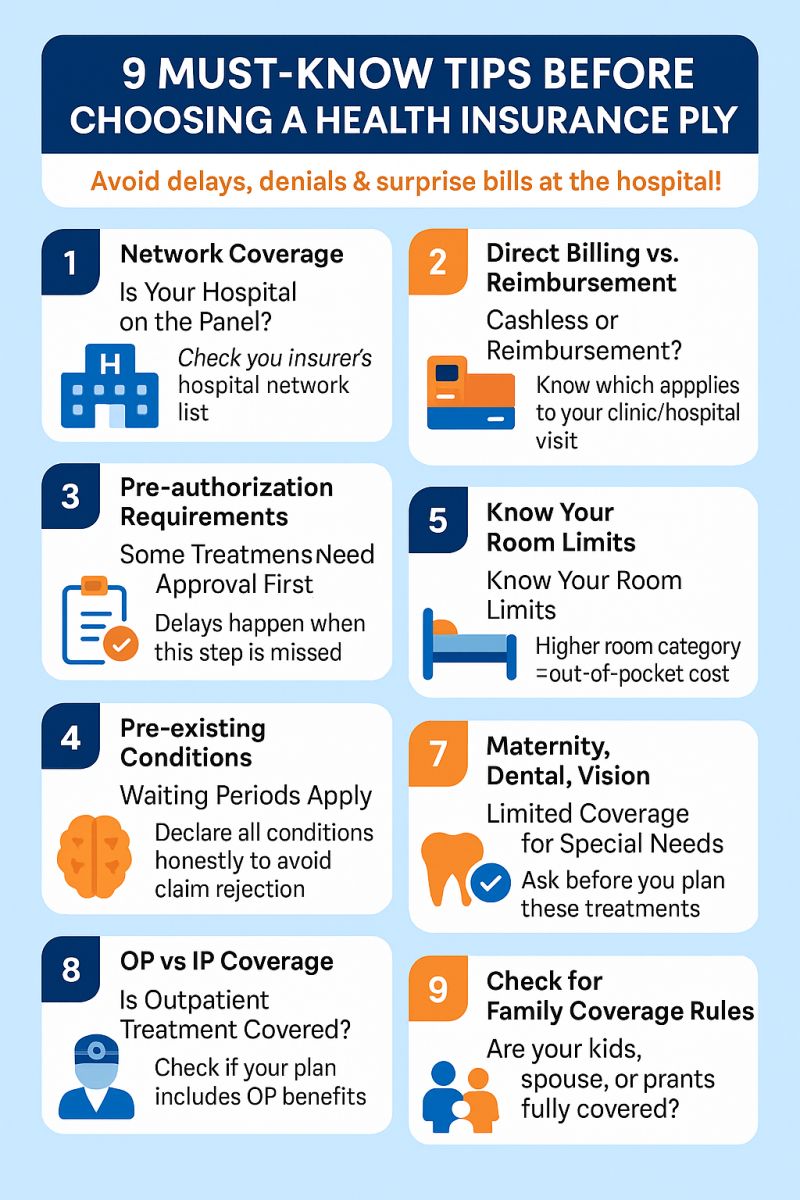
Choosing the right health insurance can feel overwhelming. You want the best coverage without paying too much.
But how do you know what to look for? What if you miss something important that could save you money or stress later? This article will guide you through simple, smart health insurance tips that put you in control. By the end, you’ll feel confident making decisions that protect your health and your wallet.
Keep reading—you deserve peace of mind when it comes to your health insurance.

Credit: www.instagram.com
Choosing The Right Plan
Choosing the right health insurance plan can feel overwhelming, but focusing on what truly matters to you makes all the difference. Understanding your personal health needs and financial situation will guide you to a plan that fits seamlessly into your life. Let’s break down how to pinpoint the best option for your unique circumstances.
Assessing Your Needs
Start by asking yourself: How often do you visit doctors or specialists? Do you need regular prescriptions or ongoing treatments? Knowing your typical healthcare usage helps you decide what kind of coverage you actually require.
Think about your family’s health too. If you have dependents, their medical needs could affect your choice. Also, consider any upcoming procedures or lifestyle changes that might increase your healthcare demands.
Comparing Coverage Options
Look beyond just the monthly costs. Review what each plan covers, such as doctor visits, emergency care, prescription drugs, and preventive services. Some plans offer additional benefits like mental health support or wellness programs, which might be valuable to you.
Check the network of doctors and hospitals included. Would you have to switch your current providers? Limited networks can mean higher out-of-pocket costs or inconvenience. Are there options that balance cost with wider access?
Understanding Premiums And Deductibles
Premiums are what you pay every month just to have insurance. Deductibles, on the other hand, are the amount you pay out of pocket before your insurance starts to cover costs. Both affect your overall spending, but in different ways.
Choosing a low premium plan might mean a higher deductible, which could be risky if you need unexpected care. Conversely, a higher premium with a low deductible might offer peace of mind. What’s your comfort level with upfront costs versus monthly payments?
Maximizing Benefits
Maximizing your health insurance benefits helps you save money and get better care. Understanding how to use your plan fully means fewer out-of-pocket costs. Smart use of services covered by your insurance can keep you healthier and reduce expenses.
Utilizing Preventive Services
Preventive services include vaccines, screenings, and yearly check-ups. Most plans cover these services at no extra cost. Using them helps catch health problems early. Early detection often means simpler and cheaper treatment. Schedule routine visits to stay ahead of illnesses.
Network Providers And Savings
Network providers have agreements with your insurer to offer lower rates. Using doctors and hospitals in your network saves money. Out-of-network care can cost much more or may not be covered. Check your plan’s provider list before appointments. Choose in-network providers to avoid surprise bills.
Prescription Drug Coverage
Health plans often cover many prescription drugs at discounted rates. Know which medicines are on your plan’s formulary list. Generic drugs usually cost less and work just as well. Ask your doctor about cheaper medicine options. Use mail-order services for long-term prescriptions to save more.
Cost-saving Strategies
Saving money on health insurance helps reduce stress and improve financial security. Small changes in managing healthcare costs can lead to big savings. Understanding cost-saving strategies makes healthcare more affordable for everyone. Here are some key ways to lower your medical expenses effectively.
Negotiating Medical Bills
Medical bills can be expensive and confusing. Many people do not know that bills can be negotiated. Contact your healthcare provider or hospital billing department. Ask if they offer discounts or payment plans. Sometimes, providers reduce charges for uninsured patients or those with financial difficulties.
Request an itemized bill to check for errors. Mistakes happen and can increase your cost. If you find mistakes, call to correct them. Be polite but firm when discussing your bills. Keep records of all conversations and agreements made.
Using Health Savings Accounts
Health Savings Accounts (HSAs) allow you to save money tax-free for medical expenses. You can deposit money before taxes, lowering your taxable income. Use HSA funds to pay for qualified healthcare costs such as prescriptions, doctor visits, and dental care.
HSAs roll over year to year, so unused money stays with you. This makes HSAs a smart way to prepare for future medical expenses. To open an HSA, you need a high-deductible health plan (HDHP). Check if your insurance plan qualifies for this account.
Exploring Discounts And Subsidies
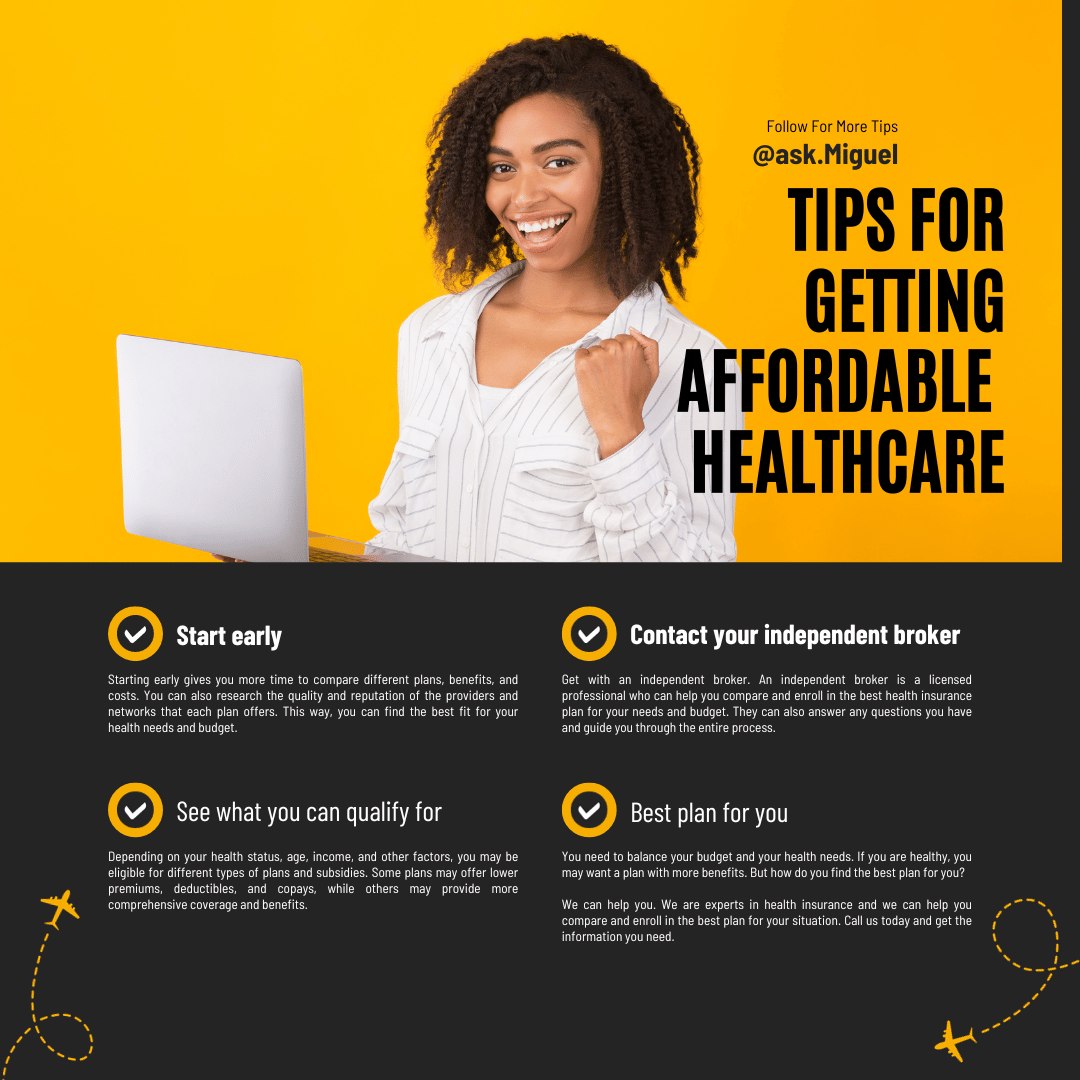
Many programs offer discounts or subsidies to help pay for health insurance. These include government subsidies, employer assistance, and nonprofit organizations. Subsidies reduce your monthly premium or out-of-pocket costs.
- Check eligibility for government health programs like Medicaid or CHIP.
- Ask your employer if they provide health insurance benefits or discounts.
- Look for nonprofit groups offering financial help for specific health needs.
Apply early to secure benefits and reduce your healthcare expenses. Keep important documents ready to speed up the application process.
Credit: www.facebook.com
Avoiding Common Pitfalls
Avoiding common pitfalls in health insurance can save you from unexpected costs and frustration. Many people focus on premiums but overlook details that impact their coverage. Taking time to understand what you’re signing up for makes a big difference.
Reading The Fine Print
Have you ever signed up for something without reading all the details? Health insurance policies often include important clauses buried in fine print.
Look for information about claim procedures, renewal terms, and waiting periods. Missing these details might mean denied claims or surprise fees later. Don’t hesitate to ask your insurer for clarification or a plain-language summary.
Understanding Exclusions
Every policy has exclusions—services or treatments that aren’t covered. Knowing these upfront helps you avoid nasty surprises when you need care.
Common exclusions include cosmetic surgery, experimental treatments, or certain pre-existing conditions. Make a list of what’s excluded in your plan and consider if you need additional coverage or a different policy.
Managing Out-of-pocket Costs
Lower premiums often come with higher out-of-pocket expenses. You might pay more in deductibles, co-pays, or coinsurance than you expect.
Review your plan’s cost-sharing structure carefully. Calculate potential expenses based on your health needs and budget. Have you thought about how much you can afford to pay upfront before insurance kicks in?
Staying Informed
Staying informed about your health insurance is key to avoiding surprises and making smart choices. Policies and benefits can shift without much notice, affecting your out-of-pocket costs and coverage options. Staying up-to-date helps you spot opportunities to save money or get better care.
Keeping Up With Policy Changes
Insurance companies often update their policies, sometimes changing premiums, deductibles, or covered treatments. You should regularly check emails and official websites for announcements. Subscribing to newsletters or alerts from your insurer can keep you one step ahead.
Have you ever found out too late that a treatment you needed wasn’t covered anymore? That’s why reading the fine print during renewal periods matters. Don’t hesitate to call customer service if something isn’t clear—they are there to help you understand the details.
Resources For Assistance
If you feel overwhelmed by insurance jargon, seek help from trusted resources. Local health insurance counselors and nonprofit organizations can explain your options in plain language. Many states also offer free helplines to guide you through coverage questions.
- Use online comparison tools to see how different plans match your needs.
- Join community forums where people share real experiences with insurers.
- Consult your employer’s HR department if you have workplace coverage.
Getting support early can prevent costly mistakes and help you use your benefits effectively. What resources have you found most useful when navigating insurance details?
Tracking Your Coverage
Keeping a personal record of your policy details ensures you know what’s covered and when. Create a simple spreadsheet or notebook listing key information like deductible amounts, co-pays, and coverage limits. Update it whenever you receive new documents or notices.
Also, track your medical visits and expenses to see how they align with your coverage. This helps you avoid unexpected bills and recognize when you’ve met your deductible. Staying organized gives you more control over your healthcare spending.

Credit: www.instagram.com
Frequently Asked Questions
What Are The Top Tips For Choosing Health Insurance?
Compare plans based on coverage, premiums, and deductibles. Check provider networks and prescription drug benefits. Choose a plan that fits your health needs and budget to ensure value and protection.
How Can I Lower My Health Insurance Premiums?
Opt for higher deductibles, use preventive care, and shop during open enrollment. Consider employer plans or government subsidies to reduce premium costs effectively.
What Does Health Insurance Typically Cover?
Health insurance usually covers doctor visits, hospital stays, prescriptions, and preventive services. Coverage varies by plan, so review details carefully before buying a policy.
When Is The Best Time To Buy Health Insurance?
The best time is during open enrollment periods or after qualifying life events. This ensures you get coverage without waiting for special enrollment.
Conclusion
Choosing the right health insurance can protect your well-being. Compare plans carefully before making a decision. Check coverage details and costs to avoid surprises. Think about your health needs and budget first. Stay informed about policy changes each year. Good health insurance offers peace of mind and security.
Take time to review your options regularly. Protect yourself and your family with smart choices. Simple steps help you find the best plan. Stay healthy and secure with the right coverage.